Source Motor Peanut Shelling Machine for Groundnut, Soybean, and Bean Processing
Find and compare 30 Motor Peanut Shelling Machine options from Chinese manufacturers. These vertical units remove shells from groundnuts, soybeans, and wheat with varying power ratings and production capacities to suit different operational needs.
Key considerations
Products List


$500.00 - $8000.00
MOQ: 1 sets


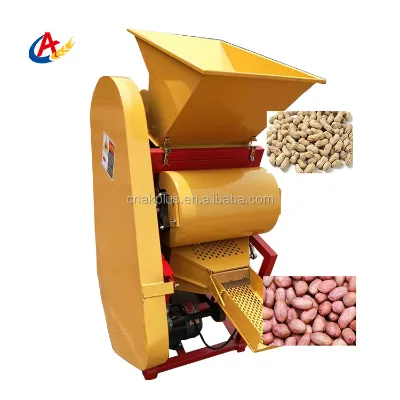


1.5ton/H Peanut Sheller Machine with Cleaner Groundnut Shelling Machines
$1500.00 - $3500.00
MOQ: 1 Pieces


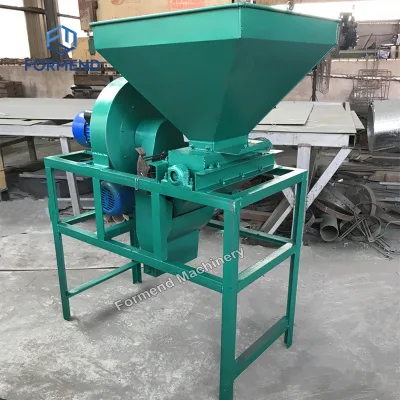
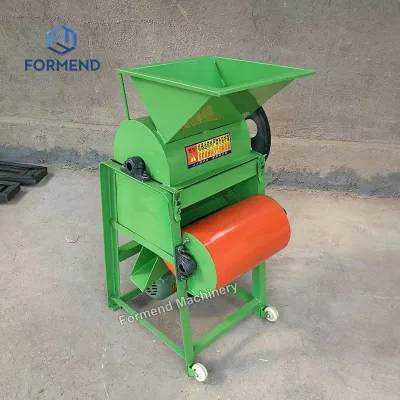
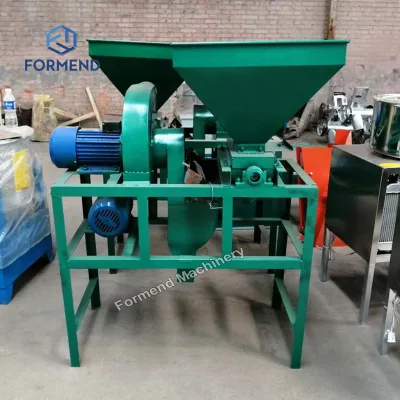
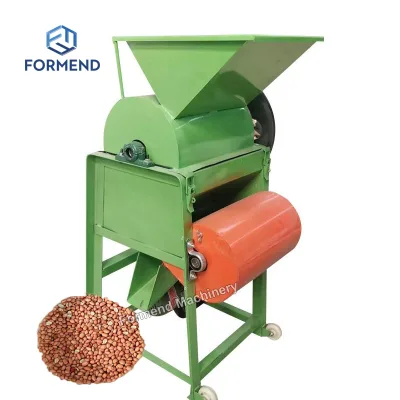
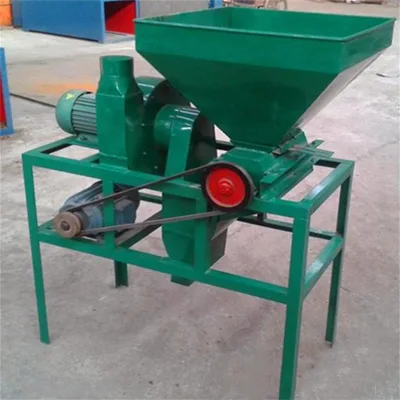
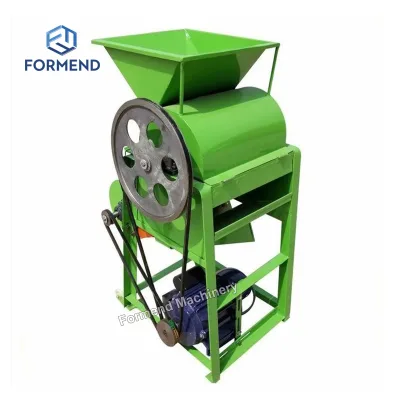


Automatic separating teaseeds groundnut sheller nut huller peanut shelling machine
$4800.00 - $5500.00
MOQ: 1 Sets
Comprehensive Sourcing Guide
Motor Peanut Shelling Machine Sourcing Guide
Sourcing a Motor Peanut Shelling Machine requires a careful balance between throughput capacity, kernel integrity, and operational reliability. These machines are engineered to remove shells from groundnuts efficiently, serving as critical nodes in agricultural processing lines. Buyers must navigate a market where specifications vary significantly, from small-scale units suitable for local cooperatives to high-capacity industrial systems designed for large-scale export operations. The decision-making process hinges on understanding the mechanical differences between models, verifying power requirements, and ensuring that the selected equipment aligns with specific production volumes and quality standards.
This guide provides evidence-based procurement advice for buyers evaluating motor-driven peanut shelling equipment. It focuses on interpreting observed market signals, verifying technical specifications, and establishing robust supplier qualification protocols. By adhering to structured verification steps, procurement teams can mitigate risks associated with performance discrepancies, compliance gaps, and after-sales service failures. The following sections detail the essential considerations for selecting a shelling machine that delivers consistent results and long-term operational value.
Product Scope and Observed Listing Signals
The current market for peanut shelling machines exhibits a wide range of capabilities, with observed production capacities spanning from 60 kg/h to 10,000 kg/h. This broad spectrum indicates that buyers must clearly define their hourly throughput requirements before engaging with suppliers. Smaller units, often weighing around 120 kg, are typically suited for low-volume processing or pilot operations, while heavier machines exceeding 1,500 kg are designed for continuous industrial use. Understanding this variance is crucial for matching the machine’s physical footprint and power consumption to the available facility infrastructure.
Listings frequently highlight key selling points such as high accuracy and low broken rates, which are critical for maintaining the market value of the shelled kernels. The observed price range of $65 to $15,000 USD reflects these differences in scale and complexity, with minimum order quantities (MOQ) generally starting at one unit. Buyers should note that while some models are marketed for multiple applications, including beans and wheat, the primary design focus for most listed units remains the specific mechanical requirements of peanut shelling. Verifying the actual application scope for a specific model is essential to ensure optimal performance.
Technical Specifications to Verify
Power consumption and voltage compatibility are fundamental technical parameters that must be validated against the buyer’s site utilities. Observed power ratings range from 2.2 kW to 38.5 kW, with voltage options including both 220V and 380V configurations. Selecting the correct voltage is critical to avoid electrical incompatibility issues, while the power rating directly correlates with the machine’s ability to handle high-volume feed rates. Buyers should confirm whether the motor is electric or diesel-powered, as this choice impacts operational flexibility and fuel or energy costs.
The structural design and core components also require close scrutiny. Most machines feature a vertical structure and utilize core components such as engines, bearings, and motors, which are typically covered by a one-year warranty. Dimensions vary significantly, with some models measuring approximately 116x64x132 cm and others listed under standard sizes like 56x50x100 cm. Buyers must verify these dimensions to ensure the machine fits within their processing facility and can be transported via standard shipping containers, such as the 1x 20' container option observed in some listings.
Compliance and Safety Documentation
Safety and regulatory compliance are non-negotiable aspects of industrial machinery procurement. Buyers should request documentation that confirms adherence to relevant electrical and mechanical safety standards, particularly given the high-power motors involved. While some listings mention ISO certification, buyers must verify the specific scope of this certification and ensure it applies to the manufacturing process and safety protocols of the specific model being purchased. Lack of clear certification details can pose significant risks in terms of workplace safety and regulatory compliance in the buyer’s jurisdiction.
Additionally, the availability of machinery test reports and video outgoing inspections serves as a critical quality assurance measure. Although some listings indicate that test reports are not available, the provision of video inspections allows buyers to visually verify the machine’s assembly and basic functionality before shipment. Buyers should insist on detailed video evidence that demonstrates the shelling process, highlighting the machine’s ability to handle different peanut varieties without excessive kernel breakage. This visual verification step is essential for confirming that the machine meets the promised performance standards.
Cost Drivers and Commercial Terms
The total cost of ownership for a peanut shelling machine extends beyond the initial purchase price, encompassing energy consumption, maintenance, and potential downtime. Higher production capacities and more robust core components, such as heavy-duty bearings and motors, typically command higher prices but offer greater efficiency and durability. Buyers should evaluate the cost per kilogram of processed peanuts, considering both the machine’s power consumption and its shelling accuracy, as a low broken rate directly impacts the final product’s market value.
Commercial terms, including warranty coverage and after-sales service provisions, play a significant role in mitigating long-term risks. Most suppliers offer a one-year warranty on core components and provide after-sales service, which may include remote troubleshooting or on-site support. Buyers should clarify the extent of this support, including response times and the availability of spare parts. Customization options are also available, allowing buyers to tailor the machine to specific operational needs, but these customizations may impact lead times and overall costs.
Supplier Qualification and Quality Control
Supplier qualification is a critical step in ensuring the reliability of the procurement process. Buyers should verify the supplier’s place of origin, with many manufacturers located in regions such as Hebei and Shandong in China, which are known for their industrial manufacturing capabilities. Assessing the supplier’s production capacity and history can provide insights into their ability to deliver consistent quality and meet delivery schedules. Buyers should also inquire about the supplier’s experience in exporting similar machinery to their target market.
Quality control measures should be established before production begins. Buyers should request detailed specifications and performance guarantees for the specific model being ordered. The availability of video outgoing inspections is a positive indicator, but buyers should also consider third-party inspection services to verify the machine’s quality and functionality before shipment. Establishing clear acceptance criteria, including tests for shelling efficiency and kernel integrity, helps ensure that the delivered machine meets the agreed-upon standards.
Long-Term Procurement Checks
Long-term procurement success depends on the availability of spare parts and the supplier’s commitment to after-sales support. Buyers should confirm the availability of critical components such as motors, bearings, and engines, which are subject to wear and tear. A robust supply chain for spare parts minimizes downtime and ensures continuous operation. Buyers should also evaluate the supplier’s ability to provide technical support and training, which are essential for maximizing the machine’s lifespan and performance.
Regular maintenance and performance monitoring are also key to long-term operational efficiency. Buyers should establish a maintenance schedule based on the manufacturer’s recommendations and monitor key performance indicators such as shelling accuracy and power consumption. By tracking these metrics, buyers can identify potential issues early and take corrective action. Continuous engagement with the supplier for feedback and improvements ensures that the procurement strategy remains aligned with evolving operational needs and market demands.
FAQs
What is the production capacity of motor peanut shelling machines?
Production capacity ranges from 60 to 10,000 kilograms per hour depending on the specific model selected. Smaller units typically handle 250 to 300 kilograms per hour, while larger industrial machines can process up to 8,000 or 10,000 kilograms per hour. Buyers should match the hourly output to their daily processing volume requirements to ensure efficient operation without bottlenecks.
Can motor peanut shelling machines be customized for specific needs?
Yes, customization is available for many motor peanut shelling machines to suit different operational requirements. Buyers can often select specific models, power ratings, and structural configurations such as vertical designs. Customized options allow for tailored performance, ensuring the machine integrates well with existing processing lines and meets specific throughput or purity standards.
What voltage options are available for motor peanut shelling machines?
Motor peanut shelling machines are available in both 220V and 380V voltage configurations to accommodate different electrical infrastructures. Power consumption varies from 2.2 to 24 kilowatts, with some models using 38.5 kilowatts or 6 horsepower engines. Buyers must verify their facility's power supply compatibility before ordering to ensure safe and efficient machine operation.
What core components are included in motor peanut shelling machines?
Core components typically include the engine, motor, and bearings, which are essential for the shelling mechanism's operation. These machines often feature diesel engines or electrical motors to drive the shelling process. The warranty for these core components is generally one year, providing assurance on the durability and reliability of the critical mechanical parts during initial usage.
What certifications and standards apply to motor peanut shelling machines?
Motor peanut shelling machines often carry ISO certification to ensure quality and safety standards are met. The product standard dimensions are typically around 56 by 50 by 100 centimeters, though sizes vary by model. Buyers should request specific certification documents and machinery test reports, as some reports may not be available for all models or suppliers.
How is the packaging and shipping handled for motor peanut shelling machines?
Motor peanut shelling machines are typically packed in standard 1x20-foot containers for international shipping. The weight of the machines varies significantly, ranging from 120 kilograms for smaller units to 1,500 kilograms for larger industrial models. Buyers should consider the shipping volume and weight when calculating logistics costs and ensuring the receiving facility can handle the delivered equipment.