Source Motorcycle Tyre Changer for Garage, Workshop, and Service Center
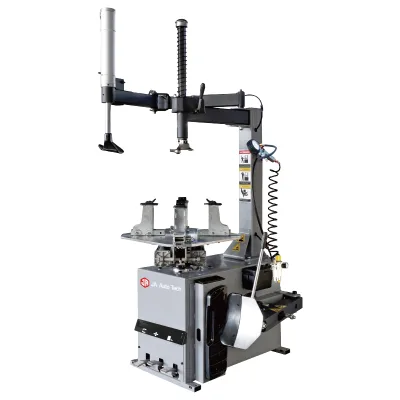
Find and compare 30 Motorcycle Tyre Changer models from China. Evaluate specifications like rim clamping range, motor power, and working pressure to select the right equipment for your garage or workshop needs.
Key considerations
Products List


Portable Bead Breaker Manual Tire Changing Machine Motorcycle Tyre Changer
$30.00 - $40.00
MOQ: 100 Pieces


CE Certification Motorcycle Tire Repair Equipment Tyre Changer Machine
$713.00 - $750.00
MOQ: 1 Pieces


Chinese Manufacturer Motorcycle Tire Changer Machine for Motorcycle with CE
$795.00 - $852.00
MOQ: 1 Pieces




Comprehensive Sourcing Guide
Motorcycle Tyre Changer Sourcing Guide
Sourcing a Motorcycle Tyre Changer requires a careful balance between mechanical capability and operational safety, particularly given the diverse range of wheel sizes and tyre profiles encountered in garage environments. The market offers a variety of machines, from semi-automatic units designed for standard garage use to more robust pneumatic systems capable of handling larger diameters and widths. Buyers must navigate a landscape where specifications such as motor power, clamping ranges, and working pressure vary significantly between models. Understanding these technical distinctions is critical to selecting equipment that matches the specific volume and type of work your facility will perform, ensuring that the investment yields long-term efficiency without compromising on safety or durability.
The procurement process is further complicated by the presence of multiple certification standards and power supply configurations, which directly impact where and how the equipment can be deployed. With observed listings ranging from basic electric models to those with pneumatic assistance, the decision matrix involves evaluating not just the machine’s physical capabilities but also its compliance with regional safety regulations. Buyers need to verify that the chosen unit aligns with their local electrical infrastructure and regulatory requirements, while also considering the supplier’s ability to provide consistent quality control and after-sales support. This guide outlines the key factors to consider when evaluating motorcycle tyre changers, helping you make an informed decision that supports your operational goals.
Product Scope and Observed Listing Signals
The current market for motorcycle tyre changers presents a wide spectrum of options, primarily categorized by their power source and automation level. Observed listings indicate a strong presence of electric-powered units, often featuring semi-automatic operation, which are ideal for high-volume garage settings where speed and consistency are paramount. These machines typically come with specific motor power ratings, such as 0.75kw or 1.5kw, and are designed to handle a range of wheel diameters up to 960mm or 980mm. In contrast, other models rely on pneumatic power, offering different clamping mechanisms and operating pressures, which may be preferred for specific tasks or environments where electrical infrastructure is limited. Understanding these fundamental differences is the first step in narrowing down the potential suppliers and models that fit your operational needs.
In addition to power source, the physical structure and clamping capabilities of the machines vary significantly, influencing their suitability for different tyre types. Many units are designed with a vertical structure and feature inside clamping ranges from 8" to 18", while others offer outside clamping from 10" to 22" or even wider ranges up to 24". Some models are specifically marketed for their ability to handle larger motorcycle wheels, with maximum wheel diameters reaching up to 1040mm and widths up to 15". These variations in clamping and diameter capacity are crucial for buyers who service a diverse fleet of motorcycles, from standard street bikes to larger touring or custom models. Buyers should carefully review the clamping ranges and maximum dimensions to ensure the machine can accommodate the widest range of tyres they expect to service.
Technical Specifications to Verify
When evaluating technical specifications, the motor power and operating pressure are critical indicators of a machine’s performance and reliability. Electric models often list motor powers between 0.75kw and 1.5kw, which directly impacts the speed and force available for bead breaking and tyre mounting. For pneumatic models, the operating pressure is a key metric, with typical ranges observed between 8-10 bar or 0.7-0.8 MPa. Buyers should verify that the machine’s power and pressure specifications are compatible with their facility’s utilities and that the equipment can handle the expected workload without overheating or underperforming. Additionally, the working rotation speed, such as 6.8 Rpm, can influence the overall efficiency of the tyre changing process, so it is important to consider this factor in conjunction with other performance metrics.
The clamping mechanisms and wheel compatibility are equally important technical aspects to verify. The inside and outside clamping ranges determine the types of wheels the machine can securely hold, which is essential for preventing damage to the rim or tyre during the changing process. Some models offer flexible clamping options, such as rim clamping from 9" to 18" or even up to 22", while others may have more limited ranges. Buyers should also check the maximum wheel width and diameter specifications to ensure the machine can handle the largest tyres they anticipate servicing. Furthermore, the bead breaker force, which can be as high as 2500kg in some models, is a critical specification for efficiently removing stubborn tyre beads, so it is important to verify this capability if you frequently work with tight-fitting tyres.
Compliance and Safety Documentation
Compliance with international safety and quality standards is a non-negotiable aspect of sourcing motorcycle tyre changers, as these machines involve high-pressure components and moving parts that pose potential risks to operators. Observed listings frequently mention certifications such as CE, ISO, GS, and RoHS, which indicate that the equipment has been tested and meets specific regulatory requirements for safety, environmental impact, and quality management. Buyers must verify that the supplier can provide valid certification documents for the specific model they are purchasing, as these certifications are often required for customs clearance and legal operation in many countries. It is also important to ensure that the certifications are up-to-date and issued by recognized bodies, as this adds an additional layer of assurance regarding the machine’s safety and reliability.
In addition to formal certifications, buyers should pay close attention to the safety features and design standards incorporated into the machine. While specific safety standards may vary by region, the presence of features such as emergency stop buttons, protective guards, and stable base structures is essential for operator safety. The working pressure and electrical safety features, such as proper grounding and insulation, should also be verified to ensure they meet local electrical codes. Buyers should request detailed safety manuals and operating instructions from the supplier, which should clearly outline all safety precautions and maintenance requirements. This documentation is crucial for training operators and ensuring that the machine is used correctly, minimizing the risk of accidents and extending the equipment’s lifespan.
Cost Drivers and Commercial Terms
The cost of a Motorcycle Tyre Changer is influenced by several factors, including the machine’s technical specifications, build quality, and the level of automation. Electric models with higher motor power and wider clamping ranges tend to be more expensive than basic pneumatic units, reflecting the increased complexity and performance capabilities. Additionally, the inclusion of advanced features such as digital controls, automatic bead breakers, and specialized clamping mechanisms can drive up the price. Buyers should carefully evaluate the total cost of ownership, considering not just the initial purchase price but also the potential savings in labor time and increased throughput that a more capable machine might offer. It is also important to consider the cost of any additional accessories or spare parts that may be required for optimal operation.
Commercial terms, including minimum order quantities (MOQ), payment terms, and shipping arrangements, play a significant role in the overall procurement strategy. Observed listings show a wide range of MOQs, from single units to larger batches, which can impact the unit price and negotiation leverage. Buyers should clarify the supplier’s MOQ policy and explore options for bulk purchasing if they require multiple units, as this may result in significant cost savings. Payment terms, such as advance payment, letter of credit, or open account, should be negotiated to align with the buyer’s cash flow and risk tolerance. Additionally, shipping costs and lead times should be factored into the total cost, as these can vary significantly depending on the supplier’s location and the chosen shipping method.
Supplier Qualification and Quality Control
Supplier qualification is a critical step in ensuring the reliability and quality of the Motorcycle Tyre Changer. Buyers should verify the supplier’s manufacturing capabilities, including their production facilities, quality control processes, and experience in the industry. Suppliers based in regions like Qingdao or Shandong in China are common sources for this type of equipment, but buyers should not rely solely on location as an indicator of quality. Instead, they should request detailed information about the supplier’s production process, including material sourcing, assembly procedures, and testing protocols. Additionally, buyers should check the supplier’s reputation through customer reviews, industry references, and any available trade assurance programs, which can provide insights into their reliability and customer service.
Quality control measures implemented by the supplier are equally important, as they directly impact the performance and longevity of the machine. Buyers should inquire about the supplier’s quality control standards, including any in-house testing procedures and third-party inspections. It is also important to verify that the supplier provides a warranty and after-sales support, including access to spare parts and technical assistance. Buyers should request a detailed warranty policy and clarify the terms and conditions, including the duration of coverage and the process for making claims. Additionally, buyers should consider the supplier’s ability to provide customization options, such as specific colors or packaging, if these are important for their brand or operational needs.
Long-Term Procurement Checks
Long-term procurement success depends on establishing a sustainable relationship with the supplier and ensuring ongoing support for the equipment. Buyers should consider the supplier’s ability to provide consistent quality over time, including their capacity to handle future orders and scale production if needed. It is also important to evaluate the supplier’s responsiveness to customer inquiries and their ability to resolve issues promptly. Buyers should maintain open communication with the supplier and provide feedback on the machine’s performance, which can help identify any potential issues early and foster a collaborative relationship. Additionally, buyers should stay informed about any updates or improvements to the machine model, as this can impact future purchasing decisions and maintenance requirements.
Finally, buyers should regularly review their procurement strategy and assess the performance of the Motorcycle Tyre Changer in their operations. This includes monitoring the machine’s uptime, maintenance costs, and overall efficiency, which can provide valuable insights into its value and reliability. Buyers should also stay updated on industry trends and technological advancements, as this can inform future purchasing decisions and help them stay competitive. By maintaining a proactive approach to procurement and supplier management, buyers can ensure that their Motorcycle Tyre Changer continues to meet their operational needs and delivers a strong return on investment over the long term.
FAQs
What power sources are available for motorcycle tyre changers?
Electric and pneumatic power sources are available for these machines. Electric models typically use 0.75kw or 1.5kw motors with versatile supply options like 110V to 415V. Pneumatic variants operate on 8-10 bar pressure. Buyers should select the power type based on their workshop infrastructure and available utility connections to ensure proper machine operation.
Can the machine handle different rim sizes?
Yes, the equipment supports various rim dimensions. Inside clamping ranges from 8 to 18 inches, while outside clamping can accommodate 10 to 22 inches. Some models feature rim clamping from 9 to 22 inches. This flexibility allows the machine to service a wide range of motorcycle tires, making it suitable for diverse garage repair needs.
What certifications do these machines typically hold?
These machines commonly hold CE, ISO, GS, and RoHS certifications. CE marking ensures compliance with European safety standards, while ISO certification indicates quality management adherence. GS and RoHS certifications further verify safety and environmental compliance. Buyers should verify specific certification documents with suppliers to ensure the equipment meets local regulatory requirements for import and operation.
How much does a Motorcycle Tyre Changer weigh?
The equipment weight varies by model, typically ranging from 130kg to 160kg. Heavier units often provide greater stability during high-force bead breaking operations. Buyers should consider the floor load capacity of their workshop when selecting a model. The substantial weight ensures the machine remains secure during operation, reducing vibration and improving safety for the operator.
What is the maximum wheel diameter supported?
Maximum wheel diameters range from 960mm to 1040mm depending on the specific model. This capacity allows the machine to handle most standard motorcycle wheels and some larger variants. Buyers should check the specific maximum diameter specification for the chosen model to ensure compatibility with their largest intended tire sizes before making a purchase decision.
Is customization available for these machines?
Customization is available for many Motorcycle Tyre Changer models. Buyers can often request customized colors and specific packaging options like wooden boxes or plywood packing. Some suppliers offer tailored specifications to meet unique operational requirements. This flexibility allows businesses to align the equipment with their brand identity or specific workshop layout constraints.