Source Octopus Model Garden Sprinkler for Farms, Lawns, and Gardens
Explore 30 listings of the Octopus Model Garden Sprinkler designed for diverse irrigation needs. Buyers can compare specifications, materials, and packing options to find the right solution for farms, lawns, and gardens.
Key considerations
Products List






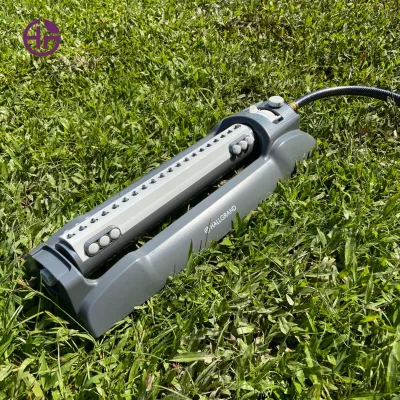
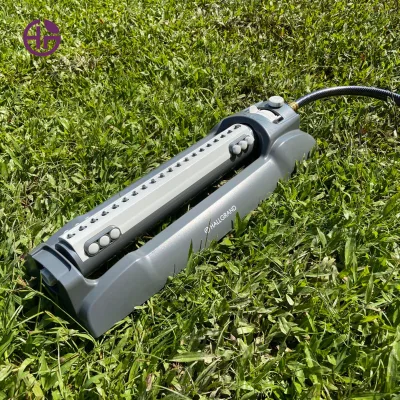
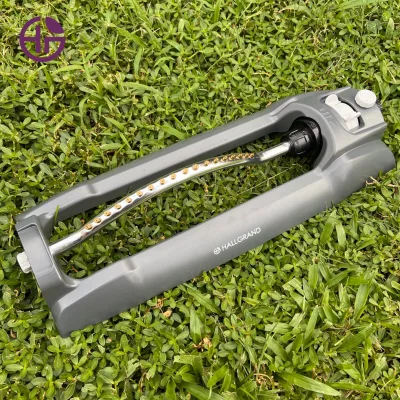

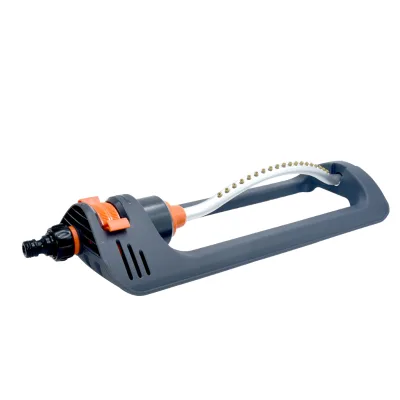
Comprehensive Sourcing Guide
Sourcing Guide for Octopus Model Garden Sprinklers
Understanding the Product Category and Market Context
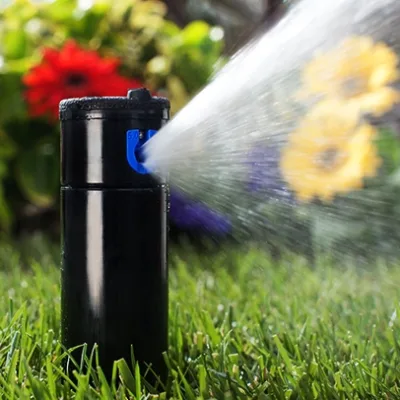
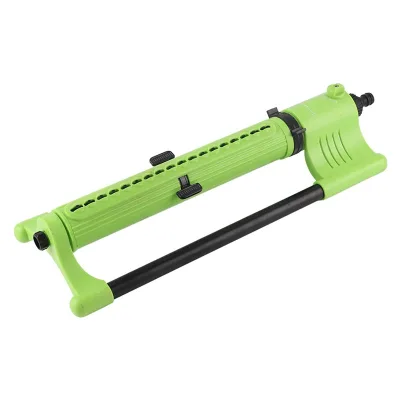
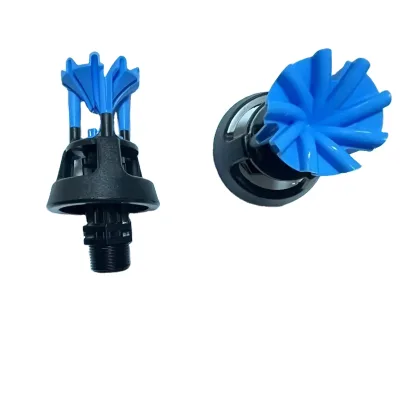
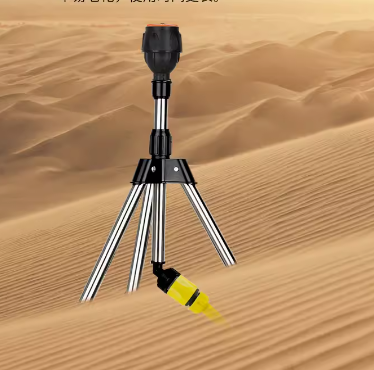
When sourcing irrigation equipment, buyers often encounter a wide array of terminology that can obscure the specific technical requirements of a project. The term "Octopus Model Garden Sprinkler" typically refers to a specific configuration of sprinkler heads designed for high-efficiency water distribution, often characterized by multiple outlets or a specific mechanical design that mimics the branching nature of an octopus. In the context of the available market data, this category overlaps significantly with "Garden Impact Sprinklers," "Adjustable Angle Rotary Sprinklers," and "Pop-Up Sprinklers." These products are engineered to deliver water in a controlled manner across agricultural and residential landscapes.
The market for these devices is dominated by manufacturers originating from China, with specific hubs in Fuzhou and Fujian. These regions have established supply chains capable of producing plastic-based irrigation components at scale. The materials used are primarily high-density polypropylene (PP) and general plastics, selected for their durability against UV exposure and resistance to corrosion. Buyers must recognize that while the "octopus" descriptor is a common marketing term, the underlying technical specifications vary widely. Some units are designed as impact sprinklers with a single nozzle, while others may feature pop-up mechanisms or adjustable angles ranging from 25 degrees to a full 360-degree rotation. Understanding these distinctions is critical before initiating a procurement process, as the performance characteristics of a "Garden Impact Sprinkler" differ fundamentally from a "Popup" unit.
Technical Specifications and Material Composition
The technical viability of an octopus model sprinkler depends heavily on its physical dimensions, material composition, and mechanical features. Based on observed product attributes, the primary material for these units is plastic, with specific references to PP (Polypropylene) indicating a focus on lightweight yet durable construction. The material choice directly influences the product's lifespan and its ability to withstand varying weather conditions.
Dimensions and packaging are equally critical for logistics planning. Observed specifications include a variety of packing sizes, such as 563132 cm, 644538 cm, and 543528 cm. These measurements often correspond to the carton dimensions rather than the individual sprinkler size, though some data points list specific product dimensions, such as a product height of 19 cm and a pop-up height of 10 cm. The nozzle diameter is another vital specification, with observed values like 4mm indicating the flow rate capacity. Buyers should verify the exact nozzle size, as this determines the water pressure requirements and the radius of coverage.
Mechanical features further define the utility of the sprinkler. Adjustable direction is a common feature, with ranges observed from 25° to 360°, allowing for flexible coverage patterns. The shape of the sprinkler is noted as "Equal," suggesting a symmetrical design for uniform water distribution. Color options typically include blue and yellow, which may serve as visual indicators for different flow rates or model numbers. The product models identified in the market include 2101, 3435, PC, 7114, 3601, DFS, SMS0230, RS5022, 5022, and DFS5055B. These alphanumeric codes serve as unique identifiers for specific configurations, and buyers must match these codes to their project requirements rather than relying solely on generic descriptions.
Compliance, Certification, and Quality Verification
In the realm of B2B procurement, compliance and certification are often the most misunderstood aspects of the supply chain. While some background information mentions "reach" as a potential certification, it is classified as low-confidence and should not be assumed to apply to any specific product without direct verification from the supplier. Buyers must not rely on generic claims regarding safety or environmental standards unless they are explicitly documented in the product datasheet or a third-party test report.
Instead of assuming compliance, procurement teams should establish a verification protocol. This involves requesting specific test results for the plastic materials used, ensuring they meet the necessary standards for food safety or environmental durability if the water is intended for agricultural crops. The "prod_standard" field in the data sometimes lists dimensions (e.g., 563132) rather than regulatory standards, which highlights a gap in standard documentation. Buyers should explicitly ask suppliers to provide the relevant ISO, ASTM, or local regulatory standard numbers that govern the manufacturing of these plastic irrigation components.
Furthermore, the origin of the product, specifically Fuzhou, China, and Fujian, China, implies a specific manufacturing ecosystem. While these regions are known for plastic molding, the quality control processes can vary between factories. Buyers should verify if the supplier has implemented a Quality Management System (QMS) and request evidence of batch testing. The "Feature: Saving Water" attribute is a performance claim that requires validation through flow rate tests under controlled pressure conditions. Without independent verification, such claims remain marketing assertions rather than guaranteed specifications.
Cost Drivers and Pricing Structures
The pricing of octopus model garden sprinklers is influenced by a complex interplay of material costs, manufacturing complexity, and order volume. The observed price range in the market spans from $0.02 to $110 USD, a variance that reflects the diversity of product types from simple impact heads to complex pop-up systems with adjustable mechanisms. The lower end of the spectrum likely corresponds to basic plastic units with minimal features, while the higher end may include premium models with advanced adjustability, durable materials, or specialized packaging.
Minimum Order Quantity (MOQ) is a significant cost driver. The observed MOQ range is from 1 to 5,000 units. For small-scale buyers or those testing a new product line, an MOQ of 1 allows for sampling without significant financial risk. However, for large-scale agricultural projects, an MOQ of 5,000 may be required to secure the most competitive unit price. The "Qty" attribute of 150 and "Gw" (Gross Weight) of 16 kg or 12 kg indicate that packaging efficiency plays a role in shipping costs. Buyers should calculate the total landed cost, including freight, by considering the packing density. For instance, a carton containing 200 pieces (as noted in the "Packing: 200PCS/ CTN" attribute) offers better shipping efficiency than a carton with fewer units.
Customization is listed as "Available," which introduces another variable in pricing. Customizing the color, logo, or specific mechanical features will inevitably increase the unit cost and potentially the MOQ. Buyers must weigh the benefits of customization against the budget constraints. The "prod_packing" options, ranging from "Box" to "Carton" to specific counts like "1/200" or "100," also affect the final cost. Bulk packaging reduces per-unit shipping costs but requires more storage space and handling infrastructure at the destination.
Typical Applications and Operational Requirements
The versatility of octopus model sprinklers makes them suitable for a wide range of applications, from small residential gardens to large-scale farms. The "Application: Farm" attribute confirms their utility in agricultural settings, where water conservation is paramount. The "Feature: Saving Water" aligns with modern sustainable farming practices, suggesting that these sprinklers are designed to minimize evaporation and runoff.
In residential contexts, the "Garden Impact Sprinkler" and "Adjustable Angle Rotary Sprinkler" models are ideal for lawns and landscaping. The ability to adjust the angle from 25° to 360° allows for precise coverage of irregularly shaped garden beds. The "Popup" sprinkler type is particularly useful for areas where the sprinkler head needs to be hidden when not in use, such as in manicured golf courses or high-end residential lawns. The specific dimensions, such as a 19 cm product height, ensure that these units are compatible with standard irrigation systems.
For commercial and industrial applications, the durability of the PP material and the robustness of the plastic construction are essential. The "Type: Other Watering & Irrigation" classification suggests that these units can be adapted for various non-standard applications. Buyers should consider the water pressure requirements of their specific site. A 4mm nozzle diameter may require a specific pressure range to function optimally, and using these sprinklers in low-pressure systems could result in inadequate coverage. Therefore, understanding the hydraulic requirements of the site is a prerequisite for selecting the correct model.
Supplier Evaluation and Quality Control Protocols
Selecting the right supplier is as important as selecting the right product. Given the concentration of manufacturers in Fuzhou and Fujian, buyers have access to a competitive market but must navigate the variability in quality. The "brand name: DFShou" indicates that some suppliers operate under specific brand identities, while others may sell under generic or private labels. Buyers should evaluate suppliers based on their ability to provide consistent product specifications and their responsiveness to quality inquiries.
Quality control should be a multi-stage process. First, buyers should request samples to verify the physical attributes, such as the material quality, color consistency, and mechanical functionality of the adjustable angles. Second, a factory audit or third-party inspection can verify the production capacity and quality control processes. The "prod_model" codes serve as a reference for consistency; buyers should ensure that the supplier can consistently produce the exact model number ordered, as variations in molding can lead to performance issues.
The "Customization: Available" attribute suggests that suppliers are willing to adapt products, but this flexibility can introduce quality risks if not managed correctly. Buyers should establish clear specifications for any customizations and include them in the purchase agreement. Additionally, the "Packing" details, such as "200PCS/ CTN" or "100," should be verified to ensure that the packaging protects the products during transit. Damaged goods upon arrival can lead to significant losses, so the integrity of the packaging is a key quality metric.
Long-Term Procurement and Strategic Sourcing
Sourcing octopus model garden sprinklers is not just a one-time transaction but a strategic decision that impacts long-term operational efficiency. The "Saving Water" feature is a long-term value proposition, reducing water bills and environmental impact over the lifespan of the irrigation system. Buyers should consider the total cost of ownership, including maintenance and replacement costs. High-quality plastic materials like PP are resistant to degradation, but exposure to extreme UV radiation can still affect longevity. Buyers should inquire about UV stabilizers used in the manufacturing process.
Supply chain resilience is another critical consideration. The observed lead times and MOQs suggest that buyers should plan their orders well in advance, especially for large quantities. The "prod_origin: China" and specific locations like "Fuzhou" and "Fujian" indicate a reliance on a specific geographic supply chain. Buyers should diversify their supplier base to mitigate risks associated with geopolitical issues, natural disasters, or logistics disruptions.
Finally, the availability of spare parts and technical support is essential for long-term procurement. Buyers should confirm that the supplier can provide replacement nozzles, seals, or other components if the sprinklers require maintenance. The "prod_model" consistency ensures that replacement parts are compatible with the original units. By focusing on these long-term factors, buyers can build a sustainable and efficient irrigation system that delivers value over many years.
FAQs
What materials are used for octopus model garden sprinklers?
These sprinklers are primarily made of plastic, with specific models using Polypropylene (PP). The material choice ensures durability against UV exposure and corrosion, suitable for both farm and garden applications.
Can buyers customize the color or design of these sprinklers?
Yes, customization is available for these products. Buyers can request specific colors like blue or yellow, and suppliers may offer other customizations depending on the order volume and specific model requirements.
What is the typical price range for octopus model garden sprinklers?
The observed price range spans from 0.02 to 110 USD per unit. This variance depends on the specific model, such as impact or pop-up types, and the complexity of the adjustable angle mechanisms.
Which specifications define the adjustable angle for these sprinklers?
Adjustable angles typically range from 25 degrees to 360 degrees depending on the model. Some units offer a 40 to 360-degree range, allowing for flexible water distribution patterns in various garden layouts.
Where are these sprinklers typically manufactured?
Most units originate from China, with specific manufacturing hubs in Fuzhou and Fujian. These regions provide established supply chains for producing plastic-based irrigation components at scale.
What is the minimum order quantity for these sprinklers?
The minimum order quantity ranges from 1 to 5000 units. Small buyers can order single units for sampling, while large agricultural projects may require higher volumes to secure competitive pricing.
How are these sprinklers packaged for shipping?
Packaging options include boxes, cartons, or specific counts like 200 pieces per carton. Carton dimensions vary, such as 54x35x28 cm or 64x45x38 cm, to optimize logistics and protect the plastic units.