Source Mounting Bicycle Disc Brake Bolts for Mountain Bikes, Road Bicycles, BMX
Find Mounting Bicycle Disc Brake Bolts from 30 verified suppliers offering steel, titanium, and aluminum alloy options. Compare specifications including sizes, colors, and customization features for mountain bikes, road bicycles, and BMX applications.
Key considerations
Products List
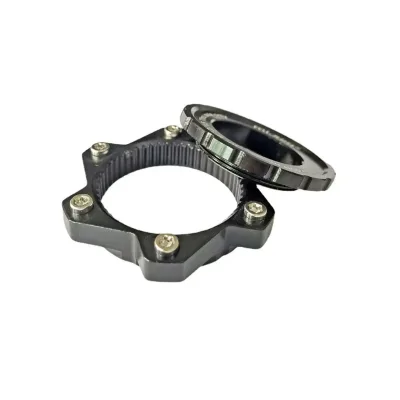
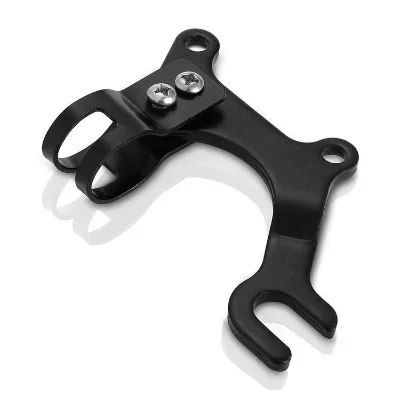
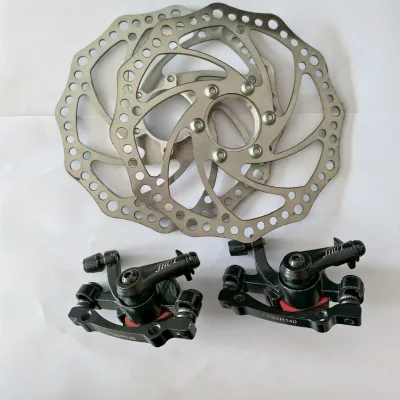


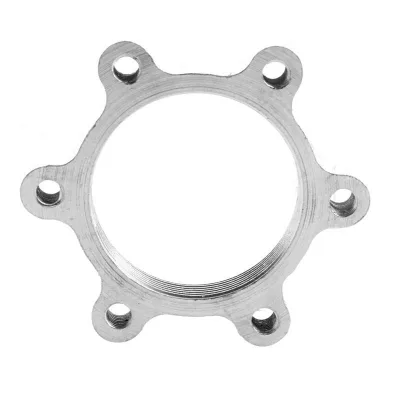


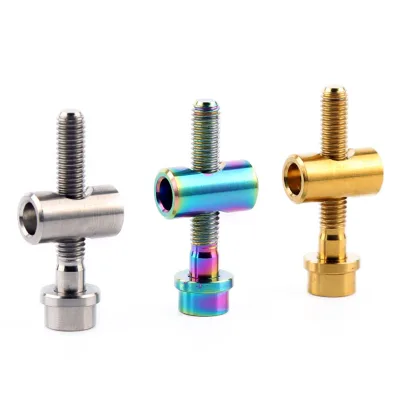
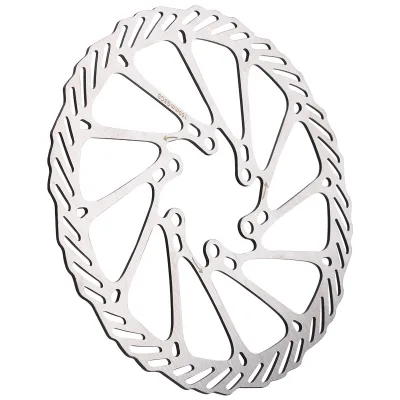


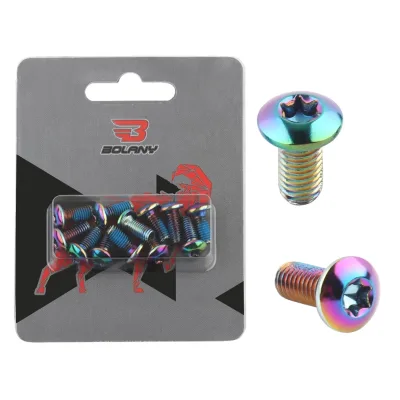
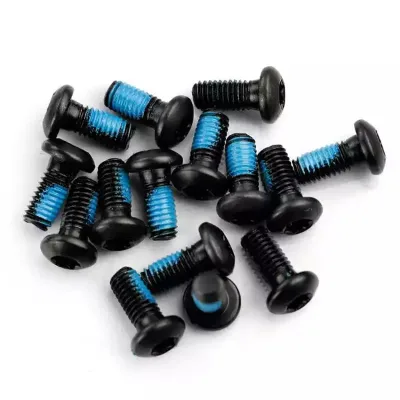
Comprehensive Sourcing Guide
Strategic Sourcing Guide for Mounting Bicycle Disc Brake Bolts
Understanding Product Specifications and Technical Variability
When sourcing Mounting Bicycle Disc Brake Bolts, buyers must first navigate a complex landscape of technical specifications that vary significantly between product listings. The core keyword implies a need for fasteners designed to secure disc brake calipers to bicycle frames or forks, yet the available data reveals a wide spectrum of attributes that define functional compatibility. A primary observation in the current market is the diversity in material composition. While some listings explicitly identify Steel as the primary material, others specify Titanium or Titanium Alloy, and a third category utilizes Aluminum Alloy. This variation is not merely cosmetic; it dictates the weight, corrosion resistance, and tensile strength of the final component. For instance, a product described with a Titanium/Titanium Alloy composition offers a distinct advantage in weight reduction and strength-to-weight ratio compared to standard steel alternatives, which is critical for high-performance mountain bikes and road bicycles.
The physical dimensions and thread standards are equally critical for successful procurement. The observed product data indicates specific size requirements, such as 20mm and 32mm dimensions, which likely correspond to the bracket adapter sizes or the specific mounting interface requirements of the brake system. Furthermore, the head style of the bolts varies, with Hexagonal and Round head styles both present in the market. The Hexagonal head style typically requires a wrench or hex key for installation, offering high torque application, while Round head styles may utilize different driving mechanisms. The connection type is generally noted as a Common Bolt, but the specific gauge and thread pitch must be verified against the bicycle manufacturer's specifications. One listing mentions a Gauge: Other, which serves as a warning flag for buyers to confirm exact thread pitches rather than assuming standard sizing. Additionally, the Flange Spacing of 6.5mm is a specific technical parameter that must be matched to the frame's mounting hole configuration to ensure proper alignment and brake clearance.
Compliance, Certification, and Standard Verification
Navigating the regulatory and standardization landscape for bicycle components requires a rigorous approach to verifying compliance. The supply data references a broad array of international standards, including GOST, GB, DIN, ANSI, BSW, and JIS. These acronyms represent distinct national or regional standards for fasteners, each governing dimensions, tolerances, and material properties. For example, DIN (Deutsches Institut für Normung) is a German standard widely respected in Europe, while GB (Guobiao) is the Chinese national standard. The presence of ANSI (American National Standards Institute) and BSW (British Standard Whitworth) indicates that some suppliers cater to North American and British markets, respectively. However, the mere mention of these standards in a product listing does not guarantee that a specific batch of bolts is certified to them. Buyers must treat these as potential compliance claims that require independent verification through test reports or third-party certification documents.
The Standard: M4-M20 range mentioned in the data suggests a broad coverage of metric thread sizes, but this is a generalization that buyers must scrutinize. A specific order for M4 bolts will not be interchangeable with M20 bolts, and the tolerance classes (such as ISO 898-1) are not explicitly detailed in the provided facts. Furthermore, the Surface Finishing is listed as Plating, which is a generic term. In the context of bicycle components, the type of plating (e.g., zinc, nickel, or black oxide) determines the corrosion resistance and aesthetic finish. Without specific details on the plating thickness or salt-spray test results, buyers cannot assume the product meets the durability requirements for outdoor cycling environments. The Standard and Surface Finishing attributes must be cross-referenced with the specific application environment, such as wet weather conditions or high-salt coastal areas, to ensure the fasteners will not degrade prematurely.
Cost Drivers and Pricing Dynamics
The pricing structure for Mounting Bicycle Disc Brake Bolts is influenced by a combination of material costs, manufacturing complexity, and order volume. The observed price range in the market spans from 0.01 to 72 USD, a disparity that reflects the vast differences in material quality and production scale. The lower end of this spectrum likely corresponds to basic Steel or Aluminum Alloy components with standard plating, produced in high volumes with minimal customization. In contrast, the higher price points are associated with Titanium or Titanium Alloy products, which involve more expensive raw materials and more complex machining processes. The Brand Name also plays a role, with listings showing both specific brands like mi.xim and Angbow, as well as generic oem/odm designations. Branded products often command a premium due to perceived quality assurance and brand reputation, whereas OEM/ODM options offer cost savings but require more rigorous quality control by the buyer.
Order Volume is another significant cost driver, with the MOQ (Minimum Order Quantity) ranging from 2 to 1000 units. Buyers purchasing small quantities, such as the 2-unit minimum, will likely face a higher per-unit cost due to the fixed costs of setup and packaging. Conversely, orders approaching the 1000-unit threshold may benefit from economies of scale, reducing the unit price significantly. The Single package size also impacts logistics costs; packages ranging from 10X10X10 cm to 20X20X10 cm affect how many units can be shipped per container. The Single gross weight varies from 0.200 kg to 1.000 KG, further influencing freight charges. Buyers must calculate the total landed cost, including shipping and duties, rather than focusing solely on the unit price. Additionally, the Customization availability, including Customized Color and Logo options, adds a layer of cost that must be factored into the budget, especially for branding purposes.
Typical Applications and Functional Requirements
The functional applications of Mounting Bicycle Disc Brake Bolts extend beyond simple fastening, requiring compatibility with various bicycle types and braking systems. The data explicitly lists applications for BRAKES, Bicycle, Mountain Bikes, Road Bicycles, and BMX. This indicates that the bolts are versatile but must be selected based on the specific stress and vibration profiles of the intended bicycle type. Mountain bikes, for instance, experience higher impact forces and vibration, necessitating bolts with higher tensile strength and potentially Titanium construction to prevent fatigue failure. Road bicycles prioritize weight reduction, making Aluminum Alloy or Titanium options more attractive despite their higher cost. BMX bikes, known for their durability requirements in stunt riding, may require bolts with specific Head Style configurations that resist stripping under high torque.
The Usage is broadly categorized as Bicycle Repair, but the specific Application details suggest a focus on Disc Brake systems. The Type: Disc Brake and Application: BRAKES confirm that these components are integral to the braking mechanism. The Position: Front designation in some listings highlights that certain bolts are designed specifically for front brake calipers, which often bear different loads compared to rear calipers. The Spoke Hole: 6 attribute, while seemingly unrelated to brake bolts, may indicate a specific compatibility with wheel designs or mounting interfaces that require precise alignment. Buyers must ensure that the Model Number, such as LJ-25661 or K-705, aligns with the specific brake caliper and frame mounting points of their bicycle models. Mismatched specifications can lead to improper brake alignment, reduced braking efficiency, and potential safety hazards.
Supplier Evaluation and Geographic Considerations
Evaluating suppliers for Mounting Bicycle Disc Brake Bolts requires a focus on geographic origin and manufacturing capabilities. The Place of Origin is consistently listed as China, with specific regions including Hebei and Guangdong. Hebei is known for its heavy manufacturing and steel production, which may correlate with the Steel material listings. Guangdong, on the other hand, is a hub for electronics and precision manufacturing, potentially aligning with the Aluminum Alloy and Titanium products that require tighter tolerances. The Delivery time is noted as 7-25 days, which is a standard range for international shipping from China, but buyers should verify if this includes customs clearance and local transit. The prod_packing: Carton indicates standard bulk packaging, but buyers should confirm if individual blister packs or protective sleeves are available to prevent damage during transit.
Supplier reliability is further assessed through the Brand Name and Customization capabilities. Listings with specific brand names like mi.xim and Angbow suggest established manufacturers with defined quality control processes. In contrast, oem/odm listings indicate suppliers capable of producing custom designs, which is valuable for buyers looking to create their own branded products. The Customization: Available attribute, including Customized Color and Logo, suggests flexibility in production. However, buyers must verify the supplier's capacity to handle these customizations without compromising the Standard compliance or Surface Finishing quality. The Selling Units: Single item and Single package size variations also provide insight into the supplier's flexibility in fulfilling small versus large orders. A supplier that can accommodate both 2-unit and 1000-unit orders demonstrates a robust supply chain capable of scaling production as needed.
Quality Control and Long-Term Procurement Strategy
Implementing a robust quality control strategy is essential for ensuring the longevity and safety of Mounting Bicycle Disc Brake Bolts. Given the Feature: Durable claim in some listings, buyers should request evidence of durability testing, such as fatigue testing or tensile strength reports, to validate these assertions. The Color options, ranging from Black, Gold, and Multi to Customized Color, should be verified for consistency and adherence to the Surface Finishing: Plating specifications. Inconsistent coloring or poor plating can indicate substandard manufacturing processes that may lead to corrosion or premature failure. The Weight specifications, such as 50g or 0.200 kg, serve as a basic quality check; significant deviations from the stated weight can indicate material impurities or dimensional inaccuracies.
Long-term procurement considerations involve building a relationship with suppliers who can consistently meet Standard requirements and maintain quality over time. The Standard: GOST, GB, DIN, ANSI, BSW, JIS list highlights the need for suppliers who are familiar with multiple international standards and can adapt their production processes accordingly. Buyers should establish clear communication channels to discuss Customization needs, Lead Time adjustments, and MOQ flexibility. The Delivery: 7-25 days range should be monitored to ensure timely fulfillment, especially for urgent repair or production needs. By maintaining a focus on Technical Specifications, Compliance, and Quality Control, buyers can mitigate risks and secure a reliable supply of high-quality Mounting Bicycle Disc Brake Bolts that meet the demanding requirements of the bicycle industry.
Comparative Analysis of Key Product Attributes
To facilitate informed decision-making, the following table summarizes the key attributes observed in the market, highlighting the variability that buyers must navigate.
| Attribute Category | Observed Variability | Key Considerations for Buyers |
|---|---|---|
| Material | Steel, Titanium/Titanium Alloy, Aluminum Alloy | Match material to application (e.g., Titanium for weight, Steel for cost). |
| Standard | GOST, GB, DIN, ANSI, BSW, JIS | Verify specific standard compliance for target market (e.g., DIN for Europe). |
| Head Style | Hexagonal, Round | Ensure compatibility with installation tools and torque requirements. |
| Size/Dimension | 20mm, 32mm, M4-M20, Flange Spacing 6.5mm | Cross-reference with bicycle frame and caliper specifications. |
| Surface Finish | Plating (Generic) | Request specific plating type (e.g., zinc, black oxide) for corrosion resistance. |
| Origin | Hebei, China; Guangdong, China | Consider regional manufacturing strengths (Steel vs. Precision Aluminum). |
| MOQ | 2 to 1000 Units | Plan order volume to optimize unit cost and inventory management. |
| Lead Time | 7-25 Days | Factor into production schedules and inventory replenishment cycles. |
This comparative analysis underscores the necessity of detailed specification verification before placing orders. The diversity in attributes means that a "one-size-fits-all" approach is ineffective. Buyers must carefully align their specific technical requirements with the capabilities of the supplier, ensuring that the selected bolts meet the rigorous demands of bicycle disc brake systems. By adhering to these principles, procurement professionals can secure high-quality components that enhance the safety and performance of the final bicycle products.
FAQs
What materials are used for Mounting Bicycle Disc Brake Bolts?
These bolts are commonly made from Steel, Titanium, or Aluminum Alloy. Buyers must verify the specific material grade to ensure compatibility with their bicycle frame and desired weight reduction.
Which head styles are available for these brake mounting bolts?
Available head styles include Hexagonal and Round configurations. The Hexagonal style typically requires a wrench for high torque application, while Round styles may use different driving mechanisms.
Can these bolts be customized with specific colors or logos?
Yes, customization for color and logo is available for many listings. Buyers should confirm the surface finishing process, such as plating, to ensure durability and aesthetic consistency.
What is the typical delivery time for these components from China?
The standard delivery time ranges from 7 to 25 days. This duration includes manufacturing and shipping from origins like Hebei or Guangdong to international destinations.
How do the minimum order quantities vary for these bolts?
Minimum order quantities range from 2 to 1000 units depending on the supplier. Smaller orders may incur higher per-unit costs, while larger orders benefit from economies of scale.
Which international standards do these bolts claim to meet?
Listings reference standards such as GOST, GB, DIN, ANSI, BSW, and JIS. Buyers must verify specific batch certifications as these claims require independent validation for compliance.