Source Mounting Bracket for Automotive, Industrial, and Building Uses
Find 30 verified Mounting Bracket options suitable for automotive motor mounting, industrial machinery parts, and building applications. Buyers can compare specifications like dimensions, materials, and surface treatments to select the right component for their project needs.
Key considerations
Products List

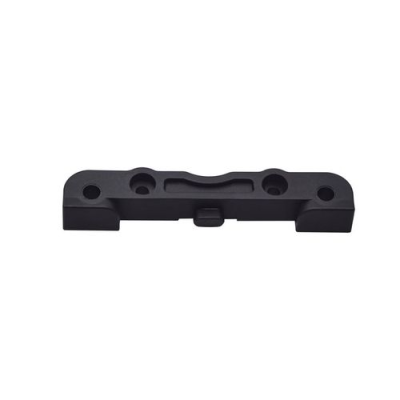


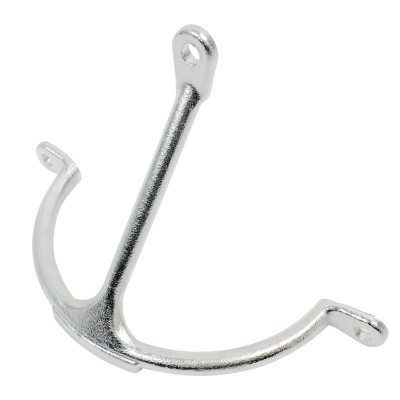


Comprehensive Sourcing Guide
Mounting Bracket Sourcing Guide
Mounting brackets serve as critical structural components in industrial, automotive, and building applications, providing secure attachment points for machinery, equipment, and assemblies. Sourcing these parts requires a disciplined approach to verifying material integrity, dimensional accuracy, and surface treatment durability. Buyers must navigate a market characterized by high customization potential, where standard off-the-shelf solutions often give way to OEM-specific designs tailored to unique load-bearing and spatial constraints.
The procurement process for mounting brackets involves balancing technical specifications with commercial terms such as minimum order quantities (MOQ) and lead times. While some suppliers offer immediate availability for standard sizes, others specialize in custom processing, requiring sample development and tooling setup. Understanding the distinction between generic stamped parts and heavy-duty, load-bearing structures is essential for aligning supplier capabilities with the specific mechanical demands of the end application.
Product Scope and Observed Listing Signals
The observed market for mounting brackets encompasses a diverse range of product types, from simple end frames to complex, heavy-duty load-bearing tripods. Listings indicate that products are often categorized by their design style, such as contemporary finishes, and their primary application, including automotive motor mounting, industrial machinery parts, and building infrastructure. The presence of terms like "Metal Stamping Parts" and "Sheet Metal Series" suggests that the majority of available solutions rely on metal fabrication techniques, with carbon steel being a noted raw material for high-strength requirements.
Observed listing signals reveal significant variability in packaging and shipping specifications, which directly impacts logistics planning. Products are described with packing methods ranging from individual cartons to palletized wooden cases, reflecting the need to protect components during transit. Furthermore, the availability of customization is a dominant feature, with suppliers explicitly stating that custom sizes and mounting hole configurations are available. This flexibility allows buyers to source brackets that fit precise spatial requirements without the need for extensive post-processing or modification upon receipt.
Technical Specifications to Verify
Dimensional accuracy is paramount when sourcing mounting brackets, as even minor deviations can compromise the assembly of larger systems. Buyers should verify critical dimensions such as height, width, and thickness, which are often specified in millimeters (e.g., 200mm x 50mm x 8mm). Additionally, the hole distance pattern, which may include configurations like 50x50mm, 75x75mm, or 100x100mm, must be confirmed to ensure compatibility with existing fasteners and mounting points. The overall dimension of the component, including any protruding features like tripod legs or stand bases, should be cross-referenced with the design blueprint to prevent interference with adjacent components.
Material selection and surface treatment are equally critical for ensuring the longevity and performance of the Mounting Bracket. Carbon steel is a common raw material, offering a balance of strength and cost-effectiveness, but buyers must verify the plate thickness, which can vary from 6mm to 8mm depending on the load requirements. Surface finishes, such as black electrophoretic coating or painting, provide corrosion resistance and aesthetic appeal, but the specific treatment process should be confirmed to ensure it meets the environmental conditions of the installation site. The type of technical process, whether casting, stamping, or custom processing, also influences the final mechanical properties and should be aligned with the application's stress profile.
Compliance and Safety Documentation
Certification requirements vary significantly based on the end-use industry, with automotive and industrial sectors often demanding rigorous compliance standards. Buyers should request documentation for certifications such as ISO, CE, and CCC, which indicate adherence to international quality and safety management systems. These certifications are particularly important for products used in automotive motor mounting or heavy-duty applications, where failure could result in significant safety hazards or operational downtime. Verifying the validity and scope of these certifications ensures that the supplier maintains consistent quality control throughout the production process.
In addition to general certifications, specific industry standards may apply depending on the application. For instance, standards such as ASME, EN, and GB may be relevant for structural components in building or industrial settings. Buyers should confirm whether the supplier’s products are tested against these specific standards, particularly regarding load-bearing capacity and material strength. The absence of specific test data or standard compliance documentation should prompt further inquiry, as it may indicate a lack of rigorous quality assurance procedures.
Cost Drivers and Commercial Terms
The cost of mounting brackets is influenced by several factors, including material costs, manufacturing complexity, and surface treatment requirements. Customization plays a significant role in pricing, as bespoke designs often require additional engineering time, tooling setup, and quality inspection. Buyers should anticipate higher unit costs for low-volume orders or highly customized specifications, while economies of scale may reduce prices for larger quantities of standard designs. The observed price range in the market is broad, reflecting the diversity of materials, sizes, and processing techniques available.
Commercial terms, including minimum order quantities (MOQ) and lead times, are critical components of the procurement strategy. MOQs can range from single pieces for prototyping to thousands of units for mass production, allowing buyers to scale their orders according to demand. Lead times also vary, with sample production often completed within 2-7 days, while full production runs may take longer depending on the complexity and volume. Warranty terms, such as a 12-month warranty, provide additional assurance of product quality and supplier confidence, but buyers should clarify the specific conditions and coverage details.
Supplier Qualification and Quality Control
Supplier qualification begins with verifying the origin and manufacturing capabilities of the provider. Many suppliers are located in industrial hubs such as Zhejiang, China, which are known for their metal fabrication expertise. Buyers should assess the supplier’s ability to handle custom processing, including their capacity for OEM services and their experience with similar applications. The availability of a warranty and the clarity of their quality control processes are strong indicators of a reliable supplier, as they demonstrate a commitment to product consistency and customer satisfaction.
Quality control measures should be explicitly defined in the procurement agreement, covering aspects such as dimensional inspection, material verification, and surface finish evaluation. Buyers should request sample approvals before committing to large orders, allowing for a thorough assessment of the product’s fit, form, and function. The supplier’s ability to provide detailed product descriptions, including single gross weight and package dimensions, also reflects their attention to detail and professionalism. Establishing clear communication channels and defining acceptance criteria early in the relationship helps mitigate risks associated with quality variations.
Long-Term Procurement Checks
Long-term procurement success depends on establishing a robust framework for ongoing supplier evaluation and performance monitoring. Buyers should regularly review supplier performance metrics, including on-time delivery rates, defect rates, and responsiveness to issues. Maintaining a diverse supplier base can mitigate risks associated with supply chain disruptions, while fostering strong relationships with key suppliers can lead to better pricing and priority service. Continuous improvement initiatives, such as joint engineering reviews or quality audits, can further enhance the reliability and efficiency of the supply chain.
As product requirements evolve, buyers must remain agile in their sourcing strategies, adapting to changes in design, material availability, and regulatory standards. Regularly updating technical specifications and compliance requirements ensures that sourced components remain compatible with evolving end products. By maintaining a disciplined approach to verification and documentation, buyers can secure a steady supply of high-quality mounting brackets that meet their operational needs and support long-term business objectives.
FAQs
Can I get custom sizes for mounting brackets?
Yes, custom sizes are available for mounting brackets. The product page confirms that custom sizes with mounting holes can be provided to meet specific project requirements without standard limitations.
What certifications do these metal parts hold?
These metal stamping parts hold ISO, CE, and CCC certifications. These standards ensure the components meet international quality and safety requirements for automotive, industrial, and building applications.
How long is the sample lead time?
The sample lead time is within 2 to 7 days. This quick turnaround allows buyers to evaluate product quality and specifications before committing to larger production orders or bulk purchases.
What is the minimum order quantity for these parts?
The minimum order quantity is 1 piece for many items. This low MOQ allows buyers to test products or fulfill small project needs without requiring large initial inventory investments.
Which materials are used for the mounting brackets?
Carbon steel is the raw material used for these mounting brackets. This material choice ensures durability and strength, suitable for heavy-duty load-bearing applications in various industrial settings.
Can the manufacturer accept OEM orders?
Yes, the manufacturer accepts OEM orders for these parts. Buyers can request specific designs or modifications, and the supplier offers custom processing services to fulfill unique manufacturing needs.
What is the warranty period for these products?
The warranty period is 12 months for these products. This coverage provides assurance of quality and performance, protecting buyers against defects during the initial year of use.