Source multi-colored fine art pens for painting drawing crafting
Compare 30 listings of multi-colored fine art pens with varying materials like bristle and plastic, different hardness levels, and diverse packaging options. Buyers can evaluate specifications such as writing width, ink types, and customization availability for office, school, or artistic applications.
Key considerations
Products List


Promotional Multi Colors Art Paint Markers Permanent Marker Pen for Drawing
$0.04 - $0.07
MOQ: 5000 Pieces


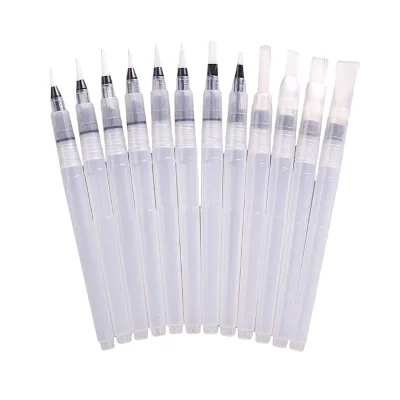


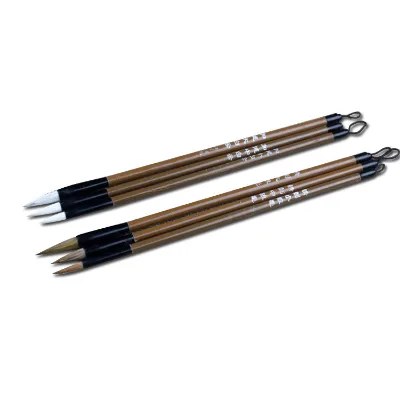


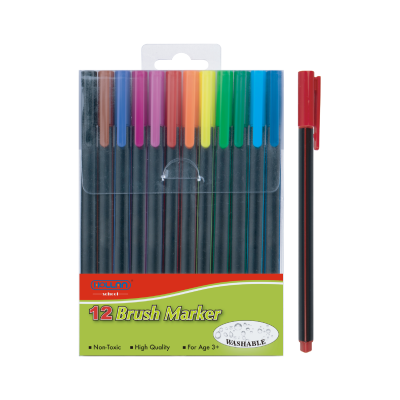
Comprehensive Sourcing Guide
Strategic Sourcing Guide for Multi-Colored Fine Art Pens
Navigating the global market for multi-colored fine art pens requires a disciplined approach that balances artistic requirements with rigorous supply chain verification. Buyers in the B2B sector must move beyond superficial product descriptions to understand the underlying technical specifications, material compositions, and compliance frameworks that define a reliable procurement strategy. The following guide outlines the essential factors for sourcing these specialized writing and drawing instruments, ensuring that the final selection meets both creative and operational standards.
Technical Specifications and Material Composition
The foundation of any successful procurement for fine art pens lies in a precise understanding of the technical specifications provided by the manufacturer. When evaluating potential suppliers, buyers must scrutinize the material composition, as this directly influences the flow, durability, and finish of the ink. In the current market, materials vary significantly; some products utilize synthetic bristles designed for specific texture applications, while others rely on high-grade plastics for the pen body and nib structure.
A critical aspect of technical evaluation is the nib geometry and writing width. For fine art applications, the precision of the tip is paramount. Data indicates that specific models feature nibs described as "Round and Fine," which are essential for detailed line work and intricate shading. Conversely, other variants may offer dual-side writing capabilities, providing versatility for artists who require different line weights or ink types on a single instrument. The writing medium compatibility is another technical variable; some pens are engineered specifically for fabric applications, utilizing ink types that are both dry-erase and wet-erase, while others are optimized for paper or canvas.
Physical dimensions also play a significant role in the user experience and packaging logistics. Standardized sizes, such as 15.7mm by 1.5mm or 13mm by 1cm, suggest a focus on ergonomic handling and portability. However, bulk packaging standards can vary, with some configurations designed to fit 24 pieces into a single plastic box, while others utilize paper boxes or blister cards. Buyers must verify that the physical dimensions of the pen align with the intended storage and display requirements of their retail or institutional channels.
Compliance, Certification, and Safety Standards
In the realm of art supplies, safety and regulatory compliance are non-negotiable. Buyers must verify that all products adhere to international safety standards, particularly regarding toxicity and chemical composition. The presence of certifications such as CE and ISO is a strong indicator of a manufacturer's commitment to quality and safety. These certifications suggest that the products have undergone rigorous testing to ensure they meet European and international safety requirements, which is crucial for products intended for use in schools, offices, and by professional artists.
When sourcing multi-colored fine art pens, the "Non-Toxic" attribute is a primary compliance flag. This designation ensures that the inks and materials used do not pose health risks during normal usage, a critical factor for products marketed to children or used in educational environments. Buyers should request documentation proving that the inks meet relevant regulatory thresholds for heavy metals and volatile organic compounds. Furthermore, the origin of the product, such as manufacturing in Zhejiang or Shanghai, China, provides context for the regulatory environment in which the goods were produced, but it does not replace the need for specific product-level certification verification.
Cost Drivers and Pricing Dynamics
The pricing structure for multi-colored fine art pens is influenced by a complex interplay of factors, including material costs, customization levels, and order volume. The observed market range spans from $0.03 to $890, a variance that reflects the difference between basic single-unit pens and comprehensive professional kits. Understanding these cost drivers is essential for budgeting and negotiation.
One of the most significant cost drivers is the customization of the product. Suppliers offering logo printing, custom packaging, or bespoke color formulations typically command higher prices due to the additional setup and production time required. The "Customization: Available" and "Customized" attributes indicate that buyers can tailor the product to their brand, but this flexibility often comes with a minimum order quantity (MOQ) threshold. In the observed data, MOQs range from as low as 2 sets for sample or trial orders to as high as 30,000 units for large-scale industrial production.
Packaging also impacts the final cost. Options such as color boxes, plastic boxes, blister cards, and gift set boxes add value but increase the unit price. Buyers must weigh the aesthetic and protective benefits of premium packaging against the budget constraints of their project. Additionally, the complexity of the color palette, ranging from 12 to 120 colors, directly affects the manufacturing cost, as more colors require more precise ink mixing and quality control processes.
Typical Applications and Usage Scenarios
Multi-colored fine art pens serve a diverse array of applications, extending far beyond simple writing. The primary usage categories identified in the market include office and school environments, as well as professional painting, drawing, and crafting. In educational settings, the durability and non-toxic nature of the pens make them ideal for classroom projects and artistic instruction. The "Dual-Side Writing" feature, where available, adds a layer of utility for students who need to switch between different ink types or line styles without changing tools.
For professional artists and designers, the pens are utilized for detailed illustration, graphic design, and promotional materials. The "Function" attributes often list painting, drawing, writing, advertising, and promotion, highlighting the versatility of these tools. Specific models designed for fabric applications allow for customization of textiles, while those with dry-erase and wet-erase capabilities are suitable for whiteboard presentations and temporary signage. The "Hardness" of the nib, described as "Medium Soft" in some cases, determines the pressure required and the resulting line quality, which is a critical consideration for artists with specific stylistic preferences.
Supplier Evaluation and Selection Criteria
Selecting the right supplier requires a comprehensive evaluation of their capabilities, reliability, and alignment with the buyer's specific needs. The presence of OEM/ODM (Original Equipment Manufacturer/Original Design Manufacturer) services is a key indicator of a supplier's flexibility. Suppliers that welcome OEM/ODM requests are better equipped to handle custom orders, from branding to unique product specifications.
Buyers should assess the supplier's production capacity and lead times. While some suppliers offer rapid delivery times of 3-5 days, others may require longer periods depending on the complexity of the order and the customization level. The "Sample Time" of 3-7 days is a standard benchmark for evaluating product quality before committing to a large order. Additionally, the location of the supplier, whether in Zhejiang or Shanghai, can influence logistics costs and shipping times, though it should not be the sole determinant of supplier selection.
A robust supplier evaluation process should also include a review of their quality control measures. Suppliers with established certifications and a history of producing high-quality art supplies are more likely to deliver consistent results. Buyers should request samples to verify the "Hardness," "Nib" quality, and "Ink Type" before finalizing any contract.
Quality Control and Inspection Protocols
Implementing a rigorous quality control (QC) protocol is essential to ensure that the received goods meet the agreed-upon specifications. QC should begin at the supplier's facility, where inspections can verify the consistency of the "prod_model" numbers, the accuracy of the "prod_standard" dimensions, and the integrity of the "prod_packing." For multi-colored pens, checking the color accuracy and ink flow is critical, as variations in these areas can render the product unsuitable for professional use.
Inspection protocols should also cover the physical durability of the pens. Testing the "Dual-Side Writing" mechanism, if applicable, ensures that both ends of the pen function correctly. For pens with specific nib types, such as "Round and Fine," verifying the sharpness and stability of the tip is necessary to prevent fraying or ink leakage. The "Feature" of being "Non-Toxic" should be validated through third-party testing reports to ensure compliance with safety regulations.
Long-Term Procurement Considerations
Sourcing multi-colored fine art pens is not a one-time transaction but an ongoing relationship that requires long-term planning. Buyers should consider the scalability of their orders and the supplier's ability to maintain consistent quality over time. The wide range of observed MOQs suggests that buyers can start with small orders to test the market and gradually increase volume as demand grows.
Sustainability and supply chain resilience are also becoming increasingly important. Buyers should inquire about the environmental impact of the materials used, such as the recyclability of the plastic or paper packaging. Additionally, diversifying the supplier base can mitigate risks associated with supply chain disruptions. By maintaining a relationship with multiple suppliers who offer different product models and customization options, buyers can ensure a steady supply of high-quality art pens that meet their evolving needs.
Comparative Analysis of Product Attributes
To facilitate decision-making, the following table summarizes key attributes observed in the market for multi-colored fine art pens. This comparison highlights the variability in specifications and helps buyers identify the most suitable options for their specific requirements.
| Attribute Category | Option A | Option B | Option C |
|---|---|---|---|
| Material | Bristle | Plastic | Plastic |
| Nib Type | Round and Fine | Round and Fine | Round and Fine |
| Hardness | Medium Soft | N/A | N/A |
| Dual-Side Writing | Yes | No | No |
| Ink Type | Dry-Erase & Wet-Erase | N/A | N/A |
| Usage | Painting, Drawing, Crafting | Office & School | Fabric |
| Packaging | PVC Bag | Color Box | Carton |
| Certification | CE, ISO | CE, ISO | CE, ISO |
| Origin | Zhejiang, China | Shanghai, China | Zhejiang, China |
| MOQ | 10,000 PCS | 2 Sets | 100 Sets |
This table illustrates that while core attributes like certification and nib type may remain consistent, other factors such as material, usage, and MOQ vary significantly. Buyers must carefully align these attributes with their specific project needs to ensure optimal procurement outcomes. By adhering to the guidelines and considerations outlined in this guide, buyers can navigate the complex landscape of multi-colored fine art pen sourcing with confidence and precision.
FAQs
What certifications do multi-colored fine art pens typically have?
Many products carry CE and ISO certifications to ensure safety compliance. These standards verify that the pens meet European and international requirements for non-toxic materials and chemical composition suitable for school and office use.
Which materials are used to construct these art pens?
Manufacturers use plastic for the pen body and synthetic bristles for the nibs. Some specific models feature medium soft bristles designed for detailed line work and intricate shading in painting and drawing applications.
Can buyers request custom logo printing on these pens?
Yes, customization is available including logo printing on the product. Buyers should note that custom orders often require higher minimum order quantities, such as 10,000 pieces, compared to standard stock items.
What are the typical packaging options for bulk orders?
Packaging varies by model, ranging from plastic boxes containing 24 pieces to paper boxes or blister cards. Some suppliers offer color boxes, gift set boxes, or bulk cartons depending on the specific product requirements.
How long does it take to receive samples of these pens?
Sample delivery typically takes between 3 to 7 days for evaluation. This allows buyers to verify the nib quality, ink flow, and overall durability before committing to larger production runs.
What is the minimum order quantity for these art pens?
MOQs vary significantly from as low as 2 sets for samples to 30,000 units for large orders. Specific models may require 10,000 pieces for customized runs or 100 sets for standard fabric markers.
Which writing mediums are compatible with these multi-colored pens?
These pens are designed for various surfaces including fabric, paper, and whiteboards. Some models feature dry-erase and wet-erase inks suitable for office presentations, while others are optimized for artistic drawing and crafting.