Source multi-color wood pla filament for crafts, models, and prototypes
Compare 30 listings for multi-color wood pla filament suitable for desktop printers and crafts. Buyers can evaluate specifications like diameter, forming technology, and MOQ to find the right material for 3D printing applications.
Key considerations
Products List


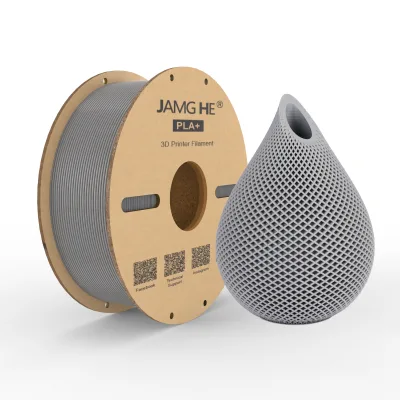
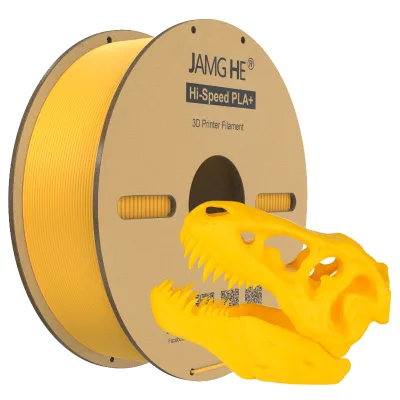
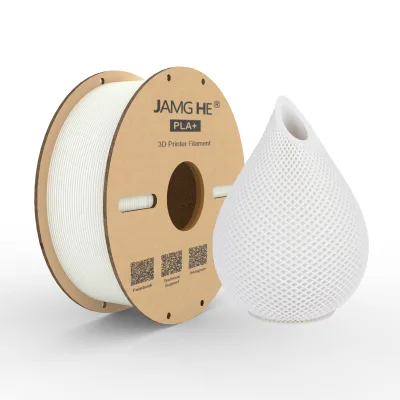


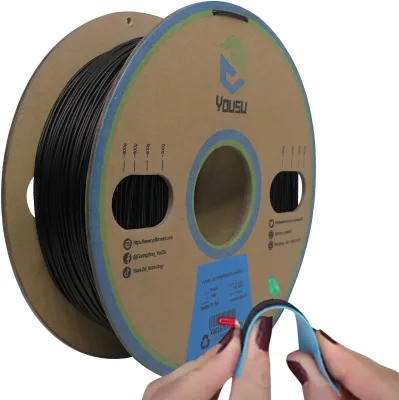


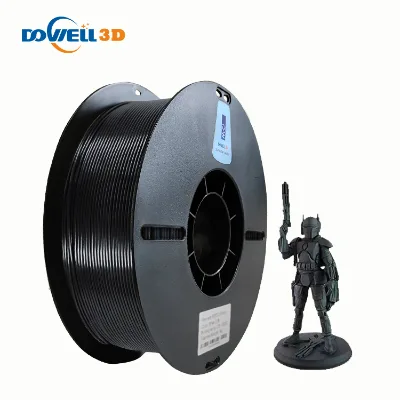
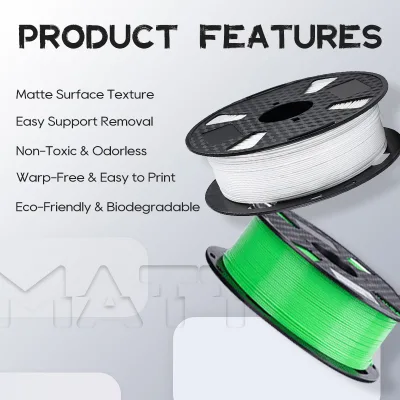
Comprehensive Sourcing Guide
Multi-Color Wood PLA Filament Sourcing Guide
Sourcing multi-color wood PLA filament requires a nuanced understanding of material composition, printing behavior, and supplier capabilities. This guide synthesizes observed market data and technical specifications to help procurement professionals navigate the complexities of acquiring high-quality 3D printing materials. By focusing on verified attributes such as diameter consistency, tensile strength, and thermal properties, buyers can mitigate risks associated with print failures and supply chain disruptions. The following sections provide a structured approach to evaluating suppliers, verifying technical claims, and establishing robust commercial terms for long-term procurement success.
The core keyword "multi-color wood PLA filament" suggests a specialized niche within the broader 3D printing materials market. While the supplied facts highlight standard PLA and ABS filaments with specific diameters and weights, the concept of "multi-color" and "wood" implies a composite or co-extruded material that may not be explicitly detailed in the provided data points. Therefore, this guide emphasizes the need for rigorous verification of material composition and printing parameters. Buyers must distinguish between standard single-color PLA and advanced multi-color or wood-filled variants, ensuring that the supplier’s capabilities align with the specific aesthetic and functional requirements of the end product.
Product Scope and Observed Listing Signals
The observed product listings reveal a diverse range of filament types, primarily focusing on PLA and ABS materials with a standard diameter of 1.75mm. The data indicates a net weight of 1kg per spool, with some listings specifying a 1000g net weight, which is consistent with industry standards for consumer and light industrial 3D printing. The presence of customization options and various colors, including black, red, blue, and CMYK combinations, suggests that suppliers are catering to a broad spectrum of aesthetic needs. However, the explicit mention of "wood" in the core keyword requires careful cross-referencing with the provided facts, as the listed materials are predominantly standard PLA and ABS, with no direct confirmation of wood-fill content in the supplied attributes.
Observed price ranges vary significantly, from $1 to over $21,000, reflecting the disparity between basic commodity filaments and specialized industrial solutions. The minimum order quantity (MOQ) ranges from 1 unit to 300kg, indicating flexibility for both small-scale prototyping and large-scale production runs. Some listings specify an MOQ of 30kg or 66lb, which is typical for bulk industrial purchases. Buyers should note that the "multi-color" aspect may involve complex manufacturing processes, potentially affecting lead times and pricing. The observed data also highlights the importance of verifying the specific type of filament, as standard PLA differs significantly from wood-filled PLA in terms of printing temperature and post-processing requirements.
Technical Specifications to Verify
Verifying the technical specifications of multi-color wood PLA filament is critical to ensuring print quality and dimensional accuracy. The supplied facts indicate a diameter of 1.75mm, with some listings also mentioning 3mm, although 1.75mm is the dominant standard for most FDM printers. Tolerance levels are specified as ±0.02mm or 0.01-0.03mm, which are acceptable ranges for high-precision applications. Buyers must confirm that the filament maintains consistent diameter throughout the spool to prevent extrusion issues and layer adhesion problems. Additionally, the printing temperature range of 180-230℃ is provided for standard PLA, but wood-filled variants may require adjusted temperatures due to the presence of wood fibers, which can affect flow rate and thermal stability.
Other key technical attributes include tensile strength, contraction percentage, and water absorption. The data shows a tensile strength of 30-40MPa for standard PLA, with a contraction percentage of less than 0.4% and water absorption of less than 0.01%. These values are indicative of PLA’s general properties, but wood-filled PLA may exhibit different mechanical characteristics due to the composite nature of the material. Buyers should request specific test data for wood-filled variants, including flexural strength and surface finish quality. The forming technology is listed as FDM, which is standard for filament-based printing, but the "multi-color" aspect may involve co-extrusion or post-printing painting, which should be clarified with the supplier to ensure compatibility with the buyer’s printing equipment.
Compliance and Safety Documentation
Compliance and safety documentation are essential for ensuring that the filament meets regulatory standards and does not pose health risks during printing. The supplied facts mention ISO9001:2000 and ISO 9001/ISO14001/CE certifications, which indicate that the supplier has established quality management and environmental management systems. However, these certifications do not specifically address the safety of wood-filled PLA or multi-color filaments. Buyers should verify that the supplier provides Material Safety Data Sheets (MSDAs) that detail the chemical composition, including any binders or additives used in the wood-fill or colorants. This is particularly important for multi-color filaments, which may contain pigments or dyes that could release volatile organic compounds (VOCs) during printing.
Additionally, buyers should inquire about the source of the wood fibers used in the filament. Sustainable sourcing practices are increasingly important in the 3D printing industry, and suppliers should be able to provide documentation confirming that the wood fibers are sourced from renewable or recycled materials. The presence of CE certification suggests compliance with European safety standards, but buyers should also check for RoHS compliance if the filament is intended for use in electronics or consumer products. The defective rate of less than 0.5% is a positive indicator of quality control, but buyers should also verify the supplier’s process for handling and disposing of defective materials to ensure environmental responsibility.
Cost Drivers and Commercial Terms
Cost drivers for multi-color wood PLA filament include material composition, manufacturing complexity, and order volume. The observed price range of $1 to $21,000 reflects the variability in product types, from basic PLA to specialized industrial filaments. Multi-color and wood-filled filaments typically command a premium due to the additional processing steps required, such as mixing wood fibers with PLA and ensuring consistent color distribution. Buyers should expect higher prices for these specialized materials compared to standard single-color PLA. The MOQ of 30kg or 66lb for bulk orders suggests that suppliers offer volume discounts, which can significantly reduce the per-unit cost for large-scale production runs.
Commercial terms such as lead time and payment terms are also critical factors in the procurement process. The observed delivery time of 7-15 working days is typical for standard orders, but custom or multi-color filaments may require longer lead times due to the complexity of production. Buyers should negotiate clear delivery schedules and penalties for delays to mitigate supply chain risks. Payment terms, such as advance payment or letter of credit, should be aligned with the supplier’s reputation and the buyer’s risk tolerance. The warranty of 1 year mentioned in the facts provides some assurance of product quality, but buyers should clarify the scope of the warranty, including coverage for defects in material or manufacturing.
Supplier Qualification and Quality Control
Supplier qualification is a crucial step in ensuring the reliability and consistency of multi-color wood PLA filament. The supplied facts indicate that suppliers have 15 years of experience and are located in Qingdao and Shenzhen, China, which are major hubs for 3D printing materials. Buyers should verify the supplier’s production capabilities, including the equipment used for filament extrusion and the quality control processes in place. The mention of "custom size accepted" and "cutting" as processing services suggests that suppliers offer flexibility in meeting specific buyer requirements. However, buyers should conduct on-site audits or request third-party quality reports to confirm that the supplier’s quality management systems are robust and effective.
Quality control measures should include regular testing of filament diameter, tensile strength, and thermal properties. The observed tolerance of ±0.02mm is a good benchmark, but buyers should establish their own acceptable ranges based on their printing equipment and application requirements. The supplier’s ability to provide consistent color matching for multi-color filaments is also critical, as variations in color can affect the aesthetic quality of the final product. Buyers should request sample batches for testing before committing to large orders, and establish clear communication channels for addressing any quality issues that arise during production.
Long-Term Procurement Checks
Long-term procurement checks are essential for maintaining a stable supply of multi-color wood PLA filament and ensuring continuous improvement in product quality. Buyers should establish key performance indicators (KPIs) for supplier performance, including on-time delivery, defect rates, and responsiveness to quality issues. Regular reviews of supplier performance should be conducted to identify areas for improvement and to reinforce accountability. The observed defective rate of less than 0.5% is a positive indicator, but buyers should monitor this metric over time to ensure that it remains within acceptable limits.
Additionally, buyers should stay informed about advancements in filament technology and material science. The 3D printing industry is rapidly evolving, with new materials and printing techniques emerging regularly. Buyers should engage with suppliers to discuss potential innovations and improvements in multi-color wood PLA filament, such as enhanced wood fiber integration or more sustainable production methods. By fostering a collaborative relationship with suppliers, buyers can benefit from early access to new products and technologies, ensuring that their procurement strategy remains competitive and aligned with market trends.
FAQs
What is the suitable printer type for this filament?
This filament is suitable for desktop printers. It is designed for FDM forming technology and works with standard 3D printing applications in the crafts industry.
Which diameter sizes are available for this material?
The available diameter sizes are 1.75 mm and 3 mm. These specifications ensure compatibility with various extruder systems used in desktop printing environments.
Can I request custom sizes for this filament?
Yes, customization is available for this product. The standard accepts custom sizes, allowing buyers to tailor the filament to specific project requirements.
What is the minimum order quantity for this item?
The minimum order quantity is 30 Kg. This applies to both PLA and ABS variants, ensuring bulk purchasing for industrial or commercial needs.
How long is the delivery time for this product?
The delivery time is 7 to 15 working days. This lead time applies to orders shipped from the Qingdao or Shenzhen origins depending on the specific supplier.
What certifications does this filament product hold?
The product holds ISO 9001, ISO 14001, CE, and Stmc certifications. These standards ensure quality management and environmental compliance for the manufacturing process.
What is the tensile strength of the PLA material?
The tensile strength ranges from 30 to 40 MPa. This mechanical property indicates the material's ability to withstand pulling forces during 3D printing applications.