Source Multi Color Plastic Watch Toy for Kids, Schools, Events
Find 30 listings for the Multi Color Plastic Watch Toy suitable for educational play, party favors, and promotional gifts. Buyers can compare specifications like age range, material, and MOQ across suppliers in Guangdong, China.
Key considerations
Products List






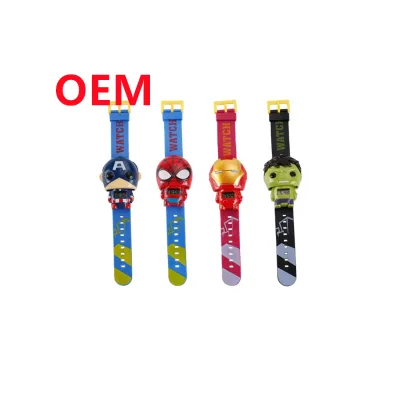

Comprehensive Sourcing Guide
Strategic Sourcing Guide for Multi-Color Plastic Watch Toys
The global market for children's educational and interactive toys continues to expand, with multi-color plastic watch toys representing a significant segment driven by the demand for STEM-focused play and digital literacy tools. For procurement professionals, sourcing these items requires a nuanced understanding of the intersection between mechanical design, electronic safety, and regulatory compliance. This guide provides a disciplined framework for evaluating suppliers and products, relying strictly on verified attributes and industry standards to mitigate risk and ensure value.
Technical Specifications and Material Composition
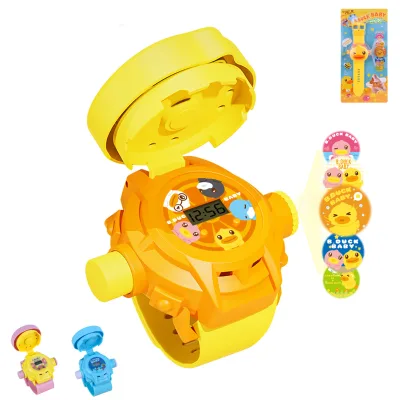
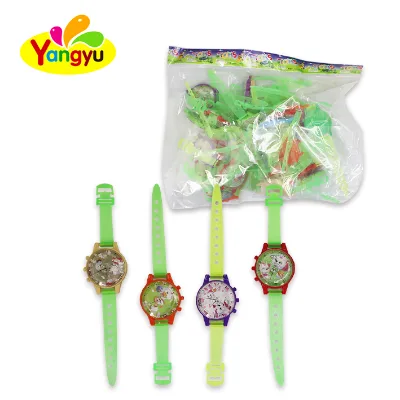
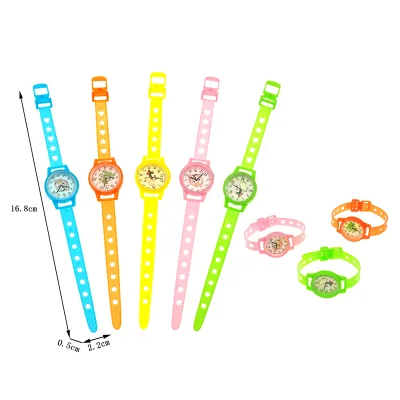
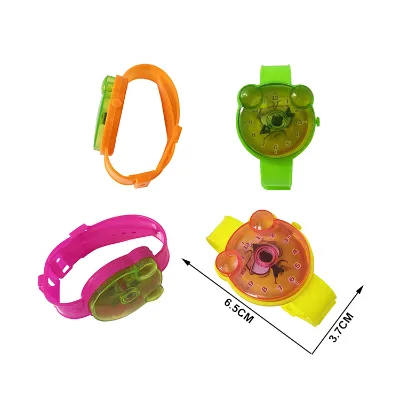
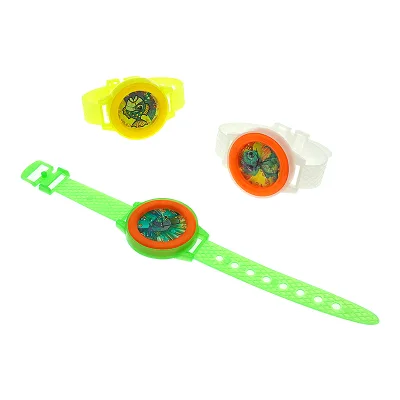
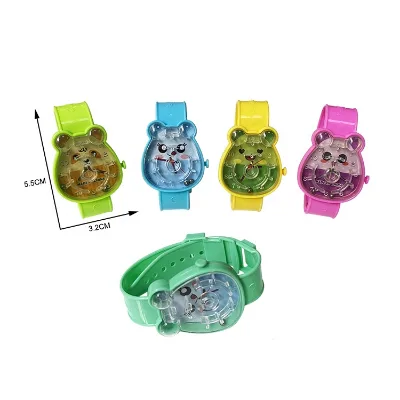
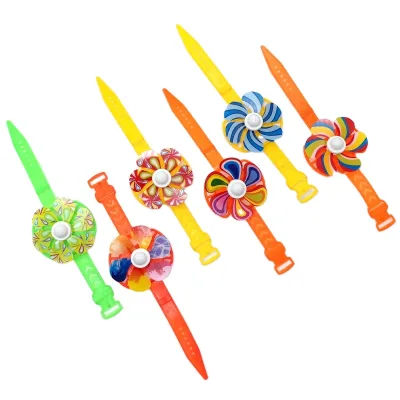
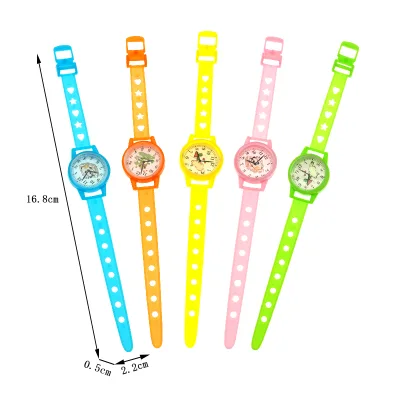
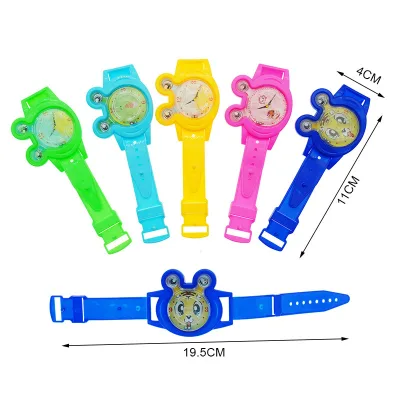
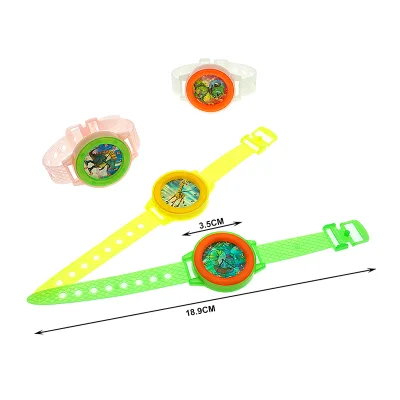
When evaluating multi-color plastic watch toys, the foundational assessment begins with material integrity and functional specifications. The primary construction material for this category is typically high-impact plastic, specifically Acrylonitrile Butadiene Styrene (ABS), which offers the necessary durability to withstand rough handling by children while maintaining a smooth finish for molding. The visual appeal is often achieved through vibrant color palettes, with common offerings including yellow, blue, and pink, or fully customizable colorful designs to match specific branding or thematic requirements.
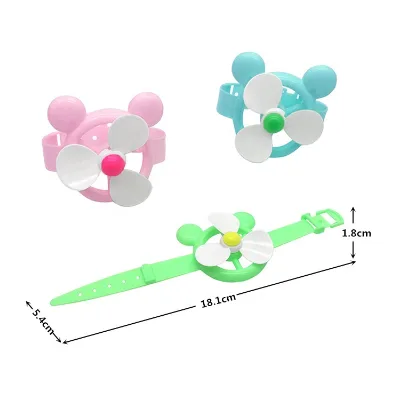
The mechanical and electronic architecture varies significantly between product lines. Some units function as simple projection toys, utilizing a battery compartment to power a light-interactive pattern system that projects images onto surfaces. In these configurations, the power source is a critical specification; verified data indicates the use of 4*AG3/LR41 button cell batteries. Other variants may incorporate more complex functionalities, such as fan mechanisms or projection features that require specific motor integration. The physical dimensions are equally important for logistics and user experience. Standard single package sizes often range around 16x30x5 cm, while the item itself may measure approximately 23x7x4 cm or 18.1x5.4x1.8 cm depending on the specific model number, such as HY942290 or DD4508.
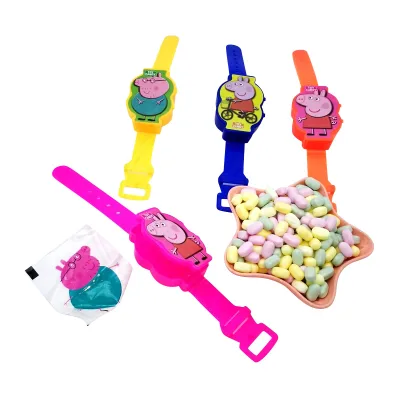
Packaging plays a dual role in protection and marketing. Products are frequently shipped in insert cards for retail display or gift boxes for premium presentation. The gross weight of a single unit is a vital metric for freight calculation, with observed values around 1.0 kg per single package, though net weights can be as low as 0.05 kg for the item itself. Buyers must verify the specific model number and size against their logistics constraints, as discrepancies in these attributes can lead to unexpected shipping costs or storage issues.
Regulatory Compliance and Certification Verification
Safety is the paramount concern in the toy industry, particularly for products intended for younger demographics. The regulatory landscape for plastic toys is stringent, requiring manufacturers to adhere to specific international standards. Verified product attributes indicate that compliant items often carry certifications such as ASTM F963-96a, EN71, and CE. These certifications are not merely marketing claims but represent third-party validation that the product has undergone rigorous testing for mechanical safety, flammability, and chemical composition.
The ASTM F963 standard, widely recognized in North America, covers physical and mechanical hazards, ensuring that small parts do not pose a choking risk and that the toy is structurally sound. Similarly, the EN71 standard, prevalent in the European Union, addresses a broader range of safety aspects, including migration of certain elements. The CE marking indicates conformity with health, safety, and environmental protection standards for products sold within the European Economic Area.
Buyers must exercise caution when interpreting certification claims. While some product listings explicitly state compliance with these standards, others may only reference them as background knowledge. It is the procurement professional's responsibility to request valid, up-to-date test reports from the supplier rather than accepting the certification status at face value. The shelf life of such products is typically around 12 months, which implies that the electronic components and plastic materials must remain stable and functional within this window. Any deviation from these standards or a lack of verifiable documentation should be treated as a critical red flag during the supplier evaluation process.
Cost Drivers and Pricing Dynamics
The pricing structure for multi-color plastic watch toys is influenced by a complex matrix of factors, including material costs, electronic component integration, and order volume. The observed price range in the market spans from $0.01 to $28.80, a variance that reflects the difference between basic plastic models and those with advanced interactive features like projection or lighting. This wide range underscores the importance of defining clear specifications before requesting quotes.
A primary cost driver is the Minimum Order Quantity (MOQ). Suppliers often operate on a tiered pricing model where the unit cost decreases as the order volume increases. For existing designs, the MOQ might be as low as 3 cartons, facilitating entry for smaller buyers. However, for customized orders or specific model numbers like AC001, the MOQ can escalate significantly, reaching up to 5000 pieces or even 300,000 pieces for large-scale production runs. This disparity means that buyers must carefully balance their inventory needs against the per-unit cost to optimize their capital expenditure.
Additional cost factors include the complexity of the mold design, the type of battery included, and the packaging requirements. Customization options, such as OEM branding or specific color schemes, often incur additional tooling fees and higher per-unit costs. Payment terms also play a role in the financial planning of a procurement cycle; standard terms may require a 30% deposit followed by a 70% balance upon completion, which affects cash flow management. Buyers should analyze the total landed cost, including freight and duties, rather than focusing solely on the FOB price, to ensure accurate budgeting.
Typical Applications and Target Demographics
Understanding the intended application and target audience is essential for selecting the right product variant. Multi-color plastic watch toys are designed for a broad age spectrum, ranging from toddlers to teenagers. Specific product attributes list age ranges such as 2-3 years, 4-6 years, 7-9 years, and up to 14 years and older. This wide demographic spread suggests that the product category includes items with varying levels of complexity and safety requirements.
For the younger demographic (2-4 years), the focus is on sensory engagement and simple interaction, often utilizing bright colors and basic projection features. As the age group increases to 5-7 years and 8-13 years, the toys often incorporate educational elements, serving as tools for learning and cognitive development. The "Education & Learning" function is a key attribute for many models, positioning these watches as STEM toys that introduce concepts of time, patterns, and basic mechanics. For the 14 years and up category, the toys may serve as fashion accessories or novelty items with more sophisticated features.
The gender classification is typically unisex, allowing for broad market appeal. The style is often categorized as "Cartoon Toys" or "Educational Toy," aligning with current trends in child development. Whether used as a standalone gift, a promotional item, or part of a larger educational curriculum, the versatility of these products makes them a staple in the children's toy sector. Buyers should align their product selection with the specific developmental stage of their target market to ensure relevance and safety.
Supplier Evaluation and Operational Capabilities
Selecting the right supplier requires a thorough vetting process that goes beyond the initial product listing. Key operational capabilities to assess include the supplier's location, production capacity, and flexibility regarding customization. The majority of verified suppliers for this product category are located in Guangdong, China, a region known for its robust manufacturing ecosystem and supply chain efficiency. This location advantage often translates to competitive pricing and faster lead times, with some suppliers offering delivery times as short as 3-7 days for ready-to-ship items.
OEM (Original Equipment Manufacturer) capabilities are a significant differentiator among suppliers. Many manufacturers welcome OEM orders, allowing buyers to customize the product design, branding, and packaging to meet specific market needs. The ability to customize is often listed as "Available," but buyers must verify the extent of this customization, including the feasibility of altering the model number, color, or functional features. The "Item Design" is often listed as "As picture," which implies that the baseline design is fixed, but customization options may exist for additional fees.
Financial stability and payment terms are also critical evaluation criteria. Suppliers may require a 30% deposit and 70% balance, which is standard for B2B transactions. Buyers should ensure that the supplier has a clear track record of meeting delivery deadlines and maintaining quality consistency. The ability to handle large MOQs, such as 300,000 pieces, indicates a high level of production capacity, while smaller MOQs suggest flexibility for niche markets. A comprehensive supplier evaluation should include a review of their quality control processes, response time to inquiries, and willingness to provide samples for pre-production testing.
Quality Control and Long-Term Procurement Strategy
Implementing a robust quality control (QC) strategy is essential for mitigating risks associated with mass production. Given the electronic components involved, such as batteries and light-interactive patterns, functional testing is mandatory. Buyers should insist on pre-shipment inspections that verify the battery installation, the functionality of the projection or fan mechanisms, and the structural integrity of the plastic casing. The use of ABS plastic is a positive indicator, but the quality of the molding process must be verified to ensure there are no sharp edges or flash that could injure a child.
Long-term procurement considerations involve building a sustainable relationship with suppliers that can adapt to changing market demands. This includes establishing clear communication channels for order tracking, managing inventory levels to avoid stockouts, and planning for seasonal demand fluctuations. The shelf life of 12 months necessitates careful inventory management to prevent products from expiring or degrading before sale. Furthermore, buyers should stay informed about evolving regulatory standards, such as updates to ASTM F963 or EN71, to ensure ongoing compliance.
Developing a diversified supplier base can also reduce risk. Relying on a single source for a high-volume product like multi-color plastic watch toys can be precarious; having alternative suppliers with similar capabilities ensures continuity of supply in case of disruptions. Finally, maintaining detailed records of all transactions, certifications, and quality reports will facilitate smoother audits and future negotiations. By adhering to these disciplined sourcing practices, buyers can secure high-quality products that meet safety standards and deliver value to their end customers.
FAQs
What certifications do these toys have?
Verified products carry ASTM F963-96a, EN71, and CE certifications. These standards confirm compliance with safety requirements for mechanical hazards and chemical composition, ensuring the toys are safe for children in North America and Europe.
How much is the minimum order quantity?
The minimum order quantity varies by design, starting at 3 cartons for existing models. Customized orders or specific model numbers may require a higher volume, such as 5000 pieces, depending on the supplier's production capacity and customization needs.
Where are these toys manufactured?
These toys are manufactured in Guangdong, China. This region is a major hub for toy production, offering efficient supply chains and competitive pricing for international buyers seeking plastic watch toys with verified specifications and certifications.
What materials are used in construction?
The primary material is high-impact ABS plastic, which ensures durability and a smooth finish. Some variants may use PP plastic, and the products are designed to withstand rough handling while maintaining vibrant colors like yellow, blue, and pink.
Can I request OEM customization?
Yes, OEM orders are welcome for many suppliers. Buyers can customize branding, colors, and packaging, though the item design is often based on existing pictures. Customization may affect the minimum order quantity and unit pricing significantly.
What is the delivery time for orders?
Delivery times can be as short as 3 to 7 days for ready-to-ship items. Lead times may vary based on order volume, customization requirements, and the specific supplier's production schedule, so confirming this detail before ordering is essential.
Which age groups are these toys suitable for?
These toys are suitable for a wide age range, from 2 to 3 years up to 14 years and older. Specific models target groups like 5 to 7 years or 8 to 13 years, often featuring educational functions to support learning and development.