Source Multi-Colored Plastic Black Chocolate Bean for Retail, Gifting, and Snacking
Find and compare 30 listings for Multi-Colored Plastic Black Chocolate Bean options suitable for retail packaging, corporate gifting, and daily snacking. Review specifications including certifications like BRC and ISO, packaging materials, and MOQs to identify the best fit for your supply chain needs.
Key considerations
Products List


Customized New Product Multi-Fruit Flavor Chocolate Bean Sweets Jelly Candy
$2.78 - $3.37
MOQ: 10000 kg


Chocolate Coated Marshmallow Beans Chocolate Beans with Cotton Candy Filling
$18.00 - $21.00
MOQ: 800 Boxes


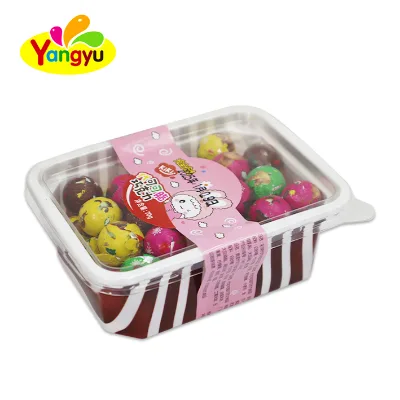


Chocolate Bean Wholesale High Quality Triangle Bag Colorful Crispy Chocolate Bean
$27.34 - $27.90
MOQ: 500 Boxes

Cheap Factory Price Colourful Microphone Shape Chocolate Bean with Hard Candy
$20.44 - $20.86
MOQ: 500 Boxes
Comprehensive Sourcing Guide
Multi-Colored Plastic Black Chocolate Bean Sourcing Guide
Sourcing multi-colored chocolate beans requires a nuanced understanding of how packaging materials, visual appeal, and regulatory compliance intersect in the global confectionery market. Buyers often encounter listings that describe "plastic" packaging alongside chocolate products, which can create confusion regarding whether the plastic refers to the bean’s coating, the inner wrapper, or the outer shipping container. In this context, the term "plastic" typically refers to the packaging material rather than the chocolate itself, as chocolate is a food product composed of cocoa solids, sugar, and fats. The "multi-colored" attribute highlights the visual variety intended to attract consumers, particularly children and adults seeking novelty or gift-oriented products. Meanwhile, "black chocolate" usually denotes dark chocolate with a higher cocoa content, though in some listing contexts, it may refer to the color of the packaging or a specific flavor profile. Understanding these distinctions is critical for ensuring that the product received matches the intended use case, whether for retail display, private labeling, or direct consumption.
The procurement process for these items involves navigating a wide range of supplier capabilities, from small-scale customizers to large-volume manufacturers. Buyers must distinguish between products that are ready-to-ship and those that require significant customization, such as OEM branding or specific packaging configurations. The observed market data indicates a broad spectrum of product models, from small retail packs to bulk industrial cartons, each with distinct weight, volume, and handling requirements. Furthermore, the presence of certifications like BRC, ISO, FDA, and HACCP suggests that many suppliers adhere to international food safety standards, but buyers must verify that these certifications apply specifically to the product variant they intend to purchase. This guide provides a structured approach to evaluating suppliers, verifying technical specifications, and managing commercial risks associated with importing multi-colored chocolate beans.
Product Scope and Observed Listing Signals
The product scope for multi-colored chocolate beans encompasses a variety of forms, including solid candies, chocolate-covered beans, and specialized blends that may include nuts or other additional ingredients. Listings often specify the product type as "Candy" or "Chocolate," indicating that the core item is a confectionery product designed for direct consumption. The "multi-colored" aspect is a key visual differentiator, with products described as having various hues to appeal to diverse consumer preferences. Some listings explicitly mention "Triangle Bag Chocolate Bean" or similar packaging formats, suggesting that the beans are often sold in individual serving sizes or small retail packs. The "black chocolate" descriptor may refer to the use of dark chocolate as a base, which offers a richer flavor profile compared to milk chocolate, or it may indicate the color of the outer shell or packaging. Buyers should carefully review product descriptions to determine the exact composition and intended market positioning of the product.
Observed listing signals reveal a significant variation in packaging and storage requirements, which directly impacts logistics and shelf-life management. Many products are packaged in plastic bags, cartons, or boxes, with some listings specifying "Soft Plastic" or "Can" as the primary packaging material. The storage method is generally listed as "Normal" or "Room Temperature," though some products recommend refrigeration to maintain quality, especially in warmer climates. The shelf life for these products is typically greater than 12 months, providing buyers with ample time for distribution and retail placement. However, the presence of "Nut" as an additional ingredient in some listings introduces allergen considerations that must be clearly communicated to end consumers. Buyers must also note that the "plastic" mentioned in some contexts refers to the packaging material, not the chocolate itself, and should verify the food-grade status of any plastic components in contact with the product.
Technical Specifications to Verify
Technical specifications for multi-colored chocolate beans vary widely depending on the supplier and product model, with buyers needing to verify key attributes such as weight, dimensions, and packaging configuration. Common specifications include weights ranging from 5g to 1kg per unit, with bulk cartons containing multiple bags or pieces. For example, some products are packaged as 5g12pcs24bags12barrels per carton, while others may be 300g24bags per carton. The "prod_model" field in supplier listings, such as YX-CHO00627 or CW-01-30-1, serves as a unique identifier for each product variant, allowing buyers to track specific formulations and packaging styles. Buyers should request detailed specification sheets for each model to confirm the exact weight, piece count, and carton dimensions, as these factors directly influence shipping costs and storage requirements.
Packaging materials and configurations are critical technical considerations, as they affect product protection, shelf life, and consumer appeal. Listings indicate the use of plastic, soft plastic, and carton materials, with some products featuring "Triangle Bag" or "CTN" packaging. The "prod_packing" field often specifies whether the product is packed in boxes, cartons, or individual bags, which impacts handling and display options. Buyers should verify the material composition of the packaging to ensure it is food-grade and suitable for the product’s storage conditions. Additionally, the "standard" field may provide information on the product’s size or weight, such as 12g or 1kg/bag, which helps buyers calculate the total quantity and value of their order. It is essential to confirm that the packaging is robust enough to prevent damage during transit and that it maintains the product’s quality over its shelf life.
Compliance and Safety Documentation
Compliance and safety documentation are paramount when sourcing chocolate products, as they ensure that the goods meet international food safety standards and regulatory requirements. Many suppliers list certifications such as BRC, ISO, FDA, HACCP, and Halal, which indicate adherence to rigorous quality and safety protocols. BRC (British Retail Consortium) certification is particularly important for buyers targeting European and global retail markets, as it is widely recognized for its stringent food safety standards. ISO certification, often ISO 22000 for food safety management, demonstrates a supplier’s commitment to systematic quality control. FDA registration is crucial for products intended for the US market, ensuring that the facility meets US food safety regulations. Buyers must verify that these certifications are current and applicable to the specific product model they are purchasing.
Halal certification is another critical compliance factor, especially for buyers targeting Muslim-majority markets or consumers who prefer Halal-certified products. This certification ensures that the product is prepared in accordance with Islamic dietary laws, including the source of ingredients and the manufacturing process. HACCP (Hazard Analysis and Critical Control Points) certification indicates that the supplier has implemented a systematic approach to identifying and controlling food safety hazards. Buyers should request copies of these certificates and verify their validity with the issuing bodies. Additionally, buyers should inquire about allergen management practices, especially if the product contains nuts or other common allergens, to ensure that cross-contamination is prevented during production. Clear labeling of allergens and ingredients is essential for consumer safety and regulatory compliance.
Cost Drivers and Commercial Terms
Cost drivers for multi-colored chocolate beans include raw material prices, packaging complexity, customization requirements, and order volume. The price range observed in listings varies significantly, from low-cost bulk items to premium customized products, reflecting differences in quality, branding, and packaging. Raw material costs, particularly for cocoa, sugar, and nuts, can fluctuate based on global market conditions, impacting the final price. Packaging complexity, such as the use of multi-layered plastic bags or custom-printed cartons, can also increase costs. Customization options, including OEM branding and private labeling, often require additional setup fees and minimum order quantities (MOQs). Buyers should negotiate pricing based on their expected order volume and seek discounts for larger commitments.
Commercial terms, including MOQ, lead times, and payment conditions, are critical factors in the procurement process. The observed MOQ range is broad, from 1 unit to 200,000 units, with some products requiring a minimum of 500 cartons. Buyers must align their order size with the supplier’s MOQ to avoid excessive costs or stockouts. Lead times can vary depending on the product’s complexity and the supplier’s production schedule, so buyers should confirm delivery timelines before placing orders. Payment terms, such as T/T (Telegraphic Transfer) or L/C (Letter of Credit), should be negotiated to balance risk and cash flow. Buyers should also consider Incoterms, such as FOB (Free on Board) or CIF (Cost, Insurance, and Freight), to determine who is responsible for shipping and insurance costs. Clear communication of these terms is essential to avoid disputes and ensure smooth transactions.
Supplier Qualification and Quality Control
Supplier qualification is a critical step in ensuring the reliability and quality of multi-colored chocolate bean products. Buyers should conduct thorough due diligence on potential suppliers, including verifying their business licenses, production facilities, and quality management systems. Site visits or third-party audits can provide valuable insights into the supplier’s manufacturing processes, hygiene standards, and capacity. Buyers should also review the supplier’s track record, including customer testimonials and case studies, to assess their reputation and reliability. It is important to select suppliers who have a proven history of producing high-quality chocolate products and who adhere to international food safety standards.
Quality control measures should be implemented throughout the production and shipping process to ensure that the products meet the buyer’s specifications. Buyers should establish clear quality standards, including criteria for color, taste, texture, and packaging integrity. Regular inspections, such as pre-production, during-production, and pre-shipment inspections, can help identify and address potential issues early. Buyers should also request samples of the final product to verify that it meets their expectations before placing large orders. Additionally, buyers should implement a robust testing protocol for allergens, contaminants, and shelf-life stability to ensure product safety and quality. Clear communication of quality expectations and regular feedback to the supplier are essential for maintaining consistent product quality.
Long-Term Procurement Checks
Long-term procurement checks are essential for maintaining a stable and reliable supply chain for multi-colored chocolate beans. Buyers should establish regular review cycles to assess supplier performance, including metrics such as on-time delivery, product quality, and responsiveness to issues. Continuous monitoring of market trends, raw material prices, and regulatory changes can help buyers anticipate potential disruptions and adjust their strategies accordingly. Buyers should also maintain open communication with their suppliers to foster a collaborative relationship and address any concerns promptly. Regular audits and performance evaluations can help identify areas for improvement and ensure that the supplier continues to meet the buyer’s standards.
Building a diversified supplier base can mitigate risks associated with single-source dependencies, such as production delays or quality issues. Buyers should consider working with multiple suppliers to ensure continuity of supply and to leverage competitive pricing. Additionally, buyers should invest in relationship management to strengthen partnerships with key suppliers, which can lead to better terms, priority production, and access to new product innovations. Long-term contracts with clear performance clauses can provide stability and predictability for both parties. By implementing these long-term procurement checks, buyers can ensure a resilient and efficient supply chain that supports their business goals and customer satisfaction.
FAQs
What certifications do the chocolate bean suppliers hold?
Suppliers hold BRC, ISO, FDA, HACCP, and Halal certifications. These standards ensure safety and quality compliance for international trade. Some listings also mention ISO and FDA specifically for specific product models like YX-CHO00627.
Can I request custom packaging for these chocolate beans?
Yes, customization is available for these products. Buyers can choose from various packaging types including cans, boxes, cartons, or soft plastic bags. The standard packing often involves cartons containing multiple bags or trays depending on the model.
What is the minimum order quantity for these items?
The minimum order quantity is typically 500 cartons. However, observed ranges vary from 1 to 200,000 units depending on the specific supplier and product configuration. Buyers should verify the exact MOQ for their selected model.
How long is the shelf life of the chocolate beans?
The shelf life exceeds 12 months for these products. Storage should be maintained at room temperature or in a refrigerated environment to preserve quality. Proper storage ensures the product remains safe for consumption throughout its duration.
Which specifications are available for the chocolate bean models?
Available specifications include weights like 12g, 5g, 0.5kg, and 1kg per unit. Packaging formats vary from 24 bags per carton to 24 trays per carton. Specific models like YX-CHO041 and CW-01-30-1 have defined standard weights.
Where are these chocolate bean products manufactured?
Products originate from China, with specific manufacturing locations in Guangdong. This origin applies to the majority of listed items including models like YX-CHO00627 and CH-BC104. Buyers should confirm the exact factory location during sourcing.