Source Multi-Country Coin Selector for Slot Machines, Gaming, and Arcade Parts
Find and compare 30 multi-country coin selector options for slot machines, gaming machines, and arcade parts. Evaluate specifications like interfaces, power sources, and customization to identify the right hardware for your business needs.
Key considerations
Products List
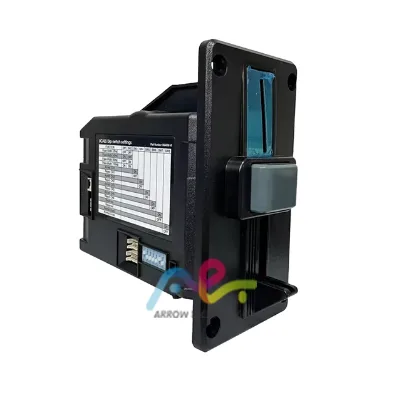
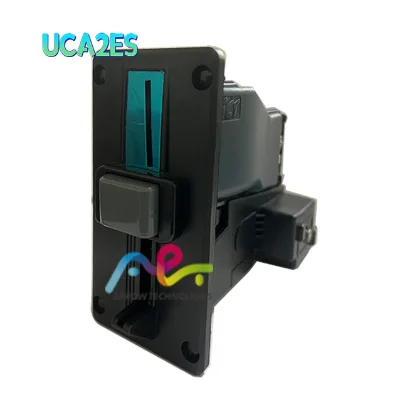
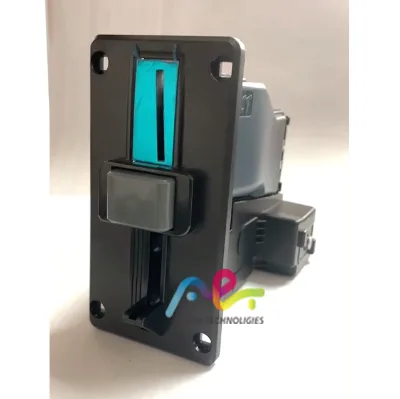
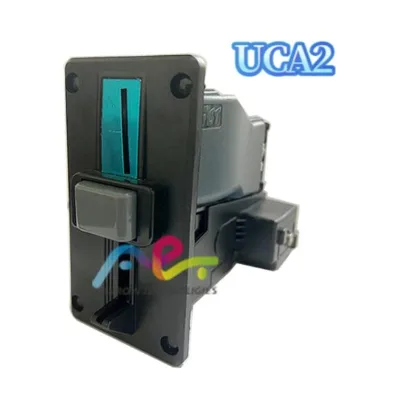
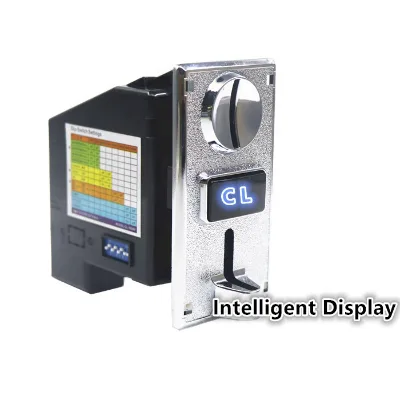
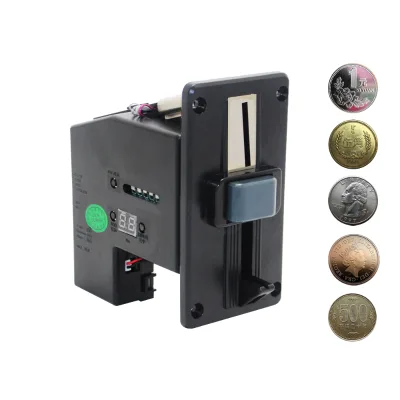
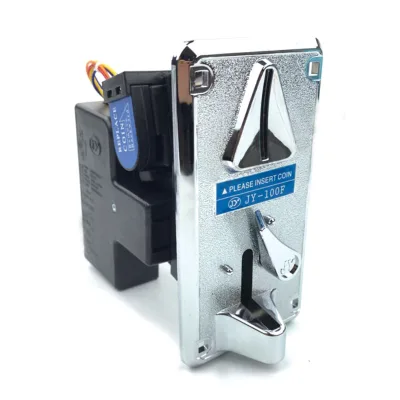
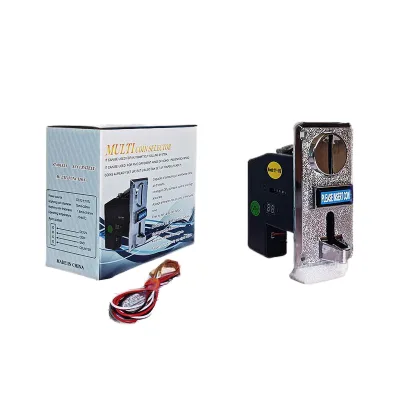
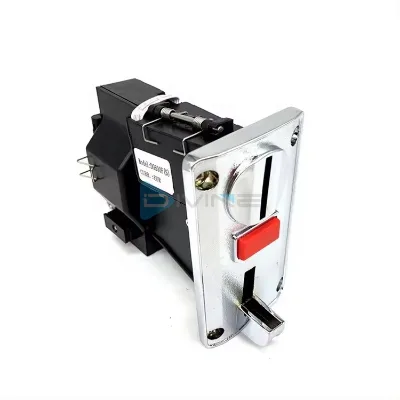
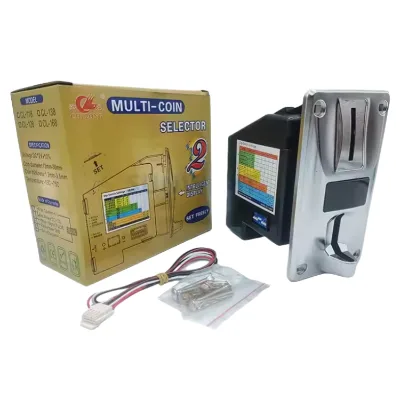
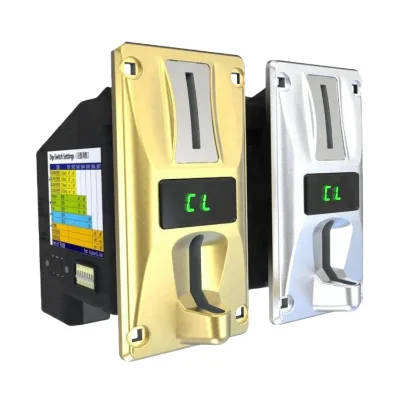
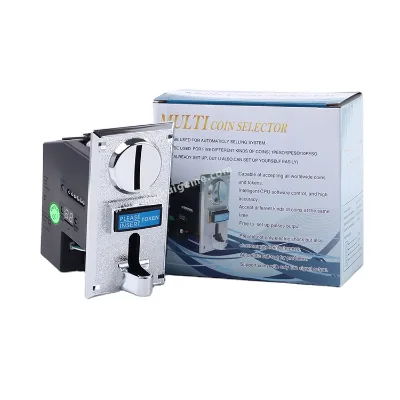
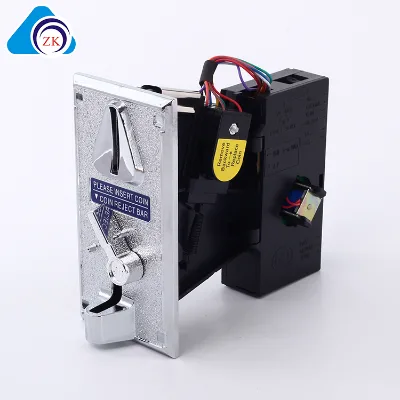
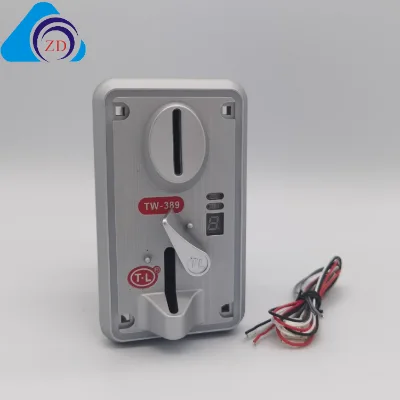
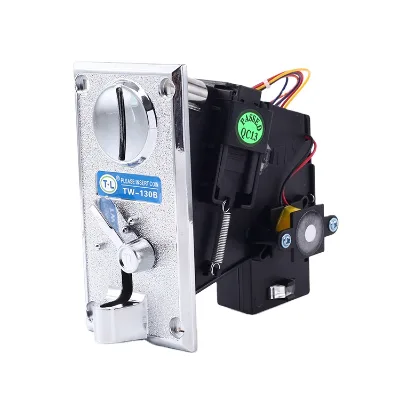
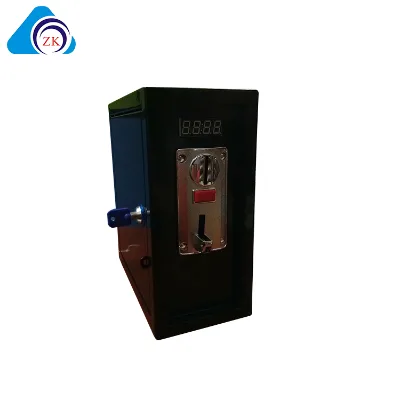
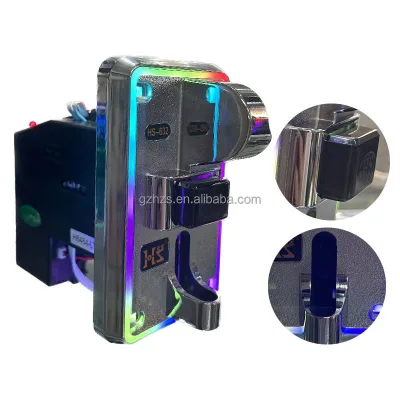
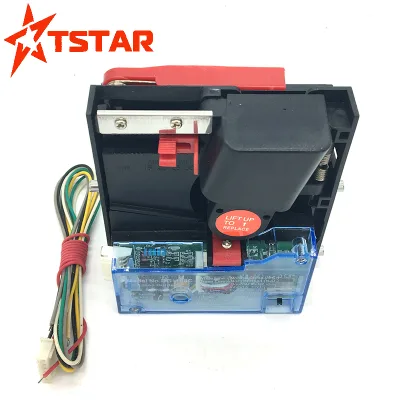
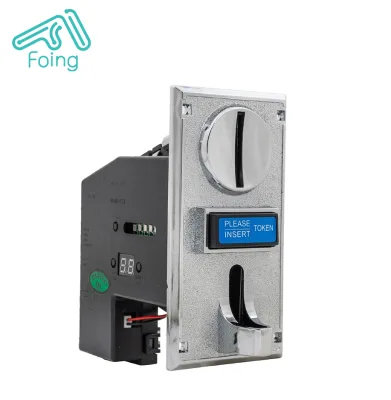
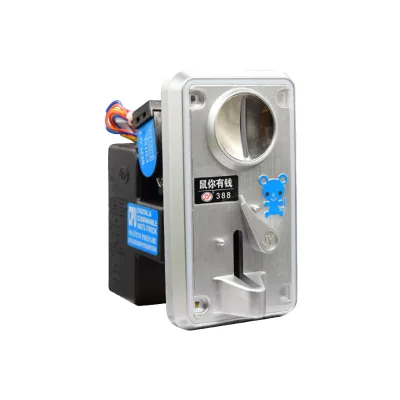
Coin Selector, Multi Coin Selector,electronic Coin Selector for Vending Machine
$11.00 - $15.00
MOQ: 10 pieces
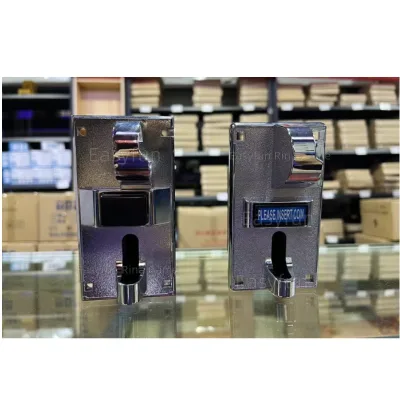
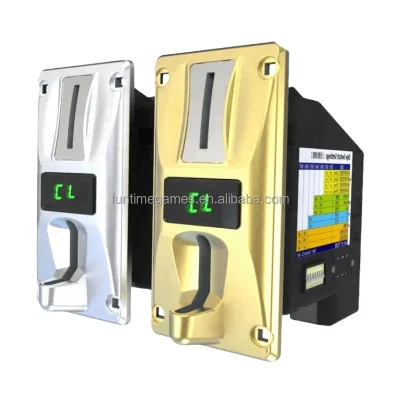
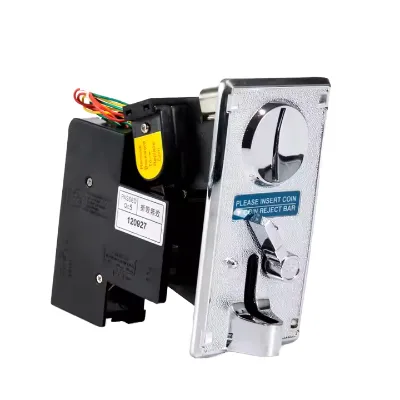


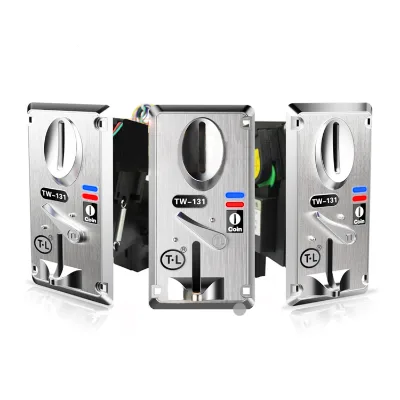
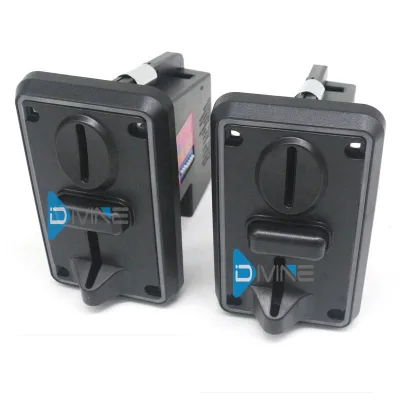
Comprehensive Sourcing Guide
Multi-Country Coin Selector Sourcing Guide
Procuring coin selector mechanisms for international arcade and gaming environments requires a precise understanding of the specific hardware variations available in the global market. The core challenge lies in identifying components that can reliably process diverse currency denominations while maintaining the mechanical integrity required for high-traffic commercial applications. Buyers must distinguish between single-currency acceptors and multi-currency systems designed to handle the specific physical tolerances of coins from different nations, ensuring that the selected unit integrates seamlessly with existing slot machines or gaming cabinets.
The sourcing landscape for these components is characterized by a mix of specialized arcade parts and general-purpose coin handling devices, often originating from manufacturing hubs in regions with established electronics assembly capabilities. While some listings highlight specific model numbers like UCA2ES or CL-168, the broader category includes generic coin acceptors and multi-coin selectors that serve as critical accessories for game machines. Successful procurement depends on verifying that the observed product attributes, such as interface types and power requirements, align with the technical architecture of the target gaming equipment before finalizing any purchase order.
Product Scope and Observed Listing Signals
The observed market signals indicate a diverse range of coin handling products, from dedicated coin pusher units to standalone coin acceptors designed for integration into larger arcade systems. Listings frequently specify the primary application as slot machines or gaming machines, with some products explicitly labeled as "Multi Coins" or "Coin Acceptor" to denote their ability to process various denominations. Buyers should note that product types vary significantly, with some units functioning as complete game machines while others are strictly components intended for installation within existing hardware, necessitating a clear distinction between the two categories during the selection process.
Listing details often reveal critical operational parameters, such as the power source requirements and physical dimensions, which are essential for determining compatibility with existing cabinet designs. For instance, observed specifications include power inputs of 12 VDC and dimensions ranging from compact acceptors to larger units measuring 64124148mm, alongside weight variations that impact shipping and installation logistics. The presence of specific interface options like Pulse, RS232, and CCTALK suggests that these devices are engineered to communicate with various control systems, but buyers must verify that the specific interface protocols match the controller architecture of their target gaming platform to avoid integration failures.
Technical Specifications to Verify
Technical verification begins with confirming the power and interface compatibility, as the supplied data highlights a standard reliance on 12 VDC power sources and specific communication protocols. Buyers must ensure that the selected coin selector supports the required interface types, such as RS232 or CCTALK, which are critical for data transmission between the coin mechanism and the game's mainboard. Additionally, the physical form factor, including dimensions and weight, must be validated against the available space within the gaming cabinet to prevent installation issues, as observed single package sizes can vary from 16X0.8X17.6 cm to larger configurations depending on the specific model.
Material composition and durability features are equally critical, with observed listings specifying metal or metal/plastic construction to withstand the mechanical stress of coin insertion and validation. The anti-fake capability of the device is a key performance indicator, with some products boasting excellent capabilities to prevent the acceptance of counterfeit currency, a vital feature for maintaining revenue integrity in commercial settings. Furthermore, the operational environment must be considered, as these units are typically designed for indoor applications and may require specific environmental protections if deployed in areas with higher humidity or dust levels, necessitating a review of the manufacturer's environmental ratings.
Compliance and Safety Documentation
While specific certification data is not universally present in the provided listings, buyers must prioritize the verification of safety and electrical compliance documentation before deploying coin selectors in commercial environments. The absence of explicit certification claims in the source data means that procurement teams cannot assume a product meets international safety standards without direct confirmation from the supplier. It is essential to request evidence of compliance with relevant electrical safety standards, such as those governing low-voltage DC devices, to ensure that the 12 VDC power systems do not pose a risk to users or the gaming equipment they are installed in.
Documentation regarding the product's warranty and after-sales support is a crucial component of the compliance and risk management strategy. Observed listings indicate a standard one-year warranty period and the availability of video technical support and online assistance, which are vital for troubleshooting installation or operational issues. Buyers should verify the scope of these support services to ensure they cover the specific technical challenges associated with multi-currency handling, as the complexity of validating different coin types may require specialized assistance that goes beyond basic troubleshooting.
Cost Drivers and Commercial Terms
The commercial landscape for coin selectors is influenced by factors such as the Minimum Order Quantity (MOQ), which varies significantly across different product listings. Observed MOQ ranges span from as low as 2 pieces to 10 pieces, with some listings indicating a standard MOQ of 10 pcs, while others may have different thresholds based on customization or specific model availability. Buyers must carefully evaluate these thresholds against their inventory needs, as ordering below the MOQ may not be feasible, while ordering significantly above it could tie up capital in stock that may not be immediately required for deployment.
Pricing and packaging structures also play a significant role in the total cost of ownership, with observed price ranges extending from $0.95 to $4000 depending on the complexity and functionality of the unit. Packaging details, such as the inclusion of bubble bags and cartons, or specific carton quantities like 30 or 50 pieces per carton, affect shipping costs and handling efficiency. Additionally, the availability of customization options, indicated by some listings offering "Yes" for customized products, can introduce variable costs that must be factored into the budget, particularly if the buyer requires specific branding or interface modifications to match their existing gaming infrastructure.
Supplier Qualification and Quality Control
Supplier qualification should focus on verifying the origin and manufacturing capabilities of the components, with observed data pointing to Guangdong, China, as a primary place of origin for these products. Buyers must assess the supplier's ability to maintain consistent quality standards, particularly regarding the mechanical precision required for coin validation and the reliability of the electronic interfaces. The presence of specific model numbers and brand names in the listings suggests a level of standardization, but buyers should still conduct due diligence to ensure that the supplier has a track record of delivering products that meet the specified technical requirements without deviation.
Quality control measures should include a rigorous inspection of the physical attributes and functional performance of the received units. Given the critical nature of coin acceptance in gaming machines, buyers should implement a sampling plan to test the anti-fake capabilities and the accuracy of coin validation across different denominations. The observation of specific weight tolerances, such as 350±10g, provides a baseline for quality checks, but buyers should also verify that the packaging and shipping methods, such as express delivery options, ensure that the units arrive in pristine condition without damage that could compromise their functionality.
Long-Term Procurement Checks
Sustaining a reliable supply chain for coin selectors requires establishing clear protocols for long-term quality assurance and performance monitoring. Buyers should implement a system for tracking the failure rates and maintenance needs of the installed units, as the mechanical nature of coin acceptors means they are subject to wear and tear over time. The availability of after-sales support, including video technical support and online assistance, should be leveraged to address any recurring issues promptly, ensuring that the gaming machines remain operational and revenue-generating with minimal downtime.
Future procurement decisions should be informed by the evolving needs of the gaming market, including changes in currency standards and the introduction of new coin denominations. Buyers must remain vigilant regarding the compatibility of their coin selectors with new currency types, as the "Multi Coins" capability observed in some listings may need to be expanded or updated to accommodate new market requirements. Regular reviews of the supplier's product portfolio and the availability of updated models will help ensure that the procurement strategy remains aligned with the technological advancements and regulatory changes affecting the arcade and gaming industry.
FAQs
What is the power requirement for the coin pusher?
The device operates on 12 VDC power source. It requires a stable 12V DC input to function correctly within slot and gaming machines.
Can I get customized versions of this coin selector?
Some models like the CL-168 allow for customization, while others such as the UCA2ES are not customized. Buyers must check specific model attributes before ordering.
What is the minimum order quantity for these items?
Minimum order quantities vary by product, ranging from 2 pieces to 10 pieces. Specific models have distinct MOQs that must be verified during sourcing.
Where are these gaming machine parts manufactured?
The products originate from Guangdong, China. This location is the primary place of origin for the listed coin pushers and acceptors.
How long is the warranty period for the coin pusher?
The standard warranty period is 1 year for the UCA2ES model. Buyers should confirm warranty terms for other specific product types before purchase.
What interfaces are supported by the coin acceptor?
The device supports Pulse, RS232, and CCTALK interfaces. These connections allow integration with various arcade game machine systems and controllers.
What is the weight of the single coin pusher unit?
The UCA2ES model weighs 350±10g, while other units may weigh up to 1.5 kg. Weight varies based on the specific model and material composition.