Source Multi-cylinder Diesel Piezo Injector Nozzle for Cars, Trucks, and Generators
Compare 20 Multi-cylinder Diesel Piezo Injector Nozzle options from verified Chinese suppliers. Buyers can review specifications, certifications, and pricing for applications in Audi, Benz, and BMW vehicles.
Key considerations
Products List


Diesel Piezo Injector Nozzle F00vx20054, for Injector 0445116019, FIAT / I Veco
$22.00 - $23.50
MOQ: 4 Pieces


Diesel Piezo Injector Nozzle F00vx20017, for Injector 0445115032/033, Benz
$22.00 - $23.50
MOQ: 4 Pieces


Diesel Piezo Injector Nozzle F00vx30041, for Injector 0445116024 / 986435394, BMW
$22.00 - $23.50
MOQ: 4 Pieces


Piezo Injector Nozzle F00vx20024 for Fuel Injector 0445115049/0986435402
$26.00 - $27.00
MOQ: 6 Pieces


Common Rail Diesel Piezo Nozzle F00vx20018 for Piezo Injector 0445115043
$26.00 - $27.00
MOQ: 6 Pieces
Comprehensive Sourcing Guide
Multi-cylinder Diesel Piezo Injector Nozzle Sourcing Guide
Sourcing high-precision fuel injection components requires a rigorous understanding of both the mechanical specifications and the commercial realities of the global supply chain. The multi-cylinder diesel piezo injector nozzle represents a critical interface in modern engine management systems, where precision directly correlates with combustion efficiency, emissions compliance, and engine longevity. Buyers must navigate a market characterized by a wide variance in component origins, certification levels, and technical configurations. This guide provides a structured approach to evaluating suppliers, verifying technical attributes, and mitigating procurement risks associated with these sensitive automotive parts.
The procurement process for such specialized components is not merely a transactional exercise but a strategic alignment of technical requirements with supplier capabilities. Given the complexity of piezo-electric actuation mechanisms and the tight tolerances required for nozzle geometry, buyers must prioritize verification over convenience. The following sections detail the essential steps for validating product scope, confirming technical specifications, ensuring regulatory compliance, analyzing cost structures, qualifying suppliers, and establishing long-term quality assurance protocols.
Product Scope and Observed Listing Signals
The current market landscape for multi-cylinder diesel injector nozzles exhibits significant variability in product attributes and listing signals. Observed data indicates a price range between $5.9 and $36.9 USD, reflecting differences in material quality, brand origin, and included certifications. Minimum Order Quantities (MOQs) typically range from 1 to 6 pieces, suggesting that many suppliers cater to both small-scale repair operations and larger fleet maintenance contracts. Buyers should interpret these signals as indicators of market fragmentation, where pricing does not always correlate linearly with performance or durability.
Listing descriptions often include specific model codes and compatibility indicators that serve as primary verification points. Common identifiers observed in the market include part numbers such as 0445120298, 0445116053, and F00VX series codes like F00VX50081 and F00VX10044. These codes are critical for matching the nozzle to specific engine architectures, particularly those associated with major automotive brands like Audi, Benz, and BMW. Procurement teams must cross-reference these alphanumeric codes with original equipment manufacturer (OEM) databases to ensure compatibility before initiating any purchase order.
Technical Specifications to Verify
Technical verification begins with confirming the fundamental operational parameters of the injector nozzle. Key attributes to validate include the stroke type, which is predominantly listed as 4 Stroke for the applicable diesel engines, and the cylinder configuration, which must match the engine’s multi-cylinder design. The fuel type is strictly Diesel, and the nozzle must be compatible with the specific fuel pressure and flow requirements of the target engine. Buyers should also verify the carburettor type, with Horizontal Draught being a noted configuration in some listings, although this is less common in modern common rail systems.
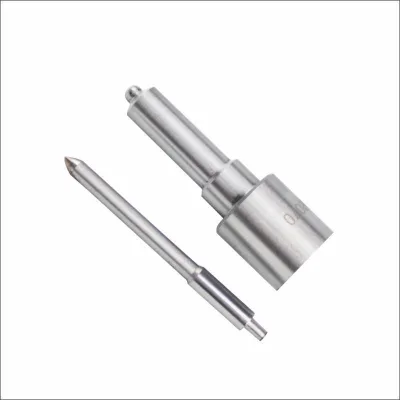
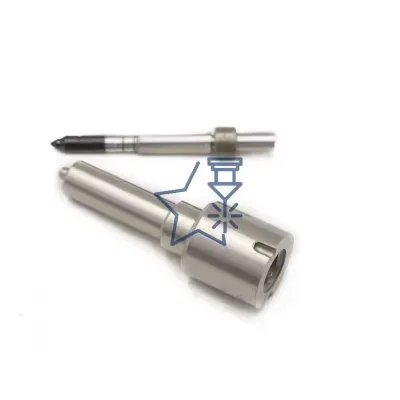
Material composition and physical dimensions are equally critical for ensuring durability and fitment. The body material is frequently cited as Steel, while the nozzle tip itself may be constructed from High Speed Steel to withstand extreme thermal and mechanical stress. Physical specifications, such as packing dimensions of 1.9cm x 1.9cm x 7cm, provide insight into the component’s size and handling requirements. Additionally, the weight of individual units, often around 0.03kg, should be accounted for in logistics planning. Buyers must ensure that the specific model code, such as G4S090 or F00VX20017, aligns with the mechanical interface of their existing fuel injection system.
Compliance and Safety Documentation
Regulatory compliance is a non-negotiable aspect of sourcing automotive components, particularly those involved in fuel delivery. Buyers must request and verify all relevant certifications before finalizing any contract. Common certifications observed in the market include ISO, CE, CCC, COP, E-Mark, and RoHS. These documents indicate that the manufacturer adheres to specific quality management, environmental, and safety standards. The presence of multiple certifications, such as ISOCE or TSComponent:Auto Nozzle, suggests a higher level of regulatory adherence, but buyers should always request copies of the actual certificates for validation.
Beyond certifications, buyers should inquire about the testing protocols employed by the supplier. While specific test results are not always listed, the presence of standards like 1pc/pkg: 1.9cm x 1.9cm x 7cm may imply standardized packaging and handling procedures that contribute to product integrity. Buyers should also verify the origin of the components, with China being a common source, and assess whether the supplier provides traceability documentation. This includes batch numbers, manufacturing dates, and material certificates, which are essential for quality control and recall management in the event of a defect.
Cost Drivers and Commercial Terms
Understanding the cost structure of multi-cylinder diesel injector nozzles is essential for effective budgeting and negotiation. The observed price range of $5.9 to $36.9 USD is influenced by several factors, including the complexity of the piezo-electric mechanism, the quality of the steel used, and the level of certification provided. Buyers should recognize that lower prices may correlate with reduced durability or limited warranty coverage, while higher prices often reflect stricter quality control and better after-sales support. It is crucial to evaluate the total cost of ownership, including shipping, duties, and potential replacement costs, rather than focusing solely on the unit price.
Commercial terms, such as Minimum Order Quantities (MOQ) and lead times, also play a significant role in procurement planning. MOQs ranging from 1 to 6 pieces offer flexibility for small orders, but bulk purchases may yield better pricing. Lead times, typically observed between 7 and 15 work days, should be factored into inventory management strategies. Buyers should also clarify the packing methods, which may include standard cartons, boxes, or custom packaging as requested. Clear communication regarding payment terms, shipping responsibilities, and return policies is essential to avoid disputes and ensure a smooth transaction process.
Supplier Qualification and Quality Control
Supplier qualification is the cornerstone of a successful procurement strategy for high-precision automotive components. Buyers should conduct thorough due diligence on potential suppliers, verifying their business licenses, manufacturing capabilities, and quality management systems. The presence of certifications such as ISO and TSComponent:Auto Nozzle is a positive indicator, but buyers should also assess the supplier’s track record, customer reviews, and history of compliance. It is advisable to request samples for testing before committing to large orders, allowing for a practical evaluation of the product’s performance and fitment.
Quality control measures should be explicitly defined in the procurement agreement. Buyers should inquire about the supplier’s inspection processes, including incoming material checks, in-process monitoring, and final product testing. The ability to provide detailed documentation, such as material certificates and test reports, is a strong indicator of a supplier’s commitment to quality. Additionally, buyers should establish clear criteria for defect rates and return policies, ensuring that they have recourse in the event of receiving non-conforming products. Regular audits and performance reviews can help maintain high standards and foster a reliable supply chain.
Long-Term Procurement Checks
Establishing long-term procurement checks is vital for maintaining consistency and reliability in the supply of multi-cylinder diesel injector nozzles. Buyers should implement a periodic review process to assess supplier performance, including metrics such as on-time delivery, product quality, and responsiveness to issues. This ongoing evaluation helps identify potential risks early and allows for proactive management of the supply chain. Buyers should also stay informed about industry trends, technological advancements, and regulatory changes that may impact the availability or specification of these components.
Continuous improvement and relationship building are key to a sustainable procurement strategy. Buyers should maintain open communication with their suppliers, providing feedback on product performance and discussing potential improvements. This collaborative approach can lead to better pricing, improved quality, and more flexible terms over time. Additionally, buyers should diversify their supplier base to mitigate risks associated with single-source dependencies. By regularly updating their supplier qualification criteria and staying engaged with the market, buyers can ensure a resilient and efficient procurement process for critical automotive components.
FAQs
What certifications do the diesel injectors hold?
The injectors hold multiple certifications including ISO, CCC, COP, E-Mark, and RoHS. These standards ensure compliance with international safety and environmental regulations for automotive nozzle components used in various vehicle brands.
Which car brands are these injectors suitable for?
These injectors are suitable for major brands such as Audi, Benz, and BMW. They are designed as common rail nozzles compatible with specific part numbers like F00VX50081 and 0445120298 for precise engine performance.
Can I request custom packaging for these products?
Yes, customization is available for packaging requirements. Standard options include carton or box packing, but suppliers can accommodate other packing requests to meet specific logistical or branding needs for bulk orders.
What is the typical lead time for delivery?
The estimated delivery time ranges from 7 to 15 work days. This timeline applies to standard orders and may vary based on the specific supplier location and current production capacity for the requested model.
How much is the minimum order quantity required?
The minimum order quantity is typically 6 pieces per order. Some listings may show lower MOQs, but the standard requirement for these specific diesel piezo injector nozzles is set at 6 PCS to ensure viable production runs.
What material is used for the injector body?
The injector body is constructed from high-quality steel materials. This ensures durability and resistance to high pressure and temperature conditions typical in diesel engine fuel injection systems for reliable long-term operation.