Source Multi-Function English Urdu Quran Reader for Learning, Study, and Recitation
Compare 30 Multi-Function English Urdu Quran Reader models featuring touch control, remote operation, and app support. These devices offer built-in memory, multiple reciters, and rechargeable power for Islamic learning and reading applications.
Key considerations
Products List

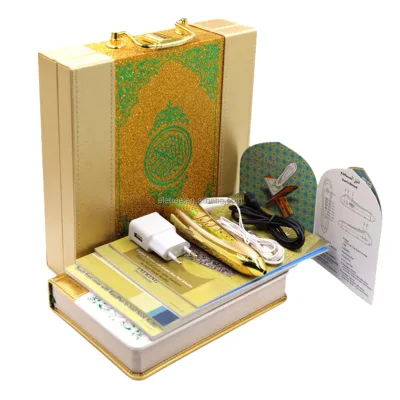
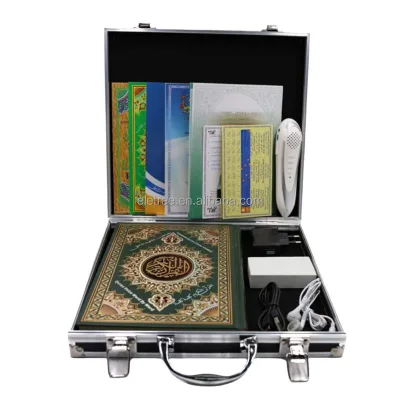
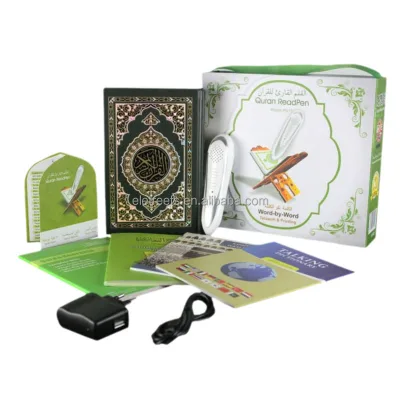


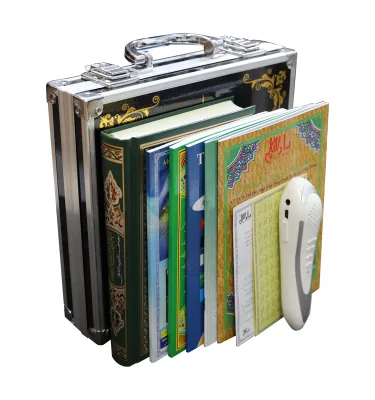



OEM 6'' Ebook Reader E-Ink Support WiFi 32 GB Storage Slim Design E-Reader
$49.00 - $55.00
MOQ: 1 Pieces


Comprehensive Sourcing Guide
Multi-Function English Urdu Quran Reader Sourcing Guide
Sourcing electronic devices designed for religious education requires a careful balance between technical functionality, cultural sensitivity, and commercial viability. The multi-function English Urdu Quran reader represents a niche but growing segment within the broader Islamic consumer electronics market. These devices are engineered to facilitate the study, recitation, and memorization of the Quran, often integrating digital tools with traditional religious practices. Buyers in this sector must navigate a supply chain that is heavily concentrated in specific manufacturing hubs, primarily in Guangdong, China, where the infrastructure for plastic and metal electronics assembly is mature. Understanding the specific capabilities of these devices, such as multi-language support and wireless connectivity, is essential for aligning product offerings with the expectations of Muslim believers who seek both convenience and authenticity in their learning tools.
The procurement process for these items involves evaluating a wide range of product attributes, from built-in memory capacity to control methods like touch, app, and remote control interfaces. Suppliers often offer OEM branding options, allowing retailers to customize the product for their specific market positioning. However, the diversity in specifications means that buyers cannot assume uniformity across all listings. It is critical to distinguish between basic reading pens and more complex speakers or lamps that integrate Quranic content. This guide provides a structured approach to evaluating these products, focusing on the technical verification, compliance requirements, and commercial terms that define a successful sourcing strategy for multi-function English Urdu Quran readers.
Product Scope and Observed Listing Signals
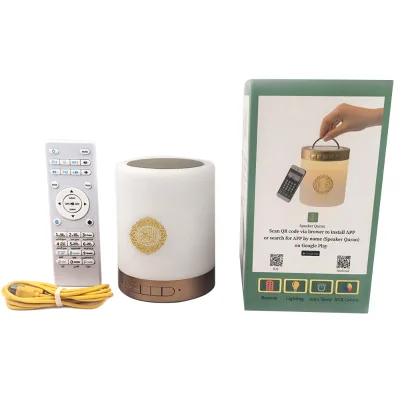
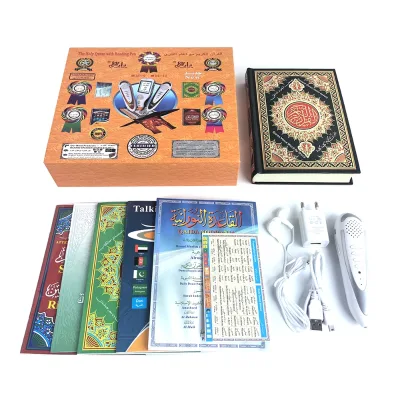
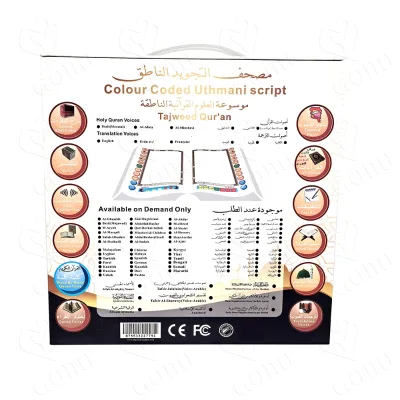
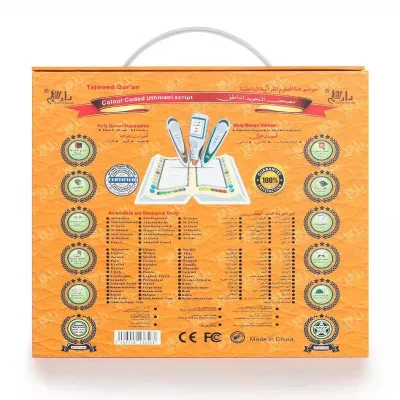
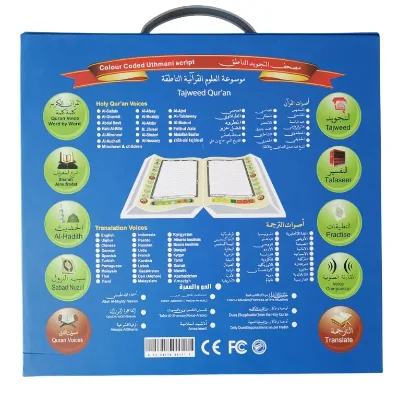
The current market for multi-function Quran readers includes a variety of form factors, ranging from handheld reading pens to integrated touch lamps and speakers. Observed listings indicate a product count of approximately 30 distinct items, with prices ranging from $1.50 to $409.99 USD. This wide price variance reflects differences in material quality, feature sets, and packaging. For instance, basic reading pens may focus solely on text synchronization and audio playback, while higher-end units might include LED multi-color lighting, wireless connectivity, and app integration. Buyers should note that the term "multi-function" can be ambiguous; some devices support FM radio and MP3 playback, while others are dedicated strictly to Quranic recitation and learning. Understanding these distinctions is vital for selecting the right product for your target audience.
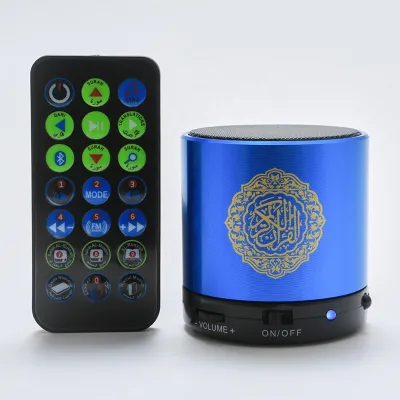
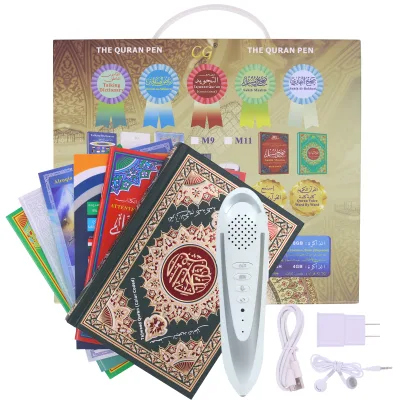
Key attributes observed in the market include support for multiple languages, with English and Urdu being prominent options alongside others. Many devices feature built-in microphones, rechargeable batteries, and significant internal storage, such as 8GB memory, to hold extensive audio libraries. Control methods vary, with some units offering touch control, button control, and remote control capabilities, while others rely on app control via Bluetooth. The materials used are typically a combination of plastic and metal, ensuring durability while keeping costs manageable. Additionally, accessories such as USB chargers, earphones, and remote controllers are commonly included, enhancing the user experience. Buyers must carefully review these specifications to ensure they match the functional requirements of their customers, particularly regarding language support and connectivity options.
Technical Specifications to Verify
When evaluating technical specifications, buyers must prioritize the accuracy and completeness of the Quranic content. Devices should support a wide range of reciters, with some listings indicating support for 26 or more famous reciters. It is crucial to verify that the audio files are high-quality and correctly synchronized with the text, especially for bilingual devices that switch between English and Urdu. The model numbers, such as SQ-112 and M9-C1, can serve as identifiers for specific feature sets, but buyers should not rely solely on these codes. Instead, they should request detailed datasheets that confirm the supported languages, reciter options, and playback formats. Additionally, the presence of features like TF card support, Bluetooth connectivity, and app integration should be verified to ensure seamless user interaction.
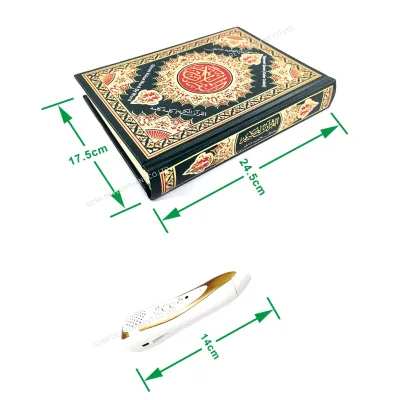
Memory and power specifications are also critical technical considerations. Most observed devices come with 8GB of built-in memory, which is sufficient for storing a large library of recitations. However, buyers should confirm whether the memory is expandable via TF cards or if it is fixed. The power source is typically a rechargeable battery, and the charging method is usually USB. It is important to verify the battery capacity and charging time to ensure adequate usage between charges. Furthermore, the control methods, including touch, remote, and app controls, should be tested for responsiveness and ease of use. Buyers should also check the single product size and weight, as these factors impact shipping costs and user portability. For example, some devices are compact reading pens, while others are larger speakers or lamps, each with different dimensional requirements.
Compliance and Safety Documentation
Compliance with international safety and electromagnetic compatibility standards is non-negotiable for electronic devices sold in global markets. Buyers must ensure that suppliers provide relevant certification documents, such as CE, FCC, or RoHS, depending on the target destination. Although specific certification statuses are not listed in the observed data, it is the buyer’s responsibility to verify that the products meet the regulatory requirements of their country. This includes checking for proper labeling, user manuals in the target language, and safety warnings. Additionally, buyers should inquire about the testing procedures used by the supplier to ensure product reliability and safety. This is particularly important for devices with rechargeable batteries, which must comply with strict safety standards to prevent overheating or leakage.
Warranty and support terms are also part of the compliance and risk management framework. Observed listings indicate warranty periods ranging from one year to five years, with some suppliers offering extended support. Buyers should clearly define the warranty terms in their purchase agreements, including the process for returns, repairs, and replacements. It is also important to verify the supplier’s after-sales support capabilities, such as the availability of spare parts and technical assistance. For devices with app integration, buyers should ensure that the software is regularly updated and compatible with current mobile operating systems. This helps to maintain the functionality and security of the device over its lifecycle. By prioritizing compliance and support, buyers can mitigate risks and enhance customer satisfaction.
Cost Drivers and Commercial Terms
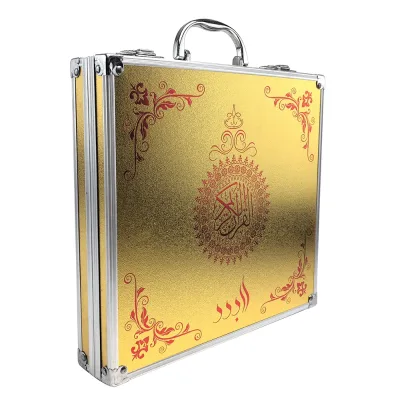
The cost of multi-function Quran readers is influenced by several factors, including materials, features, and packaging. The use of plastic and metal components, along with electronic parts like speakers and microphones, contributes to the base cost. Advanced features such as app control, Bluetooth connectivity, and multi-color LED lighting can increase the price. Packaging also plays a significant role, with options ranging from simple cardboard boxes to premium gift boxes. Buyers should analyze the cost structure to identify areas where they can negotiate or optimize. For instance, choosing a simpler packaging option or reducing the number of accessories can lower the unit cost. However, buyers must balance cost savings with the perceived value of the product, as premium packaging and accessories can enhance marketability.
Minimum Order Quantities (MOQs) and payment terms are critical commercial considerations. Observed MOQs range from 1 to 3000 units, with some suppliers requiring orders in multiples of 12 or 20. Buyers should negotiate MOQs that align with their inventory management strategy and cash flow. Payment terms, such as deposits and balance payments, should be clearly defined to protect both parties. Additionally, buyers should consider the shipping costs and lead times, which can vary based on the order size and destination. For example, the gross weight per batch can range from 16.2 kg to 21.0 kg, impacting freight charges. By understanding these cost drivers and commercial terms, buyers can make informed decisions that optimize their procurement strategy and maximize profitability.
Supplier Qualification and Quality Control
Supplier qualification is a crucial step in ensuring the reliability and consistency of the products. Buyers should verify the supplier’s business license, manufacturing capabilities, and quality control processes. Since many suppliers are located in Guangdong, China, buyers can leverage the region’s expertise in electronics manufacturing. However, it is important to conduct due diligence to ensure that the supplier has a proven track record of producing high-quality devices. This includes checking for private mold capabilities, which can indicate a supplier’s ability to customize products. Buyers should also request samples to evaluate the product’s build quality, functionality, and user interface. This hands-on assessment helps to identify any potential issues before placing a large order.
Quality control measures should be implemented throughout the production process. Buyers should establish clear quality standards and inspection criteria, covering aspects such as audio clarity, battery performance, and material durability. Regular audits and inspections can help to ensure that the products meet these standards. Additionally, buyers should verify the supplier’s ability to handle defects and returns efficiently. This includes having a clear process for identifying and resolving quality issues. By prioritizing supplier qualification and quality control, buyers can minimize the risk of receiving substandard products and maintain a positive reputation in the market. This proactive approach helps to build trust with customers and ensures long-term business success.
Long-Term Procurement Checks
Long-term procurement success depends on continuous monitoring and adaptation to market changes. Buyers should regularly review product performance and customer feedback to identify areas for improvement. This includes assessing the durability of the devices, the accuracy of the Quranic content, and the ease of use of the control interfaces. Feedback from users can provide valuable insights into potential enhancements, such as additional language support or improved battery life. Buyers should also stay informed about technological advancements in the Islamic electronics sector, such as new app features or connectivity options. By staying ahead of these trends, buyers can ensure that their product offerings remain competitive and relevant.
Relationship management with suppliers is also key to long-term success. Buyers should maintain open communication with their suppliers to discuss future product developments, pricing adjustments, and supply chain improvements. This collaborative approach can lead to better terms, faster lead times, and access to new innovations. Additionally, buyers should diversify their supplier base to mitigate risks associated with single-source dependencies. By building strong, long-term relationships with multiple suppliers, buyers can ensure a stable and flexible supply chain. This strategic approach helps to navigate market fluctuations and maintain a consistent supply of high-quality multi-function English Urdu Quran readers.
FAQs
How does the Quran speaker connect to devices?
The device supports wireless connection via Bluetooth and app control. It also features a remote control and touch control methods for easy operation during Quran learning sessions.
What memory capacity does the Quran reader have?
This product includes a built-in memory size of 8 GB. This storage allows users to save multiple recitations and languages for offline Quran study without needing external cards.
Which languages are supported on this device?
The system supports multi-language functionality with options for 26 reciters and more. Users can select specific languages to facilitate Islamic learning and reading across different regions.
Can the product be customized with a private mold?
Yes, the manufacturer offers private mold customization for this product. This allows buyers to request specific branding or design changes while maintaining the core functionality of the Quran speaker.
What is the warranty period for this Quran reader?
The product comes with a one-year warranty plus ten years of support. Some variants offer one year plus five years of support depending on the specific model configuration selected.
How is the product packaged for shipping?
Items are packed in a gift box measuring 16 x 11 x 19 cm. The batch package size varies, with some configurations measuring 58 x 42 x 37 cm for bulk shipping.
What materials are used to build this speaker?
The device is constructed from plastic and metal materials. This combination ensures durability while keeping the single product size compact at 9.5 cm by 12 cm.