Source Multi Function High Pressure Cooker with Steamer for Restaurants, Catering, and Home Cooking
Compare 30 listings for the Multi Function High Pressure Cooker with Steamer featuring electric power sources, stainless steel construction, and touch controls. Buyers can evaluate models ranging from 900W to 1800W with working pressures up to 70kPa for various cooking applications.
Key considerations
Products List


Multi Cooker with Touch Control for Electric Pressure Cooking Convenience
$16.50 - $18.00
MOQ: 1000 Pieces


Stainless Steel Electric Pressure Cooker with Multi Cooking Functions
$20.00 - $23.00
MOQ: 1000 Pieces

Touch-Controlled Multi Cooker: Electric Pressure Cooker for Quick Meals
$16.50 - $18.00
MOQ: 1000 Pieces

Electric Pressure Cooker 6 Qt Stainless Steel Multi Cooker Multi-Function Cooker
$16.50 - $18.00
MOQ: 1000 Pieces

Stainless Steel Electric Multi Cooker for Efficient Cooking and Steaming
$16.50 - $18.00
MOQ: 1000 Pieces
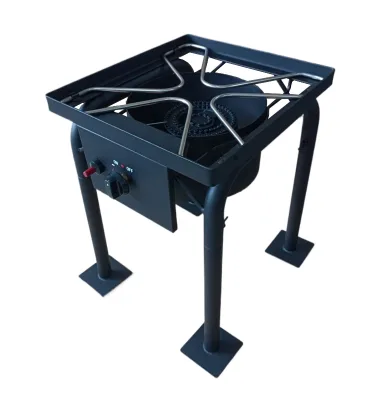


High Efficiency Electric Gas Steam Pressure Cooker Automatic Pressure Cooking Pot Hot Sale
$3600.00 - $15000.00
MOQ: 1 Pieces

Electric Gas Steam Heating Automatic Control Pressure Cooker Industrial Pressure Pot Machine
$3600.00 - $15000.00
MOQ: 1 Pieces


Large Industrial Steam Stainless Steel Pressure Cooker 200-600 Liters
$6300.00 - $9900.00
MOQ: 1 Pieces


Comprehensive Sourcing Guide
Strategic Sourcing Guide for Multi-Function High Pressure Cookers with Steamers
Understanding Product Variability and Core Specifications
When sourcing a multi-function high-pressure cooker with a steamer, buyers must first recognize that the market offers a wide spectrum of equipment ranging from compact domestic units to heavy-duty industrial processing vessels. The term "multi-function" often implies a combination of pressure cooking, steaming, and sometimes slow cooking or sautéing capabilities, yet the underlying engineering varies significantly based on the intended application. In the current supply landscape, observed product models such as the WY-500 and A35 demonstrate distinct design philosophies. The WY-500, for instance, is characterized by a working pressure range of 0-70kpa and utilizes a non-sticking removable aluminum pot, suggesting a focus on ease of cleaning and moderate pressure applications suitable for food service or smaller batch processing. Conversely, other models like the A35 feature a more robust stainless steel construction with a non-stick pot, indicating a shift toward durability and higher thermal retention.
The power source is a critical differentiator that dictates installation requirements. While many units operate on electric power sources, the specific voltage and wattage requirements must be verified against the buyer's facility infrastructure. Data indicates that standard configurations may support 110V or 220V inputs with power ratings varying from 900W to 1800W. A unit with 1800W power consumption, for example, will demand a dedicated circuit and higher amperage capacity compared to a 900W model. Furthermore, the physical dimensions are substantial; specific observed models list a height of 419mm, a width of 438mm, and a depth of 408mm, with a total weight of 12kg. These metrics are essential for logistics planning and kitchen layout design. Buyers should also note the bowl diameter, which can reach 350mm in certain configurations, directly influencing the volume of food that can be processed in a single cycle.
Technical Architecture and Material Composition
The material composition of a high-pressure cooker is paramount for food safety, thermal efficiency, and longevity. The housing material is frequently cited as 410# Stainless Steel, a grade that offers a balance of magnetic properties and corrosion resistance suitable for commercial environments. However, the inner pot material presents a more nuanced choice. Some units feature an inner pot made of stainless steel, while others utilize a removable aluminum pot with a non-stick coating. The aluminum construction provides excellent thermal conductivity, allowing for rapid heating and even temperature distribution, which is beneficial for steaming functions. The non-stick coating facilitates easier food release and reduces the need for excessive cleaning agents, though it requires careful handling to prevent scratching.
The structural design also varies between horizontal and vertical orientations. The "Horizontal Type" structure is often associated with larger capacity vessels, such as those designed for industrial heating equipment, where the pressure vessel lies on its side to maximize floor space utilization or to accommodate specific loading mechanisms. In contrast, vertical units are more common for standard countertop or floor-standing applications. The control interface is another technical aspect to consider; modern units often employ digital controls with touch interfaces, allowing for precise management of pressure, temperature, and timer settings. The presence of a timer function is a standard feature in many models, enabling automated cooking cycles that reduce the need for constant monitoring.
| Feature Category | Observation A (WY-500 Style) | Observation B (A35 Style) | Observation C (Industrial Style) |
|---|---|---|---|
| Inner Pot Material | Non-Sticking Removable Aluminum | Stainless Steel & Non-Stick Pot | Stainless Steel |
| Housing Material | 410# Stainless Steel | Stainless Steel | Steel |
| Working Pressure | 0-70kpa | 0 to 70kpa | Variable (Verify) |
| Power Source | Electric | Electric | Electric / Propane Gas |
| Control Type | Touch | Digital | Manual / Digital |
| Standard Voltage | 110V OR 220V | 110V OR 220V | 230V / 1 Phase |
| Weight | Not Specified | 12kg | Not Specified |
Compliance, Certification, and Safety Standards
Navigating the compliance landscape for high-pressure equipment requires rigorous attention to certification and safety standards. High-pressure cookers operate under pressure, which introduces inherent risks if the vessel is not manufactured to strict specifications. Buyers should verify that the supplier provides valid certification documents. In the observed market data, certifications such as ISO and CE are frequently mentioned. The CE marking indicates conformity with health, safety, and environmental protection standards for products sold within the European Economic Area, while ISO certification suggests adherence to international quality management standards. It is crucial to distinguish between general certifications and specific pressure vessel certifications, which may be required depending on the local jurisdiction of the buyer.
The standard operating parameters, such as voltage and power, must align with the electrical standards of the destination country. For example, a unit listed with a standard of "110V OR 220V 900W" implies flexibility, but the specific plug type and frequency (50Hz vs. 60Hz) must be confirmed. Additionally, the working pressure limit of 0-70kpa is a specific operational parameter that must be respected. Exceeding this pressure can lead to catastrophic failure. Buyers should also check for safety features such as pressure release valves and locking mechanisms, which are often integrated into the design but may not be explicitly detailed in basic product listings. The packaging contents, which typically include a pressure cooker, power cord, measuring cup, and plastic spoon, should be inspected to ensure all necessary components for safe operation are present.
Cost Drivers and Procurement Economics
The cost of sourcing a multi-function high-pressure cooker is influenced by several variables, including material quality, capacity, and the level of automation. The observed price range in the market spans from approximately $7.13 to $47,000, a disparity that reflects the difference between small-scale commercial units and large industrial processing systems. The lower end of the spectrum likely corresponds to smaller, single-unit devices with basic features, while the higher end encompasses large-scale, automated systems with advanced controls and higher capacity. The Minimum Order Quantity (MOQ) also plays a significant role in the total cost of ownership. MOQs can range from a single unit to 4,000 units, meaning that buyers purchasing in bulk may negotiate better per-unit pricing, while those requiring a single unit for immediate deployment may face higher individual costs.
Customization is a key factor that can drive up costs but also add value. Many suppliers offer customization options, allowing buyers to specify dimensions, voltage, or specific material grades. The "Customized" attribute is available in the market, suggesting that buyers can tailor the equipment to their specific production lines. However, customization often extends lead times and increases the unit price. The packaging method, whether wooden box or carton packing, also affects shipping costs and protection during transit. For heavy items like the 12kg units observed, wooden box packaging is often preferred to prevent damage, though it adds to the overall weight and shipping volume. Buyers should calculate the total landed cost, including shipping, insurance, and potential duties, rather than focusing solely on the unit price.
Typical Applications and Operational Context
The application of multi-function high-pressure cookers extends beyond simple food preparation. While the primary usage is listed as "Cooking," the specific context varies from commercial kitchens to industrial processing. The "Double-mouth stove" and "Single Burner" configurations suggest applications in outdoor cooking or seafood boiling, where portability and robustness are required. These units, often fueled by propane gas, are designed for environments where electricity may be unavailable or insufficient. The "Electrostatic Spraying Equipment" classification in some listings indicates a broader category of industrial heating equipment, though this may be a categorization error or a specific niche application for surface treatment rather than food processing.
For food service operations, the ability to steam and pressure cook simultaneously is a significant advantage. The non-stick removable aluminum pot facilitates the steaming of vegetables, grains, and seafood, while the pressure function reduces cooking times for tougher cuts of meat or legumes. The working pressure of 0-70kpa is suitable for most culinary applications, ensuring that food is cooked thoroughly without compromising texture. In industrial settings, the larger capacity units, such as those with a 500L-1500L standard, are used for bulk processing, canning, or sterilization. The horizontal structure of these units allows for efficient loading and unloading of large batches, making them ideal for high-volume production environments.
Supplier Evaluation and Quality Assurance
Evaluating suppliers for high-pressure equipment requires a multi-faceted approach. Buyers should prioritize suppliers who demonstrate transparency regarding their manufacturing processes and quality control measures. The origin of the products, often listed as China or specific regions like Ningbo, Zhejiang, provides context for the supply chain but does not guarantee quality. Buyers must verify the supplier's track record in producing pressure vessels and their adherence to safety standards. The presence of certifications like ISO and CE is a positive indicator, but buyers should request copies of the actual certificates and verify their validity with the issuing bodies.
Quality control should be a continuous process, starting from the initial sample review to the final inspection before shipment. Buyers should inspect the finish of the stainless steel housing, the integrity of the non-stick coating on the inner pot, and the functionality of the digital controls and touch interfaces. The weight and dimensions of the unit should be measured to ensure they match the specifications provided. For large orders, implementing a third-party inspection service can help mitigate risks. The inspection should cover structural integrity, pressure testing, and electrical safety. Additionally, buyers should review the supplier's after-sales support, including the availability of spare parts and technical assistance, which is critical for maintaining operational continuity.
Long-Term Procurement and Maintenance Considerations
Sourcing a high-pressure cooker is not just a one-time transaction but an investment in long-term operational efficiency. Buyers should consider the maintenance requirements of the equipment, including the frequency of part replacements and the ease of cleaning. The removable inner pot is a design feature that simplifies cleaning, but the non-stick coating may degrade over time, requiring replacement. Buyers should inquire about the availability of replacement pots and the cost associated with them. The power cord and other accessories, such as the measuring cup and plastic spoon, should be durable and replaceable if lost or damaged.
Energy efficiency is another long-term consideration. Units with higher wattage, such as the 1800W models, will consume more electricity, impacting operational costs over time. Buyers should evaluate the energy efficiency of the heating elements and the insulation of the vessel to minimize heat loss. The timer and digital control features can help optimize energy usage by automating the cooking process and preventing overcooking. Finally, buyers should plan for the lifecycle of the equipment. High-pressure cookers are subject to wear and tear, and regular maintenance is essential to ensure safety and performance. Establishing a maintenance schedule and training staff on proper operation and safety protocols will extend the lifespan of the equipment and ensure a safe working environment.
FAQs
What certifications are available for Multi Function High Pressure Cooker with Steamer?
ISO and CE certifications are available for these units. Some listings specifically mention ISOCE or separate ISO and CE marks, indicating compliance with international quality and safety standards for the European market.
Can I customize the specifications of a Multi Function High Pressure Cooker with Steamer?
Yes, customization is available for these products. Buyers can request specific modifications, though this may affect lead times and unit pricing compared to standard models like the WY-500 or A35.
What is the working pressure range for a Multi Function High Pressure Cooker with Steamer?
The working pressure typically ranges from 0 to 70kpa. This pressure limit is standard across observed models and must be respected to ensure safe operation during cooking or sterilization cycles.
Which materials are used for the inner pot of a Multi Function High Pressure Cooker with Steamer?
Inner pots are made of non-sticking removable aluminum or stainless steel. The aluminum version offers rapid heating, while stainless steel provides durability, both designed for easy food release and cleaning.
How is the housing material constructed for a Multi Function High Pressure Cooker with Steamer?
The housing is frequently constructed from 410# Stainless Steel or general steel. This material choice balances corrosion resistance and magnetic properties, suitable for both commercial kitchens and industrial heating environments.
What power source options exist for a Multi Function High Pressure Cooker with Steamer?
Electric power is the primary source, with options for 110V or 220V inputs. Some industrial units may also utilize propane gas, but electric models typically range from 900W to 1800W power consumption.