Source Multi-Functional Metal Smoke Tray for Daily Use, Gifts, and Events
Explore 30 listings for the Multi-Functional Metal Smoke Tray, featuring square and round shapes with customizable logos. Buyers can compare sizes, materials like stainless steel, and shipping options from Chinese manufacturers to find the best fit for daily use or gifting.
Key considerations
Products List


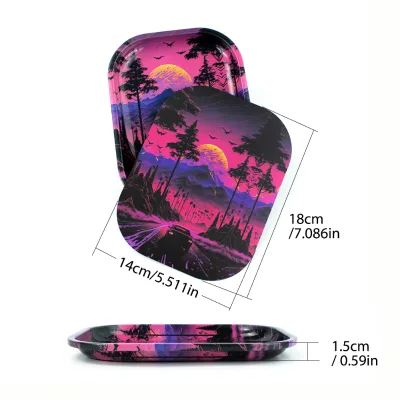


Custom Design Printing Metal Plate Tray for Smoking Rolling Paper Tin Box
$0.90 - $2.00
MOQ: 5000 booklet

Comprehensive Sourcing Guide
Multi-Functional Metal Smoke Tray Sourcing Guide
Sourcing multi-functional metal smoke trays requires a strategic approach that balances aesthetic customization with functional durability. These items serve as essential accessories for daily use and promotional gifting, often featuring creative designs that appeal to diverse consumer segments. Buyers must navigate a market where universal compatibility and customizable branding are standard expectations. The primary material observed is metal, with stainless steel and tinplate being common choices, ensuring longevity and ease of maintenance. Understanding the specific material properties is crucial for determining the tray’s suitability for its intended environment, whether it is a commercial hospitality setting or a private residence.
The procurement landscape for these trays is characterized by significant variability in dimensions and packaging methods. Suppliers offer a wide range of sizes, from compact 18x14cm models to larger 27x16cm variants, catering to different storage and display needs. Packaging options vary between protective OPP bags for individual units and bulk cartons for larger orders, impacting logistics and storage efficiency. Buyers should prioritize suppliers who provide clear specifications for each model, ensuring that the selected dimensions align with their product line or retail requirements. This attention to detail prevents mismatches between ordered specifications and delivered goods, reducing the risk of returns or customer dissatisfaction.
Product Scope and Observed Listing Signals
The observed product listings indicate a broad scope of multi-functional metal smoke trays, primarily categorized as ashtrays or rolling trays. Key features frequently highlighted include magnetic lids, tinplate rolling capabilities, and customizable printing options such as offset, CMYK, or Pantone color printing. These features suggest a dual purpose: functional utility for smoking accessories and promotional value through branded logos. The presence of OEM and ODM acceptance signals that manufacturers are equipped to handle bespoke design requests, allowing buyers to create unique products that stand out in competitive markets. This flexibility is a critical signal for buyers seeking differentiated inventory rather than generic off-the-shelf items.
Color and shape variations are prominent in the current market signals, with options ranging from square and round shapes to colorful and mixed-color finishes. The standard sizes observed include 180x120mm, 287x187mm, and 138x101mm, among others, indicating that buyers must carefully verify dimensions against their specific use cases. The origin of these products is predominantly China, with some specific mentions of Zhejiang as a production hub. This geographic concentration suggests a mature supply chain with established manufacturing capabilities. Buyers should leverage this information to assess lead times and shipping logistics, as proximity to major ports can influence freight costs and delivery speeds.
Technical Specifications to Verify
Verifying technical specifications is paramount to ensuring the product meets functional and aesthetic requirements. Buyers must confirm the exact material composition, distinguishing between stainless steel and tinplate, as this affects weight, durability, and corrosion resistance. The observed weight ranges from 60g to 450g, depending on the size and material thickness, which directly impacts shipping costs and perceived product quality. It is essential to request detailed weight specifications for each size variant to accurately calculate landed costs. Additionally, verifying the precision of dimensions, such as the 180x125mm or 275x175mm standards, ensures that the trays fit properly with other accessories or packaging components.
Printing and customization capabilities require rigorous verification to avoid quality issues. Buyers should confirm the available printing methods, including offset, CMYK, and Pantone color matching, to ensure brand colors are reproduced accurately. The acceptance of custom logos and OEM designs means that proofing processes are critical; buyers must insist on digital or physical proofs before mass production begins. Furthermore, verifying the packaging method, whether OPP bags or cartons, is necessary to protect the product during transit. Inconsistent packaging can lead to damage, especially for trays with magnetic lids or intricate designs. Clear communication of these technical details with the supplier prevents misunderstandings and ensures the final product aligns with the buyer’s expectations.
Compliance and Safety Documentation
Compliance and safety documentation are often overlooked but are critical for international trade, especially for products that may come into contact with food or tobacco residues. Buyers should inquire about material safety certifications, ensuring that the metal used is free from harmful substances like lead or cadmium. While specific certification statuses are not provided in the observed data, buyers must request test reports or compliance certificates from the supplier. This is particularly important for markets with strict regulatory standards, such as the EU or North America. Verifying that the materials meet relevant safety standards protects the buyer from legal liabilities and ensures consumer safety.
Shipping and handling compliance is another vital aspect of documentation. Buyers must ensure that the supplier adheres to international shipping regulations, including proper labeling and packaging for air, sea, or courier freight. The observed shipping methods include DHL, UPS, FedEx, and sea freight, each with different regulatory requirements. Buyers should verify that the supplier provides accurate commercial invoices, packing lists, and any necessary export declarations. Additionally, if the product involves custom printing, buyers must ensure that the designs do not infringe on intellectual property rights. Requesting proof of design ownership or licensing from the supplier mitigates the risk of legal disputes in the destination market.
Cost Drivers and Commercial Terms
Cost drivers for multi-functional metal smoke trays include material costs, customization complexity, and order volume. The observed MOQ ranges from 10 to 5000 pieces, with a specific mention of 1000 PCS for certain models, indicating that economies of scale play a significant role in pricing. Buyers should negotiate based on their projected volume, as larger orders typically yield lower unit costs. The complexity of customization, such as multi-color printing or magnetic lid integration, can also increase production costs. Understanding these drivers allows buyers to make informed decisions about design choices and order quantities to optimize their budget.
Commercial terms, including payment methods and lead times, are essential for effective procurement planning. Buyers should clarify the payment structure, such as deposits and balance payments, to manage cash flow effectively. Lead times can vary based on customization requirements and production capacity, so buyers must establish clear timelines with the supplier. The observed shipping methods offer flexibility, but buyers should consider the trade-offs between speed and cost. For instance, air freight is faster but more expensive, while sea freight is cost-effective for large volumes but takes longer. Aligning commercial terms with business needs ensures a smooth procurement process and minimizes disruptions.
Supplier Qualification and Quality Control
Supplier qualification is the foundation of a successful sourcing relationship. Buyers should assess the supplier’s manufacturing capabilities, including their experience with metalworking and customization. Verifying the supplier’s history with OEM and ODM projects provides insight into their flexibility and expertise. Buyers should request references or case studies from previous clients to gauge reliability and quality consistency. Additionally, checking the supplier’s production facilities, either through virtual tours or third-party audits, can reveal their commitment to quality control and operational efficiency. This due diligence helps mitigate the risk of partnering with unreliable suppliers.
Quality control measures must be clearly defined and enforced throughout the production process. Buyers should establish a detailed quality assurance plan that includes pre-production samples, in-process inspections, and final random inspections. The observed product attributes, such as shape, color, and logo accuracy, must be verified against agreed-upon standards. Buyers should specify acceptable tolerances for dimensions and weight to ensure consistency across batches. Implementing a robust quality control process reduces the likelihood of defects and ensures that the final product meets the buyer’s expectations. Regular communication with the supplier during production allows for timely adjustments and issue resolution.
Long-Term Procurement Checks
Long-term procurement checks involve continuous monitoring of supplier performance and market trends. Buyers should establish key performance indicators (KPIs) to evaluate suppliers on metrics such as on-time delivery, product quality, and responsiveness. Regular performance reviews help identify areas for improvement and strengthen the supplier relationship. Additionally, staying informed about market trends, such as new design styles or material innovations, allows buyers to adapt their product offerings to changing consumer preferences. This proactive approach ensures that the buyer remains competitive and meets evolving customer demands.
Sustainability and ethical sourcing are increasingly important considerations for long-term procurement. Buyers should inquire about the supplier’s environmental practices, such as waste management and energy efficiency, to align with corporate social responsibility goals. Verifying that the supplier adheres to ethical labor practices is also crucial for maintaining brand reputation. By integrating sustainability and ethical considerations into their procurement strategy, buyers can build a resilient and responsible supply chain. This holistic approach not only mitigates risks but also enhances brand value and customer loyalty in the long run.
FAQs
What materials are used for the Multi-Functional Metal Smoke Tray?
The trays are constructed from metal, specifically stainless steel or tinplate rolling materials. This ensures durability and resistance to heat while providing a sturdy surface for daily use or gifting purposes.
Can I request a custom logo on the metal smoke tray?
Yes, customization is available including accepting custom logos and OEM services. You can choose from various printing methods like offset or CYMK printing to apply your branding on the colorful or mix color options.
Which sizes are available for the Multi-Functional Metal Smoke Tray?
Multiple standard sizes exist such as 180x120mm, 287x187mm, and 18x14cm. Specific models also include dimensions like 27x16cm or 8x6 inches to suit different storage and usage requirements for tobacco or other items.
How does the MOQ affect my order for the metal smoke tray?
The minimum order quantity typically starts at 1000 pieces for standard orders. However, observed ranges indicate some suppliers may accept orders as low as 10 pieces, depending on the specific product model and customization level required.
What shipping methods are supported for the Multi-Functional Metal Smoke Tray?
Logistics support includes DHL, UPS, FedEx, air freight, and sea freight options. These methods ensure reliable delivery from the origin in China or Zhejiang to your destination, accommodating both urgent and bulk shipment needs.
Are the metal smoke trays suitable for daily use and gifts?
Yes, these trays are designed for daily use and serve as excellent gifts. Their creative style and square or round shapes make them versatile for holding tobacco or other small items in various settings.