Source Multi Functional Trainer for Home Gym and Commercial Use
Explore 30 Multi Functional Trainer options for home gyms, commercial fitness centers, and community facilities. Compare specifications, weights, and customization features to find the right equipment for your needs; compare the available evidence and request quotations based on your requirements.
Key considerations
Products List

Multi Functional Trainer Multi Functional Trainer Multi Smith Machine
$800.00 - $1200.00
MOQ: 1 Pieces


$800.00 - $1200.00
MOQ: 1 Sets


$9.99 - $2999.00
MOQ: 1 Sets

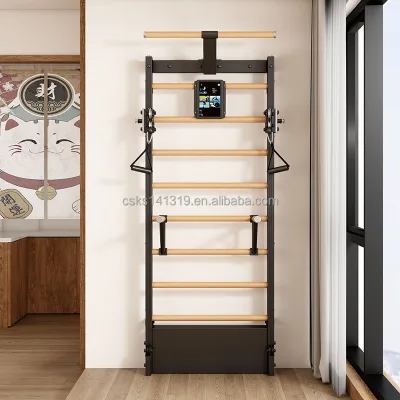


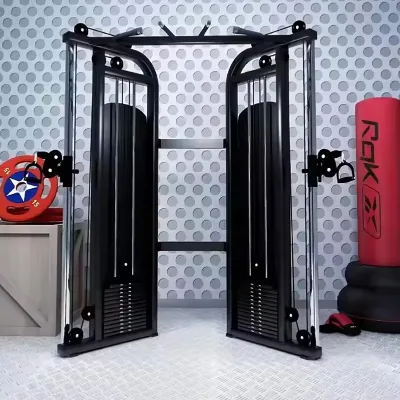


Comprehensive Sourcing Guide
Multi Functional Trainer Sourcing Guide
Sourcing multi functional trainers requires a strategic approach that balances structural integrity with versatile workout capabilities. These integrated gym systems are designed for commercial environments, offering a comprehensive solution for bodybuilding and general fitness training. Buyers must prioritize equipment that supports multiple exercise parts, including arm, leg, and full-body movements, to maximize utility in crowded fitness centers. The observed market indicates a strong preference for units that combine vertical press, chest press, and seated row functions into a single footprint. This consolidation not only saves valuable floor space but also streamlines the user experience by providing a wide range of motion options without requiring multiple standalone machines.
The procurement process involves evaluating key attributes such as power source, customization options, and target muscle groups. Most observed listings feature manual power sources, relying on weight stacks ranging from 80kg to 140kg to provide resistance. This manual operation ensures reliability and reduces maintenance costs associated with electronic components. Furthermore, the availability of customized logos and optional colors allows gym operators to align equipment aesthetics with their brand identity. Understanding these core attributes helps buyers filter through the extensive list of available models, ensuring that the selected trainer meets both functional requirements and aesthetic preferences for their specific facility.
Product Scope and Observed Listing Signals
The current market for multi functional trainers presents a diverse array of models, each with distinct specifications and packaging requirements. Observed listings reveal a wide price range, reflecting variations in material quality, weight stack capacity, and overall build complexity. Buyers should note that the minimum order quantities vary significantly, allowing for both small-scale boutique gym setups and large commercial installations. The observed data highlights specific models such as the HK-6022 and HM-05, which differ in dimensions and weight, indicating that there is no one-size-fits-all solution. It is crucial to examine the folded and unfolded states of the equipment, as space efficiency during shipping and installation is a critical logistical consideration for many buyers.
Packaging methods also vary, with options including plywood boxes, wooden cases, and pallets, which directly impact shipping costs and product protection. The observed standard dimensions for these units range from approximately 1500mm to 2500mm in length, underscoring the importance of verifying floor space requirements before purchase. Additionally, the net and gross weights of these machines are substantial, often exceeding 200kg, which necessitates careful planning for delivery and installation. Buyers must also consider the origin of the products, with Guangzhou and Shandong being notable production hubs in China. Understanding these logistical signals helps in estimating total landed costs and ensuring that the equipment can be safely transported and installed in the target location.
Technical Specifications to Verify
Verifying technical specifications is paramount to ensuring the durability and performance of multi functional trainers. The tube thickness is a critical structural element, with observed listings specifying a 3mm thickness for key components. This measurement directly correlates with the machine's ability to withstand heavy loads and frequent use without deformation. Buyers should also inspect the painting process, as a two-layer paint finish is commonly observed and provides essential protection against wear, tear, and corrosion. The weight stack capacity is another vital specification, with options ranging from 90kg to 140kg, allowing users to tailor the resistance to their strength levels. Ensuring that the weight stack is robust and smoothly operational is essential for a safe and effective workout experience.
Dimensional accuracy is equally important, as the standard sizes observed vary significantly between models. For instance, some units measure around 1750mm in length, while others extend to 2500mm. Buyers must verify these dimensions against their available floor space to avoid installation issues. The net weight of the equipment, often around 235kg, indicates the stability of the frame, which is crucial for preventing movement during intense exercises. Additionally, the versatility of the machine, including features like high and low pulleys, should be confirmed to ensure it meets the specific training needs of the facility. Detailed verification of these technical parameters helps prevent mismatches between product expectations and actual performance.
Compliance and Safety Documentation
Compliance with international safety and quality standards is non-negotiable for commercial fitness equipment. Buyers must request and verify certification documents, with CE and ISO certifications being commonly observed in the market. These certifications indicate that the manufacturer adheres to strict safety protocols and quality management systems. The presence of RoHS certification is also significant, as it ensures that the materials used in the construction are free from hazardous substances. This is particularly important for equipment that comes into direct contact with users, ensuring a safe and healthy environment for all gym members. Buyers should insist on seeing valid, up-to-date certification copies before finalizing any purchase agreement.
In addition to certifications, buyers should inquire about the warranty terms provided by the supplier. A three-year warranty is observed in several listings, which reflects the manufacturer's confidence in the product's durability. This warranty should cover major components such as the frame, weight stack, and pulley systems. It is also advisable to verify the condition of the equipment, with new units being the standard expectation. Buyers should ensure that the product arrives in pristine condition, free from any manufacturing defects or shipping damage. Clear documentation of warranty coverage and product condition helps mitigate risks and ensures long-term satisfaction with the investment.
Cost Drivers and Commercial Terms
Understanding the cost drivers associated with multi functional trainers is essential for effective budgeting. The primary factors influencing price include the material quality, specifically the use of steel, and the complexity of the design. Fashionable and strong designs often command higher prices due to the additional engineering and aesthetic considerations involved. The weight stack capacity is another significant cost driver, with heavier stacks requiring more material and robust construction. Buyers should also consider the customization options available, such as customized logos and optional colors, which may incur additional fees. These variables contribute to the wide price range observed in the market, necessitating a clear understanding of what features are included in each quote.
Commercial terms, including delivery time and payment conditions, play a crucial role in the procurement process. An observed delivery time of 15 days suggests that lead times can be relatively short, but this may vary based on order volume and customization requirements. Buyers should clarify the production lead time and shipping duration to ensure timely installation. The packaging method, whether plywood box or wooden case, also affects shipping costs and should be factored into the total cost analysis. Additionally, buyers should negotiate clear terms regarding after-sales support and spare parts availability. Transparent commercial terms help avoid hidden costs and ensure a smooth transaction from order to delivery.
Supplier Qualification and Quality Control
Supplier qualification is a critical step in mitigating procurement risks. Buyers should assess the supplier's manufacturing capabilities, focusing on their experience in producing commercial-grade fitness equipment. The origin of the product, whether from Guangzhou or Shandong, can provide insights into the supplier's supply chain and logistical efficiency. It is advisable to request factory audits or virtual tours to verify production standards and quality control processes. Suppliers with a proven track record of exporting to international markets are often more reliable, as they are familiar with global compliance requirements and shipping protocols. Establishing a strong relationship with a qualified supplier ensures consistent product quality and reliable support.
Quality control measures should be implemented throughout the production and shipping process. Buyers should specify inspection points, such as material thickness, weld quality, and paint finish, to ensure adherence to agreed-upon standards. The use of plywood or wooden packaging should be verified to prevent damage during transit. Additionally, buyers should request pre-shipment inspections to catch any potential defects before the goods leave the factory. Clear communication of quality expectations and regular follow-ups with the supplier help maintain high standards. Implementing robust quality control practices ensures that the multi functional trainers meet the durability and performance requirements of commercial fitness centers.
Long-Term Procurement Checks
Long-term procurement success depends on ongoing evaluation of supplier performance and product durability. Buyers should establish key performance indicators, such as on-time delivery rates, defect rates, and customer satisfaction scores, to monitor supplier reliability. Regular feedback from gym staff and members regarding the equipment's performance can provide valuable insights into any emerging issues. It is also important to review warranty claims and after-sales support responsiveness to ensure that the supplier remains committed to product quality over time. Continuous monitoring helps identify potential problems early and allows for proactive management of the procurement relationship.
Additionally, buyers should stay informed about industry trends and technological advancements in multi functional trainers. This knowledge can inform future purchasing decisions and help identify opportunities for upgrading or expanding equipment inventory. Building a diversified supplier base can also reduce dependency on a single source and provide flexibility in sourcing. Regularly reviewing contract terms and negotiating favorable conditions based on performance metrics ensures that the procurement strategy remains aligned with business goals. By focusing on long-term checks and relationship management, buyers can secure a reliable supply of high-quality multi functional trainers that support the growth and success of their fitness facilities.
FAQs
What certifications do the multi functional trainers have?
The multi functional trainers carry CE, ISO, and RoHS certifications to ensure safety and compliance. These standards verify that the equipment meets international quality requirements for gym and community use. Buyers can rely on these documented certifications when selecting commercial-grade fitness solutions for their facilities.
How long is the delivery time for these units?
The standard delivery time for these multi functional trainers is 15 days from order confirmation. This lead time applies to the production and shipping process for new condition equipment. Buyers should plan their facility setup schedules around this specific timeframe to ensure timely installation.
Can I get a customized logo on the equipment?
Yes, a customized logo is available for the multi functional trainers to support brand identity. This customization option allows gym owners to display their specific branding on the steel frames. The design remains strong and fashionable while accommodating unique logo requirements for commercial centers.
What is the weight capacity of the weight stack?
The weight stack capacity varies between 80kg and 90kg depending on the specific model selected. Some units feature a 90kg stack while others range from 80kg to 140kg for different resistance needs. This range supports various bodybuilding exercises targeting major muscle groups effectively.
Which materials are used to construct the frame?
The frame is constructed from high-quality steel with a tube thickness of 3mm for durability. It features a two-layer painting process to prevent rust and ensure longevity in gym environments. This robust steel construction supports heavy usage in home, community, and commercial gymnasium settings.
What is the warranty period for the equipment?
The equipment comes with a 3-year warranty to protect against manufacturing defects and ensure reliability. This coverage applies to the new condition multi functional trainers supplied for fitness centers. Buyers receive long-term support for their investment in commercial-grade vertical press and integrated gym trainer units.
How is the product packed for shipping?
Products are packed in plywood boxes, wooden cases, or on pallets to ensure safe transport. Some models allow for custom packing requests to meet specific logistics requirements. This secure packaging protects the steel frames and components during international shipping from origins in China or Shandong.