Source Multi-Functional Manual Home Fitness Machine for Gym, Home, and Community
Source a Multi-Functional Manual Home Fitness Machine from 30 verified listings. Compare steel and stainless steel frames, CE and RoHS certifications, and dimensions for home gyms, commercial facilities, and community centers.
Key considerations
Products List


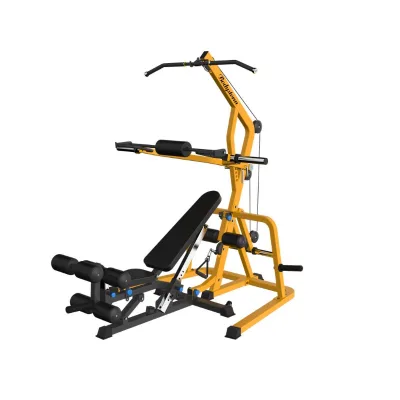


Hot Selling Home Gym Fitness Training Standard Weight Multifunctional Workout Machine
$56.00 - $60.00
MOQ: 20 Pieces


Equipment Adjustable Abdominal Core Trainer Home Fitness Tool Sit-up Trainer
$1.30 - $1.70
MOQ: 588 Pieces

Comprehensive Sourcing Guide
Multi-Functional Manual Home Fitness Machine Sourcing Guide
The global market for multi-functional manual home fitness machines has evolved to address the growing demand for space-efficient, non-electric workout solutions that deliver commercial-grade durability without the complexity of motorized systems. These units are specifically engineered for environments ranging from private residential gyms to community centers, offering a versatile platform for full-body conditioning through resistance mechanisms that rely on user weight, gravity, or manual tension rather than external power sources. Procurement teams must recognize that the "manual" designation implies a specific operational philosophy where the machine's stability and structural integrity are paramount, as the equipment must withstand dynamic loading forces generated by the user without the aid of electronic dampening or automated resistance adjustments.
When sourcing these assets, buyers encounter a diverse landscape of configurations, from compact foldable units designed for apartment living to large, stationary frames intended for high-traffic commercial facilities. The observed product data indicates a significant variance in physical dimensions, with some models measuring over two meters in height and width, while others are optimized for smaller footprints, necessitating a rigorous review of spatial requirements before finalizing orders. This diversity extends to the target demographic, with many units explicitly designed as unisex equipment suitable for adult users, yet the specific exercise focus—whether targeting arm, leg, or multisystem engagement—varies significantly between manufacturers, requiring precise alignment between the buyer's intended user base and the machine's mechanical design.
Product Scope and Observed Listing Signals
Buyers must first distinguish between the various operational states and physical configurations presented in supplier listings, as the distinction between "folded" and "unfolded" states directly impacts logistics planning and facility layout. The available data reveals that some units are marketed as fully unfolded, permanent installations with substantial footprints, while others are explicitly designed to be folded for storage, a feature that is critical for facilities with limited square footage or for residential clients with space constraints. Understanding whether a specific model is a single-piece assembly or a multi-box shipment is equally vital, as the packaging details—ranging from standard cartons to heavy-duty plywood boxes with bubble PE film protection—dictate the handling procedures and insurance requirements during transit.
The commercial scope of these machines also encompasses a wide range of customization options that can significantly alter the final product specification and lead time. Suppliers frequently offer customizable logos, color options including black, red, yellow, and silver, and tailored branding to meet the aesthetic requirements of specific gym chains or corporate wellness programs. However, the availability of these customizations is not universal across all listed models; some entries indicate a standard "single item" selling unit with fixed attributes, while others explicitly state that customization is available, requiring the procurement team to verify the specific capabilities of the target model before committing to a design brief.
Technical Specifications to Verify
The structural integrity of a manual fitness machine is primarily determined by its frame material and overall dimensions, which must be verified against the intended load capacity and usage frequency. The observed product data highlights the prevalence of steel and stainless steel as the primary construction materials, offering the necessary rigidity to support dynamic movements without flexing or degrading over time. Buyers should scrutinize the specific frame material specifications, as stainless steel may offer superior corrosion resistance for humid environments like community centers, whereas standard steel might be sufficient for dry, climate-controlled home gyms, and the net weight of the unit serves as a proxy for its stability and build quality.
Dimensional verification is equally critical, as the listed product dimensions and assembly sizes often differ significantly from the standard packaging dimensions, creating potential confusion during the receiving process. For instance, specific models are documented with precise assembly sizes such as 190016202090mm or 170026002150mm, while their standard packaging may be listed as 1825490170mm or 2130x465x120mm, indicating a complex assembly process that requires adequate floor space and clearance. Procurement teams must ensure that the facility's entry points, elevator dimensions, and final installation area can accommodate both the shipping package and the fully assembled unit, as the difference between the folded and unfolded states can be substantial for larger multisystem workbenches.
Compliance and Safety Documentation
Safety compliance for fitness equipment is non-negotiable, and buyers must demand verifiable certification documents that confirm the product meets international safety and environmental standards. The observed listings frequently cite CE and RoHS certifications, which indicate compliance with European health, safety, and environmental protection requirements, ensuring that the materials used do not contain hazardous substances and that the electrical components, if any, meet safety thresholds. Additionally, some suppliers provide ISO9001 certification, which validates that the manufacturer operates under a recognized quality management system, providing a layer of assurance regarding the consistency of their production processes and the reliability of their quality control measures.
Beyond product-level certifications, the documentation package must include clear assembly instructions and safety warnings that are specific to the mechanical design of the manual machine. Since these units rely on user-generated force, the risk of injury is often tied to improper assembly or misuse, making it essential that the supplier provides comprehensive guides that detail the correct setup of the frame, the adjustment of resistance mechanisms, and the proper usage of the exercise parts. Buyers should verify that the provided documentation is available in the target market's language and that it includes specific warnings regarding the maximum user weight and the recommended exercise protocols to mitigate the risk of structural failure or user injury.
Cost Drivers and Commercial Terms
The pricing structure for multi-functional manual fitness machines is influenced by a complex interplay of material costs, manufacturing complexity, and the extent of customization required. The observed price range spans from approximately $0.80 to $1200, a variance that reflects differences in frame material quality, the inclusion of advanced resistance systems, and the scale of the order. Buyers must understand that the lower end of this spectrum typically corresponds to basic, single-unit models with standard finishes, while the higher end often includes commercial-grade stainless steel frames, extensive customization options, and larger, more complex multisystem configurations that require more labor and raw materials.
Commercial terms, particularly regarding Minimum Order Quantity (MOQ) and delivery timelines, play a decisive role in the total cost of ownership and the feasibility of the procurement project. The data indicates an MOQ range from 1 set to 588 units, offering flexibility for small boutique gyms while accommodating large-scale commercial rollouts. Lead times are generally observed to be between 10 to 15 days, but this can fluctuate based on the supplier's current production capacity and the complexity of the order, with some suppliers noting a supply ability of 500 sets per month. Buyers should negotiate clear terms regarding port of dispatch, which is often listed as Qingdao, Shanghai, or Tianjin, and ensure that the Incoterms clearly define the point at which risk and responsibility transfer from the supplier to the buyer.
Supplier Qualification and Quality Control
Supplier qualification extends beyond the basic presence of certifications to include a thorough assessment of their manufacturing capabilities and quality control protocols. The observed product data indicates that suppliers are located in key manufacturing hubs such as Shandong and Jiangsu in China, regions known for their robust industrial infrastructure and experience in producing fitness equipment. Buyers should verify the supplier's production capacity and history, ensuring they have the necessary machinery and skilled labor to maintain the high standards required for stainless steel and steel frame fabrication, as well as the ability to handle the specific packaging requirements like plywood boxes and thick bubble PE film.
Quality control measures must be explicitly defined in the procurement agreement to ensure that every unit delivered meets the specified technical and safety standards. This includes verifying that the supplier conducts rigorous testing on the frame stability, the durability of the exercise parts, and the overall assembly integrity before shipment. Buyers should request evidence of in-process quality checks and final inspection reports, particularly for custom orders where the risk of deviation from the design specification is higher. Establishing a clear protocol for handling defects or non-conforming units is essential, as the manual nature of the equipment means that any structural weakness can lead to immediate safety hazards during use.
Long-Term Procurement Checks
Sourcing manual fitness machines is not a one-time transaction but a long-term partnership that requires ongoing monitoring of product performance and supplier reliability. Buyers should establish a system for tracking the performance of the equipment in the field, noting any issues related to wear and tear, structural fatigue, or component failure that may arise after extended use. This feedback loop is crucial for identifying potential design flaws or manufacturing inconsistencies that may not have been apparent during the initial inspection, allowing for proactive adjustments to future orders or maintenance protocols.
Furthermore, the long-term viability of the procurement strategy depends on the supplier's ability to provide consistent after-sales support, including the availability of spare parts and technical assistance. Given the mechanical nature of these machines, components such as resistance bands, pulleys, or adjustment mechanisms may require replacement over time, and the supplier must demonstrate a commitment to maintaining an inventory of these parts. Buyers should also verify the supplier's responsiveness to warranty claims and their ability to provide training materials for facility staff, ensuring that the equipment remains safe and functional throughout its intended lifespan.
FAQs
What certifications do these machines have?
The machines hold CE and RoHS certifications, with some models also featuring ISO9001 compliance. These standards ensure safety and quality for home and commercial gymnasium use. Buyers can verify specific model details to confirm which certifications apply to their selected unit before placing an order.
Can the product be customized?
Yes, customization is available for logos and colors. Buyers can choose from options like black, red, yellow, or silver, or request specific custom colors. This flexibility allows businesses to brand equipment for their facilities or meet specific aesthetic requirements for community or home gym installations.
What is the typical delivery time?
The standard delivery time is 10-15 days. This lead time applies to most orders, allowing for efficient planning for gymnasium or home setups. Buyers should confirm exact timelines with suppliers, as production schedules and shipping logistics may slightly affect the final arrival date at the destination port.
How are the machines packaged?
Packaging varies by model, using either carton boxes or plywood boxes protected by thick bubbled PE film. This ensures safe transport for heavy items like the 110kg net weight units. Proper packaging protects the steel frame and components during shipping from origins in China to global destinations.
What are the product dimensions?
Dimensions vary by model, such as 1700*2600*2150mm for one unit and 1900*1620*2090mm for another. Some models are folded while others remain unfolded. Buyers should check specific model specifications to ensure the equipment fits their available space in home gyms or commercial facilities.
What is the minimum order quantity?
The minimum order quantity starts at 1 set for many models. This low MOQ allows small businesses or individual buyers to test the product. Higher volumes may be available for commercial gymnasiums, with supply abilities reaching 500 sets per month for larger orders from manufacturers in China.