Source Multicolor Dental Micro Brush for Oral Surgery, Dental Dept, and Oral Health
Compare 30 listings for the Multicolor Dental Micro Brush featuring bendable necks and various head sizes. Buyers can evaluate specifications like length, diameter, and sterilization methods from suppliers in Guangdong and Jiangsu.
Key considerations
Products List


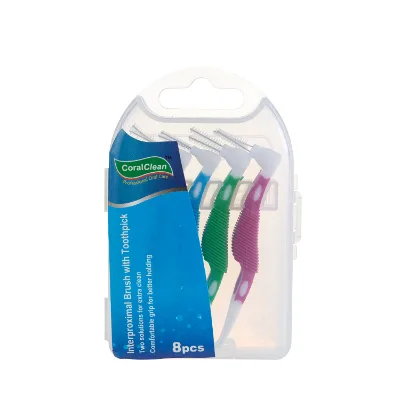
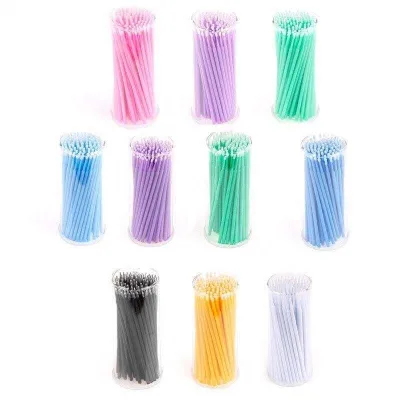


White Color Medical Supply Dental Micro Applicator Brush Tips (Good Absorbency)
$0.60 - $0.80
MOQ: 1000 bottle

Comprehensive Sourcing Guide
Strategic Sourcing Guide for Multicolor Dental Micro Brushes
Understanding Product Variants and Technical Specifications
When sourcing multicolor dental micro brushes, buyers must first navigate the diverse landscape of product definitions found in the market. The core keyword often encompasses several distinct sub-categories, including micro applicators, micro brushes, and specialized surgical supplies. The supplied data indicates that these instruments are frequently categorized under "Micro Brush," "Micro Applicator," and "Micro Brushes," with specific model identifiers such as MA101, MA001, and TC-BA01. A critical technical distinction lies in the classification of the instrument. Some listings identify the product as "Class I" medical devices, while others describe them as "Specialized Instrument Equipment" or "Shared Instrument Equipment." This variance suggests that procurement teams must verify the regulatory classification of the specific unit intended for their facility, as this dictates the level of oversight required for clinical use.
The physical specifications of these brushes are highly variable and often dictate their suitability for specific dental procedures. The observed data reveals a consistent length of 100mm or 100 mm across multiple product entries, providing a standard reach for oral procedures. However, the head sizes differ significantly based on the required precision. Specifications list head diameters ranging from Regular (2.5mm) to Fine (2.0mm) and Untrafine (1.5mm), alongside cylindrical options. This granularity allows for targeted applications, from broad surface cleaning to intricate cavity preparation. The material composition is predominantly plastic, which offers a lightweight and cost-effective solution for disposable applications. A notable feature observed in several listings is the "Bendable Neck," a design element that enhances maneuverability in hard-to-reach areas of the oral cavity.
Color coding is a primary differentiator for these products, serving both aesthetic and functional purposes. The available palette includes Orange, Blue, Green, Yellow, Pink, White, Black, and Purple. This multicolor capability is often tied to customization options, allowing clinics to assign specific colors to different procedures or patient groups. The "Optional" attribute in the data confirms that multi-color customization is a standard offering, enabling buyers to align inventory with their internal color-coding protocols for infection control or procedural efficiency.
Compliance, Certification, and Regulatory Standards
Navigating the regulatory landscape is paramount when sourcing medical-grade dental supplies. The supplied facts explicitly mention "CE" certification, indicating that certain products in this category meet the European Union's health, safety, and environmental protection standards. However, the data also references "ISO 13485" in a low-confidence context, meaning buyers should not assume this certification is universally present without direct verification from the supplier. The distinction between "Class I" classification and general "Surgical Supplies Materials" is crucial for compliance. Class I devices typically have the lowest risk profile, but the regulatory requirements for importation and distribution vary by jurisdiction.
Sterilization status is another critical compliance factor. The data notes "Ethylene Oxide Sterilization" as a specific attribute for certain models, while others are listed as "Disposable" with a "Shelf Life" of one year or, in some cases, up to five years. Buyers must verify whether the product arrives pre-sterilized or if it requires terminal sterilization by the healthcare facility. The "Quality Guarantee Period" of two years is mentioned for specific models, which serves as a benchmark for shelf-life expectations, though the observed "Shelf Time" of five years suggests a discrepancy that requires clarification. Procurement teams should demand a Certificate of Analysis (CoA) and a Certificate of Sterility (if applicable) to ensure the product meets the specific regulatory requirements of their region.
Furthermore, the "Customized" standard and "Regular, fine, untrafine, cylinder" specifications indicate that many products are made to order. This customization capability often impacts compliance, as changes in manufacturing standards may require re-evaluation of the product's regulatory status. Buyers should ensure that any customized specifications do not inadvertently alter the product's classification or risk profile, which could trigger new regulatory hurdles.
Cost Drivers and Pricing Dynamics
The pricing structure for multicolor dental micro brushes is influenced by a complex interplay of factors, including material costs, customization levels, and order volume. The observed listed price range in the market data spans from $0.02 to $2.50 USD per unit. This wide variance suggests that the base cost of a standard, non-customized brush is minimal, while prices increase significantly with added features such as specific head sizes, bendable necks, or custom color branding. The "OEM/ODM" and "Logo Printing" attributes indicate that branding and private labeling are significant cost drivers. Suppliers offering these services often charge a premium per unit or impose a minimum order quantity (MOQ) that reflects the setup costs for custom printing.
The MOQ range observed is extensive, spanning from 1 to 1,000,000 units. This flexibility allows small clinics to purchase trial quantities while enabling large hospital chains to secure bulk pricing. However, the "Sample" lead time of 7-15 days suggests that even small orders may incur a delay, particularly if the product requires custom manufacturing. The packaging method also influences cost; variations such as "100 PCS/Barrel," "100 PCS/Bottle," or bulk "Carton Box" configurations affect the unit price due to differences in labor and material for packaging. Buyers should analyze the total cost of ownership, including shipping costs, which can be substantial given the "Weight" of 16kgs/CTN and the large "Carton Size" of approximately 504026cm.
Typical Applications and Departmental Suitability
The versatility of multicolor dental micro brushes makes them suitable for a wide range of dental departments and procedures. The data explicitly lists "Oral Surgery," "Oral Health Department," and "Dental Department" as applicable areas. In oral surgery, the "Bendable Neck" and precise head sizes (Untrafine 1.5mm) are ideal for applying medicaments, cleaning surgical sites, or managing soft tissue. The "Disposable" nature of the product aligns with infection control protocols in surgical environments, where single-use instruments are preferred to prevent cross-contamination.
In general dental practice, these brushes serve as essential tools for applying bleaching agents, desensitizing agents, or fluoride treatments. The multicolor aspect is particularly useful in clinical settings for color-coding different agents or procedures, reducing the risk of error. For example, a specific color might be designated for pediatric patients, while another is used for adult procedures. The "Group: Adult" specification suggests that some models are optimized for adult anatomy, though the general applicability to the "Dental Department" implies broader use. The "Shared Instrument Equipment" classification for some models indicates that they may be designed for reuse in specific contexts, though the "Disposable" attribute for others suggests a primary market for single-use applications.
Supplier Evaluation and Origin Verification
Evaluating suppliers for dental micro brushes requires a focus on geographic origin and manufacturing capabilities. The supplied data identifies two primary production locations: "Foshan, Guangdong" and "Jiangsu, China." These regions are known for their robust manufacturing sectors, but buyers should verify the specific factory's capacity and quality control systems. The presence of "OEM/ODM" and "Logo Printing" capabilities suggests that these suppliers are equipped for contract manufacturing, which is beneficial for buyers seeking private label products.
When evaluating a supplier, buyers should prioritize those who can demonstrate a clear understanding of the product's "Nature" as either "Specialized Instrument Equipment" or "Shared Instrument Equipment." The ability to provide a "Quality Guarantee Period" of two years is a strong indicator of supplier confidence in their product's durability and performance. Additionally, the "Customization" and "OEM" attributes should be verified against the supplier's actual production lines to ensure they can meet specific requirements for head size, color, and packaging. Buyers should also check the supplier's response time to sample requests, as the observed "Sample" lead time of 7-15 days can impact project timelines.
Quality Control and Packaging Standards
Quality control in the manufacturing of dental micro brushes is critical to ensure patient safety and procedural efficacy. The "Carton Size" and "Weight" data provide insights into the packaging efficiency and logistics. Standard carton dimensions of 494026cm or 504026cm with a gross weight of 16 Kgs/CTN suggest a standardized packing process. However, the variation in internal packaging—ranging from "100 PCS/Barrel" to "100 PCS/Bottle"—requires careful verification to ensure that the product remains sterile and undamaged during transit.
Buyers should insist on a rigorous quality control protocol that includes visual inspection of the brush heads for consistency in diameter and color. The "Standard" attribute, which includes "Regular, fine, untrafine, cylinder," implies that manufacturers should have strict tolerances for these dimensions. The "Ethylene Oxide Sterilization" process, if applicable, must be validated to ensure that the sterilization is effective and that no residual chemicals remain on the product. The "Shelf Life" of 1 year or 5 years should be clearly marked on the packaging, and buyers should verify that the expiration dates are consistent with the supplier's quality assurance records.
Long-Term Procurement and Inventory Management
For long-term procurement, buyers must consider the sustainability of the supply chain and the potential for price fluctuations. The wide MOQ range allows for flexible inventory management, but buyers should balance the cost benefits of bulk purchasing against the risk of product obsolescence or changes in clinical protocols. The "Customized" nature of the product means that once a specific design is established, switching suppliers may be costly and time-consuming. Therefore, establishing a long-term partnership with a reliable supplier is advisable.
Inventory management should also account for the "Shelf Time" and "Shelf Life" of the product. If a supplier offers a 5-year shelf life, buyers can safely stockpile larger quantities, whereas a 1-year shelf life requires a more frequent reorder cycle. The "Optional" multi-color customization should be managed carefully to avoid overstocking of specific colors that may not be in demand. Finally, buyers should maintain a clear record of the "Certification" status and "Standard" compliance of each batch to ensure continuous adherence to regulatory requirements. By focusing on these long-term considerations, procurement teams can ensure a stable and cost-effective supply of multicolor dental micro brushes for their clinical operations.
FAQs
Can multicolor dental micro brushes be customized with logos?
Yes, logo printing is available for these instruments. Buyers can request custom branding on the product, which often requires an OEM or ODM arrangement and may involve specific minimum order quantities depending on the supplier.
What certifications do these dental micro brushes hold?
Some products in this category carry CE certification. Buyers should verify specific regulatory compliance for their region, as the data also references Class I instrument classification and potential Ethylene Oxide sterilization for certain models.
Which head sizes are available for these micro brushes?
Available head sizes include Regular at 2.5mm, Fine at 2.0mm, and Untrafine at 1.5mm. Cylindrical options are also listed, allowing clinicians to select the precise diameter required for specific oral surgery or dental department procedures.
How long is the shelf life of these disposable brushes?
Shelf life varies between one year and five years depending on the specific product model. Buyers must check the expiration date on the packaging, as some items are listed with a two-year quality guarantee period.
What is the typical lead time for sample orders?
Sample orders typically require a lead time of 7 to 15 days. This duration applies even for small quantities, so procurement teams should plan accordingly when requesting prototypes or initial trial batches from manufacturers.
Can these brushes be sourced from specific Chinese regions?
Yes, products originate from Foshan, Guangdong, and Jiangsu, China. Buyers can filter suppliers by these locations to find manufacturers with specific production capabilities for Class I instruments or specialized surgical supplies.
What is the minimum order quantity for these brushes?
The minimum order quantity ranges from 1 unit up to 1,000,000 units. This wide range allows small clinics to purchase single units while enabling large hospital chains to secure bulk pricing for their inventory needs.