Source Multicolor Fashion Bandana for Outdoor, Sport, and Leisure
Compare 30 Multicolor Fashion Bandana options from Jiangsu and Zhejiang suppliers. Buyers can evaluate materials like cotton and polyester, custom sizes, and OEM services for outdoor and leisure applications.
Key considerations
Products List
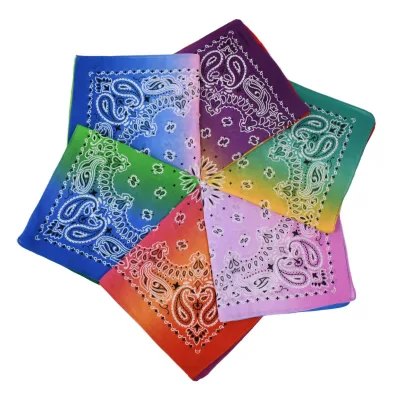
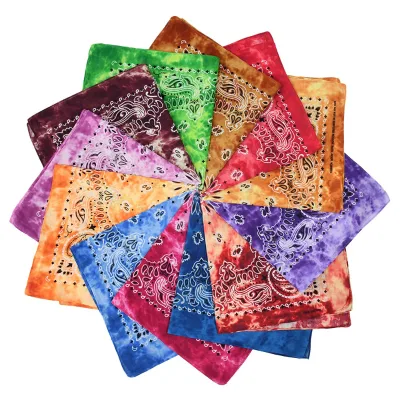
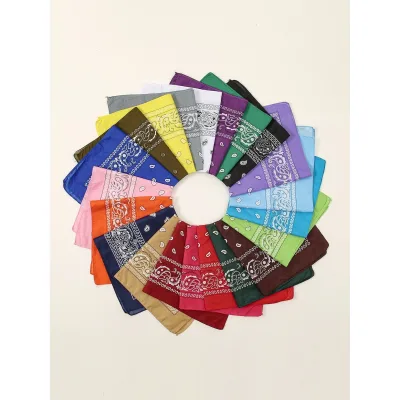
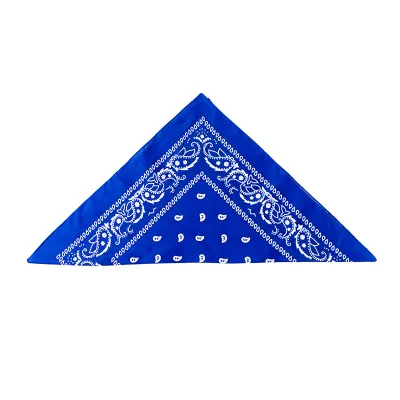
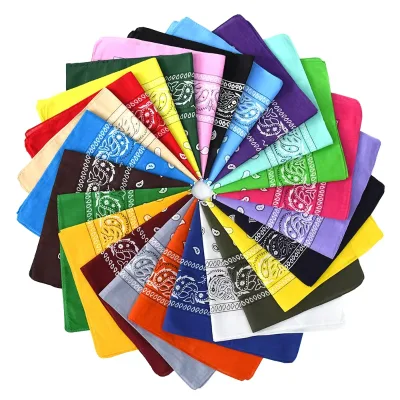
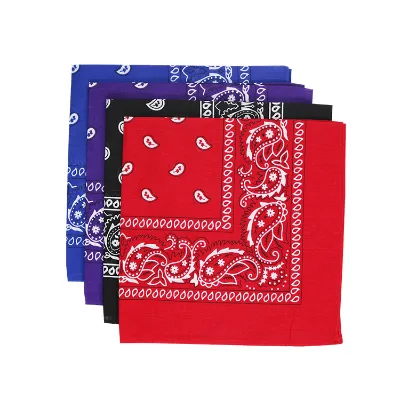


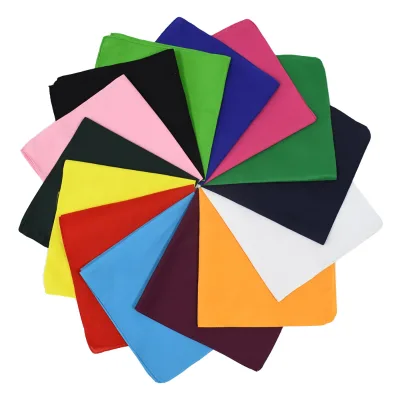
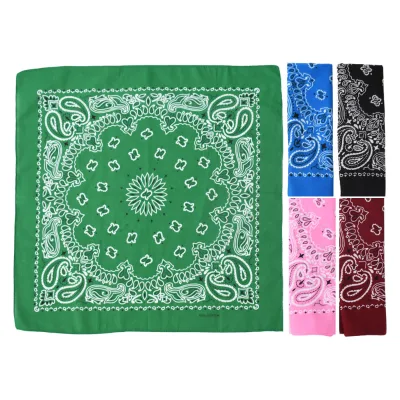

Square Bandana Multifunction 100% Cotton Bandanas Tube Bandana Scarf Bandanas
$0.20 - $1.80
MOQ: 600 Pieces


Neck Bandana Multi Scarf Tube Mask Cap Headwear Scarf Neck Gator Bandana
$0.50 - $1.50
MOQ: 500 Pieces


Comprehensive Sourcing Guide
Strategic Sourcing Guide for Multicolor Fashion Bandanas
Understanding Product Specifications and Material Variations
When sourcing multicolor fashion bandanas, the first step involves a rigorous analysis of technical specifications to ensure the product aligns with the intended market application. The market offers a diverse range of options, primarily distinguished by material composition, dimensions, and weight. Based on current market observations, the core material options typically include cotton, polyester, and silk. Cotton variants are often preferred for their breathability and softness, making them suitable for casual wear, while polyester options are frequently selected for their durability and color retention, particularly in outdoor or sport-oriented contexts. Some listings indicate a blend of cotton and polyester, offering a balance between comfort and performance.
Dimensional consistency is another critical specification. While some products are listed with custom sizing, standard configurations often appear in the range of 55cm x 55cm or 54cm x 54cm. Smaller variants, such as 25cm x 50cm, are also available, catering to specific fashion trends or functional uses like neck wraps. The weight of the fabric is a key indicator of quality and drape. Observed single gross weights range from approximately 0.029 kg to 0.074 kg per unit. For instance, a 74gsm polyester bandana in a 55cm x 55cm format weighs roughly 0.074 kg, whereas silk or lighter cotton options may weigh significantly less, around 0.029 kg. Buyers must verify the specific gram weight (gsm) and dimensions against their design requirements, as these factors directly influence the final aesthetic and tactile experience.
The visual presentation of multicolor bandanas is defined by their color palettes and patterns. Available color options are extensive, ranging from standard hues like black, white, navy blue, and red to more vibrant shades such as peacock blue, fluorescent green, and rose red. The "multicolor" attribute often implies a single item featuring multiple hues or a collection of items in varied colors. Patterns are frequently observed as plain, though the multicolor aspect can be achieved through dyeing techniques or woven designs. The style of the bandana also varies, with European and American styles, fashion-forward designs, and sport-specific cuts being common. Understanding these variations is essential for selecting the right product for a specific demographic or use case.
Compliance, Certification, and Safety Standards
In the B2B procurement of textile accessories like bandanas, compliance with international safety and environmental standards is paramount. While specific certification statuses for individual suppliers cannot be universally asserted without direct verification, buyers should be aware of the relevant frameworks that govern textile safety. The market context often references standards such as OEKO-TEX and REACH, which are critical for ensuring that the fabrics are free from harmful substances. OEKO-TEX certification, for example, verifies that the textile product has been tested for a wide range of harmful substances and is safe for human skin contact. REACH compliance ensures that the chemicals used in the manufacturing process meet European Union safety requirements.
Buyers must explicitly request proof of compliance from potential suppliers. This involves asking for valid test reports from accredited laboratories that confirm the product meets the specified standards. It is important to note that the presence of a certification name in a product listing does not automatically guarantee that every SKU or batch is certified. Verification should be conducted on a per-batch basis. Additionally, the place of origin, often cited as Jiangsu or Zhejiang in China, should be cross-referenced with the supplier's actual manufacturing facilities to ensure transparency. Suppliers claiming OEM/ODM services should also be able to demonstrate their ability to meet specific compliance requirements requested by the buyer, such as specific dye restrictions or heavy metal limits.
Cost Drivers and Pricing Dynamics
The pricing of multicolor fashion bandanas is influenced by several dynamic factors, including material costs, order volume, and customization requirements. The observed price range in the market spans from $0.18 to $3.15 per unit, a significant variance that reflects differences in material quality, production complexity, and order quantity. Lower-priced items typically correspond to standard polyester or cotton blends with minimal customization and high-volume production runs. Conversely, higher-priced units may involve premium materials like silk, complex multicolor dyeing processes, or custom branding and packaging.
Minimum Order Quantity (MOQ) is a primary driver of unit cost. The market shows an MOQ range from as low as 1 unit to as high as 6000 units. Suppliers often offer tiered pricing structures where the unit cost decreases as the order volume increases. For buyers with lower volume needs, the higher per-unit cost must be weighed against the flexibility of smaller orders. Customization, such as adding a customized logo or specific colorways, can also increase the base price due to setup costs and the need for specialized production lines. Furthermore, the packaging specifications, such as single package sizes ranging from 25x25x1 cm to 27x27x0.2 cm, impact shipping costs. Buyers should calculate the total landed cost, including freight, which is influenced by the gross weight and volume of the shipment.
Typical Applications and Usage Scenarios
Multicolor fashion bandanas serve a wide array of applications, driven by their versatility and aesthetic appeal. The primary usage scenarios identified in the market include outdoor activities, leisure wear, and sports. The "Outdoor" and "Leisure" attributes suggest that these products are designed for active lifestyles, where durability and comfort are essential. In sports contexts, the "Sport" style and "Multifunction" features make them suitable for sweat absorption, hair management, or as a fashion accessory during physical activities. The "European and American Style" and "Fashion" attributes indicate a strong presence in casual streetwear and trend-driven fashion markets.
The target demographic is predominantly adults, with many products explicitly labeled for "Adults" or "Unisex" use. This broadens the potential market to include both men and women who seek versatile accessories. The "Applicable scene" of outdoor use also implies suitability for events like festivals, hiking, or beach activities, where the multicolor designs can add a vibrant touch to an outfit. Additionally, the "Customization" availability allows brands to use these bandanas for promotional purposes, corporate events, or team uniforms. The ability to customize the logo and color makes them an attractive option for businesses looking to create branded merchandise that is both functional and fashionable.
Supplier Evaluation and Selection Criteria
Selecting the right supplier requires a thorough evaluation of their capabilities, reliability, and alignment with the buyer's specific needs. Key criteria for evaluation include the supplier's location, production capacity, and service offerings. Many suppliers are located in major textile hubs in China, such as Jiangsu and Zhejiang, which are known for their robust manufacturing infrastructure. Buyers should verify the supplier's ability to handle the required order volumes, as indicated by their MOQ ranges. A supplier with a high MOQ might not be suitable for a startup or a test market, while one with a low MOQ might lack the capacity for large-scale production.
Service capabilities are another critical factor. Suppliers offering OEM/ODM services provide flexibility in design and branding, which is essential for creating unique products. Buyers should assess the supplier's responsiveness to customization requests, such as specific color matching or logo placement. The "Single package size" and "Single gross weight" data provided by suppliers can help buyers estimate shipping logistics and costs. Additionally, the "prod_packing" method, whether by sea or by air, should be discussed to ensure it aligns with the buyer's timeline and budget. It is also important to evaluate the supplier's track record in maintaining consistent quality, as indicated by their adherence to standards and their ability to provide sample products for quality assessment.
Quality Control and Inspection Protocols
Implementing a robust quality control (QC) protocol is essential to ensure that the multicolor fashion bandanas meet the expected standards of quality and durability. Given the variability in materials and production processes, buyers should establish clear quality benchmarks before placing orders. These benchmarks should include checks for color fastness, fabric integrity, and stitching quality. For multicolor products, color consistency across different batches is a common challenge that requires strict monitoring. Buyers should request pre-production samples to verify that the colors match the desired specifications and that the fabric weight and texture are consistent.
Inspection should be conducted at multiple stages of the production process. Pre-production inspections can verify that raw materials meet the specified standards, while in-process inspections can catch issues early, such as dyeing errors or cutting mistakes. Final inspections should be performed before shipment to ensure that the finished products are free from defects. Buyers should also consider third-party inspection services to provide an objective assessment of the product quality. The "Standard size" and "Thickness: Medium" attributes mentioned in product listings should be verified against the actual product to ensure they meet the buyer's requirements. Additionally, checking the packaging for damage and ensuring that the correct quantity and variety of colors are included in the shipment is a crucial part of the QC process.
Long-Term Procurement and Supply Chain Considerations
Building a sustainable long-term procurement strategy for multicolor fashion bandanas involves more than just securing a single order. It requires establishing a reliable supply chain that can adapt to changing market demands and maintain consistent quality over time. Buyers should focus on developing strong relationships with suppliers who demonstrate flexibility and a commitment to continuous improvement. This includes the ability to scale production up or down based on demand fluctuations and the willingness to incorporate new design trends or material innovations.
Logistics and lead times are critical components of long-term planning. While specific lead times are not provided in the general data, buyers should negotiate clear timelines with suppliers to ensure timely delivery. The choice between sea and air freight, as indicated by the "prod_packing" options, will impact both cost and delivery speed. For long-term contracts, buyers should consider the environmental impact of their supply chain, seeking suppliers who adhere to sustainable practices and hold relevant certifications. Finally, maintaining open communication channels with suppliers allows for proactive management of potential issues, ensuring that the supply chain remains resilient and responsive to the needs of the business. By focusing on these strategic elements, buyers can secure a steady supply of high-quality multicolor fashion bandanas that meet their market demands.
FAQs
What materials are available for multicolor fashion bandanas?
Available materials include cotton, polyester, and silk, with some options featuring a cotton-polyester blend. Specific listings show 74gsm polyester in various colors and medium-thickness cotton variants suitable for outdoor and leisure use.
Can I customize the logo and size of these bandanas?
Yes, customization is available for both logos and sizes, with options ranging from standard dimensions to custom requests. Buyers can specify unique colorways and branding details, though minimum order quantities may vary by supplier.
What is the typical price range for multicolor fashion bandanas?
The observed price range spans from 0.18 to 3.15 USD per unit depending on material and order volume. Lower prices typically apply to standard polyester or cotton blends with high-volume orders, while premium materials cost more.
Which sizes are commonly offered for multicolor fashion bandanas?
Common sizes include 55x55cm, 54x54cm, and 25x50cm, with custom sizing also available upon request. Specific product data indicates standard square formats around 55cm and rectangular options for different fashion applications.
How do I find suppliers located in Jiangsu or Zhejiang?
You can identify suppliers by filtering for origins in Jiangsu or Zhejiang, which are major textile hubs in China. These locations often host manufacturers offering OEM services and diverse material options like cotton and polyester for multicolor designs.
What is the minimum order quantity for multicolor fashion bandanas?
The minimum order quantity ranges from 1 to 6000 units depending on the specific supplier and customization needs. Lower MOQs allow for testing smaller batches, while larger orders often secure better per-unit pricing tiers.
Can these bandanas be used for outdoor and sports activities?
Yes, these products are designed for outdoor, leisure, and sports applications with multifunctional features. They are suitable for sweat absorption and hair management, often featuring durable polyester or breathable cotton materials for active use.