Source Multifunction Picnic Basket for Home, Outdoor, and Industrial Use
Explore 30 listings for the Multifunction Picnic Basket designed for home, outdoor, and industrial applications. Buyers can compare features like waterproofing, foldability, and customization options across various models from Chinese manufacturers.
Key considerations
Products List


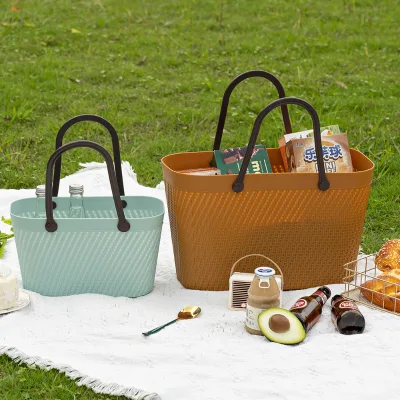
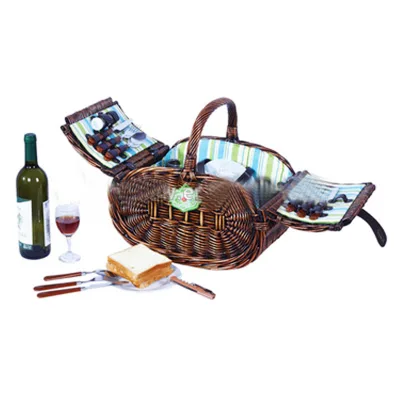
Disposable Picnic Basket 2person Picnic Basket Wholesale Picnic Baskets
$8.13 - $15.24
MOQ: 600 Minimum


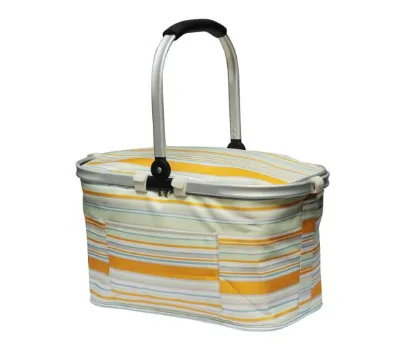


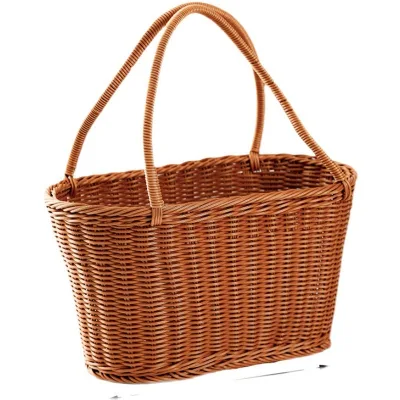
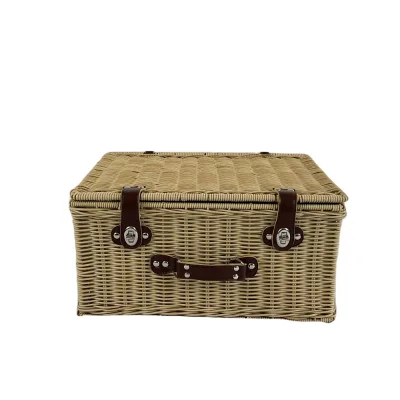


Comprehensive Sourcing Guide
Strategic Sourcing Guide for Multifunction Picnic Baskets
The global market for outdoor and multipurpose storage solutions has seen a significant shift toward versatile, durable, and aesthetically adaptable products. For procurement professionals seeking a "Multifunction Picnic Basket," the current supply landscape offers a diverse array of options ranging from traditional woven designs to modern, molded plastic variants. This guide synthesizes available product attributes, technical specifications, and supply chain realities to provide a disciplined framework for sourcing these items. Buyers must navigate a market where "picnic basket" often serves as a functional descriptor for storage containers that double as transport cases, utility boxes, or decorative home items. The following sections detail the technical parameters, compliance considerations, cost structures, and evaluation criteria necessary for a successful procurement strategy.
Technical Specifications and Material Composition
Understanding the physical and material properties of the product is the first step in defining a precise specification sheet. The current market data indicates a bifurcation in material composition. One prominent category utilizes Polyester as the inside material, often paired with features such as being waterproof, shockproof, and lightweight. These attributes suggest a textile-based construction, potentially suitable for soft-sided storage or travel applications. Conversely, another significant segment of the market offers products made from PP (Polypropylene) or general Plastic, utilizing Injection technics. These rigid containers are characterized by Impact Resistance, Foldable designs, and a Square shape.
The dimensional specifications vary widely depending on the intended use. Some units are engineered for specific capacity ranges, such as 20-29L, with a volume of approximately 11844cm³. Weight specifications for these rigid units can reach 1400g per item, with a packed weight of 4.3kg when included in standard cartons. The packing dimensions for these bulk units are often recorded as 48299.5cm, with a carton quantity of 5 pieces. In contrast, other product lines emphasize a knitting design or Vintage style, with dimensions that may be customized to the buyer's request. Tolerance levels for these manufactured goods are typically strict, with dimensional tolerance often cited as <±1cm and weight tolerance at <±5%.
Buyers must verify whether the product is intended for Home Use, Outdoor Use, or Industrial Use. The presence of a Lid is a critical differentiator; some models are explicitly listed as With Lid, ensuring containment and protection against the elements, while others may be open-top storage solutions. The Style attributes observed in the market include Modern, Vintage, Travel, Sporty, Outdoor, Fashion, Casual, and Business. This diversity implies that the "multifunction" label is applied broadly, covering everything from a fruit basket for a home kitchen to a rugged case for outdoor equipment.
Customization and Branding Capabilities
A defining characteristic of the modern sourcing environment for picnic baskets is the high degree of customization available. Suppliers frequently offer Customization services that extend beyond simple color variations. The Logo can be customized, allowing brands to imprint their identity directly onto the product. This is particularly relevant for companies seeking promotional items or private-label goods. The Color options are extensive; while Black and Green are observed as standard offerings, Customized color options are explicitly available to meet specific brand guidelines.
Size customization is another critical capability. While standard models exist, such as those sized for 17" items or specific 20-29L capacities, the Size is often listed as Customized. This flexibility allows buyers to tailor the internal volume and external dimensions to fit specific products, such as wine bottles, food containers, or electronic equipment. The Standard for the product itself can also be customized, moving away from rigid industry norms to meet unique buyer requirements. The Packing options further support this, with Customary Packing and specific Packing configurations available to optimize logistics.
The Sample Date for these customized items typically ranges from 7-10 Days, indicating a relatively quick turnaround for prototyping. However, the Delivery Date for full production runs is significantly longer, often cited between 35-45 Days. This discrepancy between sample and bulk lead times is a crucial factor in production planning. Buyers should note that the MOQ (Minimum Order Quantity) can vary, with some listings indicating a baseline of 300PCS, while others in the broader market may range from 1 to 2000. This variance necessitates early negotiation to align order volumes with supplier capabilities.
Compliance, Certification, and Quality Standards
When sourcing from international markets, particularly from regions like Zhejiang, China or general China origins, verifying compliance and standards is essential. The provided data lists prod_standard as Customized, which implies that there may not be a single, universally applied standard for all listed products. Instead, the standard is often defined by the buyer's requirements or specific market regulations. For instance, some products are described as Eco-Friendly, a claim that requires verification through material safety data sheets or specific environmental certifications.
Buyers must actively verify the certification status of the supplier and the product. While the text mentions Injection as the technic for plastic items, it does not explicitly confirm compliance with specific international safety standards (such as FDA for food contact or REACH for chemical safety). Therefore, procurement teams should request test results and certification documents before finalizing orders. The dimensional tolerance of <±1cm and weight tolerance of <±5% serve as internal quality benchmarks, but external compliance with destination market regulations is a separate, mandatory step.
The prod_model numbers, such as 25101301 or MUS-2629, serve as unique identifiers for specific SKUs. However, relying solely on these model numbers without cross-referencing with the actual material composition and finish can lead to discrepancies. For example, a model number might correspond to a plastic version in one batch and a textile version in another if the supplier offers multiple variations under the same identifier. Quality control protocols must therefore include physical inspection of the material, finish, and structural integrity against the agreed-upon sample.
Cost Drivers and Pricing Dynamics
The pricing for multifunction picnic baskets is influenced by several variables, including material type, customization level, and order volume. The observed listed price range in the market spans from 1.17 to 28 USD. This wide disparity reflects the difference between basic, mass-produced plastic units and more complex, customized, or premium-design items. The lower end of the spectrum likely corresponds to standard, non-customized plastic baskets with minimal branding, while the higher end may include custom-molded designs, premium materials like high-grade polyester, or complex packaging requirements.
The MOQ acts as a primary cost driver. Orders below the standard 300PCS threshold may incur higher per-unit costs due to the inefficiency of production runs. Conversely, larger orders may benefit from economies of scale, though the lead time of 35-45 Days remains a constant factor regardless of volume. The Packing Weight and Carton Qty also impact logistics costs. A product with a Packing Weight of 4.3kg and a Carton Qty of 5 requires specific freight calculations to ensure optimal container utilization.
Buyers should be aware that Customization often adds to the base cost. While the Logo and Color can be customized, these processes require additional tooling or setup time, which can affect the final price. The Sample Date of 7-10 Days is a fixed cost in terms of time, but the financial cost of samples should also be factored into the total procurement budget. Additionally, the prod_packing method, whether Customary Packing or specific Packing configurations, can influence the overall landed cost due to variations in packaging material expenses.
Supplier Evaluation and Operational Reliability
Evaluating suppliers requires a focus on their ability to meet the diverse specifications observed in the market. The place of origin is frequently listed as Zhejiang, China or generally China, indicating a concentration of manufacturing capabilities in these regions. Buyers should verify the supplier's capacity to handle both small and large orders, given the MOQ range of 1-2000. A supplier that can accommodate a 300PCS order while also managing a 2000PCS run demonstrates operational flexibility.
The delivery date of 35-45 Days is a critical metric for supply chain planning. Suppliers must demonstrate a consistent track record of meeting these timelines. Delays in production can disrupt inventory levels and sales cycles, particularly for seasonal items like picnic baskets. The Sample Date of 7-10 Days is another indicator of supplier responsiveness. A supplier that can provide a sample within this window is likely to have efficient internal processes and a responsive quality control team.
Buyers should also assess the supplier's range of Style options. The market offers Vintage, Travel, Sporty, Outdoor, Fashion, Casual, and Business styles. A supplier capable of producing a wide variety of styles is better positioned to serve diverse market segments. Furthermore, the Product Material options, including Polyester and PP (Polypropylene), should be evaluated for durability and suitability for the intended application. A supplier with a robust inventory of raw materials and a flexible production line is less likely to face supply chain bottlenecks.
Quality Control and Long-Term Procurement Strategy
Implementing a rigorous quality control (QC) process is essential for maintaining product integrity. Given the dimensional tolerance of <±1cm and weight tolerance of <±5%, QC inspections should focus on these specific metrics. Visual inspections for Impact Resistance, Waterproof capabilities, and Foldable functionality are also necessary. For plastic items, checking for Injection defects such as flash or warping is crucial. For textile items, verifying the Inside Material and stitching quality is paramount.
Long-term procurement strategies should prioritize building relationships with suppliers who offer Customization and Eco-Friendly options. As consumer preferences shift toward sustainable products, the ability to source Eco-Friendly materials will become a competitive advantage. Additionally, suppliers who can provide Customized standards and Packing solutions will be better equipped to adapt to changing market demands.
Buyers should also consider the Application of the product. Whether for Home Use, Outdoor Use, Industrial Use, or Multipurpose scenarios, the product must meet the specific demands of its intended environment. A basket designed for Home Use may not withstand the rigors of Industrial Use, and vice versa. Therefore, clear communication of the intended application is vital during the sourcing process.
Comparative Analysis of Product Attributes
To facilitate decision-making, the following table summarizes key attributes observed in the market for multifunction picnic baskets. This comparison highlights the differences between material types, customization options, and performance characteristics.
| Attribute | Textile/Polyester Variant | Plastic/PP Variant |
|---|---|---|
| Primary Material | Polyester | PP (Polypropylene) |
| Key Features | Waterproof, Shockproof, Lightweight | Impact Resistance, Foldable |
| Shape | Variable (often soft-sided) | Square |
| Lid | Variable | With Lid |
| Style | Vintage, Travel, Sporty | Modern, Fashion |
| Customization | Logo, Color, Size | Logo, Color, Size, Standard |
| Typical Weight | Lighter (approx. 1400g for rigid) | Heavier (approx. 1400g) |
| Application | Home, Outdoor, Travel | Home, Outdoor, Industrial |
| Tolerance | <±1cm (Dimensional) | <±1cm (Dimensional) |
This table underscores the importance of selecting the right variant based on the specific needs of the end-user. While both variants offer customization and durability, the material choice dictates the final product's performance in different environments.
Conclusion
Sourcing a Multifunction Picnic Basket requires a nuanced understanding of the diverse product landscape. From the material composition of Polyester to the robust PP (Polypropylene) options, buyers must align their specifications with the intended application. The availability of Customization for logos, colors, and sizes offers significant branding opportunities, but it also necessitates careful planning regarding MOQ, lead times, and quality control. By adhering to the technical specifications, verifying compliance, and evaluating supplier reliability, procurement professionals can secure high-quality products that meet market demands. The observed price range of 1.17-28 USD and the 35-45 Days delivery window provide a baseline for budgeting and scheduling, but flexibility and clear communication remain the keys to a successful sourcing partnership.
FAQs
What materials are used for multifunction picnic baskets?
Materials include polyester for inside lining and PP plastic for rigid structures. Some units feature injection molding techniques, while others offer textile-based construction with waterproof and shockproof attributes for outdoor durability.
Can I customize the logo and color of the basket?
Yes, logo customization is available, and colors like black or green can be customized. Buyers can also request specific size adjustments, though standard options exist for 17-inch items or 20-29 liter capacities.
What is the typical lead time for production?
The delivery date ranges from 35 to 45 days for bulk orders. Sample dates are shorter, typically taking 7 to 10 days, allowing for quick prototyping before committing to larger production runs.
Which capacity sizes are available for these storage baskets?
Available capacities range from 20 to 29 liters with a volume of approximately 11844 cubic centimeters. Some models are designed specifically for 17-inch items, while others offer fully customized sizing options.
How much is the minimum order quantity required?
The standard minimum order quantity is 300 pieces, though market ranges can vary from 1 to 2000 units. Orders below the standard threshold may incur different pricing structures due to production inefficiencies.
Are these baskets suitable for industrial and home use?
Yes, applications include home use, outdoor use, and industrial use. The products are designed as multipurpose storage solutions with features like impact resistance and foldable designs for versatile utility across different environments.