Source Multifunction Freestanding Coat Rack for Bedroom, Living Room, and Shop
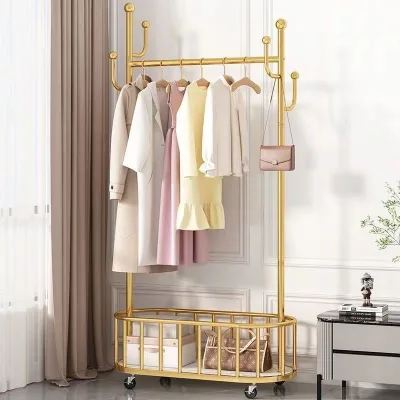
Explore 30 listings of Multifunction Freestanding Coat Rack options designed for bedrooms, living rooms, and retail shops. Buyers can compare models made from iron and metal, featuring modern or fashion styles with floor-mounted installation.
Key considerations
Products List
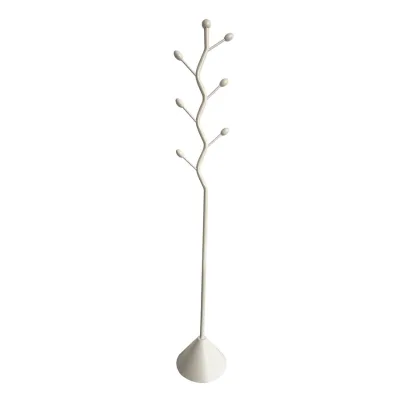

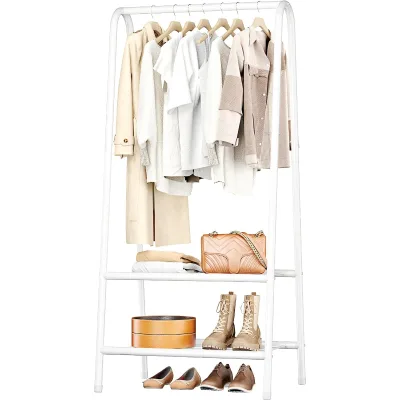
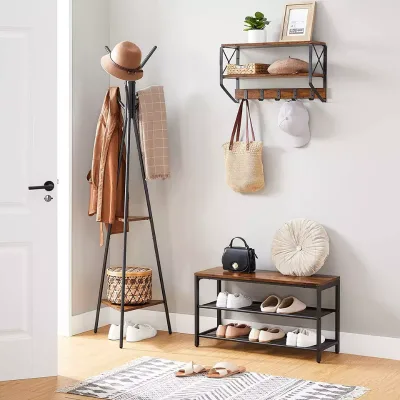


Modern Multi Functional Dressing Rack Wooden Standing Coat Rack with Cabinets
$138.00 - $148.00
MOQ: 10 Pieces

Living Room Dressing Rack Integrated Wooden Bedroom Floor Standing Coat Rack
$88.00 - $98.00
MOQ: 10 Pieces

Modern Wooden Standing Hanger Clothes Display Coat Rack Drawers Storage Dressing Rack
$48.00 - $68.00
MOQ: 30 Pieces

Modern Melamine Wooden Standing Coat Rack White Dressing Rack with Cabinets
$68.00 - $78.00
MOQ: 10 Pieces

Space Saving Wooden Standing Coat Rack Bedroom Furniture Dressing Coat with Mirror
$78.00 - $88.00
MOQ: 10 Pieces

High Quality Clothing Wooden Standing Coat Rack Melamine Dressing Rack with Mirror
$118.00 - $128.00
MOQ: 10 Pieces


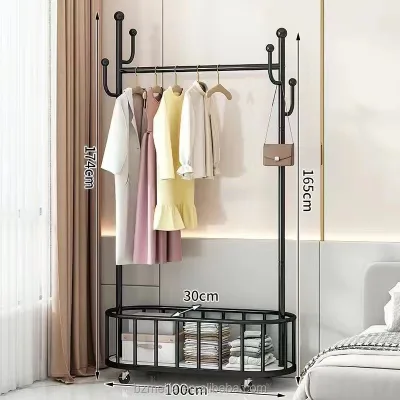


Comprehensive Sourcing Guide
Strategic Sourcing Guide for Multifunction Freestanding Coat Racks
Navigating the global market for multifunction freestanding coat racks requires a disciplined approach that balances aesthetic requirements with rigorous technical verification. For procurement professionals, the distinction between a simple garment holder and a complex storage solution lies in the specific engineering tolerances, material composition, and compliance standards. This guide synthesizes observed market data to provide a framework for evaluating suppliers, ensuring that the final procurement aligns with operational needs while mitigating supply chain risks. The focus remains on evidence-based attributes derived from current product listings, avoiding speculative claims about performance or pricing that cannot be substantiated by available data.
Technical Specifications and Material Integrity
The foundation of any reliable coat rack procurement lies in the precise definition of technical specifications. When evaluating a multifunction freestanding unit, the material composition is the primary determinant of durability and load-bearing capacity. Market observations indicate that Iron and Metal are the predominant materials used in this category. Specifically, listings frequently cite "Iron" as the core material, often finished with a "Glossy" technic to enhance aesthetic appeal and resist corrosion. Buyers must verify that the metal type aligns with the intended environment; for instance, units intended for high-humidity areas like bathrooms or hotels require specific surface treatments to prevent rust, even if the base material is standard iron.
Dimensional accuracy is another critical technical parameter. Observed data suggests a dimensional tolerance of greater than or equal to ±2cm for certain models, such as those with model numbers like HD1332 or FH-CR60152. This tolerance range is significant for buyers integrating these units into tight spaces or standardized room layouts. A tolerance of ±2cm implies that the physical footprint of the unit may vary slightly from the catalog description, necessitating careful measurement during the site planning phase. Furthermore, weight tolerance is often specified as less than ±10% (inclusive). This metric is vital for logistics planning, as it affects shipping costs and the structural stability of the unit once assembled.
The physical configuration of the rack also dictates its functionality. Common attributes include a "Round" or "Column" shape, with a "Single" tier design. However, multifunctionality often introduces variability in shape and installation type. While some units are strictly "Floor Type" or "Floor Mounted," others may offer "Folded" features, though specific listings indicate that certain models are "Non-Folded." The size specifications vary widely, with some units listed as "Regular" or "L" size, while others provide exact dimensions such as 60x36x152cm. Buyers must cross-reference these dimensions against their specific spatial constraints to ensure the unit fits the intended "applicable space," which ranges from bedrooms and living rooms to shops and hotel lobbies.
Compliance Standards and Certification Verification
In the B2B sector, compliance is not merely a formality but a prerequisite for market entry and liability protection. When sourcing from regions like Zhejiang or Jiangsu in China, buyers must rigorously verify the certification status of the products. While some product listings explicitly mention compliance with the "CE" standard, this should not be assumed as a universal attribute for all freestanding coat racks. The presence of a CE mark indicates conformity with health, safety, and environmental protection standards for products sold within the European Economic Area. However, other certifications, such as FSC (Forest Stewardship Council), are often mentioned in broader industry contexts but may not apply to metal-based products like iron coat racks.
Procurement teams should treat certification claims as observations that require validation rather than guaranteed facts. If a supplier claims a product meets a specific standard, the buyer must request the official certificate and verify its validity with the issuing body. Relying on unverified claims can lead to customs delays or legal liabilities, particularly in regulated markets. Additionally, the "Condition" of the product is typically listed as "New," but this should be confirmed through pre-shipment inspections to ensure no manufacturing defects or cosmetic damage have occurred during the production or packaging process.
Cost Drivers and Pricing Structures
Understanding the cost structure of multifunction freestanding coat racks is essential for budgeting and negotiation. The observed price range in the market spans from $0.40 to $148.00 USD, a variance that reflects differences in material quality, design complexity, and order volume. This wide range indicates that the "Selling Units" can vary significantly, with some products sold as single items while others are packaged in bulk. The "MOQ" (Minimum Order Quantity) is a primary driver of unit cost, with observed ranges extending from 1 to 10,000 pieces.
Suppliers often offer tiered pricing based on volume. For example, a specific listing notes an MOQ of 200 pieces, suggesting that orders below this threshold may incur higher per-unit costs or be unavailable. Conversely, larger orders may benefit from economies of scale, reducing the cost per unit. Buyers should also consider the "G.W./N.W." (Gross Weight/Net Weight) as a cost factor; a unit with a gross weight of 18.5kg and net weight of 17.5kg will incur higher shipping costs compared to a lighter alternative. Packaging dimensions, such as an export carton size of 81x42x36cm containing 10 pieces, directly impact the number of units that can be loaded into a shipping container, thereby influencing the overall landed cost.
Typical Applications and Functional Versatility
The versatility of multifunction freestanding coat racks allows them to serve diverse applications across various sectors. The "Style" of these units often aligns with "Modern" or "Fashion" aesthetics, making them suitable for contemporary interior designs. The "Usage" categories are broad, encompassing "Living Room," "Shop," "Display," "Bathroom," "Bedroom," and "Hotel." This adaptability makes them a strategic choice for businesses operating in the hospitality and retail sectors, where both functionality and visual appeal are paramount.
For instance, a "Coat Stand" or "Coat Hanger Stand" designed for a hotel lobby must withstand high traffic and frequent use, requiring robust construction and a "Glossy" finish that is easy to clean. In a retail setting, the unit may serve as a "Display" for clothing, necessitating a specific "Shape" or "No. of tiers" that maximizes visibility. The "Feature" of being "Adjustable" can add significant value in dynamic environments where storage needs change frequently. However, buyers must distinguish between units that are truly adjustable and those that are fixed, as some listings indicate "Folded: No," implying a static structure.
Supplier Evaluation and Origin Verification
Evaluating suppliers requires a deep dive into their operational capabilities and geographic origins. The "Place of Origin" is a critical indicator of supply chain reliability. In this category, products are frequently sourced from "Zhejiang, China" or "Jiangsu," two regions known for their manufacturing expertise in metal and furniture products. However, the presence of multiple origin points suggests a fragmented supply chain, where buyers must verify the specific factory location for each order to ensure consistency in quality.
Brand names such as "MD" and "FOHO" appear in the market, but these should be treated as observations rather than endorsements. Buyers should not assume that a specific brand guarantees superior quality without independent verification. Instead, the focus should be on the supplier's ability to meet the "Customization" requirements. While some listings indicate "Customization: Available," others state "Customized: Non-Customized." This distinction is vital for buyers seeking bespoke solutions, such as specific colors like "White" or "Silver," or unique dimensions.
Quality Control and Inspection Protocols
Implementing a robust quality control (QC) protocol is essential to mitigate the risks associated with manufacturing variances. Given the observed "dimensional tolerance" of ≥±2cm and "weight tolerance" of <±10%, buyers must establish clear acceptance criteria during the inspection phase. Pre-shipment inspections should verify that the physical dimensions of the product fall within the agreed-upon tolerance ranges. Additionally, the "technics" of the finish, such as the "Glossy" coating, must be inspected for uniformity and adhesion to ensure the product meets aesthetic standards.
The packaging process is also a critical component of quality control. Listings mention "brown box or color box" packaging, as well as "Export Carton" options. The "Carton" dimensions and the number of pieces per carton (e.g., 81x42x36cm/10pcs) must be verified to ensure that the packaging protects the product during transit. The "mail packing" attribute, noted as "Y" in some listings, suggests that the product is prepared for mailing, but this should be confirmed to ensure it meets the specific shipping requirements of the destination.
Long-Term Procurement Considerations
Sourcing multifunction freestanding coat racks is not a one-time transaction but a long-term strategic decision. Buyers should consider the "Lead Time" and "PORT" (Port) of shipment, such as "Ningbo," which affects the overall supply chain timeline. The availability of "Customization" options can also influence long-term flexibility, allowing buyers to adapt to changing market trends without switching suppliers. Furthermore, the "Condition" of the product, typically "New," should be maintained through regular quality audits to ensure that the supplier continues to deliver consistent results.
| Attribute | Observation from Market Data | Procurement Verification Action |
|---|---|---|
| Material | Iron, Metal | Verify material grade and corrosion resistance. |
| Tolerance | Dimensional ≥±2cm, Weight <±10% | Conduct physical measurements and weight checks. |
| Origin | Zhejiang, Jiangsu, China | Confirm factory location and audit capabilities. |
| Certification | CE (observed), FSC (background) | Request valid certificates for specific orders. |
| Packaging | Brown/Color Box, Export Carton | Inspect packaging integrity and dimensions. |
| Customization | Available / Non-Customized | Clarify specific customization limits before ordering. |
By adhering to these evidence-based guidelines, procurement professionals can navigate the complexities of the Multifunction Freestanding Coat Rack market with confidence. The key lies in treating product attributes as observations that require verification, rather than absolute guarantees. This disciplined approach ensures that the final procurement delivers the desired functionality, quality, and value, supporting the long-term success of the buyer's operations.
FAQs
What material is used for multifunction freestanding coat racks?
These racks are primarily constructed from iron or metal. Buyers should verify the specific metal type and finish, such as glossy or silver, to ensure durability and resistance to corrosion in the intended environment like a hotel or bedroom.
Can I customize the dimensions of the coat rack?
Customization is available for some models but not all. You must check specific listings for customization status, as some units are non-customized, while others allow changes to color, size, or shape like round or column designs.
What is the typical minimum order quantity for these racks?
The minimum order quantity varies significantly, ranging from one to ten thousand pieces. Specific listings may require an MOQ of 200 pieces, so you must confirm the threshold with the supplier before placing an order to avoid rejection.
Which certifications should I look for in these products?
Some products explicitly list CE certification as a compliance standard. Buyers must request valid certificates for specific orders rather than assuming universal compliance, as certifications like FSC may not apply to metal-based items.
How precise are the dimensions of the freestanding coat racks?
Dimensional tolerance is typically greater than or equal to plus or minus two centimeters. This variance requires careful measurement during site planning to ensure the unit fits the intended space, such as a living room or shop display.
Where are these coat racks typically manufactured?
Products are frequently sourced from Zhejiang or Jiangsu in China. Buyers should verify the specific factory location for each order to ensure consistency in quality, as the supply chain may involve multiple origin points within these regions.
What packaging options are available for shipping these racks?
Packaging includes brown boxes, color boxes, or export cartons. Specific listings may indicate carton dimensions like 81 by 42 by 36 centimeters containing ten pieces, which directly impacts shipping costs and container loading efficiency.