Source Multifunctional Steel Diesel Threshers for Soybean, Wheat, Corn
Find 30 Multifunctional Steel Diesel Threshers with varying capacities and power ratings. Compare specifications for soybean, wheat, and corn processing to select the right machinery for your agricultural needs.
Key considerations
Products List
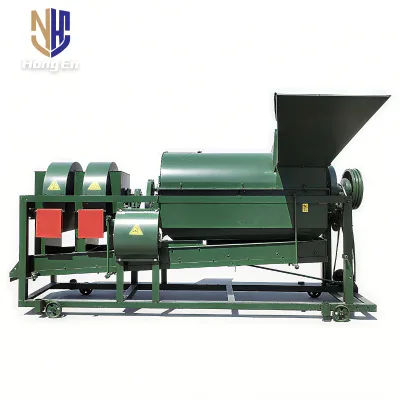


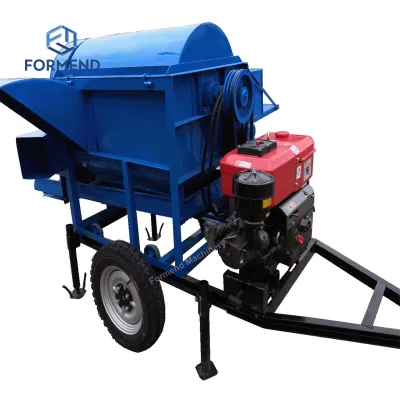
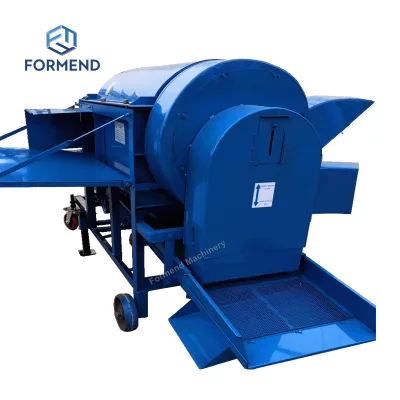
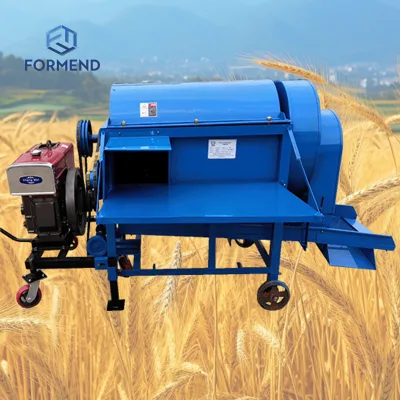
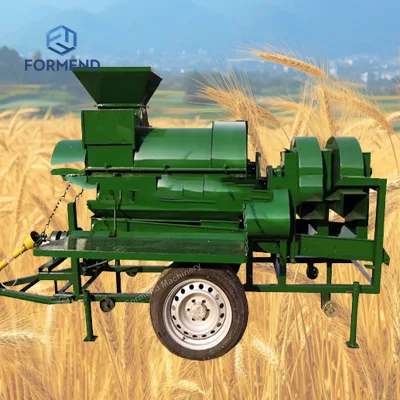
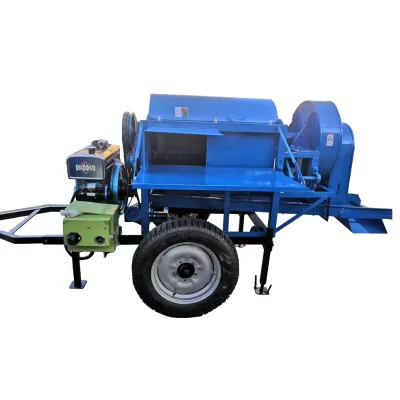
Efficient 900 Type Bean Electric or diesel Dual-use Multifunctional Thresher
$985.08 - $1244.31
MOQ: 1 sets
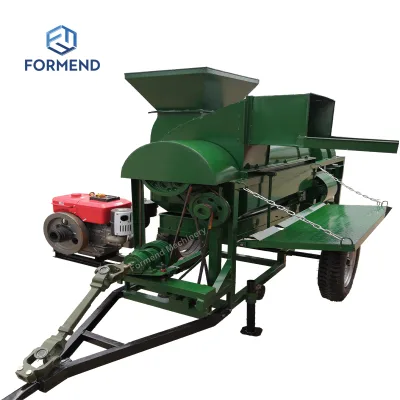
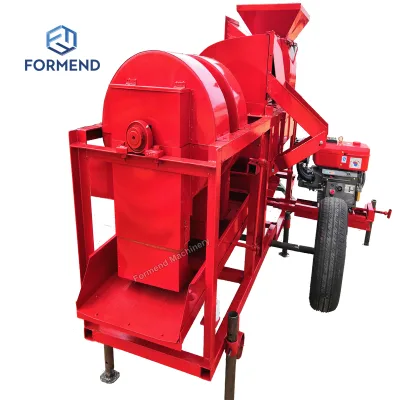




$10000.00 - $500000.00
MOQ: 1 Sets
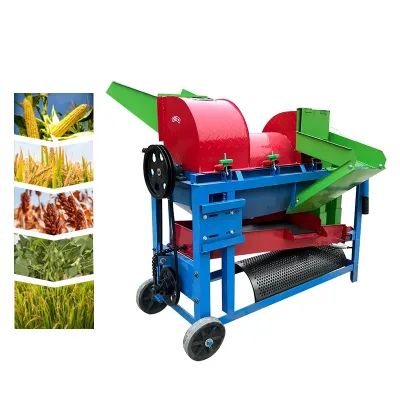
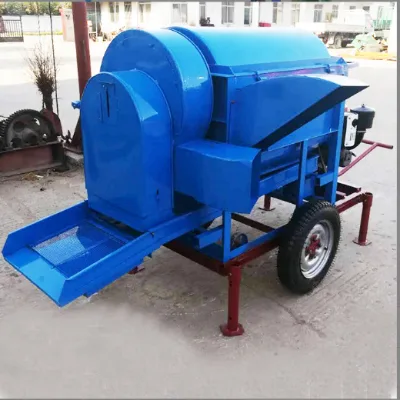
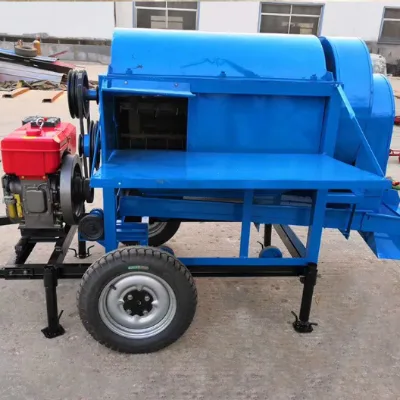
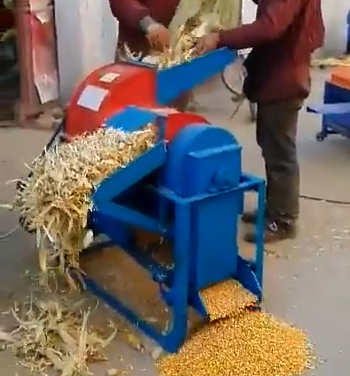
Hot Selling Multi Purpose in Africa Multifunction Small Rice Paddy Thresher
$520.00 - $580.00
MOQ: 1 sets
Comprehensive Sourcing Guide
Multifunctional Steel Diesel Threshers Sourcing Guide
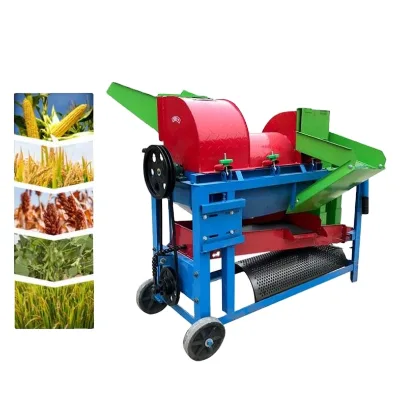
Sourcing Multifunctional Steel Diesel Threshers requires a disciplined approach to aligning machine capabilities with specific crop profiles and operational scales. These machines are engineered to handle a diverse range of agricultural products, including soybeans, peanuts, corn, maize, wheat, rice, and cotton, making them versatile assets for mixed-farm operations. The core mechanical design typically integrates a motor and pump system, driven by either electric or diesel power sources, to facilitate efficient threshing and separation. Buyers must carefully evaluate the power requirements, such as 12HP or 3kw variants, against the available energy infrastructure at the farm or processing site to ensure seamless integration and consistent performance.
The physical footprint and weight of these units vary significantly, ranging from compact vertical models weighing approximately 34kg to large horizontal industrial units exceeding 700kg. This variance dictates the logistical planning required for installation, including foundation preparation and space allocation. For instance, smaller units with dimensions around 780x530x360mm are suitable for small-scale or mobile operations, while larger models measuring 3400x2100x1980mm are designed for stationary, high-volume processing facilities. Understanding these physical constraints is critical for determining whether the equipment can be transported easily or requires specialized heavy-lifting equipment for permanent installation.
Product Scope and Observed Listing Signals
The market for these threshers presents a wide spectrum of specifications, with observed listing prices ranging from $38 to $500,000 USD, reflecting the disparity between basic manual-assist units and fully automated industrial systems. Minimum order quantities (MOQ) are generally low, often between 1 and 10 units, which facilitates trial purchases for smallholder farmers or cooperative groups. However, the price variance also signals differences in build quality, automation level, and after-sales support. Buyers should interpret price points as indicators of the machine’s complexity, with higher costs typically associated with advanced features such as automated impurity separation, higher throughput capacities, and robust steel construction designed for continuous heavy-duty use.
Observed listing signals also highlight the importance of verifying the specific model number and configuration, as terms like "electric type" and "diesel engine type" denote fundamentally different operational ecosystems. Some listings indicate a capacity of 300kg/h for soybeans, while others claim up to 3000kg/h or even 2500-3000kg/h for mixed grains, suggesting that throughput claims are highly dependent on the crop type and moisture content. Additionally, the appearance of the machine, whether horizontal or vertical, impacts the workflow design; vertical models may offer a smaller footprint but require different feeding mechanisms compared to horizontal units that may integrate more easily with conveyor systems.
Technical Specifications to Verify
When evaluating technical specifications, the voltage and power rating are primary determinants of compatibility with local infrastructure. Listings show voltages of 220V and 380V, with power ratings ranging from 2.2kw to 12HP. Buyers must verify that the electrical supply at the destination matches the machine’s requirement, as mismatched voltage can lead to motor failure or inefficient operation. For diesel-powered variants, the engine type and fuel efficiency should be scrutinized, as these factors directly influence the long-term operational cost. The core components, specifically the motor and pump, should be assessed for brand reputation and durability, as these are the most critical parts subject to wear and tear during high-intensity threshing cycles.
Throughput and efficiency metrics are equally critical, with specifications such as a drum rotary speed of 1000rpm and impurity rates of less than 12.0% providing insight into the machine’s separation quality. Buyers should also pay close attention to the total loss rate, which is specified as less than 1.5% for wheat and less than 3.0% for rice; these figures indicate the percentage of grain lost during the threshing process, directly impacting profitability. The overall size and single package dimensions, such as 340x210x198 cm for larger units, must be cross-referenced with warehouse or storage constraints to ensure the machine can be delivered and installed without logistical complications.
Compliance and Safety Documentation
Compliance and safety documentation are non-negotiable elements of the procurement process, particularly when importing machinery from international suppliers. Certifications such as ISO and TUV, as mentioned in some listings, provide a baseline assurance of manufacturing quality and adherence to international standards. However, buyers must verify the validity and scope of these certifications, ensuring they cover the specific model and configuration being purchased. Additionally, machinery test reports should be requested to validate performance claims, such as capacity and loss rates, under controlled conditions. These documents serve as objective evidence of the machine’s capabilities and help mitigate the risk of receiving equipment that does not meet operational expectations.
Safety features and operational manuals are also essential components of the documentation package. Given the high-speed rotating parts and powerful motors involved in threshing operations, machines must be equipped with appropriate guards, emergency stop mechanisms, and clear warning labels. Buyers should ensure that the supplier provides comprehensive operation and maintenance manuals in a language understandable to the end-users. Furthermore, any customization options, such as specific color schemes or structural modifications, should be documented in the contract to ensure that the final product matches the agreed-upon specifications. Proper documentation not only aids in regulatory compliance but also facilitates safer and more efficient operation by the farm staff.
Cost Drivers and Commercial Terms
The total cost of ownership for Multifunctional Steel Diesel Threshers is influenced by several factors beyond the initial purchase price, including shipping, installation, and maintenance. The observed MOQ range of 1-10 units suggests that buyers can negotiate terms based on volume, potentially securing better pricing for larger orders. However, the wide price range indicates that buyers should focus on the value proposition rather than just the lowest cost. Factors such as the material quality, brand reputation of core components, and the availability of spare parts should be weighed against the initial investment. Buyers should also consider the warranty period, which is typically listed as 1 year, and clarify what components are covered and the process for claiming warranty services.
Commercial terms such as payment methods, delivery timelines, and return policies are critical for managing risk. Buyers should negotiate clear terms regarding the delivery of machinery test reports and certification documents before final payment. Additionally, the customization availability should be leveraged to tailor the machine to specific operational needs, such as adjusting the feeding mechanism for different crop types. It is advisable to include clauses in the contract that address potential delays in production or shipping, as well as penalties for non-conformance with agreed-upon specifications. Understanding these commercial terms helps buyers avoid hidden costs and ensures a smoother transaction process.
Supplier Qualification and Quality Control
Supplier qualification is a vital step in mitigating procurement risks, especially when sourcing from international markets. Buyers should verify the supplier’s place of origin, such as Henan or Shijiazhuang in China, and assess their manufacturing capabilities and history. Requesting references from previous clients and reviewing their feedback can provide valuable insights into the supplier’s reliability and after-sales support. Additionally, buyers should inquire about the supplier’s quality control processes, including how they inspect core components like motors and pumps before shipment. A supplier with a robust quality control system is more likely to deliver products that meet the specified performance standards and reduce the likelihood of post-purchase issues.
Quality control should also extend to the packaging and shipping process, as improper handling can damage the machinery during transit. Buyers should ensure that the supplier uses appropriate packaging materials and methods to protect the machine, especially for larger units with dimensions up to 3400x2100x1980mm. The prod_packing method, listed as "Nude" in some cases, may require additional protective measures to prevent corrosion or physical damage. Buyers should also verify the supplier’s ability to provide technical support and training, which is crucial for ensuring that the machine is operated correctly and maintained properly over its lifespan.
Long-Term Procurement Checks
Long-term procurement success depends on establishing a sustainable relationship with the supplier and ensuring the availability of spare parts and maintenance services. Buyers should inquire about the supplier’s inventory of spare parts, such as belts, bearings, and filters, and their lead times for delivery. A reliable supply chain for spare parts is essential for minimizing downtime and maintaining consistent operational efficiency. Additionally, buyers should assess the supplier’s willingness to provide ongoing technical support, including remote troubleshooting and on-site service if necessary. This support is particularly important for complex machines with multiple functional components that may require specialized knowledge to repair.
Finally, buyers should regularly review the machine’s performance against the initial specifications and document any issues or deviations. This data can be used to negotiate improvements or adjustments in future orders and to hold the supplier accountable for product quality. By maintaining a proactive approach to supplier management and quality assurance, buyers can ensure that their investment in Multifunctional Steel Diesel Threshers yields long-term benefits and supports their agricultural operations effectively. Continuous monitoring and feedback loops help in refining procurement strategies and adapting to changing operational needs.
FAQs
What is the warranty period for these threshers?
The warranty period is 1 Year for the supplied units. This coverage applies to the core components including the motor and pump, ensuring reliability for agricultural operations in Henan, China.
Which crops can this multifunctional thresher process?
This machine handles soybean, peanut, corn, maize, rice, wheat, and cotton. It is designed for forestry, agriculture, livestock, and aquaculture applications with high productivity for diverse farming needs.
Can I customize the voltage for this equipment?
Customization is available for voltage requirements. The standard models operate at 380V or 220V, allowing adaptation to different power grids while maintaining the 12HP or 3kw power specifications.
What is the production capacity for soybeans?
The capacity is 300kg per hour based on soybean processing. Some models offer higher throughput up to 3000kg per hour, depending on the specific model number and configuration selected.
How much does the machine weigh?
Weights vary by model, ranging from 65kg to 750kg. The single gross weight for larger units is 700kg, while smaller vertical models weigh approximately 34kg to 750kg.
What certifications do the manufacturers hold?
Certifications include ISO and TUV standards for quality assurance. These documents verify the machinery meets international safety and performance requirements for industrial and agricultural use.
What is the total loss rate for wheat?
The total loss rate for wheat is less than 1.5%. For rice, the loss rate is less than 3.0%, ensuring efficient harvesting with minimal grain waste during the threshing process.