Source Multiple Extrusion Inflatable Swimming Pool for Parks, Gyms, and Parties
Explore 30 listings for Multiple Extrusion Inflatable Swimming Pool options suitable for commercial and residential use. Buyers can compare specifications like size, material, and customization features to find the right solution for playgrounds, gardens, or water parks.
Key considerations
Products List


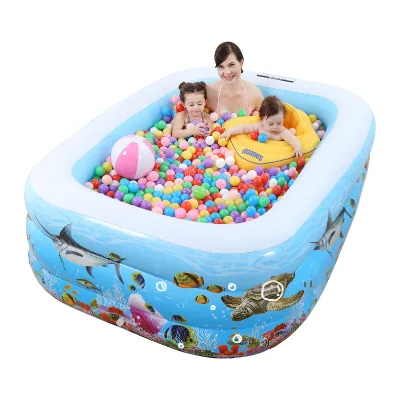


Factory Wholesale Price Versatile Inflatable Swimming Pool for Multiple Occasions
$199.00 - $459.00
MOQ: 1 Pieces


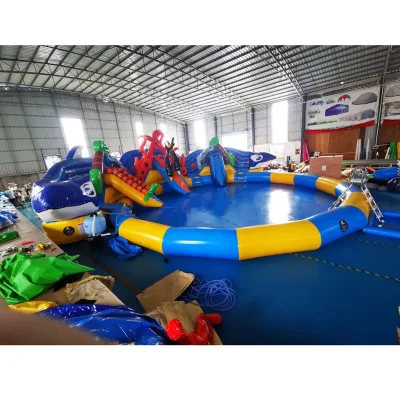


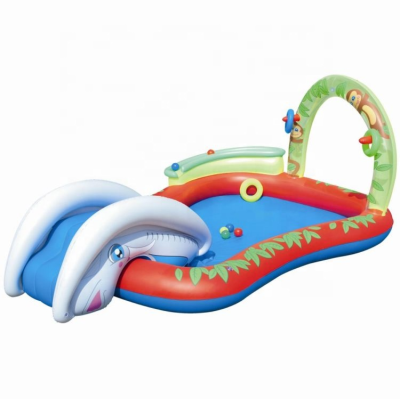
Comprehensive Sourcing Guide
Strategic Sourcing Guide for Multiple Extrusion Inflatable Swimming Pools
Procuring multiple extrusion inflatable swimming pools requires a disciplined approach that balances technical specifications, material integrity, and compliance verification. The market for these large-scale recreational assets is diverse, ranging from backyard units to commercial-grade installations for water parks and public rentals. Buyers must navigate a landscape where product attributes vary significantly between listings. This guide synthesizes observed market data to provide a framework for evaluating suppliers, ensuring that the selected inflatable pools meet operational needs without compromising on safety or durability. The focus remains on evidence-based criteria derived from current product listings and established industry practices for inflatable structures.
Technical Specifications and Material Composition
The foundational element of any inflatable pool procurement is the material composition. Based on observed product data, the industry standard for high-durability inflatable pools utilizes 0.9mm PVC Tarpaulin. This specific thickness is critical for withstanding the hydrostatic pressure of large water volumes and the mechanical stress of frequent use in commercial settings. While some listings mention generic "PVC" material, the 0.9mm specification represents a high-confidence benchmark for commercial-grade units. Buyers should verify that the fabric thickness matches this standard, as thinner materials may fail under the weight of multiple users or in high-temperature environments.
The structural integrity of these pools is often enhanced by a frame system. Observed data indicates that stainless steel frames are a common feature for larger, square, or rectangular configurations. This frame provides the necessary rigidity to maintain the "Big" or "Medium" size specifications observed in the market, preventing the pool walls from collapsing under water pressure. The frame material must be corrosion-resistant, given the constant exposure to water and chlorine. In contrast, smaller or round pool models may rely on internal air chambers or different structural reinforcements rather than a rigid external frame.
Size and shape are variable parameters that dictate the application scope. Listings show a range of configurations, including square, round, and customized dimensions such as 6m x 6m or 7m x 7m. The "Multiple Extrusion" aspect of the core keyword suggests complex manufacturing processes where multiple layers or sections are fused to create larger surface areas. Buyers must confirm the exact dimensions against their site constraints. The "Customized" size option is frequently available, allowing for bespoke solutions that fit specific venue layouts. However, customization introduces variables in lead time and cost that must be factored into the procurement timeline.
Compliance, Certification, and Safety Standards
Safety compliance is non-negotiable when sourcing inflatable pools, particularly for commercial applications involving public access. The market data highlights the EN71 standard as a specific reference point for quality and safety. EN71 is a European standard for the safety of toys, which includes criteria for mechanical and physical properties, flammability, and chemical composition. When evaluating suppliers, buyers should explicitly request documentation confirming that the PVC material and the final assembly meet EN71 requirements. This is particularly relevant for pools intended for children or family use, where the "Age Group" is listed as Adults but the usage often includes younger demographics.
Beyond material safety, structural certifications are vital. The observed data mentions CE certification as a potential attribute for allowable passenger loads. While the specific numerical thresholds for passenger capacity vary, the presence of CE marking indicates that the product has undergone assessment against EU health, safety, and environmental protection standards. Buyers must verify the validity of these certifications through third-party testing reports rather than relying solely on supplier claims. The "Allowable Passenger" capacity is a critical metric; observed listings suggest ranges such as 100-500kg, but these figures must be validated against the specific model's structural design and the number of intended users.
Quality assurance also extends to the manufacturing process. The "Custom" standard noted in some listings implies that the product may be built to specific client requirements rather than a universal mass-production standard. In such cases, the buyer must define the acceptance criteria clearly in the contract. This includes specifying the required tensile strength of the fabric, the durability of the seams, and the resistance to UV degradation. Without a defined standard, the "Custom" designation could lead to inconsistencies in product quality between different batches or orders.
Cost Drivers and Pricing Structures
The pricing landscape for inflatable swimming pools is highly variable, with observed ranges spanning from approximately $13.18 to $15,000 USD. This wide disparity is driven by several key factors, including size, material thickness, frame complexity, and the level of customization. Smaller, round pools with basic PVC construction will naturally fall at the lower end of the spectrum, while large, square commercial units with stainless steel frames and custom dimensions will command premium prices.
The "Negotiable" price attribute observed in multiple listings indicates that the final cost is often determined through direct discussion rather than a fixed catalog price. Buyers should anticipate that the base price will be influenced by the Minimum Order Quantity (MOQ). The data shows an MOQ range from 1 piece to 500 units. For a single unit purchase, the per-unit cost will be significantly higher due to the fixed costs of setup and shipping. Conversely, bulk orders of 500 units can leverage economies of scale, reducing the unit price substantially.
Shipping and packaging also contribute significantly to the total cost of ownership. Observed packaging methods include wooden boxes, cartons, and strong PVC bags. Wooden boxes are typically used for large, fragile units with frames, offering superior protection but adding weight and shipping volume. Cartons and PVC bags are lighter and more cost-effective for smaller units. Buyers must calculate the logistics costs based on the chosen packaging method, as heavy wooden crates can incur substantial freight charges. Additionally, the "Custom Design" and "Logo Printing" services mentioned in the OEM section will add to the overall cost, requiring a detailed budget for branding and customization fees.
Typical Applications and Usage Scenarios
The versatility of inflatable swimming pools allows them to serve a wide array of applications, from private leisure to large-scale commercial operations. The observed "Occasion" attributes include playgrounds, gardens, gyms, and bathrooms, indicating a broad market appeal. However, the "Usage" field highlights more demanding environments such as parties, water parks, zoos, public rentals, and backyards. This distinction is crucial for procurement, as the requirements for a backyard pool differ vastly from those for a public rental facility.
For commercial applications like water parks and amusement parks, the durability and safety standards must be paramount. These venues require pools that can withstand high foot traffic, constant refilling, and rigorous cleaning schedules. The "Commercial Grade" designation in product titles suggests that certain models are engineered for these heavy-duty environments. In contrast, pools intended for backyard or private party use may prioritize ease of setup and aesthetic appeal over industrial-grade durability.
The "Seating Capacity" data presents a dichotomy, with some listings indicating capacities of 6 people and others exceeding 10 people. This variation suggests that the pools are designed for different group sizes. Large-scale public rentals may require pools with capacities exceeding 10 people to maximize revenue per unit. Buyers should match the seating capacity to the expected user volume of their specific venue. For instance, a zoo or public park might require multiple large units to handle peak season crowds, while a private gym might only need a single medium-sized unit for rehabilitation or leisure.
Supplier Evaluation and Verification
Evaluating suppliers for inflatable pools requires a rigorous due diligence process to ensure reliability and product consistency. The "prod_origin" data points to China, specifically Guangzhou, as a primary manufacturing hub. While this region is known for its manufacturing capabilities, buyers must verify the specific factory's track record. The "Condition: New" attribute confirms that the products are manufactured fresh, but buyers should also inquire about the factory's history with similar projects.
The "OEM Service" capabilities, including custom design, color, and logo printing, are significant differentiators among suppliers. Buyers should assess the supplier's ability to execute these customizations accurately. This involves reviewing their design team's expertise, their production timeline for custom orders, and their quality control measures for branding elements. The "Warranty: 5 Years" observed in some listings is a strong indicator of supplier confidence, but buyers must clarify the terms of this warranty. Does it cover material defects, seam failures, or accidental damage? A clear understanding of the warranty scope is essential for risk management.
Supplier communication and responsiveness are also critical. The "Control Way" attribute, ranging from "Hand" to "Computer," suggests varying levels of technological integration in the pool's operation. Suppliers offering computer-controlled features may provide advanced monitoring systems for water circulation or temperature control. Buyers should evaluate the supplier's technical support capabilities to ensure they can assist with the installation and operation of these advanced features.
Quality Control and Long-Term Procurement
Implementing a robust quality control (QC) strategy is essential for long-term procurement success. Given the "Custom" nature of many orders, buyers should establish a pre-shipment inspection protocol. This inspection should verify the fabric thickness, frame integrity, and seam strength against the agreed-upon specifications. The "Repair Kits (Material, Glue)" accessory mentioned in the data suggests that minor repairs are expected over the product's lifecycle. Buyers should ensure that the supplier provides adequate repair materials and clear instructions for maintenance.
Long-term considerations also include the storage and maintenance of the pools. The "prod_packing" methods, such as wooden boxes or strong PVC bags, indicate how the product is prepared for storage. Buyers should plan for appropriate storage facilities that protect the pools from UV exposure and extreme temperatures when not in use. The "5 Years" warranty period implies a long service life, but this is contingent on proper maintenance. Regular inspections for leaks, abrasion, and frame corrosion will extend the lifespan of the asset.
Finally, the procurement strategy should account for scalability. As demand grows, the ability to source additional units quickly is vital. The "MOQ" flexibility observed in the market, ranging from 1 to 500 units, suggests that suppliers can accommodate both small and large orders. However, buyers should establish a standing agreement with a reliable supplier to ensure consistent quality and pricing as their inventory needs expand. This long-term partnership approach minimizes the risk of supply chain disruptions and ensures that the inflatable pools remain a reliable asset for the business.
FAQs
What material is used for commercial inflatable pools?
Commercial inflatable pools typically use 0.9mm PVC Tarpaulin fabric for durability. This thickness withstands hydrostatic pressure and frequent use in settings like water parks or public rentals.
Which frame materials are available for large pools?
Large square or rectangular pools often feature stainless steel frames for structural rigidity. This frame prevents wall collapse under water pressure and resists corrosion in wet environments.
Can I customize the size and shape of the pool?
Yes, customization is available for size and shape, including round or square options. Buyers can request specific dimensions like 6m x 6m or 7m x 7m to fit venue layouts.
What safety standards apply to these inflatable pools?
Many units comply with the EN71 standard for toy safety and quality. Buyers should verify documentation confirming the PVC material and assembly meet these specific safety criteria.
How does the Minimum Order Quantity affect pricing?
The Minimum Order Quantity ranges from 1 piece to 500 units, directly impacting unit cost. Bulk orders of 500 units leverage economies of scale to significantly reduce the per-unit price.
What packaging options are provided for shipping?
Packaging options include wooden boxes, cartons, or strong PVC bags depending on the unit size. Wooden boxes are used for large units with frames to ensure superior protection during transit.