Source Mummy To Be Headband and Shoulder Strap Set for Daily, Party, Travel
Find 30 listings for the Mummy To Be Headband and Shoulder Strap Set designed for daily use, party decoration, and travel. Buyers can compare material options like cloth and fabric, styles, and packaging customization from suppliers in China.
Key considerations
Products List

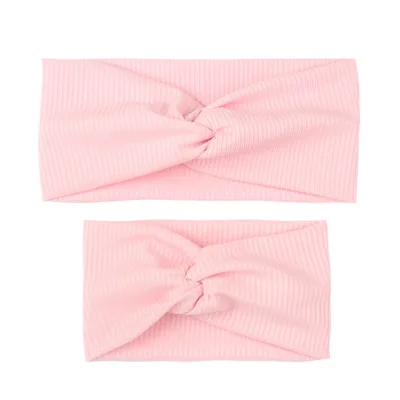


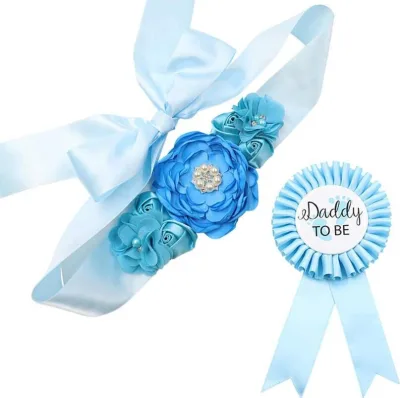
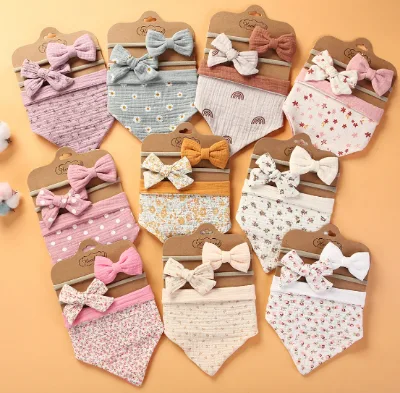
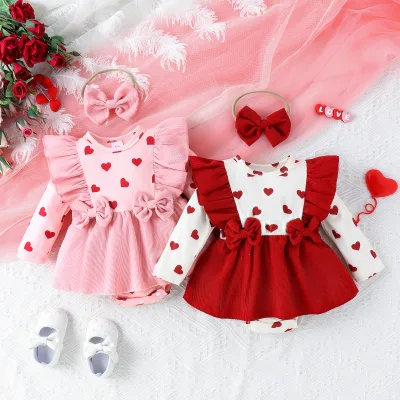

3in1 Set Maternity Tote Bag Portable Diaper Baby Nappy Mommy Backpack Bag
$12.80 - $16.50
MOQ: 2 Pieces


Shoulder 4 in 1set Baby Fabric Diaper Organizer Mommy Nappy Baby Diaper Bag
$5.58 - $6.86
MOQ: 100 Pieces

New Design 2 in 1 Set PU Leather Quilted Mommy Baby Nappy Diaper Bag Backpack
$9.60 - $10.80
MOQ: 300 Pieces


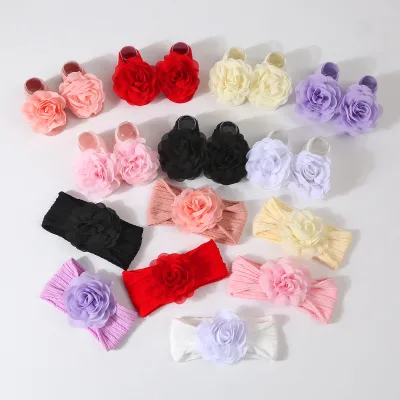
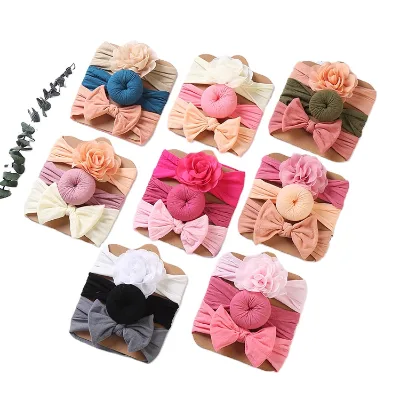
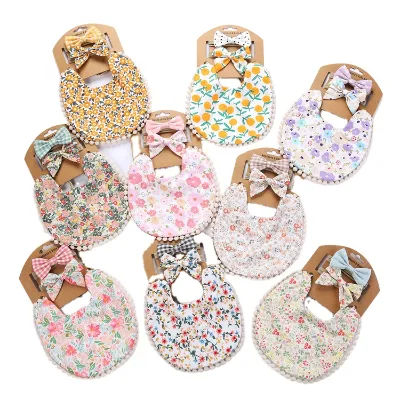
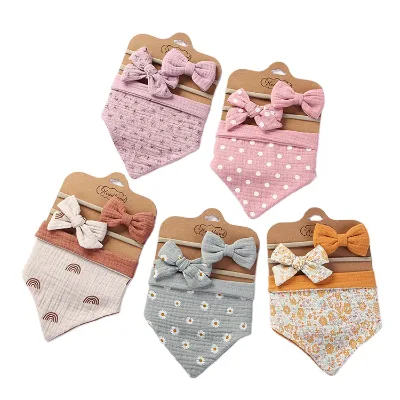
Comprehensive Sourcing Guide
Strategic Sourcing Guide for Mummy-to-Be Headband and Shoulder Strap Sets
Navigating the global market for maternity and family-oriented accessories requires a nuanced understanding of product specifications, supply chain logistics, and quality assurance protocols. The specific category of "mummy to be headband and shoulder strap sets" represents a niche segment within the broader apparel and party decoration industry. Buyers seeking these items must distinguish between generic fashion accessories and specialized sets designed for maternity announcements, baby showers, or family coordination. This guide provides a structured approach to sourcing these products, leveraging observed market data and established procurement principles to ensure a successful supply chain partnership.
Understanding Product Specifications and Variations
The first step in sourcing any textile accessory is a rigorous analysis of technical specifications. In the current market, products labeled as "mummy to be" sets often vary significantly in their construction, materials, and dimensions. Observed data indicates that these items are frequently categorized under "Kids" or "Parent-child" applications, suggesting a dual-purpose design that appeals to both the expectant mother and her children.
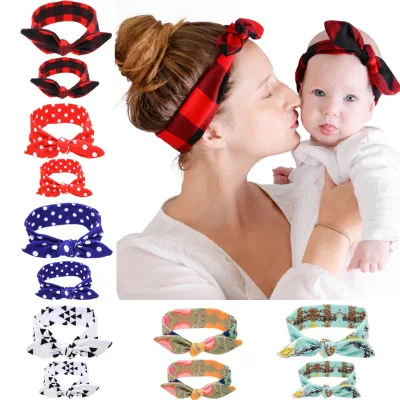
Material composition is a primary differentiator. While some listings specify "Cloth" or "Fabric" as the primary material, others utilize vague descriptors like "As description." This ambiguity necessitates a clear request for material composition details, including fiber content (e.g., cotton, polyester, elastic blends) and finish treatments. The observed product attributes highlight a preference for specific styles, such as "European and American Style" or "Fashion" designs, often featuring elements like "Pattern," "Plaid," or "Printing/Dyeing."
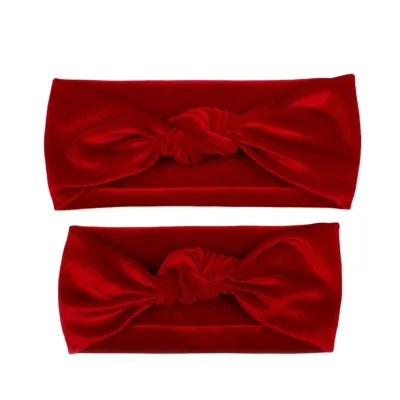
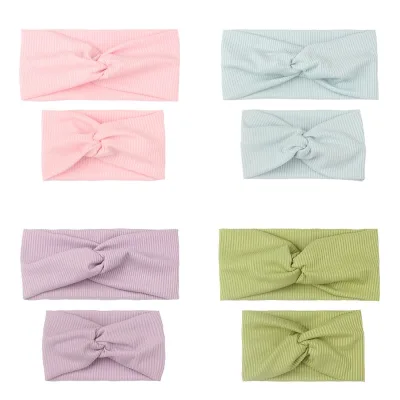
Dimensions and sizing are equally critical. Market observations reveal a wide range of single package sizes, from compact 1x1x1 cm units to larger 23x16x1 cm packages. Specific model numbers, such as WBCRFD-042 or C4-7-4, often correspond to distinct design iterations. For instance, some sets are defined by specific headband circumferences, such as 85x6.5 cm, while others offer multiple sizes, including "Large: 23x10cm" and "Small: 18x9cm." Buyers must verify that the shoulder strap components, if included, match the intended weight-bearing capacity and comfort levels for the specific use case, whether for daily wear or party decoration.
Compliance, Certification, and Safety Standards
When sourcing textile products for maternity and family use, compliance with safety standards is non-negotiable. Although the supplied data does not list specific certification numbers, buyers must proactively verify that products meet the safety regulations of their target market. For products originating from major manufacturing hubs like Zhejiang, Anhui, and Henan in China, suppliers should be able to provide documentation regarding chemical safety, specifically concerning formaldehyde, azo dyes, and heavy metals.
The "Standard" field in some product listings explicitly states "no," which is a significant red flag for international buyers. This indicates a lack of adherence to formalized testing protocols. Procurement teams should treat this as a requirement for the supplier to obtain third-party testing reports before shipment. For products intended for children or family use, compliance with standards such as CPSIA (Consumer Product Safety Improvement Act) in the United States or EN71 in Europe is essential.
Furthermore, the "Occasion" attribute often lists "Daily" or "Party Decoration sets." Products marketed for daily use, especially those involving close skin contact for expectant mothers, must be hypoallergenic and free from irritants. Buyers should request proof of compliance with Oeko-Tex Standard 100 or equivalent regional certifications to ensure the textiles are safe for sensitive skin. Without explicit certification data in the initial listing, the burden of verification falls entirely on the buyer to include these requirements in the purchase agreement.
Cost Drivers and Pricing Dynamics
The pricing structure for mummy-to-be headband and shoulder strap sets is influenced by several variable factors. The observed price range in the market spans from $0.50 to $19.00 USD. This wide disparity is not merely a reflection of brand value but is driven by material quality, customization complexity, and order volume.
Low-cost items in the $0.50 to $2.00 range typically utilize basic "Cloth" or "Fabric" with standard printing techniques and minimal packaging, often limited to "Opp bag" options. These items usually have a high Minimum Order Quantity (MOQ), ranging from 1 to 2000 units, which can impact the unit cost significantly. Conversely, items priced higher, potentially reaching the upper end of the observed range, likely feature premium materials, custom branding (OEM/ODM), and more elaborate packaging solutions.
The "Packaging customization" attribute is a key cost driver. While standard packaging is often a simple Opp bag, custom packaging adds to the unit cost but enhances the product's value for retail or gifting purposes. Additionally, the "Service" attribute, such as "24 Hours" response times, and specific "Payment Terms" (TT, Western Union, PayPal, Trade assurance) can influence the overall transaction cost. Buyers should analyze the total landed cost, including shipping and duties, rather than focusing solely on the unit price, as the "Single gross weight" (ranging from 0.044 kg to 0.070 kg) directly impacts freight charges.
Typical Applications and Market Positioning
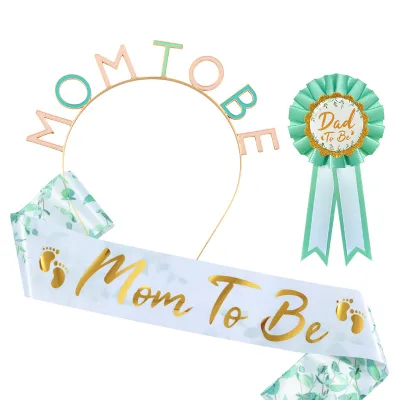
The versatility of these products allows for diverse applications, which should guide the sourcing strategy. The "Application" field frequently cites "Parent-child" and "Party Decoration sets," indicating that these items are often used for coordinated family photos, baby showers, and maternity announcements. The "Suitable for" attribute, specifically noting "Girls," suggests that some designs are targeted at younger family members, while the "MOM TO BE three-piece set" designation points to a specialized segment for expectant mothers.
The "Style" attributes, such as "European and American Style" or "Fashion," suggest that these products are designed to align with current Western trends, making them suitable for export markets. The "Elements" like "Pattern," "Plaid," and "Printing/Dyeing" allow for seasonal variations, with "Spring & Autumn" being a noted season. This seasonality implies that buyers should plan their inventory cycles to align with these periods to maximize sales potential.
Furthermore, the "Usage" attribute listing "Home+Travel" indicates that these sets are designed for portability and convenience. This dual-purpose functionality makes them attractive for buyers targeting both retail consumers and event planners. Understanding these applications helps in selecting the right product variants that match the specific needs of the target demographic, whether it is for a boutique maternity store or a party supply distributor.
Supplier Evaluation and Geographic Considerations
Geographic location plays a pivotal role in supplier evaluation. The observed data highlights three primary manufacturing regions: Zhejiang, Anhui, and Henan, all in China. Each region may have different specializations and supply chain efficiencies. Zhejiang is known for its robust textile industry, while Anhui and Henan also have significant manufacturing capabilities.
When evaluating suppliers, buyers should look beyond the "Place of Origin" and assess the supplier's capacity for "Customization." The "Brand Name" is often listed as "OEM" or "OEM/ODM," indicating that these suppliers are accustomed to producing private-label goods. However, the presence of "OEM" does not guarantee quality; it simply means the supplier is willing to brand the product. Buyers must verify the supplier's track record in handling custom orders, including their ability to manage "Stock Color" availability (e.g., 12 colors available) and specific model numbers.
The "Delivery Time" is another critical evaluation metric. Observed lead times of "3-7 Working Days" suggest a relatively agile supply chain, but this may vary based on order volume and customization requirements. Buyers should confirm if this lead time applies to stock items or if it extends for custom orders. Additionally, the "Service" level, such as 24-hour response times, is a strong indicator of supplier reliability and communication efficiency.
Quality Control and Long-Term Procurement Strategies
Implementing a robust quality control (QC) plan is essential for mitigating risks associated with textile sourcing. Given the variation in "Material" descriptions and the absence of explicit "Standard" certifications in some listings, buyers should implement a multi-stage QC process. This includes pre-production sample approval, in-process inspections, and pre-shipment inspections.
For the "Mummy to be" category, specific QC checks should focus on the durability of the "Elastic Hair Bands" and the integrity of the "Bowknot" shapes. The "Single gross weight" should be verified to ensure consistency across batches, as weight discrepancies can indicate material shortages or quality issues. Buyers should also inspect the "Color" consistency, ensuring that shades like "Sapphire blue white dot" or "Big red and white dot" match the approved samples without significant fading or bleeding.
Long-term procurement strategies should focus on building relationships with suppliers who demonstrate flexibility and reliability. The availability of "Payment Terms" like Trade assurance offers a layer of financial security, but buyers should also consider diversifying their supplier base to mitigate supply chain disruptions. Establishing clear communication channels and agreeing on detailed specifications in the purchase order will help maintain consistency. Finally, buyers should plan for scalability, ensuring that the supplier can handle increased volumes as the business grows, without compromising on quality or delivery timelines.
Comparative Analysis of Product Attributes
To facilitate better decision-making, the following table summarizes key observed attributes across different product listings. This comparison highlights the variability in specifications that buyers must navigate.
| Attribute | Observation A | Observation B | Observation C |
|---|---|---|---|
| Place of Origin | Zhejiang, China | Anhui, China | Henan, China |
| Material | Cloth | Fabric | As description |
| Model Number | WBCRFD-042 | C4-7-4 | LTM-HB31 |
| Single Package Size | 20x15x4 cm | 1x1x1 cm | 23x16x1 cm |
| Weight | 0.050 kg | 0.044 kg | 0.070 kg |
| Style | European and American | Fashion | (Not specified) |
| Application | Parent-child | Party Decoration sets | Home+Travel |
| Packaging | Opp bag | Opp Bag or Custom | Opp Bag or Custom |
| Lead Time | Not specified | Not specified | 3-7 Working Days |
| Customization | Available | Available | Available |
This table underscores the importance of verifying specific details before placing an order. While all products share the core function of being headband sets, the differences in dimensions, weight, and origin suggest that buyers must treat each listing as a unique product requiring individual due diligence. By systematically evaluating these attributes against specific procurement needs, buyers can ensure they source high-quality, compliant, and cost-effective mummy-to-be headband and shoulder strap sets.
FAQs
What materials are used for mummy to be headband and shoulder strap sets?
These sets typically use cloth or fabric materials as described in product listings. Some items specify cloth while others list fabric, and a few use vague descriptions requiring clarification. Buyers should request specific fiber content details to ensure safety and comfort for expectant mothers and children.
Which locations produce these headband and shoulder strap sets?
Products originate from Zhejiang, Anhui, and Henan provinces in China. Each region hosts manufacturers capable of producing these textile accessories. Buyers should verify the specific place of origin for each supplier to understand regional manufacturing capabilities and logistics implications.
How long is the delivery time for these sets?
Some suppliers offer a delivery time of 3 to 7 working days for these items. This lead time applies to specific model numbers and may vary based on customization needs. Buyers must confirm if this timeframe covers stock items or custom orders before finalizing procurement plans.
Can buyers customize the packaging for these sets?
Yes, packaging customization is available with options like Opp bags or custom designs. Standard packaging often uses simple Opp bags, while custom options enhance retail value. Buyers should specify their packaging requirements early to ensure the supplier can meet the desired branding and presentation standards.
What is the price range for these sets?
The observed price range spans from 0.50 to 19.00 USD per unit. Costs vary based on material quality, customization complexity, and order volume. Lower prices often correspond to basic cloth items with minimal packaging, while higher prices reflect premium features and custom branding services.
Which certifications should these sets have for safety?
Many listings do not explicitly state certifications, with some noting no standard compliance. Buyers must proactively verify safety standards like Oeko-Tex or CPSIA for textile safety. It is essential to request third-party testing reports to ensure products are free from harmful chemicals and safe for sensitive skin.