Source Multistage Submersible Water Pump for Cities Factories Mines
Compare 30 Multistage Submersible Water Pump options from verified Chinese suppliers. Explore models like SPA and QJ with varying capacities up to 500m3/H, voltages of 380V, and certifications including ISO 9001:2015 for industrial water applications.
Key considerations
Products List


Comprehensive Sourcing Guide
Strategic Sourcing Guide for Multistage Submersible Water Pumps
The procurement of multistage submersible water pumps represents a critical decision point for industrial and municipal infrastructure projects. These pumps are engineered to deliver high head pressures by utilizing multiple impellers in series, making them indispensable for deep well applications, high-rise building water supply, and industrial processing where standard single-stage units cannot generate sufficient pressure. Sourcing these complex mechanical assets requires a disciplined approach that balances technical performance, regulatory compliance, and supply chain reliability. Buyers must navigate a landscape where specifications vary significantly between manufacturers, and the distinction between standard and customized units is often blurred in marketing materials. This guide provides a structured framework for evaluating potential suppliers and selecting equipment that aligns with specific operational requirements without relying on unverified claims.
Technical Architecture and Performance Specifications
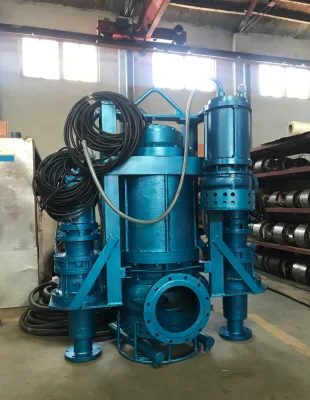
Understanding the internal architecture of a multistage submersible pump is the first step in defining procurement requirements. The fundamental design principle involves stacking multiple impellers on a single shaft within a submerged motor housing. This configuration allows the fluid to gain pressure incrementally as it passes through each stage, achieving total heads that can exceed 600 meters in high-performance models. When evaluating potential units, buyers should verify the structural classification, noting that some suppliers offer single-stage configurations while others specialize in multistage assemblies. The theoretical basis for these units is typically centrifugal, relying on rotational kinetic energy to move fluid.
Key performance metrics must be scrutinized against actual project needs. The maximum head capability is a primary differentiator, with some advanced models capable of reaching 600 meters. However, the flow rate, or maximum capacity, varies widely; observed ranges in the market span from 100 to 200 liters per minute up to 500 cubic meters per hour. The driving type is almost exclusively electric, often requiring specific voltage inputs such as 380V, which necessitates a thorough review of the site's power infrastructure. The rotation speed is another critical parameter, with observed operational speeds reaching 5000rpm. This high rotational velocity demands precise engineering to maintain coaxiality, with tolerance levels as tight as 0.02mm to prevent vibration and premature bearing failure.
Material selection is paramount for longevity, particularly in submersible environments where corrosion and erosion are constant threats. Stainless steel is a standard material choice for critical components, offering robust resistance to rust and chemical degradation. The elongation properties of the materials used should be considered, with observed values around 3.5%, indicating the ductility required to withstand operational stress without fracturing. The surface finish of the internal components also plays a role in efficiency; surface roughness values like Ra3.2 are common, but smoother finishes can reduce hydraulic losses. Buyers must ensure that the specific model selected matches the intended application, whether it is for clarified water, submersible extraction, or industrial circulation.
Manufacturing Processes and Customization Capabilities
The production method of a multistage submersible pump significantly influences its cost, durability, and precision. A prevalent manufacturing technique observed in the industry is the lost wax casting process, which allows for the creation of complex geometries in metal components with high dimensional accuracy. This method is often paired with pressure casting for specific molding requirements. The resulting parts undergo rigorous surface preparation, including polishing, to ensure smooth fluid dynamics and reduce wear. The machining tolerance for critical components is a vital quality indicator, with precision levels of +/-0.02mm being a benchmark for high-quality units.
Customization is a defining feature of the multistage pump market. Most suppliers offer extensive customization support, including OEM, ODM, and OBM services. This flexibility allows buyers to tailor the pump to specific site conditions, such as unique well diameters, specific voltage requirements, or specialized material needs. The product model designation often reflects these customizations, with identifiers ranging from generic codes like "SPA" or "QJ" to specific configurations like "SP1000MULTI C" or "SPP-370F." The standard of the product itself may be described as "customized" or "different size," indicating that the unit is built to order rather than off-the-shelf.
Packaging and transportation logistics are also part of the manufacturing and delivery equation. Depending on the size and value of the unit, packaging may range from plywood boxes and cartons to heavy-duty wooden cases. For international procurement, transportation is typically arranged by sea, requiring robust packaging to prevent damage during transit. The origin of the product is a significant factor in lead times and logistics costs, with major manufacturing hubs located in regions such as Weifang and Shijiazhuang in China. Buyers should verify the specific origin of the unit they are purchasing, as this can impact shipping costs and delivery schedules.
Compliance, Certification, and Standards Verification
Navigating the regulatory landscape is essential for ensuring that purchased pumps meet safety and quality standards. The industry often references international standards such as ASME, which governs the design and fabrication of pressure vessels and related equipment. While specific certification statuses like CE may be mentioned in general market contexts, buyers must verify the actual certification documents provided by the supplier rather than assuming compliance based on general knowledge. The ISO 9001:2015 certification is a widely recognized standard for quality management systems, and its presence, along with SGS certification, indicates a supplier's commitment to consistent quality control.
When evaluating compliance, buyers should look for explicit documentation rather than relying on product descriptions alone. The distinction between standard and non-standard products is crucial; some units are built to standard specifications, while others are custom-engineered to meet unique project requirements. For customized units, the standard may be defined as "give size when finish," meaning the final dimensions are determined during the manufacturing process based on the buyer's input. This requires clear communication and detailed engineering drawings to ensure the final product meets the intended specifications.
Verification of certifications should extend beyond the product itself to include the manufacturing facility. A supplier with ISO 9001:2015 certification should have a documented quality management system that covers the entire production process, from raw material sourcing to final assembly. The presence of SGS certification further validates the product's adherence to international safety and quality benchmarks. Buyers must request copies of these certificates and verify their validity with the issuing bodies to avoid purchasing non-compliant equipment that could lead to operational failures or regulatory penalties.
Cost Drivers and Economic Considerations
The total cost of ownership for a multistable submersible pump is influenced by a complex array of factors beyond the initial purchase price. The observed price range in the market is vast, spanning from $2.9 to $1100, reflecting the diversity of models, sizes, and customization levels available. Low-cost units typically represent basic, single-stage, or small-capacity pumps, while high-end multistage units with advanced materials and custom engineering command premium prices. The minimum order quantity (MOQ) also varies, ranging from 1 unit for custom projects to 100 units for bulk procurement, which can significantly impact the unit cost.
Material costs are a primary driver of pricing. Stainless steel components are more expensive than cast iron alternatives but offer superior longevity and corrosion resistance. The complexity of the manufacturing process, such as the use of lost wax casting and precision machining, also adds to the cost. Customization requirements, including specific voltage ratings, unique dimensions, or specialized surface treatments, will further increase the price. Buyers should consider the trade-off between initial cost and long-term performance; a cheaper pump may require more frequent maintenance or replacement, ultimately costing more over its lifecycle.
Logistics and packaging costs are additional considerations. The weight of the pump, which is often customized, affects shipping costs. Packaging requirements, such as wooden cases versus cartons, also influence the final price. Transportation by sea is standard for international orders, but the specific route and shipping terms (e.g., FOB, CIF) will determine the buyer's total expenditure. Buyers should request detailed quotes that break down the cost of the unit, packaging, and shipping to ensure a transparent comparison between suppliers.
Typical Applications and Operational Scope
Multistage submersible pumps are designed for a wide range of applications, each with unique operational demands. The primary application scope includes cities, factories, railways, mines, and general water sites. In municipal settings, these pumps are used for water supply in high-rise buildings where high head pressure is required to overcome elevation differences. In industrial environments, they are utilized for boiler feed water, cooling water circulation, and chemical processing where reliable, high-pressure fluid movement is essential.
The specific application dictates the pump's configuration. For example, clarified water pumps are designed for applications where water quality is critical, requiring materials and finishes that prevent contamination. Submersible pumps are specifically engineered for underwater operation, featuring sealed motor housings and corrosion-resistant materials. The performance characteristics, such as "no leakage" and "automatic pump" capabilities, are crucial for applications where reliability and safety are paramount. The driving type, typically electric, must be compatible with the available power supply, and the voltage rating (e.g., 380V) must match the site's electrical infrastructure.
Buyers should also consider the environmental conditions of the application site. Factors such as water temperature, pH levels, and the presence of abrasive particles can affect pump performance and lifespan. The maximum capacity and head requirements must be carefully calculated to ensure the selected pump can handle the peak demand without operating at the edge of its performance curve. Understanding the specific application scope is essential for selecting a pump that will deliver reliable performance over its intended service life.
Supplier Evaluation and Quality Assurance Protocols
Selecting the right supplier is as critical as selecting the right pump. Buyers should evaluate potential suppliers based on their manufacturing capabilities, quality control processes, and track record. The presence of certifications like ISO 9001:2015 and SGS is a strong indicator of a supplier's commitment to quality. However, buyers should also verify the supplier's experience with multistage submersible pumps specifically, as this is a specialized field requiring precise engineering and manufacturing expertise.
Quality control protocols should be a key part of the supplier evaluation process. Buyers should inquire about the testing procedures used to verify pump performance, including pressure testing, flow rate verification, and vibration analysis. The machining tolerance of +/-0.02mm and the coaxiality of 0.02 are specific metrics that should be verified through inspection reports. Suppliers should be able to provide documentation that confirms these tolerances are met in every unit produced.
Long-term procurement considerations include the availability of spare parts, technical support, and warranty terms. A supplier that offers comprehensive after-sales support can help minimize downtime and extend the life of the pump. Buyers should also consider the supplier's location and lead times, as these factors can impact project schedules. Suppliers based in Weifang or Shijiazhuang may offer different lead times and logistics advantages depending on the buyer's location.
Long-Term Procurement and Lifecycle Management
Sourcing multistage submersible pumps is not a one-time transaction but part of a long-term lifecycle management strategy. Buyers should plan for the entire lifecycle of the pump, from initial installation to eventual decommissioning. This includes budgeting for regular maintenance, spare parts replacement, and potential upgrades. The customized nature of many pumps means that spare parts may not be readily available off-the-shelf, requiring a relationship with a supplier who can provide custom components.
Energy efficiency is another long-term consideration. While the initial cost of a high-efficiency pump may be higher, the savings in electricity costs over the pump's lifespan can be substantial. Buyers should evaluate the power consumption and efficiency ratings of different models to make an informed decision. The automatic pump features and performance characteristics should be optimized to reduce energy waste and operational costs.
Finally, buyers should establish a clear communication channel with their supplier for ongoing support. This includes regular inspections, performance monitoring, and timely response to any issues that arise. By taking a proactive approach to procurement and lifecycle management, buyers can ensure that their multistage submersible pumps deliver reliable performance and maximize their return on investment over the long term.
FAQs
What customization options are available for multistage submersible water pumps?
Suppliers offer extensive customization including OEM, ODM, and OBM support. Buyers can specify dimensions, voltage, and material requirements to match unique site conditions.
Which certifications ensure quality for Multistage Submersible Water Pump manufacturers?
High-confidence facts indicate ISO 9001:2015 and SGS certifications are available. These standards verify the supplier's commitment to consistent quality control and safety benchmarks.
How is the maximum head capacity defined for these pumps?
Advanced models can achieve a maximum head of 600 meters. This high pressure is generated by stacking multiple impellers in series within the submerged motor housing.
What materials are used for the pump components?
Stainless steel is a standard material choice for critical components. This material offers robust resistance to rust and chemical degradation in submersible environments.
Can the pump rotation speed reach 5000rpm?
Yes, observed operational speeds can reach 5000rpm. This high velocity requires precise engineering with coaxiality tolerance of 0.02mm to prevent vibration.
What is the typical MOQ for ordering these pumps?
The minimum order quantity ranges from 1 to 100 units. This flexibility allows for both custom single-unit projects and bulk procurement needs.
Which manufacturing processes are used for these pumps?
Lost wax casting and pressure casting are prevalent manufacturing techniques. These methods allow for complex geometries and high dimensional accuracy in metal components.