Source Mushroom Growing Cold Room for Food, Blood, Medicine
Find 30 Mushroom Growing Cold Room options tailored for factory production. Compare features like direct cooling, various panel thicknesses, and smart cooling systems to find the right fit for your facility; compare the available evidence and request quotations based on your requirements.
Key considerations
Products List


$19.00 - $39.00
MOQ: 10 Square Meters
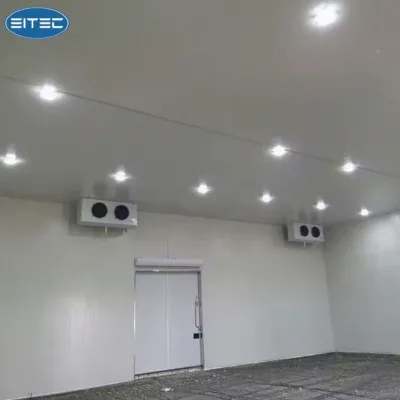


Good Quality Prefabricated Cold Room for Mushroom Cultivating and Growing
$2000.00 - $5000.00
MOQ: 1 Pieces


Good Quality Prefabricated Cold Room for Mushroom Cultivating and Growing
$7600.00 - $7800.00
MOQ: 1 Pieces


Runte Good Quality Prefabricated Cold Room for Mushroom Cultivating and Growing
$3500.00 - $4500.00
MOQ: 1 Pieces

Runte Brand Walk in Cooler Mushroom Cultivating and Growing Cold Storage Room
$4300.00 - $5000.00
MOQ: 1 Pieces

Runte Brand Mushroom Cultivating and Growing Freezer Room Cold Storage
$4300.00 - $5000.00
MOQ: 1 Pieces


Mushroom Cultivating Cold Room Large-Scal Cold Storage for Vegetables
$1000.00 - $1000000.00
MOQ: 1 Sets

Competitive Price Cold Room 20ton Cold Storage Room Cold Room for Mushroom
$1000.00 - $50000.00
MOQ: 1 Sets

High Quality Cold Room for Mushroom Cultivation and Sandwich Panel Cold Room
$1000.00 - $1000000.00
MOQ: 1 Sets

Easy-to-Install Cold Room for Mushroom with Constant Temperature Cold Storage
$1000.00 - $1000000.00
MOQ: 1 Sets

Mushroom Growing Cold Room Storage Walk in Freezer Cool Room with NSF
$3800.00 - $7800.00
MOQ: 1 Pieces


Comprehensive Sourcing Guide
Mushroom Growing Cold Room Sourcing Guide
Procuring a specialized cold room for mushroom cultivation requires identifying units designed for precise humidity and temperature control, as these environments directly impact yield and quality. The observed market listings indicate a wide price spectrum, ranging from entry-level units to high-capacity industrial systems, reflecting differences in insulation thickness and refrigeration capacity. Buyers must distinguish between general-purpose storage and production-grade facilities, as the latter often feature robust condensing units and advanced defrosting mechanisms essential for continuous fungal growth cycles.
When evaluating potential suppliers, it is critical to verify that the listed product attributes align with the specific biological needs of mushroom varieties. The available data highlights options with panel thicknesses varying from 50mm to 200mm, which directly influences thermal efficiency and energy consumption. Additionally, the presence of customizable dimensions and door types suggests that the facility can be tailored to fit existing warehouse footprints, ensuring optimal airflow and operational efficiency for large-scale production environments.
Product Scope and Observed Listing Signals
The current market offers cold storage solutions with diverse structural configurations, including assembled units and those with specific surface materials like colored steel or 304 stainless steel. These material choices are vital for maintaining hygiene standards required in food and medicine production, preventing corrosion in high-humidity environments typical of mushroom farming. Buyers should scrutinize the listed surface materials to ensure they meet the rigorous cleaning protocols necessary for agricultural processing facilities.
Listing signals also reveal variations in cooling methods, with direct cooling systems and specific evaporator placements such as ceiling or floor-mounted units being available. The condensing units range from branded options like Bizter to open or box types, indicating flexibility in system integration. Understanding these distinctions helps buyers select a system that balances initial capital expenditure with long-term operational reliability, ensuring the equipment can sustain the specific temperature ranges required for different mushroom growth stages.
Technical Specifications to Verify
Temperature control is the most critical technical parameter, with observed units capable of maintaining ranges from -35°C to +20°C to accommodate various cultivation phases. Buyers must verify that the selected refrigeration system, often utilizing R-410A refrigerant, can consistently hold the narrow temperature bands required for optimal mycelium development. The defrosting method, whether hot gas or electric, also plays a significant role in preventing ice buildup that could disrupt airflow and temperature stability within the chamber.
Insulation integrity is another key specification, with panel thicknesses explicitly listed as 50mm, 75mm, 100mm, 120mm, 150mm, and 200mm. Thicker panels generally provide superior thermal retention, reducing the load on the compressor and lowering energy costs over the facility's lifespan. Additionally, the voltage requirements, typically 220V/380V at 50Hz/60Hz, must match the local power infrastructure to ensure safe and efficient operation without the need for costly electrical modifications.
Compliance and Safety Documentation
Safety and regulatory compliance are paramount when sourcing industrial refrigeration equipment, with ISO and CE certifications frequently appearing in product listings. These certifications indicate that the manufacturing process adheres to international quality management standards and safety directives, which is essential for insurance purposes and operational licensing in many jurisdictions. Buyers should request valid certification documents to confirm that the specific unit model has undergone the necessary testing and approval processes.
Beyond general certifications, specific machinery test reports and warranty terms provide further assurance of product reliability. The observed warranty periods vary from one year to three or five years, reflecting the manufacturer's confidence in the durability of their core components and assembly quality. Verifying the availability of these reports and understanding the scope of the warranty coverage helps mitigate the risk of unexpected downtime and ensures that the supplier stands behind their equipment's performance in demanding agricultural applications.
Cost Drivers and Commercial Terms
The total cost of ownership is heavily influenced by the choice of condensing units, compressor brands like Copeland or Emerson, and the thickness of the insulation panels. Higher-grade components and thicker insulation increase the initial purchase price but often result in significant energy savings and reduced maintenance costs over time. Buyers should analyze the trade-off between upfront investment and long-term operational efficiency, particularly given the continuous nature of mushroom production cycles.
Commercial terms also include packaging standards and shipping logistics, with options ranging from standard export packages to custom wooden crates for heavy-duty transport. The single package size and gross weight data provided in listings assist in planning logistics and determining freight costs, which can vary significantly based on the dimensions and weight of the assembled unit. Understanding these logistical factors is crucial for accurate budgeting and ensuring that the equipment can be delivered and installed without unexpected delays or expenses.
Supplier Qualification and Quality Control
Supplier qualification involves verifying the origin of the machinery, with listings indicating production in regions such as Jiangsu and Shandong, which are known manufacturing hubs for refrigeration equipment. Buyers should assess the supplier's capacity to provide customization services, as the ability to tailor dimensions and door types is often a key differentiator for specialized agricultural applications. Confirming the supplier's track record in delivering similar projects ensures they possess the technical expertise required for complex installations.
Quality control is further evidenced by the provision of machinery test reports and the use of high-quality core components like pressure vessels. The availability of these reports allows buyers to independently verify the performance and safety of the equipment before finalizing the purchase. Additionally, the condition of the products, consistently listed as new, and the use of standard export packaging suggest a commitment to delivering equipment in optimal condition, ready for immediate installation and operation.
Long-Term Procurement Checks
Long-term procurement success depends on the availability of spare parts and the durability of the refrigeration system's core components. The observed warranty periods of up to five years suggest that manufacturers are confident in the longevity of their systems, but buyers must also consider the availability of replacement parts for compressors and control panels after the warranty expires. Ensuring a reliable supply chain for maintenance components is essential for minimizing downtime in continuous production environments.
Finally, buyers should evaluate the energy efficiency ratings and the potential for future upgrades or expansions of the cold room system. Units with Grade I energy efficiency and smart cooling systems offer better adaptability to changing production needs and regulatory requirements. Regular maintenance checks and the ability to monitor system performance through advanced features will help maintain optimal growing conditions and protect the investment in the cold storage facility over its entire operational life.
FAQs
What certifications are available for mushroom growing cold rooms?
ISO and CE certifications are available for these units. These credentials ensure the equipment meets international quality and safety standards. Buyers can verify these documents to confirm compliance with regulatory requirements for industrial food and medicine storage applications.
Can the cold room be customized for specific mushroom farms?
Yes, customization is available for various dimensions and configurations. The system supports tailored panel thicknesses ranging from 50mm to 200mm. This flexibility allows operators to design rooms that precisely fit their facility layout and specific temperature control needs for production.
What surface materials are used in the cold room panels?
The panels utilize colored steel, 304 stainless steel sheets, or aluminum sheets. These materials provide durability and resistance to corrosion in humid environments. The choice of surface material ensures long service life and easy maintenance for continuous industrial production operations.
Which condensing units are compatible with these cold storage systems?
Compatible units include Bizter condensers and open or box type configurations. The system also supports Copeland or Emerson compressor brands. These components ensure efficient cooling performance and reliable operation for maintaining the required temperature range in mushroom cultivation environments.
What is the typical warranty period for the cold room equipment?
The warranty period typically ranges from 3 to 5 years. This coverage provides assurance for the core components and overall system integrity. Buyers benefit from extended support, ensuring that the investment in the cold storage infrastructure is protected against manufacturing defects.
How is the cold room packed for international shipping?
The equipment is packed in standard export packages or wooden crates. This secure packaging protects the assembled structure and components during transit. The single package size is approximately 60x50x30 cm, facilitating efficient handling and logistics for global distribution to various industrial sites.