Source Muscle Strain Menthol Cooling Spray for Headache, Fever, and Pain
Find 30 verified options for Muscle Strain Menthol Cooling Spray designed for external use. Buyers can compare specifications, certifications, and pricing to select the right pain relief solution for headaches, muscle strains, and sports injuries; compare the available evidence and request quotations based on your requirements.
Key considerations
Products List


Naturals Therapy Protect Moisturize Skin Menthol Hyaluronic Acid Body Cooling Mist Spray
$0.68 - $1.28
MOQ: 10000 Pieces

Sport Spray Cold Ice Sprayer Cool Cooling Pain Relief Body Muscle Therapy
$1.35 - $1.45
MOQ: 30000 Pieces
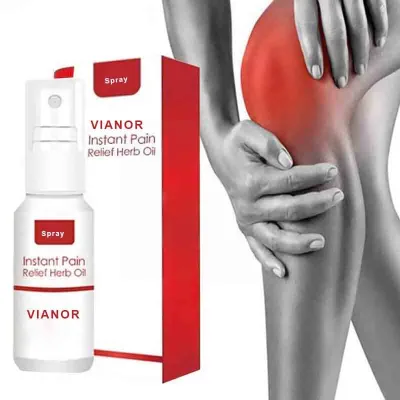
OEM Customization Sports Cold Herbal Body Muscle Pain Relief Analgesic Spray
$0.83 - $1.40
MOQ: 10000 Minimum





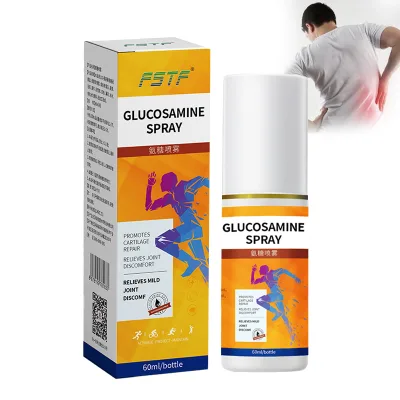
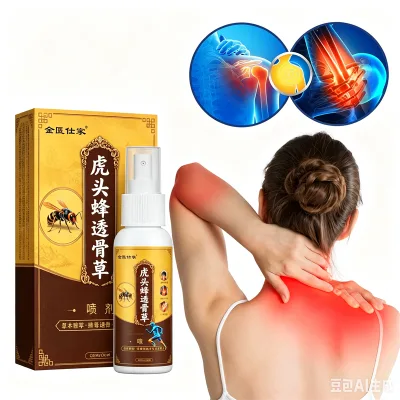
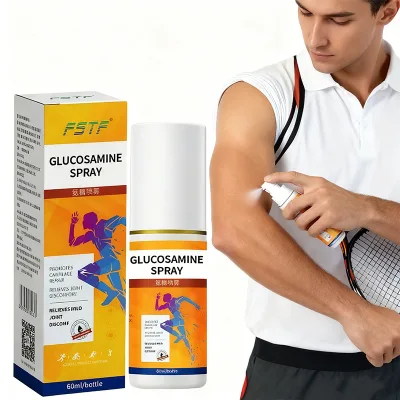
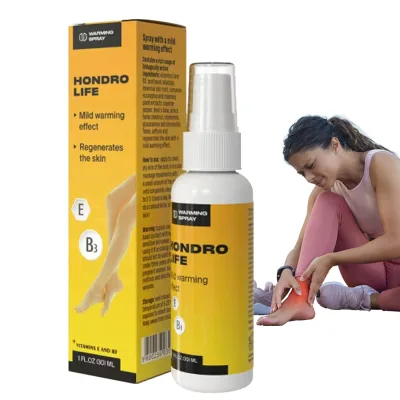
Comprehensive Sourcing Guide
Muscle Strain Menthol Cooling Spray Sourcing Guide
Procuring Muscle Strain Menthol Cooling Spray requires a strategic approach that balances therapeutic efficacy with regulatory compliance. Buyers must navigate a market where products are often categorized as household cold hot dressings or external pain relief sprays, depending on their specific formulation and intended use. The core appeal lies in the rapid cooling sensation provided by menthol, which helps alleviate discomfort associated with muscle strains, sprains, and joint pain. Understanding the distinction between cosmetic beauty sprays and functional pain relief products is critical for accurate sourcing and proper market positioning.
This guide focuses on the technical and commercial nuances of sourcing these sprays, particularly those derived from herbal extracts and menthol. Suppliers frequently offer OEM and ODM services, allowing brands to customize packaging, scent profiles, and active ingredient concentrations. Buyers should prioritize suppliers who provide transparent documentation regarding their manufacturing processes and quality control measures. By focusing on verified specifications and compliance standards, procurement teams can mitigate risks associated with product efficacy and safety, ensuring that the final product meets both consumer expectations and legal requirements in target markets.
Product Scope and Observed Listing Signals
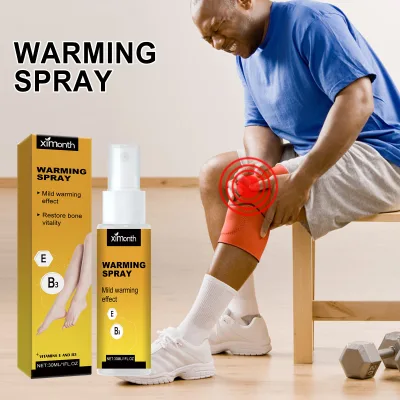
The observed product landscape reveals a wide range of formulations, primarily centered around herbal menthol and pure herbal extracts. Listings indicate that these sprays are designed for external use, targeting conditions such as muscle strain, sprain, traumatic bleeding, and general joint pain. The active ingredients often include menthol, which provides a cooling effect, and various herbal components that may offer additional soothing properties. Buyers should note that while some products are marketed for beauty or general wellness, the primary functional claim for this keyword is pain relief for muscles and joints, distinguishing them from general cosmetic mists.
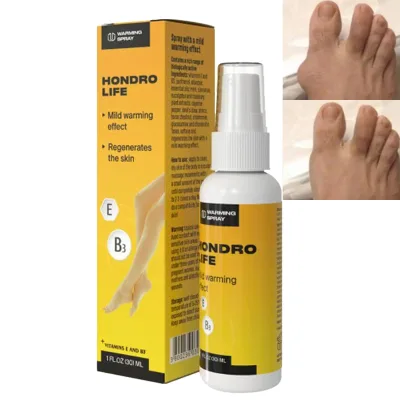
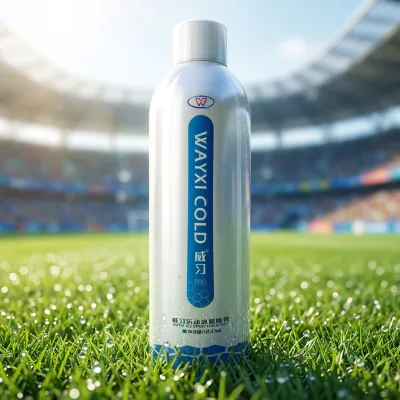
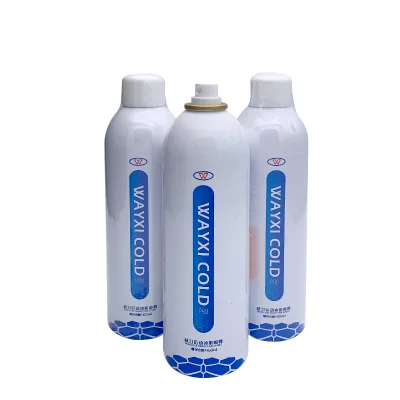
Packaging and presentation vary significantly across suppliers, with options ranging from aluminum bottles to standard plastic containers. Common volume standards include 50ml, 100ml, 150ml, and larger sizes up to 500ml, catering to both personal use and bulk commercial needs. The spray mechanism is described as soft, ensuring even distribution of the cooling agent. Additionally, some products are specifically formulated for infants and young children, requiring extra caution in ingredient selection and concentration levels. Buyers must carefully review the product name and application claims to ensure alignment with their specific target demographic and regulatory constraints.
Technical Specifications to Verify
Verifying the technical specifications of muscle strain sprays is essential to ensure product consistency and performance. Key attributes to confirm include the model number, which often indicates the specific formulation or batch, such as VIA-20241115-01 or VIA-250716321. The standard volume and weight options, such as 10g, 25g, 35g, 50g, 100g, 150g, and 200g, should be matched to the buyer’s packaging requirements. It is crucial to verify the bottle material, as aluminum bottles may offer better protection against light and oxidation compared to plastic alternatives, preserving the integrity of the herbal extracts and menthol.
The scent profile is another critical technical aspect, with descriptions ranging from strong to gentle. Buyers should request samples to assess the olfactory impact, as a strong menthol scent may be desirable for immediate pain relief but could be overwhelming for sensitive users. The shelf life is typically listed as three years, but this should be confirmed with the supplier to ensure adequate inventory turnover. Additionally, the instrument classification, such as Class III, may apply to certain medical-grade sprays, requiring stricter adherence to manufacturing standards. Understanding these technical details helps in selecting a product that aligns with the brand’s quality standards and consumer expectations.
Compliance and Safety Documentation
Compliance with international standards is non-negotiable when sourcing pain relief sprays. Suppliers often provide certifications such as MSDS, CE, ISO, GMPC, and COA, which indicate adherence to quality and safety protocols. The presence of these certifications suggests that the manufacturer follows good manufacturing practices and maintains consistent product quality. Buyers must verify the validity of these certificates and ensure they cover the specific product lines being ordered. For instance, FDA and GMP certifications may be required for markets with stringent regulatory environments, while CE marking is essential for European distribution.
The Material Safety Data Sheet (MSDS) is particularly important for understanding the chemical composition and handling requirements of the spray. It provides critical information on ingredients, potential hazards, and first-aid measures. Buyers should review the MSDS to ensure that the product does not contain prohibited substances or allergens that could pose risks to consumers. Additionally, the Certificate of Analysis (COA) confirms that the product meets specified quality parameters, such as potency and purity. Ensuring that all documentation is up-to-date and accurately reflects the product being shipped is vital for maintaining regulatory compliance and protecting brand reputation.
Cost Drivers and Commercial Terms
Several factors influence the cost of muscle strain menthol cooling sprays, including the complexity of the formulation, packaging materials, and order volume. The observed price range varies significantly, reflecting differences in ingredient quality and manufacturing processes. Buyers should consider the cost implications of customizing the product, such as private labeling or unique packaging designs, which may incur additional fees. The minimum order quantity (MOQ) also plays a crucial role in pricing, with higher volumes typically resulting in lower unit costs. Understanding these cost drivers helps in budgeting and negotiating favorable terms with suppliers.
Commercial terms, including delivery time and payment conditions, are equally important. Lead times are typically around 20-25 days, but this can vary based on production capacity and order complexity. Buyers should clarify the delivery schedule to ensure timely receipt of goods, especially for time-sensitive marketing campaigns. Payment terms may include deposits and balance payments upon shipment, so it is essential to establish clear agreements to avoid disputes. Additionally, buyers should inquire about bulk packing options, such as 480PCS/CTN or 240PCS/CTN, to optimize logistics and reduce shipping costs.
Supplier Qualification and Quality Control
Selecting a qualified supplier is critical for ensuring the reliability and safety of muscle strain sprays. Buyers should prioritize manufacturers with a proven track record in producing herbal and menthol-based products. Verifying the supplier’s production capabilities, including their facility standards and quality control processes, is essential. Suppliers offering OEM/ODM services should demonstrate flexibility and responsiveness to custom requests. It is also important to assess their ability to provide consistent product quality across batches, which is crucial for maintaining brand integrity.
Quality control measures should be rigorously evaluated, including in-process inspections and final product testing. Buyers should request information on the supplier’s testing protocols, such as stability testing and microbial analysis, to ensure product safety and efficacy. Additionally, suppliers should have a robust system for handling customer complaints and product recalls. Establishing a clear communication channel with the supplier’s quality assurance team can help address any issues promptly. By thoroughly vetting suppliers, buyers can minimize risks and ensure a smooth procurement process.
Long-Term Procurement Checks
Long-term procurement success depends on continuous monitoring of supplier performance and market trends. Buyers should regularly review supplier certifications and compliance documentation to ensure ongoing adherence to regulatory standards. Periodic audits of the supplier’s facilities can help identify potential issues before they impact product quality. Additionally, staying informed about changes in ingredient regulations and consumer preferences is crucial for adapting sourcing strategies. Building a strong relationship with the supplier can facilitate better collaboration and innovation, leading to improved product offerings.
Market feedback should be actively collected and analyzed to assess product performance and customer satisfaction. This information can guide future sourcing decisions, such as adjusting formulations or packaging designs. Buyers should also monitor competitor activities and emerging technologies in the pain relief spray market to stay competitive. By maintaining a proactive approach to procurement, buyers can ensure that their product portfolio remains relevant and compliant. Regularly updating sourcing strategies based on data-driven insights will help sustain long-term business growth and customer loyalty.
FAQs
What certifications are available for this spray?
The product holds MSDS, CE, ISO, GMPC, and COA certifications. These documents verify safety and quality standards for international trade. Buyers can request these certificates to ensure compliance with local regulations. The specific combination depends on the manufacturer's capabilities and the target market requirements.
Can I customize the packaging and volume?
Yes, customization is available for both packaging and volume. Standard options include 50ml, 100ml, 150ml, 250ml, and 500ml bottles. You can also choose specific carton quantities like 480 or 240 pieces per carton. OEM branding is supported to meet your unique business needs.
What is the typical lead time for orders?
The standard delivery time is 20 to 25 days. This timeframe applies to most standard orders and customization requests. Buyers should plan their inventory accordingly to avoid stockouts. Expedited shipping options may be available depending on the supplier's current production schedule and logistics partners.
Is this spray suitable for external use only?
Yes, the product is strictly for external use. It is designed for muscle strain, sprains, and joint pain relief. The formulation contains herbal menthol for cooling effects. It is not intended for ingestion or application on broken skin. Always follow the usage instructions provided on the packaging.
What is the minimum order quantity for this product?
The MOQ ranges from 48 to 30,000 pieces. Lower quantities may be available for sample orders or specific stock items. Higher volumes typically secure better pricing and production priority. Buyers should confirm the exact MOQ with the supplier based on their specific packaging and volume requirements.
Where is this product manufactured?
The product is made in China, specifically in Shandong province. This region is known for its manufacturing capabilities in health and beauty products. Buyers can verify the origin through the provided certificates and shipping documents. The location may influence logistics costs and delivery times for international orders.