Source Natural Freeze-Dried Apple Chips for snacks, baking, and cereals
Compare 30 listings of Natural Freeze-Dried Apple Chips from Chinese manufacturers. Buyers can evaluate specifications like shape, moisture content, and packaging options for bulk sourcing needs.
Key considerations
Products List






Comprehensive Sourcing Guide
Strategic Sourcing Guide for Natural Freeze-Dried Apple Chips
Understanding Product Specifications and Processing Standards
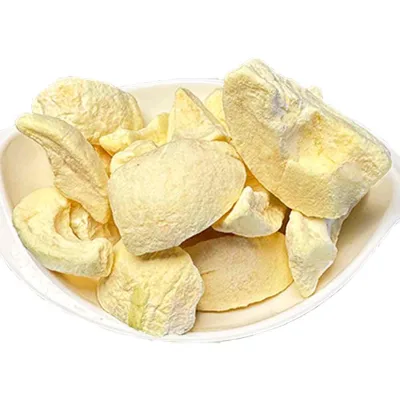
The foundation of a successful procurement strategy for Natural Freeze-Dried Apple Chips begins with a precise understanding of the technical specifications that define the product category. The core attribute of this commodity is the preservation method employed, specifically Freeze Drying (FD). This process is distinct from conventional air drying or dehydration, as it removes moisture through sublimation, preserving the cellular structure, color, and nutritional profile of the raw apple. Buyers must verify that the product listing explicitly states the drying process as FD, as this directly impacts the final texture, which should be crisp and porous rather than chewy or leathery.
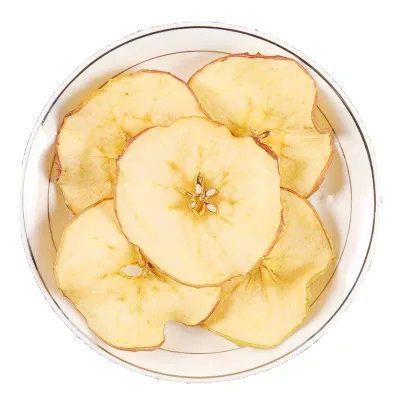
The physical form of the apple chips varies significantly based on the intended application. Market observations indicate that the product is available in multiple standard shapes, including whole pieces, slices, dice, and powder. The specific model numbers associated with these variations, such as FD apple dice-2 or FD apple-1, suggest a standardized production line where the cut size is a critical differentiator. For instance, a dice format is typically preferred for bakery applications or cereal mixes, whereas slices are often marketed as a direct-to-consumer snack. The maximum moisture content is a critical quality parameter; specifications indicate a maximum moisture level of 5%. This low moisture threshold is essential for extending shelf life and preventing microbial growth without the need for artificial preservatives.
Purity and ingredient composition are equally vital. The product is characterized as 100% natural, with the main ingredient being apple. Buyers should confirm that the ingredient list does not include added sugars, artificial colors, or flavor enhancers, as the value proposition of "natural" freeze-dried fruit relies on the absence of these additives. The product is often described as having no additional ingredients beyond the fruit itself, ensuring a clean label that appeals to health-conscious B2B buyers in the food and beverage sector.
Compliance, Certification, and Regulatory Verification
Navigating the regulatory landscape is a non-negotiable aspect of sourcing freeze-dried apples for international trade. The supply chain for this product typically originates from China Mainland, with specific manufacturing hubs identified in regions such as Zhengzhou. When evaluating suppliers, buyers must demand proof of compliance with international food safety standards. The presence of specific certifications is a strong indicator of a supplier's commitment to quality management systems.
Trusted certifications to verify include HACCP (Hazard Analysis and Critical Control Points), BRC (British Retail Consortium), ISO (International Organization for Standardization), and FDA (Food and Drug Administration) registration. These certifications are not merely marketing terms; they represent a rigorous adherence to safety protocols throughout the production process. A supplier lacking these credentials poses a significant risk, particularly for buyers targeting regulated markets in North America, Europe, or the Middle East.
Furthermore, the cultivation type of the raw apples must be verified. While standard cultivation is common, the availability of Organic and Open Air cultivation options allows buyers to cater to specific market segments. Buyers should request documentation proving the cultivation method, especially if the final product is destined for an organic-certified supply chain. The "Common" cultivation type is the baseline, but "Organic" status requires specific verification of pesticide-free farming practices. Additionally, the storage requirements for the finished goods must align with the supplier's capabilities. The product is designed to be stored in a dry, cool place or at room temperature away from light, which simplifies logistics but requires that the packaging maintains this integrity during transit.
Cost Drivers and Pricing Dynamics
The pricing structure for Natural Freeze-Dried Apple Chips is influenced by a complex interplay of factors, including raw material costs, processing efficiency, and packaging requirements. The observed price range for this category is broad, spanning from $1 to $3,800 per unit or lot. This wide variance is not indicative of quality differences alone but rather reflects the scale of the transaction and the specific configuration of the order.
The Minimum Order Quantity (MOQ) is a primary driver of unit economics. The market shows an MOQ range from 1 unit to 2,000 units. A buyer ordering a single unit for sampling will face a significantly higher per-unit cost compared to a bulk purchaser meeting the 2,000-unit threshold. This structure suggests that the supply chain is optimized for large-scale industrial buyers, while still accommodating smaller entities through flexible sampling policies.
Packaging choices also heavily influence the final cost. The product is available in bulk packaging, vacuum packages, gift packing, and cartons. Bulk packaging, such as 1000g bags, is the most cost-effective option for industrial users who have their own repackaging facilities. Conversely, gift packing or customized cartons add significant value and cost, catering to premium retail markets. The weight of the standard unit is often listed as 1 kg, but the specification allows for customization. Buyers must calculate the total landed cost, including the premium for vacuum sealing or custom branding, to ensure the product remains competitive in their target market.
Typical Applications and Usage Scenarios
The versatility of freeze-dried apple chips makes them suitable for a diverse array of B2B applications. The primary usage is categorized as "Food Healthy," reflecting the growing consumer demand for nutritious, convenient snacks. The product is designed to be eaten directly, offering a crunchy texture that mimics fresh fruit without the water weight.
In the food manufacturing sector, these chips serve as a key ingredient in various product lines. The diced format is particularly valuable for incorporation into granola bars, trail mixes, and breakfast cereals, where the low moisture content ensures the final product does not become soggy. The powder form, derived from the same FD process, is utilized in the baking industry for flavoring cakes, muffins, and cookies, providing a concentrated apple taste without adding moisture to the dough.
For the confectionery industry, the chips can be used as a topping for ice cream, yogurt, or chocolate bars. The "Piece" shape allows for visual appeal and textural contrast in these applications. The product's natural flavor profile, described as "Other" in some technical sheets but generally understood to be the natural taste of the apple, means it pairs well with a wide range of flavor profiles without clashing. The shelf life of the product, observed to be between 12 and 18 months, provides manufacturers with a stable inventory window, reducing the risk of spoilage and waste in their supply chains.
Supplier Evaluation and Quality Control Protocols
Selecting the right supplier requires a rigorous evaluation process that goes beyond price comparison. Buyers should prioritize suppliers who demonstrate transparency in their manufacturing processes and quality control measures. The manufacturer, identified in the context as Henan Rui Enbo Trading Company Ltd., represents one example of a potential source, but buyers should not limit their search to a single entity. Instead, they should look for suppliers who can provide detailed information about their production facilities and quality assurance protocols.
Quality control should be verified through a combination of documentation and physical testing. Buyers must ensure that the supplier conducts regular tests for moisture content, microbial load, and foreign material contamination. The specification of 100% purity and the absence of added ingredients must be backed by laboratory test results. Additionally, the supplier's ability to maintain the "top quality" standard consistently is crucial. This involves checking their storage facilities to ensure they maintain the required dry and cool conditions to prevent moisture re-absorption.
The packaging integrity is another critical quality control point. Whether the product is in a bulk carton or a vacuum pack, the seal must be intact to prevent oxidation and moisture ingress. Buyers should request samples to test the packaging under simulated shipping conditions. The instruction for use, which states "Eat directly," implies that the product must be safe for immediate consumption without further processing, reinforcing the need for high hygiene standards in the production environment.
Long-Term Procurement and Supply Chain Resilience
Sourcing Natural Freeze-Dried Apple Chips is not a one-time transaction but a long-term partnership that requires strategic planning. The stability of the supply chain is paramount, especially given the agricultural nature of the raw material. Buyers should assess the supplier's ability to source consistent raw apple varieties year-round to ensure product uniformity. Variations in apple harvests can affect the color, sweetness, and texture of the final product, so a supplier with a robust sourcing network is essential.
Customization capabilities are a key factor for long-term success. The availability of customized packing and specifications allows buyers to adapt the product to their specific brand needs and market trends. As consumer preferences shift towards organic or specific cut sizes, the supplier must be agile enough to adjust production lines accordingly. The ability to offer different model numbers, such as FD apple-1 through FD apple-4, indicates a flexible manufacturing setup that can support evolving product portfolios.
Finally, buyers should consider the logistical aspects of long-term procurement. The origin being China Mainland implies specific shipping routes and potential transit times. Establishing a reliable relationship with the supplier can help mitigate risks associated with supply chain disruptions. Regular communication regarding production schedules, inventory levels, and quality updates will ensure a steady flow of product. By focusing on these long-term considerations, buyers can build a resilient supply chain that delivers high-quality natural freeze-dried apple chips consistently, meeting the demands of their customers and maintaining their competitive edge in the market.
FAQs
What drying process is used for Natural Freeze-Dried Apple Chips?
The product uses a Freeze Drying (FD) process to remove moisture through sublimation. This method preserves the cellular structure and nutritional profile while ensuring a maximum moisture content of 5 percent for extended shelf life.
Which certifications do suppliers typically hold for this product?
Suppliers often hold HACCP, BRC, ISO, and FDA certifications to ensure food safety compliance. These credentials verify adherence to rigorous quality management systems required for international trade and regulatory markets.
How is the product packaged for bulk or retail distribution?
Packaging options include bulk, vacuum packages, gift packing, and cartons with customizable specifications. Standard units often come in 1000g bags, though buyers can request specific packaging formats to suit their brand needs.
What is the shelf life of freeze dried apple chips?
The shelf life ranges from 12 to 18 months when stored correctly. Buyers must store the product in a dry, cool place or at room temperature away from light to maintain quality and prevent moisture re-absorption.
Can buyers customize the shape and size of the apple chips?
Yes, customization is available for shapes including whole, slices, dice, and powder forms. Specific model numbers indicate different cut sizes, allowing buyers to select formats suitable for bakery mixes, snacks, or ingredient applications.
What is the minimum order quantity for sourcing these chips?
The minimum order quantity ranges from 1 unit for sampling up to 2000 units for bulk orders. This flexible MOQ structure accommodates both small buyers testing the product and large industrial purchasers requiring significant volume.