Source Natural Flavour And Fragrances Perfume Oil for Cosmetics
Find and compare 30 listings for Natural Flavour And Fragrances Perfume Oil suitable for daily flavoring, hotel amenities, and branded perfume making. Evaluate specifications such as purity, packaging sizes, and origin details to identify the right supplier for your manufacturing needs.
Key considerations
Products List




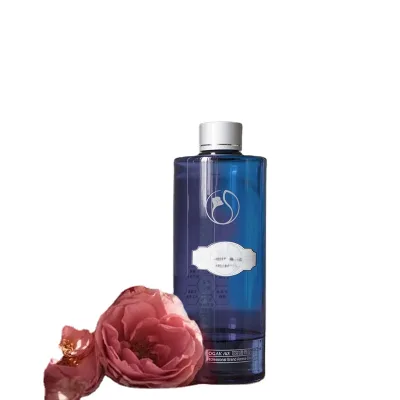
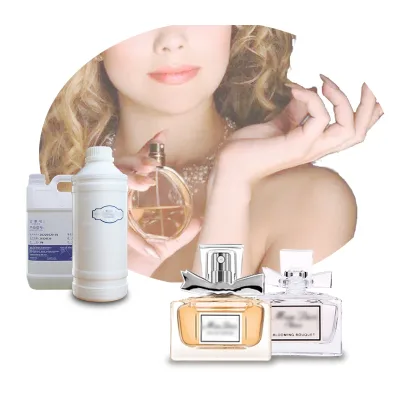
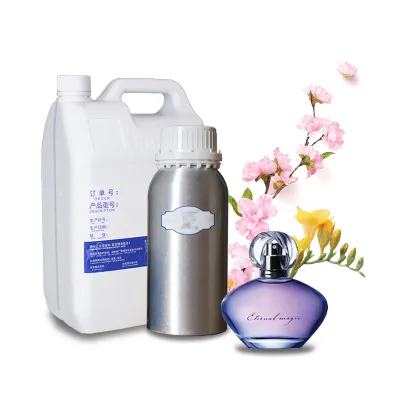
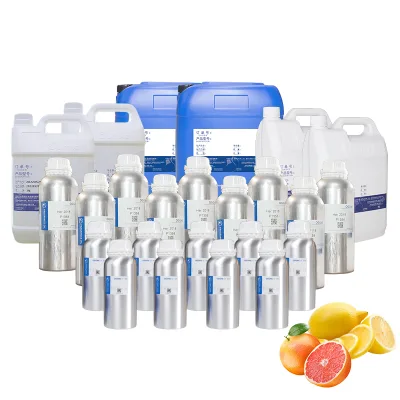





Comprehensive Sourcing Guide
Natural Flavour And Fragrances Perfume Oil Sourcing Guide
Sourcing Natural Flavour And Fragrances Perfume Oil requires a nuanced understanding of the intersection between chemical composition, regulatory compliance, and sensory application. Buyers must navigate a market where terminology often blurs the lines between synthetic isolates, natural extracts, and blended essences. The core keyword highlights a product category that serves dual purposes in the daily chemical and personal care industries, ranging from household scents to high-end perfumery. Procurement teams need to establish clear definitions of "natural" versus "synthetic" early in the sourcing process, as this distinction dictates not only the price point but also the applicable safety standards and shelf-life expectations.
This guide provides a structured approach to evaluating suppliers and products within this sector. It focuses on verifying technical specifications, ensuring compliance with international safety documentation, and managing commercial terms effectively. By adhering to evidence-based verification steps, buyers can mitigate risks associated with inconsistent quality, regulatory non-compliance, and supply chain disruptions. The following sections detail the critical factors that influence successful procurement of these volatile and sensitive materials.
Product Scope and Observed Listing Signals
The product landscape for Natural Flavour And Fragrances Perfume Oil is characterized by a wide variance in classification and intended use. Observed listings frequently describe the product as an "amphiprotic solvent" or "inorganic" composition, yet simultaneously label it as "100% pure natural essential oil" or "vegetable origin." This contradiction requires careful scrutiny. Buyers should recognize that some suppliers may use broad categorizations to capture multiple search intents, listing items that are technically synthetic flavour and fragrance products alongside those derived from natural sources. The observed color ranges from light yellow to transparent liquid, indicating variations in raw material purity or processing methods.
Applications for these oils span from daily flavoring and hotel ambient scents to branded perfume making. The observed model numbers and brand names, such as Flora or NS-P001, suggest a fragmented market with numerous private label opportunities. Buyers must distinguish between products intended for direct consumer application, such as Eau de Parfum or Eau de Cologne formulations, and those designed for industrial blending or as raw material inputs. The presence of "customization available" signals indicates that many suppliers offer OEM services, allowing buyers to tailor scent profiles or packaging, which adds complexity to the initial specification phase.
Technical Specifications to Verify
Verifying the physical and chemical properties of the perfume oil is the first step in quality assurance. Buyers must confirm the appearance, odor, and form of the product upon receipt. Observed specifications list the form as a liquid, often packaged in plastic bottles or drums, with a pleasant odor profile. However, the term "natural" must be validated against the actual ingredient list. While some listings claim vegetable origin, others specify synthetic flavour and fragrance types. Procurement teams should request detailed composition sheets to understand the base solvents and carrier agents used, especially when the product is described as an "amphiprotic solvent" or "dissolved" type.
Storage conditions and shelf life are critical technical parameters that impact inventory management and product stability. The observed shelf life is typically two years, provided the product is stored in a dry, well-ventilated, and completely sealed environment at room temperature, specifically between 10-30°C (50-85°F). Deviations from these conditions can lead to oxidation or degradation of the fragrance notes. Buyers should verify the packaging integrity, noting that standard packaging sizes range from 1kg to 25kg drums or bags, and ensure that the supplier’s storage protocols align with these requirements to maintain potency until delivery.
Compliance and Safety Documentation
Regulatory compliance is non-negotiable when sourcing materials for personal care and fragrance applications. Buyers must insist on comprehensive safety documentation, including Material Safety Data Sheets (MSDS) and Certificates of Analysis (COA). These documents provide essential data on hazardous components, handling precautions, and first-aid measures. The observed certification list often includes ISO, CE, and MSDS, which are standard indicators of a supplier’s commitment to quality management systems. However, buyers should verify that these certifications are current and issued by accredited bodies, rather than relying solely on self-declared claims.
International trade regulations also require adherence to specific labeling and transport standards. For instance, the presence of CE marking suggests compliance with European health, safety, and environmental protection standards, which is crucial for buyers targeting the EU market. Additionally, buyers must ensure that the product complies with IFRA (International Fragrance Association) standards, which govern the safe use of fragrance materials. While specific IFRA compliance certificates may not always be listed in initial product pages, they are a critical verification step for any perfume oil intended for consumer-facing products.
Cost Drivers and Commercial Terms
The cost of Natural Flavour And Fragrances Perfume Oil is influenced by several factors, including the purity of the raw materials, the complexity of the scent profile, and the volume of the order. Observed price ranges vary significantly, reflecting the diversity of products from basic daily chemical grade essences to premium branded perfume oils. Buyers should be aware that "100% pure natural essential oil" claims typically command a higher price point compared to synthetic or blended alternatives. Understanding the cost structure helps in budgeting and negotiating effectively with suppliers.
Commercial terms such as Minimum Order Quantity (MOQ) and lead times also play a significant role in procurement planning. The observed MOQ ranges from 1kg to 50kg, offering flexibility for small businesses and larger enterprises alike. Sample sizes are often freely provided, ranging from 10g to 20ml, allowing buyers to test quality before committing to larger orders. Delivery times are typically short, around 3-5 days, which supports agile supply chains. Buyers should clarify whether these lead times include production or only shipping, and confirm if expedited shipping options are available for urgent orders.
Supplier Qualification and Quality Control
Selecting the right supplier involves more than just comparing prices; it requires a thorough assessment of their capabilities and reliability. Buyers should verify the supplier’s place of origin, with Guangdong, China, being a common hub for fragrance and flavor production. This region offers a mature supply chain ecosystem, but buyers must conduct due diligence to ensure the supplier has a proven track record of consistent quality. Requesting references or case studies from previous clients can provide insights into the supplier’s reliability and customer service standards.
Quality control processes should be explicitly defined in the purchase agreement. Buyers should inquire about the supplier’s internal testing protocols, including how they verify purity, odor consistency, and color stability. The availability of customization services suggests that the supplier has the technical expertise to modify formulations, but buyers must ensure that these modifications do not compromise safety or regulatory compliance. Establishing a clear quality assurance framework, including acceptance criteria and rejection procedures, is essential for maintaining product integrity throughout the supply chain.
Long-Term Procurement Checks
Sourcing Natural Flavour And Fragrances Perfume Oil is an ongoing process that requires continuous monitoring and evaluation. Buyers should regularly review supplier performance metrics, such as on-time delivery rates, product consistency, and responsiveness to issues. Building a strong relationship with suppliers can lead to better pricing, priority service, and access to new product developments. However, buyers should also maintain a diversified supplier base to mitigate risks associated with supply chain disruptions or quality failures.
Regulatory landscapes and consumer preferences are constantly evolving, necessitating periodic reviews of product specifications and compliance documentation. Buyers should stay informed about changes in international standards, such as updates to IFRA regulations or new labeling requirements in target markets. Regular audits of supplier facilities and quality management systems can help ensure that they continue to meet the required standards. By implementing a robust long-term procurement strategy, buyers can secure a reliable supply of high-quality perfume oils that meet their business needs and customer expectations.
FAQs
What is the shelf life of the perfume fragrance oil?
The product has a shelf life of 2 years when stored correctly. It must be kept in a dry, well-ventilated, and completely sealed environment at room temperature between 10-30°C to maintain quality.
Can I get a sample of the Natural Flavour And Fragrances Perfume Oil?
Samples are freely provided in quantities of 10g or 10-20ml per bottle. This allows buyers to test the light yellow liquid appearance and pleasant odor before committing to a larger purchase order.
What is the minimum order quantity for this perfume oil?
The minimum order quantity is 1kg, though small orders are accepted. The product is available in various packaging sizes including 1kg, 2kg, 5kg, 10kg, and 25kg bags or drums.
Which certifications does the manufacturer hold for this product?
The product holds MSDS, COA, ISO, and CE certifications. These documents verify the safety and quality standards of the inorganic composition used in the daily chemical grade essence.
How long is the delivery time for orders of this oil?
The delivery time is typically 3-5 days after order confirmation. This fast lead time applies to the standard packaging options available from the Guangdong, China origin location.
What is the composition type of the perfume fragrance oil?
The composition is inorganic and described as 100% pure natural essential oil. It functions as an amphiprotic solvent suitable for daily flavor and perfume making applications.
Can the product be customized for specific branding needs?
Customization is available for this perfume fragrance oil. Buyers can request specific model numbers like #FIFI-679 or NS-P001 to match their branded making requirements.