Source Natural Eco Friendly Soap Bar for body, face, and hand
Find 30 listings for Natural Eco Friendly Soap Bar options suitable for body, face, and hand care. Buyers can compare specifications, certifications, and customization services from verified suppliers offering OEM and private label solutions.
Key considerations
Products List


Natural Vitamin C Soap Bar with Nourishing Ingredients for All Skin Types
$1.49 - $1.76
MOQ: 1000 pieces

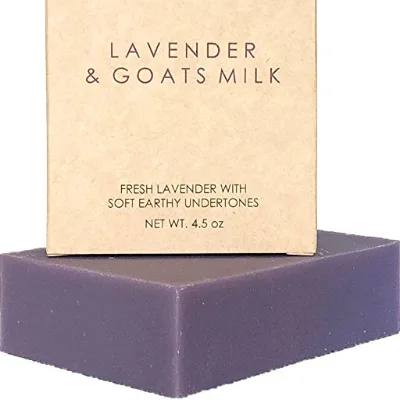


Wholesale Classic Formula Soap Bars for Gentle Cleansing of Daily Bath.
$0.20 - $0.50
MOQ: 1000 Pieces


Natural Exfoliating Customizable Soap Bars, with Various Plant-Based Formulas
$0.01 - $0.15
MOQ: 10000 Pieces


Customized Mini Eco Hotel Shampoo Soap Bar Recyclable Toiletries and Soaps
$0.05 - $0.07
MOQ: 5000 pieces


Natural Ingredients Infused Small Sized Hotel Soap Bars Disposable Hotel Amenities
$0.24 - $0.26
MOQ: 5000 pieces
Comprehensive Sourcing Guide
Strategic Sourcing Guide for Natural Eco-Friendly Soap Bars
Understanding Product Specifications and Formulation
When sourcing natural eco-friendly soap bars, buyers must first establish a clear understanding of the physical and chemical specifications that define the product category. The market offers a diverse range of formulations, but specific attributes consistently appear in high-quality listings. The primary form of these products is solid, typically manufactured as toilet soap or beauty soap designed for body, face, and hand application. A critical observation in the current supply landscape is the prevalence of herbal ingredients, often combined with base components such as glycerine, niacinamide, and sodium hyaluronate. These ingredients suggest a focus on moisturizing and skin-nourishing properties, distinguishing natural soaps from purely synthetic detergents.
The physical characteristics of the soap bar vary significantly by manufacturer. While some products are explicitly described as transparent, the majority of natural variants are non-transparent, often appearing in solid colors such as yellow, white, pink, or green. Customization is a standard feature, allowing buyers to request specific shapes, including square forms, or to maintain traditional irregular handmade shapes. The weight of individual bars is another variable specification; while standard units often fall within the 100g to 200g range, many suppliers offer fully customizable net weights to meet specific packaging requirements. Packaging is equally flexible, with options ranging from standard single-item boxes to customized private label solutions. The single package size for standard units is frequently observed around 4.3 cm by 4.3 cm by 5.9 cm, with a gross weight of approximately 0.150 kg per unit.
Buyers should note that the "natural" designation is often supported by the inclusion of specific fragrances and additives. Common scent profiles include floral notes, rose, milk, honey, coconut, and shea butter. These olfactory elements are integral to the product's market appeal. Furthermore, the manufacturing process is a key differentiator; many suppliers highlight "handmade" production methods, which can imply a slower, more artisanal approach compared to mass industrial extrusion. This distinction is often reflected in the product keywords and descriptions, where terms like "soap base natural" and "handmade bars" are frequently utilized. The application scope is broad, targeting all skin types, which necessitates a formulation that balances cleansing efficacy with gentleness, often achieved through the inclusion of basic cleaning agents and antiseptic properties.
Compliance, Certification, and Regulatory Standards
Navigating the regulatory landscape is paramount when sourcing natural soaps for international markets. The credibility of a supplier is often validated by their adherence to recognized quality management and safety standards. In the current supply chain, high-confidence facts indicate that reputable manufacturers frequently hold a suite of certifications including FDA, GMP (Good Manufacturing Practice), ISO 9001, ISO 14001, ISO 45001, and ISO 2271. The presence of ISO 2271 is particularly significant as it specifically addresses cosmetics good manufacturing practices, ensuring that the production environment meets stringent hygiene and safety criteria. Additionally, ISO 14001 and ISO 45001 demonstrate a commitment to environmental management and occupational health and safety, aligning well with the "eco-friendly" ethos of the product category.
Beyond general management system certifications, product-specific documentation is essential for compliance. Buyers should verify the availability of Material Safety Data Sheets (MSDS) and Certificates of Analysis (COA). These documents provide critical data regarding the chemical composition, potential hazards, and quality assurance of the soap batch. The COA, in particular, serves as a verification tool to ensure that the declared ingredients, such as glycerine and herbal extracts, match the actual product composition. The shelf life of these products is another critical compliance metric; observed data suggests a standard shelf life of three years, which is a reasonable expectation for stable, non-medicated soap bars.
It is important to distinguish between medicated and non-medicated products. Most natural soap bars in this category are classified as non-medicated, relying on natural ingredients for their therapeutic benefits rather than pharmaceutical compounds. This classification simplifies regulatory hurdles in many jurisdictions but requires strict adherence to cosmetic labeling laws. The "eco-friendly" claim also implies adherence to environmental standards, which may be supported by ISO 14001 certification. However, buyers must remain vigilant; the term "natural" is not universally regulated. Therefore, the presence of certifications like GMP and ISO 2271 provides a more concrete basis for quality assurance than marketing terminology alone. Suppliers should be able to demonstrate that their production processes minimize environmental impact, a claim often backed by their ISO 14001 status.
Cost Drivers and Pricing Structures
The pricing of natural eco-friendly soap bars is influenced by a complex interplay of factors, including raw material costs, manufacturing complexity, customization levels, and order volume. The observed price range in the market is exceptionally wide, spanning from $0.01 to $32,000. This vast disparity indicates that the unit price is not a fixed value but is highly dependent on the specific configuration of the order. The lower end of the spectrum likely represents bulk commodity purchases of standard, non-customized bars, while the higher end reflects specialized, small-batch, or highly customized private label orders that include extensive packaging, branding, and quality testing.
A primary cost driver is the level of customization. While the base product may be a standard soap bar, the ability to customize the weight, color, scent, and packaging significantly impacts the final price. For instance, requests for specific colors like pink or green, or the inclusion of premium ingredients such as shea butter or niacinamide, may incur additional material costs. Furthermore, the service model offered by the supplier plays a crucial role. Many suppliers provide OEM (Original Equipment Manufacturer) and ODM (Original Design Manufacturer) services, allowing for private label branding. The cost of logo printing, custom mold creation, and tailored packaging design is factored into the unit price.
Order volume is another critical determinant of cost. The Minimum Order Quantity (MOQ) varies widely, ranging from as low as 1 unit to as high as 5,000,000 units. Suppliers typically offer tiered pricing structures where the unit cost decreases as the order volume increases. For buyers seeking to test the market, the availability of samples is a key consideration. Most suppliers offer sample bars, which allows for quality verification before committing to a large order. However, the cost of samples, including shipping, must be factored into the initial budget. The "standard" or "regular size" options generally offer the most competitive pricing, while custom sizes or specialized formulations command a premium. Buyers should also consider the logistics costs associated with the product's weight and volume, as the single gross weight of 0.150 kg per unit can accumulate significant freight charges for large orders.
Typical Applications and Market Segmentation
Natural eco-friendly soap bars serve a diverse range of applications, making them suitable for various market segments. The primary application areas include body, face, and hand care, with the product designed to accommodate all skin types. This versatility allows suppliers to target both the general consumer market and specialized niches such as sensitive skin care or organic beauty enthusiasts. The inclusion of antiseptic properties and basic cleaning agents ensures that the soap meets fundamental hygiene requirements while offering the added benefits of natural ingredients.
The market segmentation is further defined by the intended use and branding strategy. Private label soaps are a significant segment, where brands seek to differentiate themselves through unique scents, colors, and packaging. The ability to customize the product with customer logos and specific branding elements makes these soaps ideal for retail chains, boutique hotels, and wellness centers. The "handmade" aspect of the production process appeals to consumers who value artisanal quality and transparency in sourcing. These products are often marketed as premium items, justifying a higher price point through perceived value and ethical production methods.
In addition to retail, these soaps are frequently used in corporate gifting and promotional campaigns. The customizable nature of the product allows businesses to create branded gifts that align with their corporate identity. The shelf life of three years ensures that these items remain viable for extended periods, making them suitable for stockpiling or long-term distribution strategies. The non-medicated status of most natural soaps broadens their applicability, allowing them to be sold in general retail environments without the need for specialized medical dispensing channels. The combination of floral scents, herbal ingredients, and eco-friendly packaging positions these products well in the growing segment of conscious consumers who prioritize sustainability and natural ingredients in their personal care routines.
Supplier Evaluation and Quality Assurance
Evaluating suppliers for natural soap bars requires a rigorous approach that goes beyond price comparisons. Buyers should prioritize suppliers who demonstrate transparency in their manufacturing processes and provide comprehensive documentation. The presence of certifications such as FDA, GMP, and ISO standards is a strong indicator of a supplier's commitment to quality. However, buyers should verify the validity of these certifications directly with the issuing bodies to ensure they are current and applicable to the specific production facility.
Quality control should be an integral part of the supplier evaluation process. Buyers must request samples to assess the physical attributes of the soap, including its texture, color consistency, scent strength, and lathering properties. The observation that some soaps are non-transparent while others may vary in color suggests that batch-to-batch consistency is a critical factor. Suppliers should be able to provide data on color stability and fragrance retention over the product's shelf life. Additionally, the verification of ingredient lists is essential to ensure that the "natural" and "herbal" claims are substantiated by the actual composition.
Communication and service capabilities are also vital indicators of a reliable supplier. The availability of OEM/ODM services indicates a supplier's flexibility in meeting specific buyer requirements. Buyers should assess the supplier's responsiveness to inquiries, their ability to provide detailed product specifications, and their willingness to accommodate customization requests. The offer of samples is a positive sign, as it demonstrates confidence in the product quality. Furthermore, the supplier's ability to handle logistics, including packaging and shipping, should be evaluated to ensure that the products arrive in optimal condition. A supplier with a proven track record in handling international orders and providing necessary documentation, such as MSDS and COA, is more likely to deliver a satisfactory procurement experience.
Long-Term Procurement and Strategic Considerations
Sourcing natural eco-friendly soap bars is not merely a transactional activity but a strategic decision that impacts long-term business goals. Buyers should consider the scalability of their supply chain and the supplier's ability to meet increasing demand. The wide range of MOQs, from 1 to 5,000,000 units, suggests that suppliers can accommodate both small startups and large enterprises. However, buyers must ensure that the supplier has the capacity to maintain quality and consistency as order volumes grow.
Sustainability is a key long-term consideration. The "eco-friendly" nature of the product aligns with global trends towards environmental responsibility. Buyers should evaluate the supplier's environmental practices, looking for evidence of sustainable sourcing of raw materials and eco-conscious manufacturing processes. Certifications like ISO 14001 provide a framework for assessing these practices. Additionally, the packaging should be considered; options for standard or customized packaging allow buyers to choose materials that minimize environmental impact.
Brand building is another strategic aspect. The ability to create a unique product through customization, such as specific scents, colors, and logos, enables buyers to build a strong brand identity. The three-year shelf life of the product offers flexibility in inventory management and marketing strategies. Buyers should also consider the potential for product line expansion, leveraging the existing formulation to introduce new variants with different ingredients or benefits. By establishing a strong relationship with a reliable supplier, buyers can secure a competitive advantage in the natural soap market, ensuring a steady supply of high-quality products that meet consumer expectations for safety, efficacy, and sustainability.
FAQs
What certifications do Natural Eco Friendly Soap Bar manufacturers hold?
Reputable manufacturers hold FDA, GMP, ISO 9001, ISO 14001, ISO 45001, and ISO 2271 certifications. These standards ensure compliance with cosmetic good manufacturing practices and environmental management systems for safe production.
How can I customize the weight and shape of the soap bars?
Buyers can request custom weights ranging from 100g to 200g or fully customized net weights. Square shapes are available, and suppliers offer OEM services to tailor packaging and physical dimensions to specific needs.
Which ingredients are typically used in these herbal soap bars?
Common ingredients include glycerine, niacinamide, and sodium hyaluronate combined with herbal extracts. These components provide moisturizing benefits and are often paired with scents like rose, milk, honey, or coconut.
Can I order samples before committing to a large production run?
Yes, suppliers typically offer available sample bars for quality verification before bulk orders. This allows buyers to test texture, scent, and lathering properties without immediate commitment to large Minimum Order Quantities.
What is the typical shelf life for non-medicated natural soap bars?
The standard shelf life for these non-medicated products is three years. This duration ensures stability for the herbal ingredients and fragrances included in the formulation during storage and distribution.
How do MOQ values vary for private label soap bar orders?
Minimum Order Quantities range widely from 1 unit up to 5,000,000 units depending on customization levels. Lower MOQs suit sample testing, while higher volumes reduce unit costs for mass production and branding.