Source Natural Hydrating Facial Toner for face care, skin repair, and moisturizing
Find 30 listings for Natural Hydrating Facial Toner from verified Chinese manufacturers. Compare specifications, certifications, pricing, and customization options for face toners featuring moisturizing, soothing, and replenishing functions suitable for all skin types; compare the available evidence and request quotations based on your requirements.
Updated
Key considerations
Products List
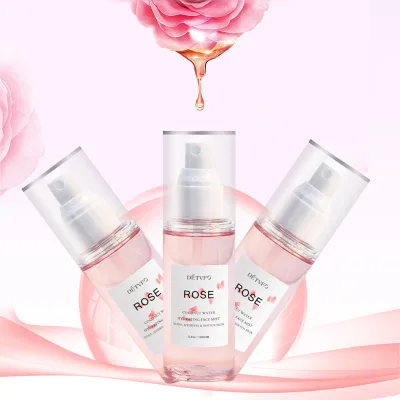


Professional Custom Collagen Hyaluronic Acid Anti Aging Hydrating Face Toner
$1.98 - $2.99
MOQ: 3000 Pieces


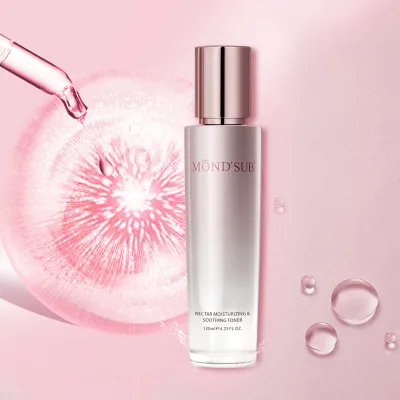


High Quality Anti Aging Hydrating Moisturizing Pomegranate Facial Toner
$1.20 - $2.30
MOQ: 1000 Pieces

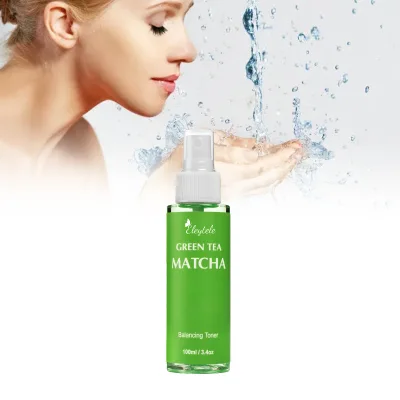
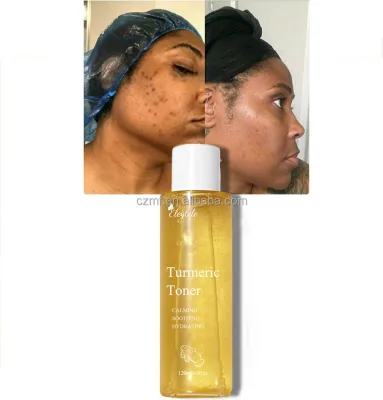
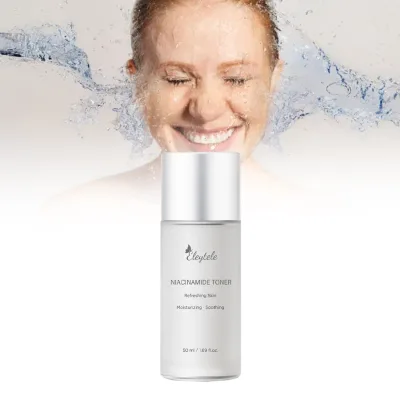


Beauty Cosmetics Skin Care Hydrate Skin and Tighten Pores Watermelon Toner
$1.85 - $3.50
MOQ: 100 Pieces


Comprehensive Sourcing Guide
Natural Hydrating Facial Toner Sourcing Guide
Sourcing natural hydrating facial toners requires a disciplined approach to verifying ingredient integrity and formulation stability. Buyers must distinguish between marketing claims and actual product composition, focusing on observable attributes such as texture, scent, and volume. The market offers diverse options, including rose water sprays and vitamin C green tea toners, each with distinct functional profiles. Procurement teams should prioritize suppliers who provide transparent details on active ingredients, such as hyaluronic acid or vitamin C, to ensure the toner delivers promised hydration and soothing benefits.
Commercial viability depends on aligning product specifications with target market demands. Observed listings indicate a wide range of customization options, from private labeling to specific volume requirements like 100ml or 120ml. Buyers should evaluate suppliers based on their ability to meet specific skin type needs, such as all-skin-type compatibility, and their flexibility in packaging, whether plastic bottles or customized cartons. Understanding these variables helps in selecting a partner who can scale production while maintaining the natural hydrating qualities that drive consumer loyalty in the skincare sector.
Product Scope and Observed Listing Signals
The current market landscape for natural hydrating facial toners includes a variety of product types, prominently featuring rose water sprays and vitamin C green tea toners. These products are often marketed with specific functions such as moisturizing, replenishing, and soothing the skin. Some listings highlight additional benefits like cleaning, repairing, and anti-aging properties, indicating a broad scope of potential applications. Buyers should note that while many products claim to be suitable for all ages and skin types, the specific efficacy can vary significantly based on the active ingredients and formulation concentration.
Observed product attributes reveal a strong emphasis on customization and private labeling opportunities. Suppliers frequently offer flexible volume options, ranging from standard sizes like 100ml to custom requirements, and provide various packaging solutions, including plastic bottles and cartons. The presence of specific model numbers, such as RSS01 or SFS007, suggests a structured inventory system, but buyers must verify that these models align with their quality standards. Additionally, the availability of samples within one week allows for rapid testing of texture and scent, ensuring the final product meets the desired sensory profile before committing to large orders.
Technical Specifications to Verify
Technical verification begins with confirming the physical and chemical properties of the toner. Buyers should request detailed specifications for texture, noting that water-based textures are common for hydrating products, and verify the net weight and volume accuracy. It is crucial to confirm the shelf life, which is typically listed as three years, and ensure that the product information aligns with the claimed efficacy, such as whitening or anti-wrinkle benefits. Active ingredients like vitamin C and hyaluronic acid must be clearly listed to validate the hydrating and anti-aging claims, ensuring the formulation is both effective and stable over time.
Packaging and labeling specifications are equally important for brand integrity and regulatory compliance. Buyers must verify the packaging material, such as plastic bottles, and confirm if customized packaging is available to match brand identity. The origin of the product, often China, should be cross-referenced with shipping terms like EXW, FOB, or CIF to calculate total landed costs. Additionally, buyers should check the production time, which can range from seven to thirty days, and delivery time, typically twenty to thirty days, to ensure supply chain reliability. Confirming these technical details prevents discrepancies between ordered specifications and delivered goods.
Compliance and Safety Documentation
Compliance is a critical factor in sourcing facial toners, particularly those marketed as natural or hydrating. Buyers must verify that suppliers hold necessary certifications, such as CE, FDA, GMP, and MSDS, which indicate adherence to international safety and quality standards. These certifications are essential for importing products into regulated markets and ensuring that the toner is safe for topical application. It is important to note that certification status can vary between suppliers, so buyers should request valid certificates for each specific product model before placing orders.
Safety data sheets (MSDS) provide vital information on ingredient safety and handling, which is crucial for both the supplier and the end consumer. Buyers should ensure that the MSDS accurately reflects the product composition, including any potential allergens or irritants. Additionally, verifying that the product meets local regulatory requirements, such as labeling laws and ingredient restrictions, is essential to avoid customs delays or legal issues. Working with suppliers who provide comprehensive documentation demonstrates their commitment to quality and transparency, reducing the risk of compliance-related disruptions in the supply chain.
Cost Drivers and Commercial Terms
Cost drivers for natural hydrating facial toners include raw material quality, packaging complexity, and order volume. Prices observed in the market range from $0.7 to $3.5 per unit, reflecting variations in ingredient sourcing and manufacturing processes. Buyers should consider the impact of customization, such as private labeling or specific packaging designs, which can increase production costs. Additionally, the minimum order quantity (MOQ) typically ranges from 10 to 5000 pieces, with higher volumes often yielding better unit prices, allowing buyers to negotiate favorable terms based on their projected sales volume.
Commercial terms significantly influence the total cost of ownership. Buyers should evaluate payment options, such as PayPal, Western Union, or T/T, and assess the associated transaction fees and security. Shipping terms like EXW, FOB, CIF, CFR, DAP, or DDP determine who bears the risk and cost of transportation, impacting the final landed cost. It is advisable to request detailed quotes that break down product costs, packaging fees, and shipping expenses to ensure transparency. Understanding these commercial terms helps buyers make informed decisions that balance cost efficiency with supply chain reliability.
Supplier Qualification and Quality Control
Supplier qualification involves assessing the manufacturer’s production capabilities and quality control processes. Buyers should verify the supplier’s ability to handle OEM and ODM requests, ensuring they can produce toners that meet specific brand requirements. It is important to check the supplier’s track record for consistency in product quality, particularly regarding active ingredient concentration and packaging integrity. Requesting references or case studies from previous clients can provide insights into the supplier’s reliability and responsiveness to quality issues.
Quality control measures should be clearly defined and agreed upon before production begins. Buyers should establish protocols for sample approval, ensuring that the final product matches the approved sample in terms of texture, scent, and efficacy. Regular audits of the production facility can help identify potential quality risks early in the process. Additionally, implementing a robust inspection plan, including pre-shipment inspections, ensures that the delivered goods meet the agreed-upon standards. By prioritizing supplier qualification and rigorous quality control, buyers can minimize the risk of receiving substandard products and maintain customer satisfaction.
Long-Term Procurement Checks
Long-term procurement success depends on continuous monitoring of supplier performance and market trends. Buyers should regularly review supplier delivery times, quality consistency, and responsiveness to issues to ensure ongoing reliability. It is important to stay updated on changes in regulatory requirements and consumer preferences, which may necessitate adjustments in product formulation or packaging. Building a strong relationship with suppliers through clear communication and mutual respect can lead to better cooperation and priority treatment during peak demand periods.
Strategic planning for future procurement should include diversifying the supplier base to mitigate risks associated with single-source dependencies. Buyers should explore opportunities to collaborate with suppliers on new product development, leveraging their expertise to innovate and stay competitive. Additionally, monitoring cost fluctuations in raw materials and packaging can help in budgeting and pricing strategies. By maintaining a proactive approach to supplier management and market analysis, buyers can ensure a stable and efficient supply chain for natural hydrating facial toners, supporting long-term business growth and customer loyalty.
FAQs
What certifications do Natural Hydrating Facial Toner products hold?
Products typically hold CE, FDA, GMP, and MSDS certifications. These credentials ensure compliance with international safety and manufacturing standards. Buyers can verify specific documentation during the sourcing process to confirm regulatory adherence for their target markets.
Can I customize the packaging for Natural Hydrating Facial Toner?
Yes, customization is available for packaging and branding. Suppliers offer options such as plastic bottles or cartons with private labeling. You can specify volume requirements like 100ml or 120ml to match your brand identity and market needs effectively.
What is the typical lead time for Natural Hydrating Facial Toner orders?
Production time ranges from 7 to 30 days depending on order volume. Delivery time is approximately 20 to 30 days after production. Sample preparation usually takes within one week, allowing for quick evaluation before committing to larger bulk orders.
Which skin types are suitable for Natural Hydrating Facial Toner?
These toners are designed for all skin types and ages. They provide moisturizing, replenishing, and soothing functions. Ingredients like Vitamin C and Hyaluronic Acid help repair and whiten the skin, making them versatile for various facial care routines.
What is the minimum order quantity for Natural Hydrating Facial Toner?
MOQs typically range from 10 to 5000 pieces. Some suppliers require a minimum of 1000 pieces for private label services. Buyers should confirm specific MOQs with manufacturers to align with their initial inventory requirements and budget constraints.
What trade terms are accepted for Natural Hydrating Facial Toner purchases?
Common trade terms include EXW, FOB, CIF, CFR, DAP, and DDP. Payment methods often accept PayPal, Western Union, and T/T. These flexible terms allow buyers to choose logistics and payment options that best suit their international shipping needs.