Source Natural Herbal Lymphatic Drainage Drops for Immunity, Energy, and Wellness
Explore 30 listings for Natural Herbal Lymphatic Drainage Drops designed to support immune function and energy management. Buyers can compare specifications, certifications, and customization options from verified suppliers in Guangdong, China.
Key considerations
Products List


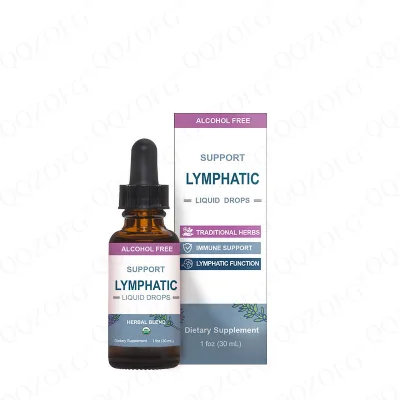
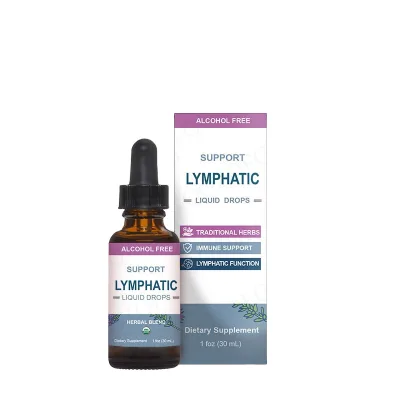


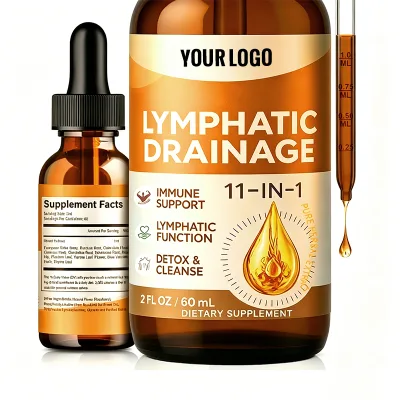
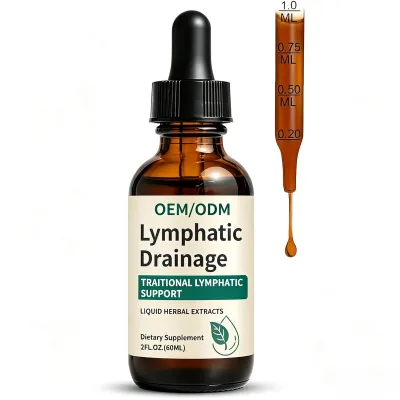
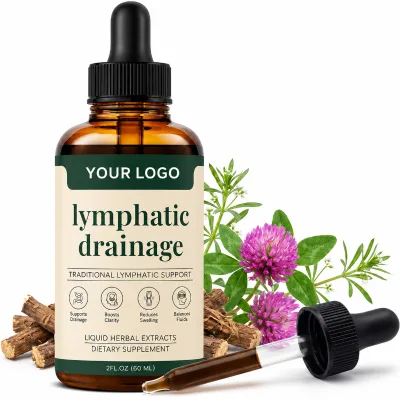
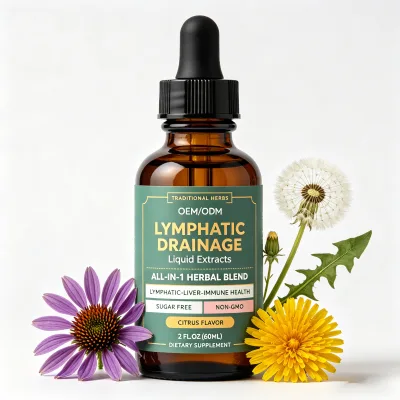
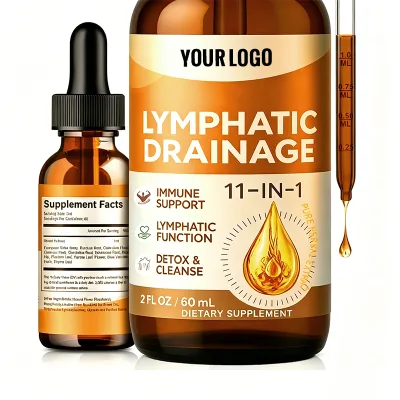
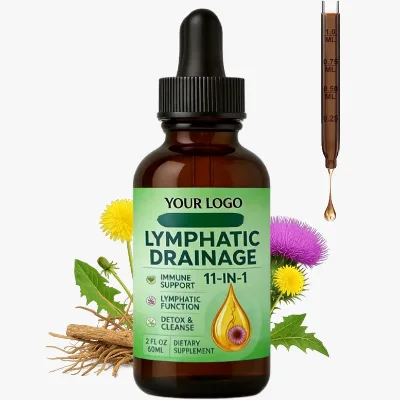
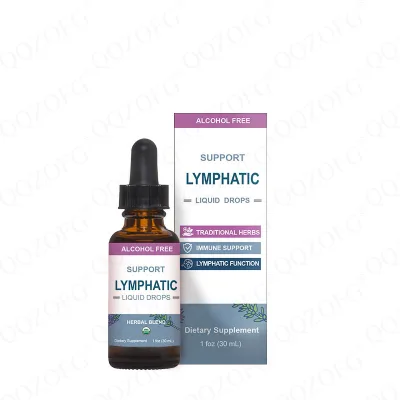
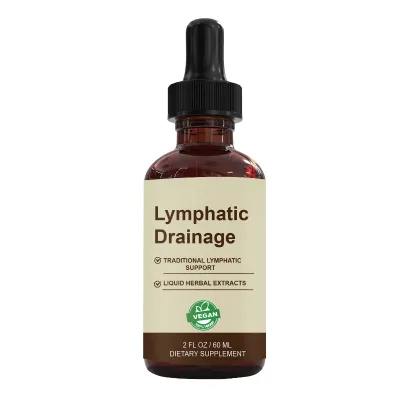
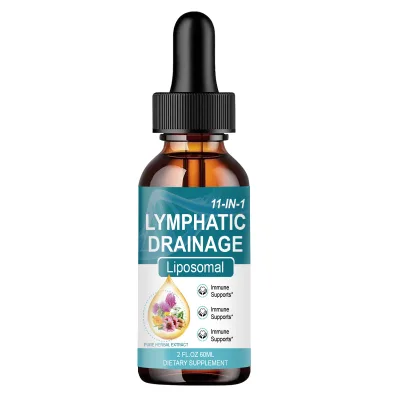


Comprehensive Sourcing Guide
Strategic Sourcing Guide for Natural Herbal Lymphatic Drainage Drops
Understanding Product Variants and Formulation Diversity
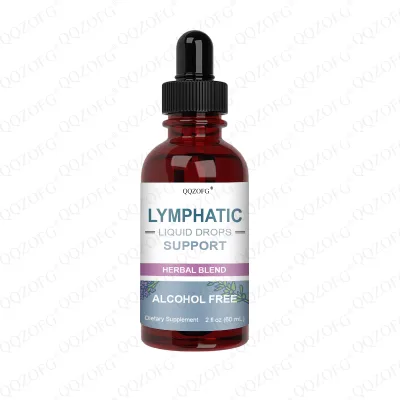
When sourcing Natural Herbal Lymphatic Drainage Drops, buyers must first navigate a landscape of significant product variation. The market does not offer a single monolithic product but rather a spectrum of formulations ranging from liquid drops to gummy candies and syrups. This diversity stems from the different delivery mechanisms required to achieve specific health outcomes. The observed product data indicates that while the core intent remains lymphatic system support and cellular waste removal, the physical form can vary drastically. Some listings describe the product as a liquid drop with a specific dosage of 1ml, while others categorize the item under gummy candy products or syrup forms. This distinction is critical because the bioavailability and user experience differ between a concentrated liquid drop and a chewable gummy.
The formulation also varies regarding flavor and appearance. Buyers should expect options for custom flavors and customized powder samples, suggesting that many suppliers offer flexibility in taste profiles to suit specific target demographics. However, the presence of "without logo printing" options alongside "customized" private label services indicates a bifurcated market where some suppliers focus on generic stock while others specialize in fully branded ODM/OEM solutions. The main ingredients often highlight natural components, with specific mentions of lymphatic drainage drops as a primary functional element. It is essential to verify whether the "natural" claim refers to the source of the herbs or the absence of artificial additives, as the feature list includes attributes like "sugar-free," "low-fat," and "organic," which may not apply to every SKU within the same product category.
Technical Specifications and Dosage Parameters
Technical due diligence requires a close examination of the physical specifications and dosage parameters provided by potential suppliers. The data reveals a wide range in single package sizes and gross weights, which directly impacts shipping logistics and cost calculations. For instance, some units are listed with a single package size of 4x4x12.5 cm and a gross weight of 0.145 kg, while others are significantly larger, measuring 80x80x14 cm with a gross weight of 2.0 kg. This disparity suggests that the "2.0 kg" figure likely represents a bulk carton weight rather than a single bottle, whereas the smaller dimensions correspond to individual retail units.
Dosage is another critical technical variable. The observed specifications include a dose of 1ml (0.03 FL.Oz) for liquid drops, while gummy products are specified by count, such as 60 gummies per package. The bottle capacity for liquid variants is noted as 60ml (2.03 FL.Oz). Buyers must ensure that the dosage form aligns with their intended market; for example, adults may prefer the precision of liquid drops, whereas families might seek gummy options. The shelf life is consistently reported as 24 months when properly stored, provided the storage method involves keeping the product in a dry place away from sunshine. This storage requirement is a standard constraint for liquid herbal extracts and must be communicated clearly to end-users to maintain product efficacy.
Compliance, Certification, and Regulatory Standards
Navigating the regulatory landscape is paramount when importing health-related supplements. The product data indicates a high level of certification compliance, with many suppliers listing KOSHER, QS, HACCP, GMP, and ISO certifications. These standards are not merely marketing terms but represent adherence to specific manufacturing and safety protocols. GMP (Good Manufacturing Practice) ensures that products are consistently produced and controlled according to quality standards, while HACCP (Hazard Analysis and Critical Control Points) focuses on food safety. The presence of MSDS (Material Safety Data Sheet) and COA (Certificate of Analysis) in the certificate list further suggests that suppliers are prepared to provide documentation regarding chemical composition and safety.
However, buyers must verify that these certifications are current and applicable to the specific facility producing the goods. The "prod_standard" is listed as "customized," which implies that while the base manufacturing process may follow ISO or GMP, the final product specifications can be tailored. This customization capability is often linked to private label services, allowing buyers to define their own standards within the framework of the supplier's existing certifications. It is crucial to request copies of the actual certificates and verify their validity with the issuing bodies, as the mere presence of these acronyms in a product description does not guarantee that every unit in a shipment has been produced under these specific conditions.
Cost Drivers and Economic Factors
The economic structure of sourcing lymphatic drainage drops is influenced by several key variables, including MOQ (Minimum Order Quantity), customization levels, and packaging complexity. The observed MOQ range spans from 50 to 2000 units, with specific listings citing 500 bottles as a standard threshold. This variability allows for different procurement strategies; smaller buyers may find the lower end of the range accessible, while larger enterprises might negotiate better unit economics at the higher volume tiers. The price range observed is between $0.99 and $4.00 USD, but this figure must be contextualized against the unit type. A price of $0.99 likely applies to a single gummy or a small sample, whereas the $4.00 figure may represent a full retail bottle or a bulk unit depending on the packaging configuration.
Customization is a primary cost driver. While "without logo printing" options exist, the availability of private label services (ODM/OEM) and custom flavors inevitably increases the cost. The "Custom Flavor" and "Customized Powde Sample" attributes suggest that suppliers charge premiums for developing unique formulations or packaging designs. Additionally, the "Single Package Size" variations affect freight costs significantly. A product with a gross weight of 2.0 kg per unit versus 0.145 kg per unit will have vastly different shipping profiles. Buyers should calculate the total landed cost, including freight, duties, and insurance, rather than focusing solely on the unit price. Payment terms such as PayPal, TT (Telegraphic Transfer), and Trade Assurance are standard, but the specific terms (e.g., deposit percentage) should be negotiated based on the order volume and relationship history.
Supplier Evaluation and Quality Control Protocols
Evaluating a supplier for lymphatic drainage drops requires a multi-faceted approach that goes beyond surface-level product descriptions. The location of production is a key factor, with the data pointing to Guangdong, China, as a primary manufacturing hub. This region is known for its robust supply chain in the food and beverage sector, but buyers must still conduct rigorous due diligence. The "Sample: Available" attribute is a positive indicator, allowing buyers to physically test the product for quality, taste, and packaging integrity before committing to a large order.
Quality control should be embedded in the procurement process. Buyers must verify the "Storage Method" and "Shelf-Life" claims through independent testing, especially since the product is a liquid or gummy that can degrade if not stored correctly. The "Main Function" of the product, such as "Immune Support" and "Energy Management," should be backed by the COA and potentially third-party lab results. While the product data lists "Effectiveness" attributes like "Improve Immunity" and "Antioxidant," these are observations of the product's intended benefits rather than guaranteed clinical outcomes. Therefore, the buyer's quality control plan should include sampling for microbial contamination, heavy metals, and potency verification. The "Single Item Single" selling unit suggests that the packaging is designed for retail, but the "Single Gross Weight" variations indicate that bulk shipping configurations need to be clearly defined to prevent damage during transit.
Long-Term Procurement and Market Application
Long-term success in this category depends on aligning procurement strategies with market trends and consumer expectations. The target demographic is consistently identified as "Adults" with a "Unisex" gender classification, and the product is often categorized under "Food" or "Beverage" with features like "Vitamins" and "Sugar-Free." These attributes suggest a growing market for health-conscious consumers seeking natural alternatives to synthetic supplements. The "Main Function" of lymphatic system support and cellular waste removal addresses specific wellness concerns, making these products suitable for health stores, pharmacies, and online wellness retailers.
Sourcing for the long term requires building a relationship with suppliers who can maintain consistency in quality and supply. The "Private Label: ODM OEM Customized" capability is a strategic asset, allowing buyers to build a unique brand identity. However, buyers must be aware that customization can introduce lead time variability. The "Lead Time" is not explicitly defined in the data, so it must be negotiated and written into the contract. Furthermore, the "Dietary Speciality" of "Natural" and the "Feature" of "Organic" are marketing points that require strict adherence to sourcing standards. If a buyer markets a product as organic, they must ensure the raw materials and the manufacturing process meet the relevant organic certification standards, which may differ from the general GMP or ISO certifications listed.
Comparative Analysis of Product Attributes
To facilitate decision-making, buyers should compare the key attributes of available products. The following table summarizes the observed variations in product specifications, helping to distinguish between different types of offerings in the market.
| Attribute | Variant A (Gummy Form) | Variant B (Liquid Drop) | Variant C (Syrup/General) |
|---|---|---|---|
| Dosage Form | Gummies, Gummy Candy | Liquid Drops | Syrup |
| Product Specification | 60 Gummies | 60ml Bottle | Custom |
| Single Package Size | 4x4x12.5 cm | 13x5.3x5.1 cm | 80x80x14 cm (Bulk) |
| Single Gross Weight | 0.145 kg | 0.145 kg (Estimated) | 2.0 kg |
| Dose | N/A (Count based) | 1ml | 1ml |
| Main Function | Lymphatic Support | Lymphatic Drainage | Health Care, Energy |
| Certification | KOSHER, HACCP, GMP | MSDS, COA, ISO | QS, GMP, HACCP |
| Customization | Custom Flavor | Custom Flavor | Customized Standard |
This comparison highlights that while the core function remains consistent, the logistical and regulatory implications vary significantly. Gummies require different packaging and handling than liquids, and the bulk packaging dimensions suggest that Variant C is intended for wholesale distribution rather than direct retail. Buyers must select the variant that best fits their distribution channel and target consumer preferences.
Final Procurement Considerations
In conclusion, sourcing Natural Herbal Lymphatic Drainage Drops requires a balanced approach that weighs technical specifications, regulatory compliance, and economic factors. The market offers a diverse range of products, from sugar-free gummies to concentrated liquid drops, each with unique storage and handling requirements. Buyers must verify certifications such as GMP, HACCP, and ISO, and ensure that the "natural" and "organic" claims are substantiated by documentation. By understanding the cost drivers associated with customization and MOQ, and by implementing robust quality control protocols, buyers can secure a reliable supply chain that meets the demands of the health-conscious adult market. The continuous evaluation of supplier capabilities and product performance will be essential for maintaining a competitive edge in this evolving sector.
FAQs
What certifications do Natural Herbal Lymphatic Drainage Drops typically have?
These products commonly hold KOSHER, QS, HACCP, GMP, and ISO certifications. Buyers should verify that the specific facility holds current certificates for GMP and HACCP to ensure food safety and consistent manufacturing quality standards are met.
How can I customize the flavor and packaging for this product?
Custom flavors and private label services are available for most suppliers offering this item. You can request custom powder samples and specific bottle designs, though this customization may affect the minimum order quantity and unit pricing.
What is the standard shelf life for liquid lymphatic drainage drops?
The standard shelf life is 24 months when properly stored in a dry place away from sunshine. Buyers must ensure their storage conditions match these requirements to maintain product efficacy and prevent degradation of the natural ingredients.
Which dosage forms are available for Natural Herbal Lymphatic Drainage Drops?
Available forms include liquid drops, gummy candies, and syrups to suit different consumer preferences. Liquid drops typically come in 60ml bottles with a 1ml dose, while gummies are often sold in packs of 60 units.
Can I order samples before committing to a large bulk order?
Yes, samples are available for buyers to test quality, taste, and packaging integrity. This allows you to verify the product specifications and ensure the customization options meet your brand requirements before placing a full order.
What is the typical minimum order quantity for these lymphatic drops?
The minimum order quantity ranges from 50 to 2000 units depending on the supplier and customization level. Some listings specify a standard threshold of 500 bottles, while others may accept smaller quantities for generic stock items.
Where are these Natural Herbal Lymphatic Drainage Drops manufactured?
Production is primarily located in Guangdong, China, a major hub for food and beverage manufacturing. Buyers should confirm the specific factory location to assess logistics costs and ensure the supplier meets all required export standards.