Source Natural Huoshan Dendrobium Oral Liquid for Wellness, Health, and Business
Find 30 listings for Natural Huoshan Dendrobium Oral Liquid to compare specifications, pricing, and MOQs. Evaluate options for stomach health support, adult wellness, and custom OEM production from verified Chinese manufacturers.
Key considerations
Products List


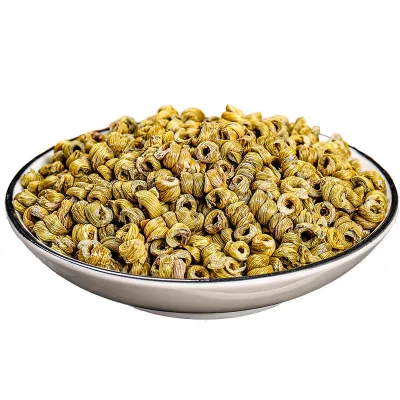
$18.00 - $30.00
MOQ: 2 kilograms
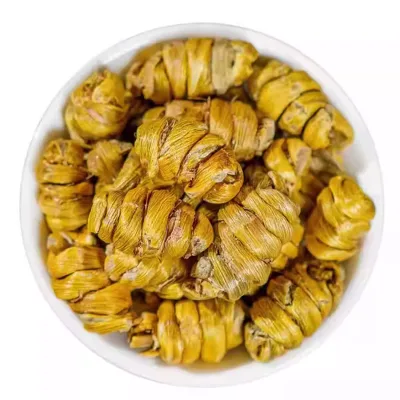


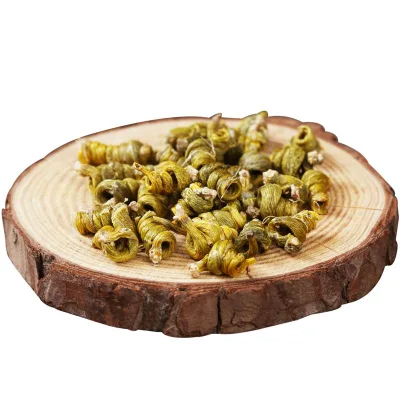
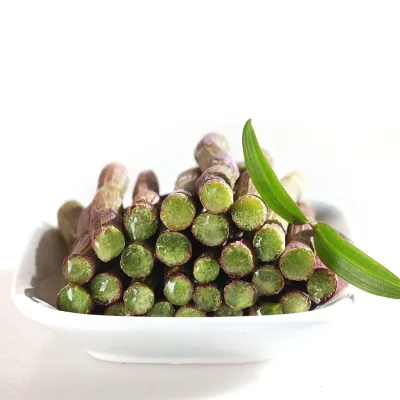
$10.17 - $45.77
MOQ: 1 Minimum


Comprehensive Sourcing Guide
Natural Huoshan Dendrobium Oral Liquid Sourcing Guide
Sourcing Natural Huoshan Dendrobium Oral Liquid requires a nuanced understanding of the intersection between traditional Chinese herbal medicine and modern liquid formulation standards. Buyers must navigate a market where the core ingredient, Dendrobium candidum, is often marketed under various brand names and product specifications, ranging from pure extract tonics to blended herbal drinks. The procurement process is not merely about purchasing a beverage but securing a regulated health product that meets specific quality benchmarks for active ingredient concentration and safety. This guide provides a structured approach to evaluating suppliers, verifying technical specifications, and ensuring compliance with international and domestic standards for this specialized category of herbal oral liquids.
The primary challenge in this sector is the variability in product definitions and labeling. While the core keyword focuses on Huoshan Dendrobium, observed market listings frequently associate this ingredient with other traditional tonics, such as Ginseng, or present the product under generic descriptors like "Shengmai Yin" or "Ginseng Tonic Oral Liquid." Procurement teams must therefore rigorously audit product descriptions to confirm that the active ingredient is indeed Dendrobium candidum and not a substitute or filler. Furthermore, the distinction between a food-grade beverage and a health supplement or traditional medicine preparation is critical, as it dictates the regulatory pathway, required certifications, and target demographic for the final product.
Product Scope and Observed Listing Signals
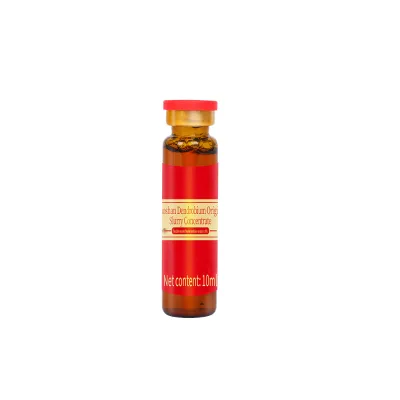
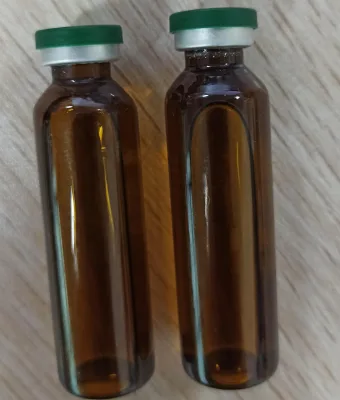
The current market landscape for Natural Huoshan Dendrobium Oral Liquid presents a diverse array of product formats, primarily centered around liquid drinks packaged in small glass bottles. Observed listings indicate a standard product specification of 10ml per bottle, often sold in single-item units or bulk cartons containing multiple boxes. The physical appearance is consistently described as a brown liquid, which aligns with the typical extraction characteristics of herbal concentrates. Buyers should note that while the core ingredient is Dendrobium, some listings may also feature complementary ingredients or be marketed under different English names, such as "Ginseng Tonic Oral Liquid," necessitating careful verification of the actual ingredient list to ensure alignment with procurement requirements.
Flavor profiles and customization options are significant variables in this category. Suppliers frequently offer original, OEM, and custom product flavors, allowing buyers to tailor the sensory experience to specific target markets. The product is generally positioned as a low-fat, sugar-free option, appealing to health-conscious consumers who seek herbal benefits without added caloric load. However, the "sugar-free" claim must be verified against local labeling regulations, as some formulations may use alternative sweeteners that must be disclosed. Additionally, the target demographic is strictly defined as adults, middle-aged, and elderly individuals, with explicit exclusions for pregnant women, teenagers, newborns, and children, which must be prominently displayed on all packaging and marketing materials.
Technical Specifications to Verify
Technical verification begins with the precise identification of the active ingredient and its concentration. Buyers must confirm that the product contains Dendrobium candidum extract as the primary active component, rather than generic "Dendrobium" species which may vary in potency. The model numbers observed in listings, such as "DCOL" or "Dendrobium," serve as internal supplier identifiers but do not guarantee quality; therefore, the focus must remain on the chemical and botanical specifications. The form of the product is a liquid drink, administered orally, and the shelf life varies significantly across suppliers, with observed ranges extending from 24 months to 5 years. This discrepancy highlights the importance of verifying the preservation methods and packaging integrity, as longer shelf lives often imply specific stabilizing agents or sterilization processes.
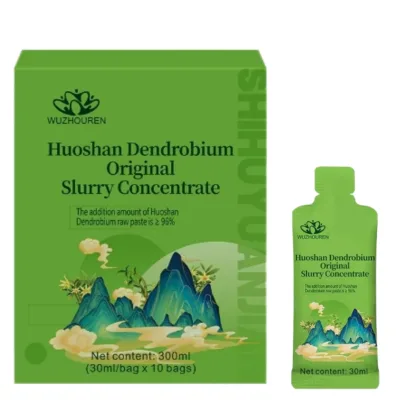
Packaging and storage requirements are critical for maintaining product integrity during transit and storage. The standard packaging involves glass bottles, which provide excellent barrier properties against light and oxygen, preserving the stability of the herbal extract. These bottles are typically packed into boxes, with carton quantities varying, such as 100 boxes per carton. The storage method is consistently specified as a dry and cool place, which is essential for preventing degradation of the active compounds. Buyers should also verify the weight of the single package, which is often around 1 kg for bulk shipments, to calculate accurate freight costs and warehouse handling requirements. The instruction for use, if applicable, may involve dissolving the product in hot water, indicating a concentrated format that requires reconstitution, which adds a layer of complexity to the consumer experience.
Compliance and Safety Documentation
Compliance with manufacturing standards is non-negotiable for herbal oral liquids. Buyers must request and verify certifications such as QS (Quality Safety), GMP (Good Manufacturing Practice), and ISO standards. These certifications indicate that the supplier adheres to rigorous hygiene, quality control, and management systems. The presence of an MSDS (Material Safety Data Sheet) is also a critical document, providing detailed information on the chemical composition, handling precautions, and emergency measures. This document is essential for logistics providers and customs authorities to ensure safe transportation and storage of the product. Without these documents, the risk of regulatory rejection or safety incidents increases significantly.
Labeling compliance is equally important, particularly regarding the declaration of applicable and non-applicable populations. The product must clearly state that it is not suitable for pregnant women, teenagers, newborns, and children. This exclusion is a safety requirement based on the potency and nature of the herbal ingredients. Additionally, the product type must be accurately classified, whether as a food, a health supplement, or a traditional medicine, as this classification determines the legal requirements for sale in different jurisdictions. Buyers should ensure that the English and Chinese names on the label match the certified product specifications, avoiding discrepancies that could lead to customs delays or consumer confusion.
Cost Drivers and Commercial Terms
Cost structures in the Natural Huoshan Dendrobium Oral Liquid market are influenced by several factors, including the purity of the extract, the complexity of the formulation, and the volume of the order. The observed price range is broad, from $0.36 to $150 USD, reflecting the difference between basic herbal drinks and premium, highly concentrated tonics. Minimum Order Quantities (MOQs) also vary widely, from 1 unit to 10,000 units, allowing for both sample testing and large-scale industrial procurement. Buyers should be aware that lower prices may correlate with shorter shelf lives, less rigorous certification, or lower concentrations of the active ingredient. Therefore, cost should be evaluated in conjunction with quality and compliance metrics.
Commercial terms such as lead times and sample availability are key components of the procurement strategy. Many suppliers offer samples, which is a crucial step for verifying product quality, taste, and packaging before committing to a large order. The supply ability, often cited as 1,000 kilograms per day, indicates the production capacity of the supplier, but buyers should confirm actual lead times for bulk orders to ensure supply chain reliability. Payment terms and shipping methods should be negotiated based on the order volume and destination, with consideration given to the fragile nature of glass bottle packaging. Understanding these commercial dynamics helps buyers balance cost efficiency with supply chain security.
Supplier Qualification and Quality Control
Supplier qualification extends beyond basic certifications to include an assessment of their production capabilities and quality control processes. Buyers should verify the place of origin, with Shandong and Anhui being common regions for herbal product manufacturing in China. The address and specific facility details should be cross-referenced with the provided certifications to ensure legitimacy. Quality control measures should include regular testing for heavy metals, pesticides, and microbial contamination, which are common concerns in herbal products. Buyers should request recent test reports and audit the supplier’s quality management system to ensure consistent product quality.
The brand name, such as "Fraken" or "Yaozhiyuan," may indicate the manufacturer or the private label owner. Buyers should investigate the reputation and history of these brands to assess their market standing and reliability. Additionally, the supplier’s ability to provide OEM services is a valuable asset for buyers looking to create their own brand. This capability should be evaluated based on the supplier’s flexibility in customization, including flavor, packaging, and labeling. A qualified supplier should demonstrate transparency in their sourcing of raw materials, ensuring that the Dendrobium used is authentic and sustainably harvested.
Long-Term Procurement Checks
Long-term procurement success depends on establishing a robust monitoring and evaluation framework for ongoing orders. Buyers should implement regular quality audits, including random sampling and third-party testing, to ensure that each batch meets the agreed-upon specifications. Monitoring shelf life and storage conditions is critical, as deviations can lead to product degradation and customer complaints. Additionally, staying updated on regulatory changes in both the source and destination countries is essential to maintain compliance. Buyers should maintain open communication with suppliers to address any issues promptly and to explore opportunities for product improvement or innovation.
Building a resilient supply chain involves diversifying suppliers and maintaining safety stock to mitigate risks associated with production delays or quality issues. Regular performance reviews of suppliers, based on metrics such as on-time delivery, product quality, and responsiveness, help identify potential problems early. Buyers should also consider the environmental and social impact of their procurement choices, ensuring that suppliers adhere to sustainable practices. By focusing on these long-term checks, buyers can secure a reliable supply of high-quality Natural Huoshan Dendrobium Oral Liquid, supporting their business goals and customer satisfaction.
FAQs
What is the main ingredient in this oral liquid?
The main ingredient is Dendrobium Candidum Extract. This product also contains Dendrobium as a key component to support stomach health for adults, middle-aged, and elderly people.
Can I get samples of the Dendrobium oral liquid?
Samples are available for this product. Buyers can request them to verify quality before placing larger orders, with a minimum order quantity starting from one unit.
Which certifications do the manufacturers hold?
The products hold QS, GMP, and ISO certifications. These standards ensure the manufacturing process meets safety and quality requirements for food-grade herbal supplements.
How long is the shelf life of the liquid?
The shelf life is five years for the liquid drink. Some related products may have a validity of three years or twenty-four months depending on the specific packaging.
What is the packaging specification for the bottle?
The product comes in a 10ml bottle made of glass. These bottles are packed in boxes, with 100 boxes per carton for efficient shipping and storage.
Where is the place of origin for this product?
The place of origin is Shandong, China, with some variants sourced from Anhui, China. The address for one supplier is located in Bozhou city on Peony Road.
Who should not consume this herbal drink?
Pregnant women, teenagers, newborns, and children should not use this product. It is specifically formulated for adults, middle-aged, and elderly people only.