Source Natural Molded Beeswax Candle for Home Lighting, Weddings, and Religion
Find 17 listings for Natural Molded Beeswax Candle options including pillar and tapered styles. Buyers can compare specifications like burning time, scent profiles, and customization features from suppliers in China.
Key considerations
Products List


Natural Wild Beeswax Ancient Handmade Aromatherapy Candles for Clean Air
$3.20 - $3.80
MOQ: 500 Pieces




Comprehensive Sourcing Guide
Natural Molded Beeswax Candle Sourcing Guide
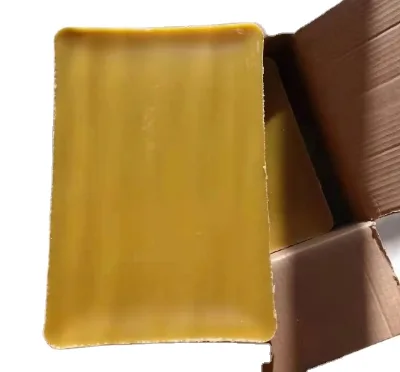
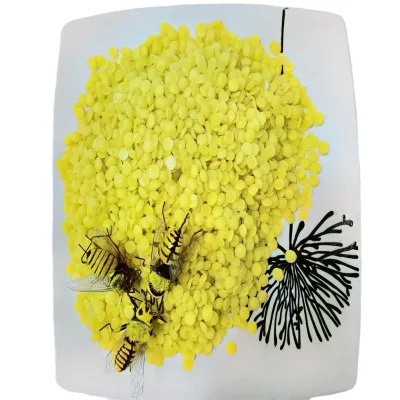
The Natural Molded Beeswax Candle market offers a diverse range of options tailored for specific ceremonial, decorative, and functional needs. Based on observed product listings, these items are primarily manufactured in China, with significant production hubs in Shandong and Zhejiang provinces. Buyers will encounter a variety of form factors, including pillar and tapered styles, which are processed through molding or filling techniques to achieve the desired shape. The raw material is consistently identified as beeswax, often highlighted as a 100% natural product with low impurity content, making it suitable for applications ranging from home lighting and holiday decoration to religious rituals and spa environments.
Procurement decisions for this category require careful attention to the specific customization capabilities of the supplier, as the market supports extensive personalization. Fact sheets indicate that manufacturers frequently offer customization for scent profiles, packaging, logos, and labels, allowing buyers to align the product with their brand identity or specific event requirements. While the base material remains beeswax, the final product attributes vary significantly, with observed color options including yellow, blue, and multi-colored variations. This flexibility extends to dimensions, with standard sizes ranging from small 2.2cm tapers to larger 8x25cm pillars, ensuring that buyers can source candles that fit precise spatial or aesthetic constraints.
Product Scope and Observed Listing Signals
When evaluating product listings, buyers must distinguish between different functional categories, as the same core material serves vastly different end uses. The observed data reveals a split between candles designed for general illumination and those marketed specifically for aromatherapy or health care. For instance, some listings explicitly target usage in prayer rooms, gyms, and meditation spaces, emphasizing benefits like odor removal and fresh air, while others focus on traditional applications such as weddings, funerals, and birthday celebrations. This distinction is critical because the formulation, particularly regarding scent and burning characteristics, will differ based on whether the primary goal is ambiance, spiritual practice, or therapeutic effect.
The physical specifications of the candles provide immediate signals regarding their intended application and quality tier. Listings show a wide spectrum of dimensions, from compact 7x10cm units to substantial 8x25cm pillars, with some products offering custom sizing to meet unique project needs. Burning time is another key indicator of product scope, with observed ranges varying from short-duration 2.5 to 3-hour burns to extended 12-hour performance models. These variations suggest that buyers should not assume a single standard for all beeswax candles; instead, they must verify the specific burn time and size against their logistical requirements, such as event duration or shelf space limitations, to ensure the selected product aligns with the intended usage scenario.
Technical Specifications to Verify
Dimensional accuracy and structural integrity are paramount when sourcing molded beeswax candles, as these factors directly impact stability and safety during use. Buyers should verify the exact diameter and height specifications, noting that standard offerings include sizes like 5x20cm, 2.2x20cm, and 8x25cm, while custom orders may require precise adherence to unique measurements. The processing method, whether molding or filling, influences the surface finish and structural consistency; observed products often feature a smooth surface, which is desirable for both aesthetic appeal and uniform burning. It is essential to confirm that the chosen manufacturing process can maintain the structural integrity of the candle, particularly for larger pillar types that must support their own weight without warping.
The composition of the candle, including wick type and scent profile, requires rigorous verification to ensure it meets the buyer's functional expectations. The wick is typically made of cotton, a standard choice for natural beeswax candles, but the specific thickness and treatment can affect the burn quality and smoke production. Scent options are extensive, ranging from unscented varieties to complex blends like mint and vanilla, or broader collections including sandalwood, rose, ocean, and lavender. Buyers must confirm that the flavor or scent is compatible with the intended environment, especially for sensitive settings like spas or religious ceremonies, and verify that the scent intensity aligns with the product's burning time to prevent overpowering the space or fading too quickly.
Compliance and Safety Documentation
Safety and regulatory compliance are non-negotiable aspects of sourcing beeswax candles, particularly when the products are intended for commercial or public use. While specific certification statuses vary by supplier, the market includes manufacturers who hold recognized standards such as BRC, HACCP, and GMP, which indicate a commitment to quality management and food-grade safety protocols. These certifications are particularly relevant for candles used in environments where food safety or high hygiene standards are required, such as spas, gyms, or hospitality venues. Buyers should request current certification documents to verify that the supplier maintains these standards and that the production facilities adhere to the necessary safety and quality controls.
In addition to facility certifications, buyers must ensure that the product itself meets relevant safety standards for flammability and material purity. The observed data highlights that beeswax is often marketed as a 100% natural product with an impurity content of approximately 1%, a specification that buyers should verify through third-party testing reports. Although general standards like ISO 9001 are mentioned in broader industry contexts, the specific compliance requirements for candles often depend on the destination market's regulations regarding fire safety and chemical emissions. Procurement teams should demand test results that confirm the candle's burning behavior, smoke emission levels, and the absence of harmful additives, ensuring that the product is safe for the intended application without posing a fire hazard or health risk.
Cost Drivers and Commercial Terms
The pricing structure for natural molded beeswax candles is influenced by a combination of material costs, customization complexity, and order volume. Observed price ranges in the market span from $0.15 to $57.05, reflecting the significant variance between basic, unscented units and premium, custom-designed products with complex packaging and branding. The minimum order quantity (MOQ) also varies widely, from as low as 1 unit for sampling to 10,000 units for bulk industrial orders, allowing buyers to scale their procurement based on their immediate needs and budget constraints. Understanding these cost drivers is essential for budgeting, as the inclusion of custom scents, logos, or specialized packaging will inevitably increase the unit price compared to standard, off-the-shelf options.
Commercial terms and logistics play a critical role in the total cost of ownership, particularly given that the majority of these products originate from China. Buyers should clarify the shipping method, as products are typically packed in cartons, color boxes, or export-standard packaging, which affects both the unit cost and the freight charges. Lead times and production capacity are also key factors, as custom orders involving specific scents, colors, or dimensions may require longer manufacturing windows compared to standard inventory items. It is advisable to negotiate clear terms regarding payment schedules, delivery timelines, and liability for shipping damages, ensuring that the commercial agreement supports the buyer's operational timeline and financial planning.
Supplier Qualification and Quality Control
Selecting a qualified supplier for natural molded beeswax candles requires a thorough assessment of their manufacturing capabilities and quality assurance processes. Buyers should prioritize suppliers who demonstrate transparency in their production methods, such as those utilizing molding or filling techniques with a focus on achieving a smooth surface finish. The ability to customize the product, including scent, packaging, and labeling, is a strong indicator of a supplier's flexibility and technical competence. Additionally, verifying the supplier's location, such as those in Shandong or Zhejiang, can provide insights into their logistical efficiency and familiarity with export procedures, which are crucial for maintaining consistent supply chains.
Quality control measures must be integrated into the procurement process to ensure that every batch of candles meets the specified standards. Buyers should implement a rigorous inspection protocol that checks for consistency in dimensions, color, and scent, as well as the structural integrity of the wick and the purity of the beeswax. Given the variability in product attributes, such as the difference between pillar and tapered candles, it is essential to establish clear acceptance criteria for each order. Regular audits of the supplier's production line and testing of sample batches can help identify potential issues early, ensuring that the final product aligns with the buyer's expectations for quality and performance.
Long-Term Procurement Checks
Sustaining a successful long-term relationship with a beeswax candle supplier requires ongoing monitoring of product consistency and market adaptability. Buyers should regularly review the supplier's ability to maintain the specified impurity levels, scent profiles, and burning times across multiple production runs. As market trends shift, particularly in the aromatherapy and home decoration sectors, the supplier must demonstrate the agility to adapt their product offerings, such as introducing new scents or adjusting dimensions to meet evolving consumer preferences. This adaptability ensures that the buyer's inventory remains relevant and competitive, reducing the risk of obsolescence and maintaining customer satisfaction.
Continuous improvement in quality and efficiency is another critical aspect of long-term procurement checks. Buyers should engage in periodic performance reviews with their suppliers to discuss areas for optimization, such as reducing lead times, improving packaging sustainability, or enhancing the natural purity of the beeswax. Establishing a feedback loop that includes regular sampling and testing can help identify any deviations in product quality before they impact the end consumer. By fostering a collaborative relationship focused on continuous improvement, buyers can secure a reliable supply of high-quality natural molded beeswax candles that support their brand reputation and operational goals over the long term.
FAQs
What types of natural molded beeswax candles are available?
The product line includes pillar and tapered styles made from 100% natural beeswax. Options range from standard yellow pillars to multi-colored tapered candles. Some variants feature specific scents like mint and vanilla, while others are unscented for general home or religious use.
Can I customize the scent and packaging of these candles?
Yes, customization is available for scent, packaging, logo, and label. Buyers can select from scents such as vanilla, sandalwood, rose, or ocean. Packaging options include color boxes, standard export cartons, or custom designs to meet specific branding or gifting requirements for weddings and parties.
What are the standard specifications for these beeswax candles?
Standard specifications include sizes like 5x20cm for pillars and 2.2x20cm for tapers. Other models offer dimensions such as 8x25cm or 22x2.3cm. The candles are processed using molding or filling techniques, with wick types typically being cotton, ensuring consistent burning for various decorative or functional applications.
Are these candles suitable for religious or meditation use?
Yes, they are suitable for prayer rooms, yoga, meditation, and religious ceremonies. The natural beeswax material provides a clean burn, making them ideal for creating a calm atmosphere. They are also used for odor removal and fresh air enhancement in homes, spas, and health care settings.
What certifications do the beeswax products hold?
The beeswax products hold BRC, HACCP, and GMP certifications. These standards ensure quality and safety for food-grade or high-purity applications. The product is characterized as a 100% natural beeswax product with low impurity content, making it reliable for sensitive uses like aromatherapy or decorative lighting.
Where are these natural molded beeswax candles manufactured?
These candles are manufactured in China, specifically in regions like Shandong and Zhejiang. The products are shipped in cartons or boxes using export-standard packaging. Buyers can source these items directly from verified suppliers in these locations, ensuring reliable logistics and consistent quality for bulk orders.