Source NDT Testing HD Borescope for Engine, Pipe, and Gearbox Inspection
Find and compare 30 industrial video borescope models featuring 6-inch touchscreens, IP67 waterproof probes, and H.265 video compression. Evaluate specifications such as 1280x720 resolution, customizable probe diameters, and Li-ion battery life to select the right NDT Testing HD Borescope for your inspection needs.
Key considerations
Products List

High-Performance 6mm Waterproof Articulating Borescope for NDT Inspections
$15000.00 - $29000.00
MOQ: 1 Sets
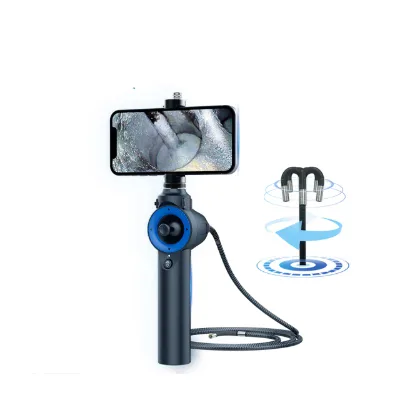


Handheld Inspection Video Borescope with 3.9mm Lens, 5.0 Inch LCD, 2m Testing Tube
$100.00 - $2000.00
MOQ: 1 Sets


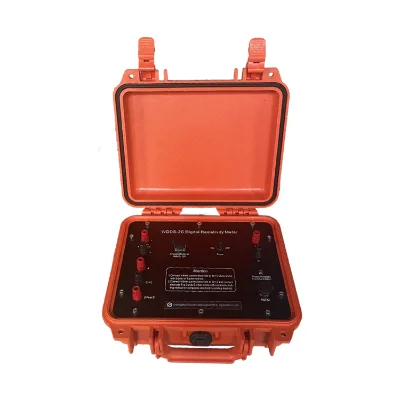


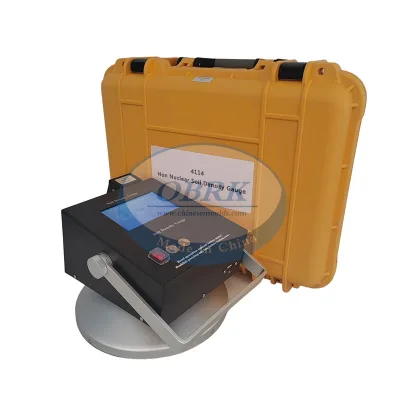


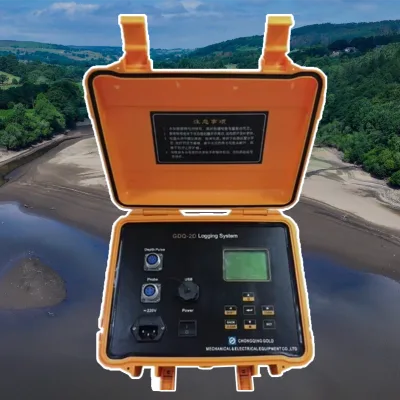
Soil Non Nuclear Density Test Gauge Nuclear Densitometer Testing Equipment
$5000.00 - $5300.00
MOQ: 1 Sets
Comprehensive Sourcing Guide
NDT Testing HD Borescope Sourcing Guide
Procuring high-definition borescopes for non-destructive testing (NDT) requires a precise understanding of how optical resolution, probe flexibility, and environmental sealing intersect with industrial inspection needs. Buyers must recognize that "HD" is a marketing term that varies significantly between manufacturers, often referring to sensor resolution, lens quality, or image processing capabilities rather than a single standardized metric. The core value of these devices lies in their ability to reveal internal defects in inaccessible components without disassembly, making the selection of the right tool critical for maintaining structural integrity in sectors like aerospace, automotive, and energy.
This guide focuses on the technical and commercial realities of sourcing industrial video borescopes, drawing on observed market data and standard industry practices. It is designed to help procurement specialists and quality engineers navigate the complexities of specification verification, compliance documentation, and supplier qualification. By adhering to the evidence-based insights provided, buyers can mitigate the risk of acquiring underperforming equipment and ensure that their NDT operations meet rigorous quality assurance standards.
Product Scope and Observed Listing Signals
The current market for industrial video borescopes presents a wide spectrum of options, with observed price points ranging from approximately $1 to $35,000 USD. This vast disparity reflects differences in probe diameter, length, sensor technology, and additional features such as waterproofing or specialized lighting. Buyers should note that the minimum order quantity (MOQ) typically ranges from 1 to 100 units, indicating that both single-unit trials and bulk procurement are common practices. Understanding this range helps in budgeting for both pilot purchases and large-scale fleet deployments.
Observed product attributes highlight key differentiators, such as probe diameters ranging from 0.85mm to 6mm and lengths customizable from 1 to 30 meters. Many listings feature 6-inch touchscreens with resolutions like 1280x720P, powered by rechargeable lithium-ion batteries with endurance life around two hours. These specifications suggest that modern borescopes are increasingly portable and user-friendly, yet the buyer must verify if these specs apply to the specific model of interest, as some listings may aggregate data from multiple product lines.
Technical Specifications to Verify
When evaluating technical specifications, the probe's physical dimensions and flexibility are paramount. The material composition, often tungsten braided, provides the necessary durability and bendability for navigating complex geometries. Buyers should verify the deep of focus (DOF) ranges, which can vary from 3mm to 200mm depending on the lens configuration, as this directly impacts the clarity of images at different distances. A closer DOF is essential for inspecting small crevices, while a longer range is better for larger cavities.
Illumination and sensor technology are equally critical for image quality. High-power optic fiber LED illumination is common, but buyers should also consider specialized light types such as UV or IR for specific defect detection needs. The sensor type, typically CMOS, and the video compression format, such as H.265, affect both image clarity and data storage efficiency. Additionally, the field angle, often around 70 to 100 degrees, determines the breadth of the inspection area, so buyers must match this to the specific component being inspected.
Compliance and Safety Documentation
Compliance with international standards is a non-negotiable aspect of sourcing NDT equipment. Certifications such as CE, RoHS, FCC, and ISO are frequently cited, indicating adherence to safety, environmental, and quality management principles. Buyers must request valid certificates for the specific models they intend to purchase, as these documents serve as proof that the equipment meets regulatory requirements in their target markets. Without proper certification, the equipment may not be legally usable in certain industrial environments.
Waterproofing and environmental sealing are also key compliance and safety features. Many probes are rated IP67, meaning they are dust-tight and can withstand immersion in water up to 1 meter for 30 minutes. This rating is crucial for inspections in wet or dirty environments, such as engine compartments or underground pipelines. Buyers should verify the lens waterproof level separately from the probe rating, as discrepancies can lead to equipment failure during critical inspections.
Cost Drivers and Commercial Terms
Several factors drive the cost of industrial video borescopes, including probe diameter, length, and the inclusion of advanced features like 360-degree articulation or specialized lighting. Customization options, such as OEM branding or software reengineering, can also significantly impact the final price. Buyers should be aware that higher resolution screens and larger battery capacities often come at a premium, so it is important to balance performance needs with budget constraints.
Commercial terms, including warranty and support, are vital considerations. A standard warranty period of one year is common, but buyers should negotiate for extended coverage or on-site technical support if the equipment is used in high-stakes environments. Additionally, the packaging and shipping dimensions, which can vary from compact cartons to larger protective cases, affect logistics costs. Buyers should clarify whether these costs are included in the quoted price or billed separately.
Supplier Qualification and Quality Control
Supplier qualification is essential to ensure the reliability of the equipment and the consistency of supply. Buyers should verify the supplier's manufacturing capabilities, including their ability to produce customized probes and integrate advanced sensor technologies. The place of origin, often Guangdong or Fujian in China, can provide insights into the supplier's industrial ecosystem and supply chain resilience. However, buyers should not rely solely on location but should conduct thorough due diligence on the supplier's track record.
Quality control measures, such as rigorous testing of probe flexibility and image clarity, are critical. Buyers should request sample units for evaluation before committing to large orders. This allows for hands-on verification of specifications like resolution, battery life, and waterproofing. Additionally, suppliers offering online technical support and customized logo services demonstrate a commitment to customer satisfaction and long-term partnership, which can be valuable for ongoing procurement needs.
Long-Term Procurement Checks
Long-term procurement success depends on the availability of spare parts and software updates. Buyers should ensure that the supplier provides a steady supply of replacement probes, batteries, and accessories, as these components are subject to wear and tear. The ability to upgrade software for improved image processing or additional features is also a key factor in extending the lifecycle of the equipment. Without these support services, the initial investment may become obsolete more quickly.
Data storage and compatibility are other long-term considerations. With options like micro SD cards and memory cards, buyers should ensure that the borescope's data output is compatible with their existing analysis software. The lack of Wi-Fi in some models may require manual data transfer, so buyers should assess whether this workflow fits their operational needs. Regularly reviewing these aspects ensures that the procurement strategy remains aligned with evolving inspection requirements and technological advancements.
FAQs
What customization options are available for industrial video borescopes?
Customization is available for industrial video borescopes including customized logos, software reengineering, and OEM or ODM services. Buyers can also request specific probe diameters ranging from 0.85mm to 6mm and cable lengths up to 30 meters to suit unique inspection needs.
Which probe diameters are offered for the industrial borescope models?
The industrial borescope models offer probe diameters of 6mm, 3.9mm, 2.8mm, 1.8mm, 1.2mm, and 0.85mm. Specific models like the CB-QT360 feature a 4.0mm diameter, while others support 6.0mm with tight tolerances for precise engine and gearbox inspections.
How long does the battery last on the rechargeable borescope units?
The battery endurance life is approximately 2 hours on a single charge for the rechargeable Li-ion battery units. These units typically come with a 2600mAh built-in lithium battery to support extended field operations without immediate power access.
What certifications do the industrial video borescopes hold?
The industrial video borescopes hold CE, RoHS, FCC, and ISO certifications to ensure compliance with international safety and quality standards. These certifications validate the product's suitability for professional applications in engine, gearbox, and pipe inspection environments.
Can the borescope probe be used in wet or harsh conditions?
Yes, the probe is waterproof with an IP67 rating for the lens and probe body, making it suitable for wet or harsh conditions. This feature ensures durability during inspections in pipelines, casting, and welding applications where moisture or weather exposure is common.
What display resolution is provided on the 6-inch touchscreen models?
The 6-inch touchscreen models provide display resolutions of 1280x720P or 960x720P for clear visual inspection. These high-definition screens allow operators to view detailed images of internal components in engines, gears, and pipes with minimal distortion.
Where are these industrial borescopes manufactured and what is the origin?
These industrial borescopes originate from Guangdong and Fujian, China, as indicated by the product origin details. The manufacturing locations support the production of various models with different specifications and customization capabilities for global B2B buyers.