Source NdFeB Guitar Pickups for Electric, Acoustic, and Folk Instruments
Explore 30 listings of NdFeB Guitar Pickups available from Chinese manufacturers. Buyers can compare specifications, materials like metal and plastics, and pricing for electric, acoustic, and folk guitar applications.
Key considerations
Products List
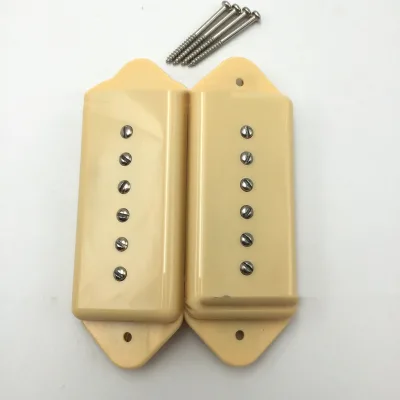
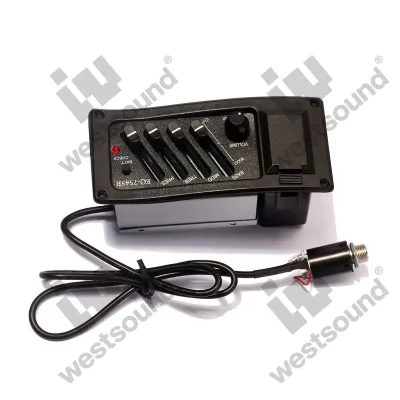
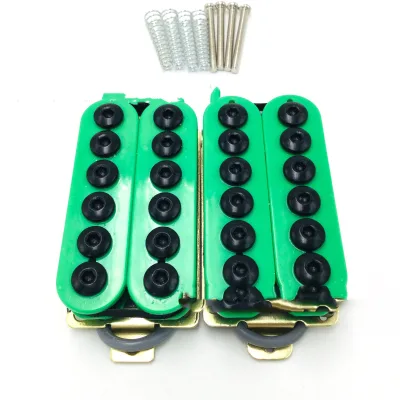
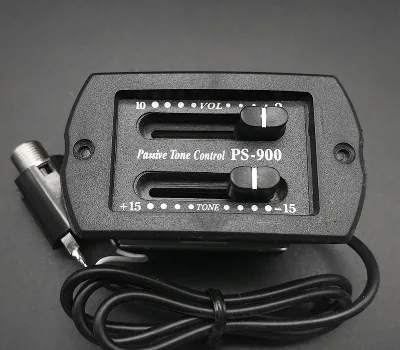
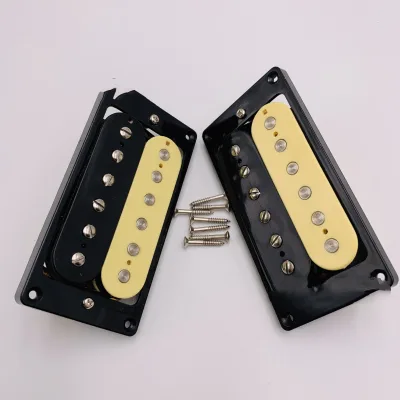
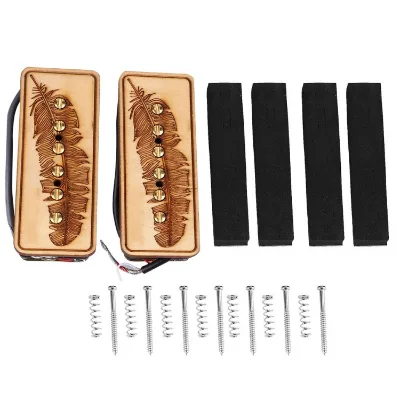
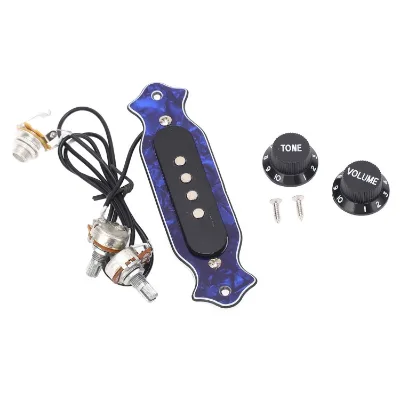
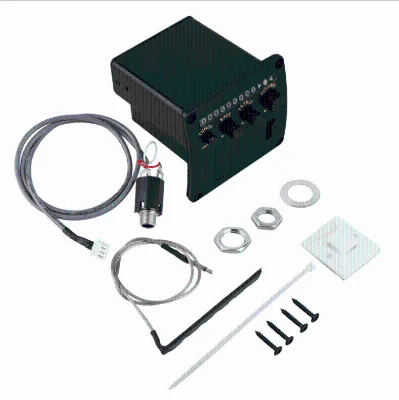
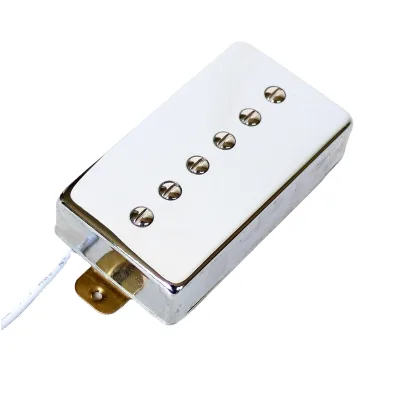
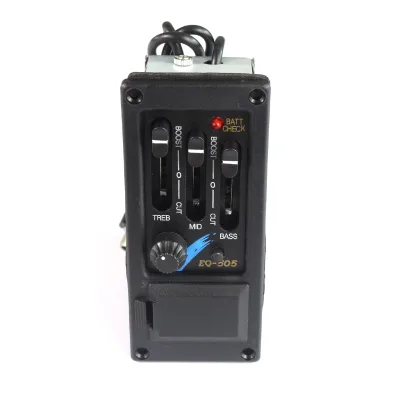
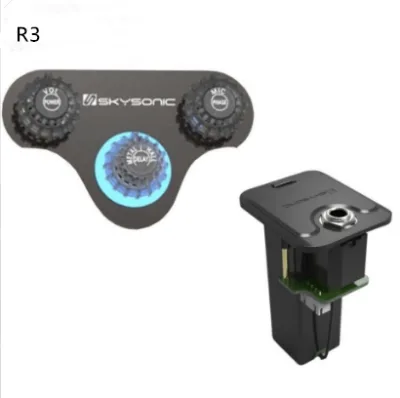
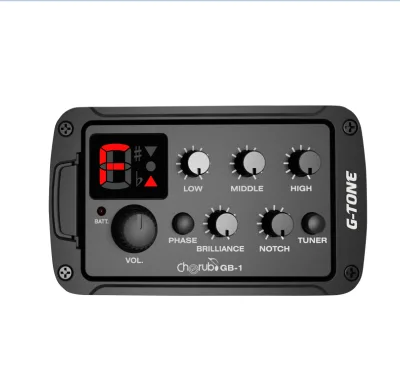
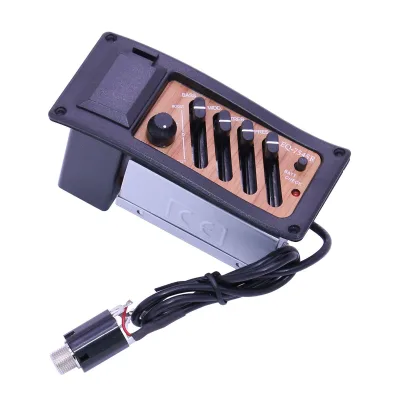
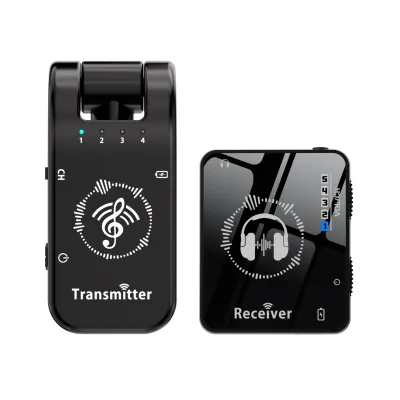
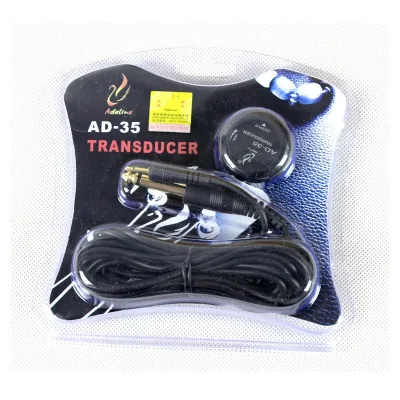
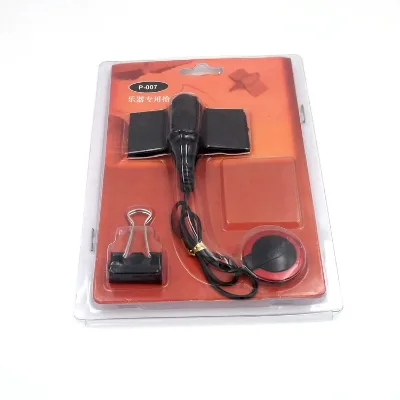
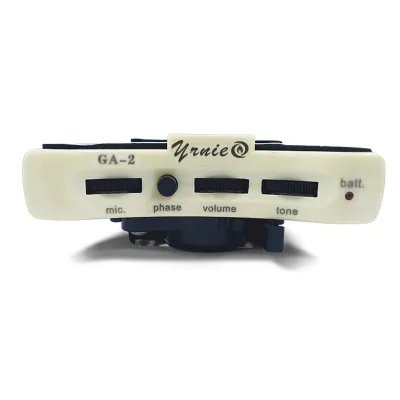
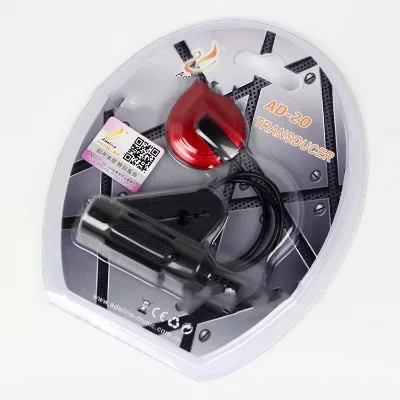


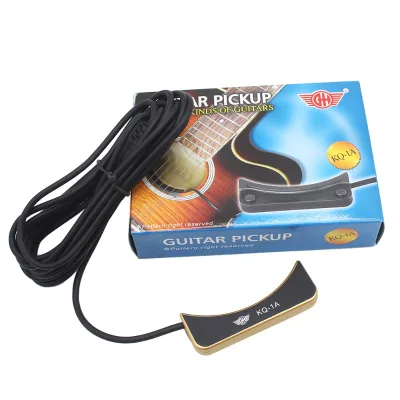
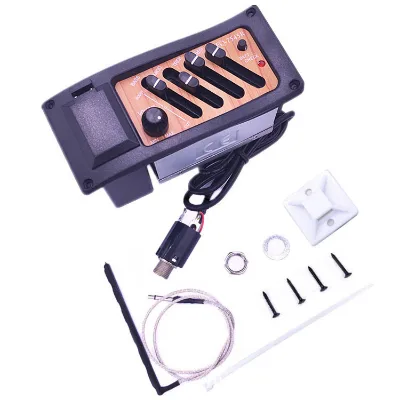
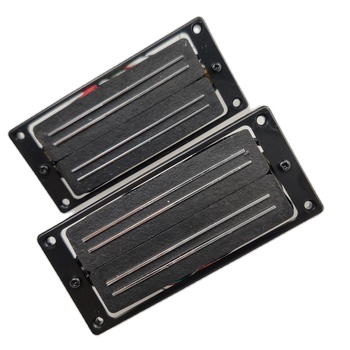
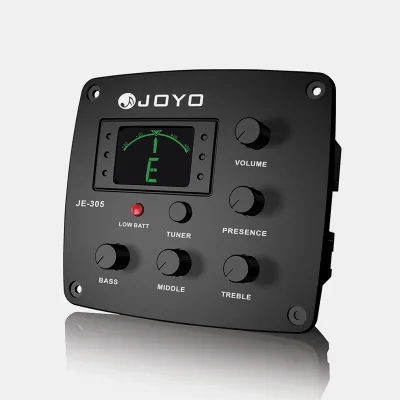
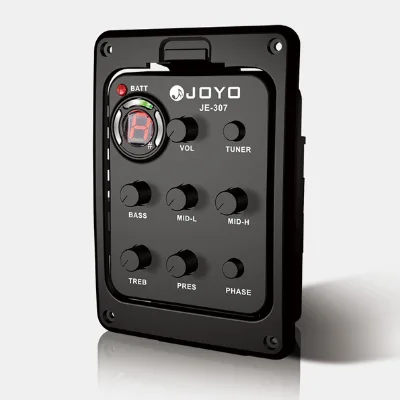
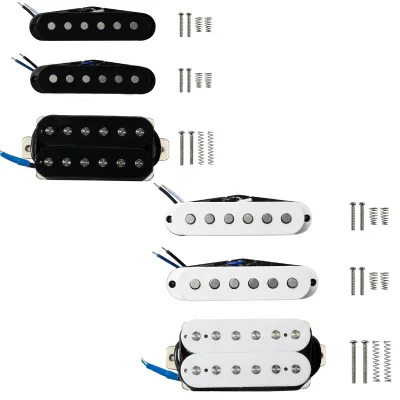
Comprehensive Sourcing Guide
Strategic Sourcing Guide for NdFeB Guitar Pickup Components
The global market for guitar pickups has evolved significantly, with a distinct shift toward high-performance magnetic materials to enhance tonal clarity and output. Neodymium Iron Boron (NdFeB), often referred to simply as NdFeB, has become a critical component in modern pickup construction due to its superior magnetic strength-to-weight ratio compared to traditional Alnico or ceramic magnets. For B2B buyers researching this specific category, the procurement landscape involves navigating a complex array of material specifications, manufacturing capabilities, and supply chain variables. This guide provides a structured approach to sourcing NdFeB guitar pickup components, focusing on the technical realities observed in the current market and the due diligence required to ensure product integrity.
Understanding NdFeB Material Properties and Magnetic Performance
The primary advantage of NdFeB in guitar pickup applications lies in its high remanence and coercivity. Unlike older magnet types, NdFeB allows manufacturers to achieve higher output levels with smaller physical dimensions, which is particularly beneficial for compact pickup designs or instruments where space is constrained. When evaluating potential suppliers, buyers must verify the specific grade of the NdFeB material being used. While the supplied product data indicates a mix of materials including "Metal," "Plastics," "Copper," and "Nickel Silver," the core magnetic element requires specific scrutiny.
In the context of the observed product listings, materials such as "Metal" and "Copper" are frequently listed alongside magnetic components. Copper is often used in the coil windings, while the magnet itself is the NdFeB element. Buyers should not assume that a listing labeled "Metal" automatically implies high-grade NdFeB without explicit confirmation. The magnetic field strength directly influences the pickup's frequency response, attack, and sustain. High-grade NdFeB magnets can produce a brighter, more aggressive tone with a wider dynamic range. However, this strength also necessitates careful engineering to prevent magnetic interference with other components or to avoid excessive pull on the strings, which can affect playability.
Technical Specifications and Component Integration
When reviewing product specifications, attention must be paid to the physical dimensions and integration methods of the pickup. The supplied data reveals a wide variance in model numbers, such as "0929," "1017," "YQ02252," and "AEQ-2T," indicating a highly fragmented market with numerous custom and OEM configurations. The single package sizes observed range from 10x7x6 cm to 20x10x10 cm, suggesting that the packaging dimensions are not standardized and vary significantly based on the specific pickup design and included accessories.
A critical technical consideration is the coating and protection of the NdFeB magnets. Neodymium magnets are prone to corrosion if not properly treated. The supplied product attributes mention a "Coating Description: Uncoated" for certain items, which is a significant red flag for long-term durability in humid environments or outdoor use. Buyers must explicitly verify the surface treatment of the magnets. Standard industry practice involves nickel plating or epoxy coating to prevent oxidation. If a supplier lists "Uncoated" NdFeB, the buyer must assess whether the intended application allows for such exposure or if additional protective measures are required during the assembly process.
Furthermore, the interaction between the magnet and the coil is vital. The data lists materials like "ABS+Metal" and "Nickel Silver," which are often used for the casing or pole pieces. The compatibility between the magnetic material and the casing material affects the magnetic circuit efficiency. For instance, nickel silver is a common choice for pole pieces due to its non-magnetic properties, which help shape the magnetic field without interfering with the core magnet. Buyers should request detailed schematics or magnetic field maps to understand how the NdFeB core interacts with the specific casing and coil design of the product.
Compliance, Certification, and Environmental Standards
While the supplied product facts do not explicitly list certification numbers or specific compliance standards, the global market for electronic components and musical instruments is increasingly regulated. Buyers must verify that suppliers adhere to international environmental standards, particularly regarding the use of hazardous substances. The Restriction of Hazardous Substances (RoHS) directive is a baseline requirement for most electronics and metal components sold in major markets.
The presence of "OEM" and "Acceptable" OEM/ODM attributes in the product data suggests that many suppliers operate as contract manufacturers. This flexibility allows for customization but shifts the burden of compliance verification to the buyer. When sourcing NdFeB components, it is essential to confirm that the raw materials are sourced from suppliers who comply with conflict mineral regulations and that the manufacturing process does not violate environmental protection laws.
Additionally, the "Place of Origin" data points to China, specifically Henan and Guangdong provinces. These regions are known for their manufacturing clusters, but quality control standards can vary widely between facilities. Buyers should not assume that products from these regions automatically meet Western safety or environmental standards. Instead, they must request third-party test reports or certificates of conformity for each batch of NdFeB magnets. These documents should verify the magnetic properties, coating integrity, and chemical composition of the materials used.
Cost Drivers and Pricing Dynamics
The observed price range for guitar pickups in the market spans from $1.41 to $55.48 USD. This wide disparity indicates that the cost is heavily influenced by the quality of the NdFeB material, the complexity of the design, and the level of customization. Lower-priced items in the $1.41 to $5.00 range likely utilize standard-grade NdFeB or alternative magnetic materials, while the higher-end products approaching $55.48 may feature high-grade magnets, advanced shielding, and premium casing materials like nickel silver or high-quality ABS.
The Minimum Order Quantity (MOQ) also plays a significant role in the total cost of ownership. The observed MOQ range is 1 to 100 units. Suppliers with an MOQ of 10 pieces, as noted in the data, may offer more competitive per-unit pricing for small to medium-sized orders. However, for large-scale production, buyers should negotiate based on volume tiers. The cost of NdFeB is subject to fluctuations in the global rare earth market, which can impact the final price of the pickup. Buyers should factor in potential price volatility when planning long-term procurement strategies and consider locking in prices through forward contracts if possible.
Supplier Evaluation and Manufacturing Capabilities
Evaluating suppliers requires a deep dive into their manufacturing capabilities and quality assurance processes. The product data lists various brand names, including "yindu," "OEM," "Adeline/OEM," and "Donlis," alongside generic descriptions. This mix of branded and OEM products suggests that many suppliers are capable of producing both private-label and generic items. Buyers should prioritize suppliers who demonstrate transparency in their production process and offer clear communication regarding material sourcing.
Key evaluation criteria include the supplier's ability to provide consistent magnetic properties across batches. Variations in the NdFeB grade can lead to inconsistent tonal performance, which is unacceptable for professional-grade instruments. Buyers should request sample batches to test for consistency in magnetic strength and output. Additionally, the "Feature: practical, good handfeeling" attribute highlights the importance of the physical build quality. The supplier must ensure that the pickup is not only magnetically efficient but also mechanically robust, with secure mounting and durable wiring.
Quality Control and Long-Term Procurement Considerations
Quality control is paramount when sourcing NdFeB Guitar Pickups. The "Single gross weight" data varies from 0.030 kg to 1.000 kg, indicating a wide range of product densities and component counts. This variance necessitates a rigorous inspection protocol. Buyers should implement a multi-stage quality control process that includes incoming material inspection, in-process checks, and final product testing.
Long-term procurement considerations also involve the supply chain's resilience. The reliance on NdFeB, a material dependent on rare earth elements, introduces supply chain risks. Buyers should assess the supplier's ability to secure raw materials during market disruptions. Furthermore, the "Use: GUITAR" and "Use for: Folk classical guitar" attributes indicate specific application requirements. A pickup designed for a folk classical guitar may have different magnetic and structural requirements compared to one for an electric guitar. Buyers must ensure that the supplier understands these nuances and can tailor the product to the specific instrument type.
Comparative Analysis of Product Attributes
To facilitate decision-making, the following table summarizes key attributes observed in the market data, highlighting the variability buyers must navigate.
| Attribute Category | Observed Variations | Sourcing Implication |
|---|---|---|
| Material Composition | Metal, Plastics, Copper, Nickel Silver, ABS+Metal | Verify specific NdFeB grade and coating; do not assume "Metal" implies high-grade magnet. |
| Magnet Coating | Uncoated, implied coated | "Uncoated" requires immediate verification for corrosion resistance; prioritize coated options for durability. |
| Model Numbers | 0929, 1017, YQ02252, AEQ-2T, DL55, EQ-505 | High fragmentation; requires strict specification matching to avoid compatibility issues. |
| Package Size | 10x7x6 cm to 20x10x10 cm | No standard packaging; logistics costs will vary significantly by model. |
| Weight | 0.030 kg to 1.000 kg | Significant variance; impacts shipping costs and instrument balance. |
| MOQ | 1 to 100 units | Flexible for small orders; volume discounts likely available for higher tiers. |
| Origin | Henan, China; Guangdong, China | Regional manufacturing hubs; verify specific facility certifications. |
Conclusion
Sourcing NdFeB guitar pickup components requires a meticulous approach that balances technical performance with supply chain reliability. The market offers a diverse range of options, from basic models to high-end custom solutions, but the variability in material quality, coating, and specifications demands rigorous due diligence. Buyers must move beyond surface-level product descriptions and verify the core magnetic properties, environmental compliance, and manufacturing consistency of their suppliers. By focusing on these critical factors, B2B buyers can secure high-quality NdFeB pickups that meet the demanding standards of the musical instrument industry while mitigating the risks associated with material variability and supply chain disruptions. The path to successful procurement lies in clear communication, detailed specification requirements, and a commitment to quality assurance at every stage of the supply chain.
FAQs
What materials are used in NdFeB Guitar Pickups?
NdFeB Guitar Pickups typically use metal, plastics, copper, and nickel silver. The core magnet is neodymium iron boron, while copper often winds the coil. Some listings also specify ABS plastic combined with metal for casing.
Can I find uncoated NdFeB magnets in these pickups?
Yes, some product listings explicitly state the coating description is uncoated. Buyers must verify corrosion resistance as uncoated neodymium is prone to oxidation. Protective measures are often required for humid environments or outdoor use.
Which model numbers are available for guitar pickups?
Available model numbers include 0929, 1017, YQ02252, AEQ-2T, DL55, and EQ-505. The market shows high fragmentation with numerous custom and OEM configurations. Buyers must match specific model numbers to their instrument requirements.
How does the MOQ vary for these products?
The minimum order quantity ranges from 1 to 100 units. Some suppliers list an MOQ of 10 pieces for specific items. Volume tiers often influence per-unit pricing for larger procurement orders.
Where are these guitar pickups manufactured?
Products originate from Henan and Guangdong provinces in China. These regions are known manufacturing hubs for musical instrument components. Buyers should verify specific facility certifications as quality standards can vary between locations.
What is the price range for guitar pickups?
The observed price range spans from 1.41 to 55.48 USD. Lower prices often reflect standard-grade materials, while higher costs indicate premium magnets and advanced shielding. Price volatility depends on global rare earth market fluctuations.
Can I customize the pickup specifications?
Yes, many suppliers accept OEM and ODM requests for customization. The product data indicates flexibility for private-label and generic item production. Buyers should confirm material sourcing and compliance details during the customization process.