Source Neutral Anti-Rust Circulating Oil Package for Industrial Lubrication
Find and compare Neutral Anti-Rust Circulating Oil Package options from verified manufacturers. This sourcing guide covers 30 available products with varying specifications, including flash points, viscosity, and packaging types like IBC tanks and drums, to help you select the right lubricant additive for your needs.
Key considerations
Products List


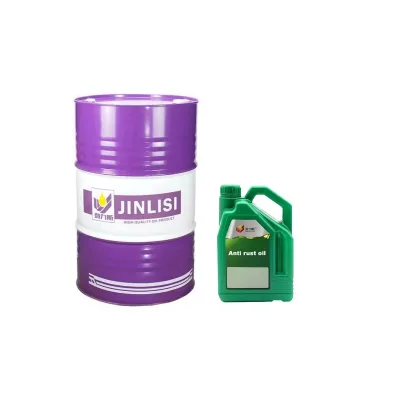


Corrosion Rust Protection Car Care Anti-Rust Lubricant Oil Multipurpose Spray
$0.65 - $0.75
MOQ: 1200 Pieces

Own Manufacturer Universal Anti Rust Remover Penetrating Anti-Rust Lubricant Oil
$0.45 - $0.53
MOQ: 3000 Pieces


Rust Prevention Anti Corrosion Waterproof Anti Rust Lubricant Spray 400ml
$0.37 - $0.42
MOQ: 31800 Pieces


Comprehensive Sourcing Guide
Neutral Anti-Rust Circulating Oil Package Sourcing Guide
Sourcing neutral anti-rust circulating oil packages requires a disciplined approach to verifying chemical stability, packaging integrity, and supplier reliability. In the B2B lubricant market, "neutral" typically refers to a formulation that is chemically stable and free from aggressive acidic or alkaline components that could damage seals or painted surfaces. The term "circulating oil package" implies a finished product or additive blend designed for continuous flow systems, such as hydraulic circuits, industrial machinery, or central lubrication networks. Buyers must distinguish between base oils, additive concentrates, and finished lubricants, as the procurement strategy, testing protocols, and storage requirements differ significantly for each category.
The procurement landscape for these products is diverse, ranging from small-volume aerosol sprays for maintenance to bulk IBC tank deliveries for industrial manufacturing. Observed market data indicates a wide variance in product forms, including liquid additives, composite blends, and specialized paraffin additives. This diversity means that a single sourcing request may yield results for entirely different product classes. Therefore, the initial step in sourcing is to clearly define whether the requirement is for a bulk industrial lubricant, a specific corrosion inhibitor additive, or a consumer-grade maintenance product. Misalignment in this definition is the most common cause of procurement delays and specification mismatches.
Product Scope and Observed Listing Signals
The current market listings for neutral anti-rust circulating oils reveal a broad spectrum of physical appearances and chemical compositions. Products are observed in various states, including black liquids, light yellow or white substances, and transparent yellow liquids. These visual differences often correlate with the base oil type and the specific additive package used. For instance, some listings indicate a bio-based oil composition, while others reference liquid mineral lubricants as the source. Buyers should not assume that all "neutral" oils share the same base stock; verifying the base oil type is critical for applications involving environmental sensitivity or specific material compatibility requirements.
Packaging and delivery formats vary significantly, reflecting the intended end-use. Listings show packaging options ranging from standard 200kg drums and 1000kg IBC tanks to smaller 100ml, 200ml, and 450ml aerosol spray cans. This disparity suggests that the term "circulating oil package" may be used loosely in some listings to describe either bulk industrial fluids or small-scale maintenance sprays. Additionally, some products are described as composite additives or corrosion inhibitors with specific calcium or phosphorus content, rather than finished circulating oils. Procurement teams must scrutinize the "Application" field to ensure the product is intended for continuous circulation systems rather than static storage protection or metalworking processes.
Technical Specifications to Verify
Technical verification begins with confirming the physical properties that impact system performance, such as viscosity and flash point. Observed data points include kinematic viscosity measurements at 40°C and 100°C, with some products reporting values around 60cst at 100°C. Flash points are critical for safety and operational limits, with observed values ranging from greater than 110°C to 160°C in closed cup tests. Buyers must specify the required viscosity grade and flash point threshold in their technical requirements, as these parameters directly influence pumpability, heat dissipation, and fire safety in circulating systems. Relying on generic descriptions without specific numerical targets can lead to equipment failure or safety hazards.
Chemical composition and additive content are equally vital for ensuring the "neutral" and anti-rust characteristics of the oil. Listings indicate varying levels of sulfur, phosphorus, and zinc, with some products containing up to 12.74% sulfur and 7.9% zinc. While these elements contribute to anti-wear and extreme pressure properties, high concentrations may not be suitable for all "neutral" applications, particularly those involving sensitive seals or specific alloy components. Buyers should request detailed technical data sheets (TDS) that specify the exact weight percentage of key elements and the type of corrosion inhibitors used. Verifying that the additive package aligns with the material compatibility of the circulating system is essential to prevent premature degradation of system components.
Compliance and Safety Documentation
Regulatory compliance and safety documentation are non-negotiable for industrial lubricant procurement. Buyers must ensure that suppliers provide appropriate safety data sheets (SDS) that comply with local and international regulations, such as GHS standards. The presence of certifications like ISO, Soncap, or CCIC in some listings indicates a level of quality management or inspection adherence, but these should be verified for current validity and relevance to the specific product batch. Certifications alone do not guarantee chemical safety; they must be supported by up-to-date hazard communication documents that detail handling, storage, and emergency response procedures.
Environmental protection is another critical compliance area, especially for products labeled as "environmentally friendly" or bio-based. Listings indicate that some products meet environmental protection standards, but buyers must clarify what specific regulations or certifications support this claim. For applications in sensitive environments or regions with strict discharge regulations, verifying the biodegradability and toxicity data of the oil is essential. Additionally, the "Customization" availability noted in some listings suggests that suppliers may offer tailored formulations, but any custom formulation must undergo rigorous compliance review to ensure it meets all applicable legal and safety requirements before deployment.
Cost Drivers and Commercial Terms
The cost of neutral anti-rust circulating oil packages is influenced by several factors, including the base oil type, additive complexity, and packaging format. Observed price ranges are extensive, from low-cost small-volume items to high-value bulk industrial products. The choice between mineral-based and bio-based oils can significantly impact the unit price, with bio-based options often commanding a premium due to sourcing and processing costs. Similarly, the inclusion of specialized additives, such as high-zinc or high-phosphorus compounds, can increase the cost due to the price volatility of raw materials like zinc dialkyldithiophosphate (ZDDP) or sulfurized olefins.
Commercial terms, including minimum order quantities (MOQ) and delivery times, vary widely across suppliers. MOQs can range from small quantities for testing to tens of thousands of units for bulk contracts. Delivery times are also variable, with some suppliers offering standard lead times of 15 days, while others may have longer production cycles for customized formulations. Buyers should negotiate clear terms regarding price validity, payment methods, and incoterms to manage cost exposure. Understanding the total cost of ownership, including storage, handling, and disposal costs associated with the packaging type, is crucial for accurate budgeting and supplier selection.
Supplier Qualification and Quality Control
Supplier qualification requires a thorough assessment of manufacturing capabilities and quality control processes. Buyers should prioritize suppliers who identify as manufacturers rather than traders, as this often ensures greater control over formulation consistency and production quality. Verification of production standards, such as ISO 9001, should be conducted through independent audits or certification body verification, rather than relying solely on supplier claims. The presence of specific product models, such as T3123 or Chorus-1259, may indicate established product lines, but buyers must ensure that these models are consistently produced to the same specifications across batches.
Quality control measures should include pre-shipment inspections and third-party testing for critical parameters. Buyers should request certificates of analysis (COA) for each batch, verifying key attributes like viscosity, flash point, and additive content against the agreed specifications. For bulk orders, implementing a random sampling and testing protocol upon receipt is recommended to detect any deviations in quality. Additionally, assessing the supplier's ability to provide technical support and handle complaints is essential for long-term partnership stability. A supplier with a robust quality management system and responsive technical support can mitigate risks associated with product variability and application issues.
Long-Term Procurement Checks
Long-term procurement success depends on establishing a framework for continuous performance monitoring and supplier evaluation. Buyers should implement a system for tracking lubricant performance in actual operating conditions, including monitoring for signs of corrosion, viscosity changes, or additive depletion. Regular review of supplier performance metrics, such as on-time delivery, product consistency, and responsiveness to technical queries, is essential for maintaining a reliable supply chain. Any deviations in product quality or service should be addressed promptly through formal corrective action processes to prevent recurrence.
As technology and regulations evolve, buyers must stay informed about changes in lubricant formulations and environmental standards. This includes monitoring for new bio-based alternatives, updated safety regulations, or emerging industry best practices for circulating oil maintenance. Periodic re-evaluation of the supplier base and product specifications ensures that the procurement strategy remains aligned with operational needs and regulatory requirements. By maintaining a proactive approach to supplier management and product verification, buyers can ensure the long-term reliability and efficiency of their circulating oil systems.
FAQs
What is the flash point of neutral anti rust circulating oil?
The flash point is typically 130°C or higher, with some variants reaching 160°C. This ensures safe handling during storage and application. The product appears as a liquid, often black or light yellow, depending on the specific additive formulation and base oil type used in the manufacturing process.
How is the product packed for shipment?
Packaging options include IBC tanks, drums, and car care aerosol sprays. Standard drum sizes are 200kg, while IBC tanks hold 1000kg. Some smaller quantities are available in 100ml to 450ml cartons. Customization is available to meet specific logistical requirements for bulk industrial orders.
Can the formulation be customized for specific applications?
Yes, customization is available for various industrial needs. The product serves as a lubricant additive, fuel additive, or corrosion inhibitor. Specific models like T3123 or Chorus-1259 offer tailored properties. Buyers can request adjustments to meet precise viscosity or content requirements for their machinery.
What certifications are associated with these lubricant additives?
Certifications include CCIC, ISO, Soncap, and Tir. These validate quality and compliance for international trade. The products originate from China and are designed for environmental protection. Buyers should verify specific certification documents for their target markets to ensure regulatory compliance upon import.
What is the typical delivery time for orders?
The standard delivery time is 15 days. This applies to most standard orders placed with manufacturers. Lead times may vary based on order volume and customization needs. Buyers should confirm exact schedules with suppliers to align with their production or maintenance schedules effectively.
Which models are available for anti rust circulating oil?
Available models include T3123, T3103, Chorus-1259, and T5016. Each model offers distinct properties such as viscosity, flash point, and chemical content. For example, some contain calcium or phosphorus for enhanced performance. Select the model that matches your specific machinery and lubrication requirements.