Source Neutral Car Engine Fuel Additive for Gasoline, Diesel, Marine
Find 30 verified listings for Neutral Car Engine Fuel Additive designed for gasoline, diesel, and marine applications. Buyers can compare specifications, packaging options, and lead times from manufacturers in China to select the right product for their needs.
Key considerations
Products List


Safe Efficient Factory Price Car Injector Cleaner Diesel Injector Cleaner
$0.35 - $0.72
MOQ: 7500 Pieces


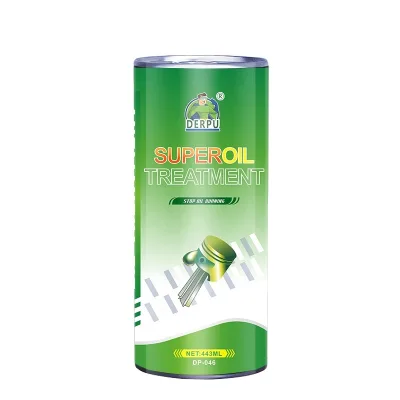
Factory Price Car Care Products Engine Oil Treatment Smoke Stop Fuel Additive
$0.75 - $1.25
MOQ: 2400 Pieces

Car Care Motor Candy Fuel Additive Energy-Saving Engine System Oil Treatment
$0.75 - $1.25
MOQ: 2400 Pieces

High Performance Lmprover Engine Octane Booster Car Care Fuel Additive 354ml
$0.41 - $0.58
MOQ: 1200 Pieces

$3300.00 - $4500.00
MOQ: 3 Tons




Comprehensive Sourcing Guide
Neutral Car Engine Fuel Additive Sourcing Guide
Sourcing a Neutral Car Engine Fuel Additive requires a precise understanding of the chemical balance required to maintain engine health without causing corrosion or deposit buildup. The core of this procurement strategy lies in identifying products explicitly labeled with a neutral pH, which ensures compatibility with modern fuel systems, catalytic converters, and oxygen sensors. Buyers must distinguish between general cleaning agents and specialized additives designed to function as engine treatments, as the latter often contain specific active ingredients like phosphates or mineral lubricants that enhance performance without altering the fuel's fundamental acidity.
The market offers a diverse range of formulations, from liquid gasoline treatments to diesel injector cleaners, each with distinct physical states and application profiles. While some products are marketed as octane boosters or flow improvers, the neutral variant specifically targets the preservation of engine components and the reduction of smoke emissions. Procurement teams should prioritize suppliers who clearly define the product's physical state, such as liquid, and its intended use, whether as an activating agent or a protective lubricant, to ensure the selected additive aligns with the specific operational needs of the vehicle fleet or machinery being serviced.
Product Scope and Observed Listing Signals
When evaluating product listings, buyers should look for specific signals that confirm the additive's suitability for neutral applications, such as explicit mentions of "Car Cleaning Chemical PH: Neutral" or classifications like "Flow Improver" and "Protective Lubricant." The observed product data indicates a wide spectrum of packaging formats, ranging from small 50ml units to bulk 1-ton containers, with common configurations including 354ml bottles packed in cartons of 12 or 24 pieces. These variations suggest that the product scope extends from retail-ready consumer units to industrial bulk supplies, requiring buyers to match their volume needs with the appropriate packaging standard.
The physical characteristics of the additives also provide critical signals for verification, including odor profiles like kerosene, evaporation rates described as slow, and flash points around 44°C. These attributes help differentiate between volatile solvents and stable fuel treatments, ensuring the selected product will not evaporate prematurely or pose excessive safety risks during storage and transport. Additionally, the presence of customization options and OEM/ODM acceptance indicates that many manufacturers can tailor the formulation or packaging to meet specific fleet requirements, allowing for a more targeted procurement strategy.
Technical Specifications to Verify
Technical verification begins with confirming the model numbers and standard specifications associated with the neutral additive, such as models PG-06, PG-07, or PC-01, which often correspond to specific volume standards like 250ml, 500ml, or 1L. Buyers must ensure that the listed standard, such as "354ml x 12" or "50ml," aligns with their inventory planning and that the product's composition, often described as additives or liquid mineral lubricants, matches the chemical requirements of their engines. The melting point, observed to be below -25.5°C, is a crucial specification for operations in colder climates, ensuring the liquid additive remains fluid and effective during winter storage and distribution.
Beyond volume and composition, the expiration date and volatile percentage are essential technical parameters that dictate shelf life and storage conditions. With an observed expiration date of three years and a volatile content of 40%, procurement teams must calculate their reorder cycles carefully to prevent product degradation before use. The classification of the product as a "Cleaning Type" or "Engine Additive" further clarifies its functional role, and buyers should verify that the specific model they select, such as the G43 or HR063, includes the necessary performance attributes like smoke reduction and improved engine function without compromising the neutral pH balance.
Compliance and Safety Documentation
Compliance verification is paramount when sourcing fuel additives, as these chemicals often require specific certifications to be legally sold and used in various jurisdictions. The observed data highlights certifications such as ISO and SAE, which serve as indicators of adherence to international quality and safety standards. Buyers should request current certification documents to confirm that the manufacturer maintains these standards, particularly for products intended for use in regulated markets where fuel additives are subject to strict environmental and safety regulations.
Safety documentation must also address the physical hazards associated with the product, including its flash point and odor. A flash point of 44°C indicates a specific level of flammability that requires careful handling and storage protocols, while the kerosene-like odor suggests the presence of volatile organic compounds that may require ventilation during use. Procurement teams should ensure that the supplier provides Material Safety Data Sheets (MSDS) that detail these properties, along with any necessary handling instructions, to guarantee that the product can be safely integrated into their supply chain and used by their end customers.
Cost Drivers and Commercial Terms
The cost of neutral car engine fuel additives is influenced by several factors, including the volume of the order, the complexity of the packaging, and the level of customization required. The observed MOQ range of 1 to 7500 units suggests that buyers can access small trial batches or large-scale industrial orders, with pricing likely varying significantly based on these quantities. Additionally, the availability of OEM/ODM services may introduce additional costs for branding, custom labeling, or formulation adjustments, which should be factored into the total cost of ownership.
Commercial terms such as delivery time and packing type also play a significant role in the overall cost structure. With a lead time ranging from 15 to 45 days, buyers must plan their inventory replenishment cycles to avoid stockouts, especially for bulk orders that may require longer production runs. The packing type, whether in plastic bottles, cartons, or bulk containers, affects shipping costs and storage efficiency, and buyers should negotiate terms that optimize these logistics factors to minimize the total expenditure while maintaining supply continuity.
Supplier Qualification and Quality Control
Supplier qualification for fuel additives requires a thorough assessment of the manufacturer's business type and production capabilities. The observed data identifies the suppliers as manufacturers, which implies direct control over the production process and quality assurance, a significant advantage over trading companies. Buyers should verify the supplier's location, such as Guangzhou or Guangdong in China, to understand the logistical implications and potential for on-site audits, ensuring that the manufacturing environment meets the required standards for producing high-quality chemical additives.
Quality control measures should be a central part of the supplier evaluation, focusing on the consistency of product attributes like pH, composition, and physical state. Buyers should request samples to test the product's performance in real-world conditions, verifying claims such as the reduction of smoke and improvement of engine function. Additionally, the supplier's ability to provide consistent batch-to-batch quality, supported by certifications like ISO and SAE, is critical for maintaining the reliability of the fuel additive in the buyer's fleet or product line.
Long-Term Procurement Checks
Long-term procurement success depends on establishing a robust relationship with suppliers who can adapt to changing market demands and regulatory requirements. Buyers should regularly review the supplier's capacity to meet evolving standards, such as new environmental regulations or updated safety certifications, to ensure continued compliance. The ability of the supplier to offer customization and OEM services also indicates a partnership potential that can support long-term growth and product differentiation in the market.
Finally, continuous monitoring of product performance and supply chain stability is essential for maintaining the integrity of the neutral fuel additive supply. Buyers should track key performance indicators such as delivery times, defect rates, and customer feedback to identify any potential issues early. By maintaining a proactive approach to supplier management and quality assurance, procurement teams can ensure a steady supply of high-quality neutral car engine fuel additives that meet the rigorous demands of modern engine technology.
FAQs
What is the typical packaging for neutral car engine fuel additives?
The standard packaging is a plastic bottle, often 354ml, packed in cartons. Common configurations include 12 or 24 bottles per carton. This format supports retail distribution and bulk shipping. Buyers should verify the specific carton count and bottle size with the supplier before ordering.
Can neutral car engine fuel additives be customized for private labeling?
Yes, customization is available for these products. Suppliers typically accept OEM and ODM requests, allowing buyers to specify branding and packaging details. This flexibility supports private label strategies. Confirm the minimum order quantity and lead time for customized orders with the manufacturer.
What is the shelf life of liquid neutral car engine fuel additives?
The expiration date is typically three years from the date of manufacture. This stability is suitable for standard storage conditions. Buyers should check the production date on the packaging to ensure the product is within its usable window upon arrival.
Which certifications are associated with neutral car engine fuel additives?
Products in this category may hold ISO or SAE certifications. These standards indicate adherence to specific quality and performance benchmarks. Buyers should request current certification documents to verify compliance with their regional or corporate requirements before placing an order.
What is the typical lead time for Neutral Car Engine Fuel Additive orders?
Delivery times generally range from 15 to 45 days. This duration accounts for production, quality control, and logistics. The exact timeline depends on the order volume and customization level. Buyers should confirm the specific lead time for their order size with the supplier.
What is the physical state of neutral car engine fuel additives?
The product is in a liquid state. This form allows for easy mixing with fuel and application in engine systems. The liquid nature requires careful handling during transport to prevent leakage. Packaging is designed to maintain the integrity of the liquid content.
What is the primary use of neutral car engine fuel additives?
These additives serve as engine additives and cleaning agents. They are used to improve engine function and reduce smoke. The product acts as a fuel treatment to maintain performance. Buyers should ensure the specific formulation matches their engine type and fuel requirements.