Source Medical Use Eye Drop Bottle for Pharmaceutical Packaging
Compare 30 Medical Use Eye Drop Bottle options from Chinese manufacturers. Buyers can evaluate materials like HDPE and plastic, capacities ranging from 5ml to 10ml, and customization features such as color and shape for pharmaceutical packaging needs; compare the available evidence and request quotations based on your requirements.
Key considerations
Products List


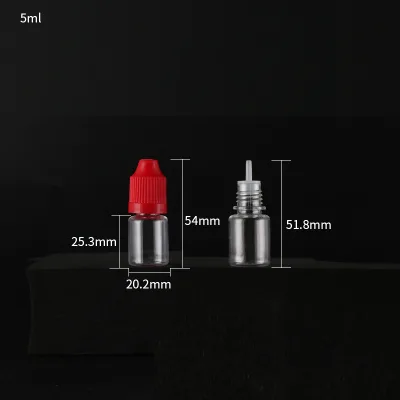
High Quality HDPE clear Medical Squeeze Dropper Bottle 5ml Eye Drops Bottle
$0.03 - $0.18
MOQ: 1000 Minimum


Plastic Dropper Bottle 15ml PE Squeezable Medicine Bottle Eye Liquid Bottles
$0.04 - $0.05
MOQ: 1000 Pieces


Hot Selling Lab Squeezable Medicine Eye Liquid Bottles 30ml Plastic Dropper Bottle
$0.06 - $0.07
MOQ: 1000 Pieces


Comprehensive Sourcing Guide
Medical Use Eye Drop Bottle Sourcing Guide
Procuring medical-grade eye drop bottles requires strict adherence to material integrity and sealing reliability to ensure pharmaceutical safety. The observed market data indicates a primary focus on plastic construction, specifically utilizing HDPE or LDPE materials that offer the necessary flexibility for squeezable application. Buyers must verify that the selected polymer meets the specific mechanical demands of the intended dosage form, as the material directly influences the bottle's ability to dispense precise volumes without leakage or contamination.
Commercial listings frequently highlight customization options for color, size, and shape, allowing brands to differentiate their products while maintaining functional standards. However, the availability of these customizations often correlates with higher minimum order quantities, ranging from 10,000 to 50,000 units depending on the supplier's capacity. Procurement teams should balance the desire for unique branding against the logistical and financial implications of these volume thresholds to optimize inventory turnover and cash flow.
Product Scope and Observed Listing Signals
The product scope for medical eye drop packaging is defined by specific model identifiers such as "Eye Dropper," "Eye Drop Bottle," and "Drop Bottle," which signal the intended application for liquid medication dispensing. Listings consistently describe these items as round bottles equipped with screw caps and tamper-evident features, ensuring that the integrity of the pharmaceutical contents remains uncompromised from the factory to the end-user. These structural characteristics are critical for maintaining sterility and preventing accidental ingestion or misuse by patients.
Observed listing signals reveal a diverse range of capacities, including standard 5ml, 8ml, 10ml, and 15ml options, alongside fully customized volume specifications. The packaging methods vary from safe polybag and carton combinations to sealed poly bags, reflecting different stages of the supply chain and shipping requirements. Buyers should carefully review these packaging details to ensure they align with their internal logistics capabilities and the specific protection needs of their fragile glass or plastic dropper assemblies during transit.
Technical Specifications to Verify
Technical verification must begin with the closure system, as the screw-on neck and tamper-evident cap design are paramount for preventing product tampering and ensuring a secure seal. The dropper type, often specified as a plastic dropper, must be compatible with the bottle neck to guarantee a leak-free fit that allows for controlled dispensing of the medication. Procurement teams should request detailed dimensional drawings to confirm that the neck thread pitch and diameter match the dropper assembly specifications before finalizing any order.
Material flexibility and hardness are also critical technical parameters, with observations noting both "half-hard" and "soft" flexibility profiles depending on the specific bottle application. The manufacturing technique, identified as bottle blowing or extrusion, dictates the wall thickness and overall durability of the container. Buyers should validate that the selected production method produces a bottle with the appropriate squeeze characteristics for their specific dosage requirements, ensuring that the container can be easily manipulated by patients without compromising the structural integrity of the dropper tip.
Compliance and Safety Documentation
Compliance documentation is essential for medical packaging, with suppliers often citing certifications such as ISO, SGS, FDA, and COA to demonstrate adherence to international quality standards. The presence of an SFDA registration certificate for specific colors indicates that the materials used are suitable for pharmaceutical contact and meet regional regulatory requirements for medical devices. Procurement teams must verify that these certifications are current and applicable to the specific batch of materials being supplied, rather than relying on generic claims that may not cover the exact product configuration.
Safety features like the tamper-evident cap and the use of unrecycled or recycled materials must be clearly documented to ensure they meet the strict hygiene standards of the pharmaceutical industry. While some listings mention recycled content, others specify unrecycled materials, and the choice between these options depends on the specific regulatory environment and the client's sustainability goals. Buyers should request detailed material safety data sheets (MSDS) and migration test results to confirm that the packaging does not leach harmful substances into the medication.
Cost Drivers and Commercial Terms
Cost drivers in this sector are heavily influenced by the minimum order quantity (MOQ), which ranges significantly from 10,000 to 50,000 sets, directly impacting the unit price and overall procurement budget. Customization of color, size, and shape typically incurs additional tooling or setup costs, which are amortized over the production run. Buyers must negotiate these terms carefully, as higher customization levels often require larger order volumes to achieve a competitive per-unit cost, necessitating a careful analysis of forecasted demand.
Lead times and delivery schedules are another critical commercial factor, with observed delivery windows spanning 15 to 25 days from order confirmation. This timeframe includes the production cycle, quality control checks, and final packaging, but it may vary based on the complexity of the customization and the supplier's current production load. Procurement teams should factor in these lead times when planning inventory replenishment to avoid stockouts, and they should clarify whether the quoted price includes all packaging materials and shipping costs to prevent unexpected expenses.
Supplier Qualification and Quality Control
Supplier qualification should prioritize manufacturers with a proven track record in medical packaging, evidenced by their ability to provide comprehensive certification documentation and consistent product quality. The observation of "Customer-Oriented Service" as a key advantage suggests that suppliers in this niche often provide responsive support for technical queries and customization requests. Buyers should assess the supplier's capacity to handle large-scale orders and their ability to maintain consistent quality across different production batches to ensure long-term reliability.
Quality control processes must be rigorous, focusing on the sealing integrity of the screw caps and the dimensional accuracy of the dropper assemblies. Suppliers should implement strict in-process inspections to detect defects such as leaks, misaligned caps, or material inconsistencies before the products are packed. Procurement teams should request a detailed quality control plan that outlines the specific tests performed, such as drop tests and pressure tests, to verify that the bottles meet the required performance standards for medical applications.
Long-Term Procurement Checks
Long-term procurement strategies should include regular audits of supplier performance to ensure that quality standards and delivery timelines remain consistent over time. As the market for medical packaging evolves, suppliers must adapt to new regulatory requirements and sustainability trends, such as the increased use of recycled materials. Buyers should establish a feedback loop with their suppliers to address any emerging issues promptly and to ensure that the supply chain remains resilient against potential disruptions.
Continuous monitoring of material specifications and certification validity is crucial for maintaining compliance with evolving pharmaceutical regulations. Buyers should verify that the suppliers continue to meet the required standards for material safety and that any changes in production processes are communicated and approved in advance. By maintaining a proactive approach to supplier management, procurement teams can ensure a steady supply of high-quality eye drop bottles that meet the rigorous demands of the medical industry.
FAQs
What materials are used for medical eye drop bottles?
Medical eye drop bottles are typically made from plastic, specifically HDPE or LDPE. These materials ensure the container is squeezable and durable for pharmaceutical packaging. The plastic construction supports safe packing and maintains product integrity during transport and storage for medical applications.
What sizes are available for these eye drop bottles?
Standard sizes include 5ml, 8ml, 10ml, and 15ml capacities. Customized sizes are also available to meet specific pharmaceutical requirements. The 10ml option often features a tamper-evident cap, ensuring safety and compliance for medical use while providing adequate volume for patient needs.
Can these bottles be customized for branding?
Yes, customization is available for color, size, and shape. Buyers can select specific colors like blue or request other options. Although logo printing may be without logo printing by default, the product offers customer-oriented service to tailor the bottle design to specific branding or medical packaging needs.
What is the typical lead time for delivery?
The delivery time is typically 15-25 days. This timeframe applies to standard orders for medical eye drop bottles. Buyers should account for this lead time when planning pharmaceutical packaging supply chains, ensuring timely availability for medication distribution and medical use requirements across different markets.
What certifications do these bottles hold?
These bottles hold certifications including ISO, SGS, FDA, and COA. Some products may also have SFDA registration certificates. These certifications verify that the plastic dropper bottles meet international standards for medical and pharmaceutical packaging, ensuring safety and regulatory compliance for global distribution and use.
What is the minimum order quantity for these bottles?
The minimum order quantity varies, with some listings stating 10,000 pieces and others 50,000 sets. Buyers should check specific supplier requirements as MOQs can range from 10 to 50,000 units. This flexibility allows businesses to order quantities that match their production scale and medical packaging demands.