Source New Car Body Kit for LX570, Flying Spur, and Cullinan
Find and compare 30 New Car Body Kit options for luxury vehicles like the Lexus LX570, Bentley Flying Spur, and Rolls-Royce Cullinan. Evaluate fitment, material, and pricing to select the right upgrade for your fleet or retail needs.
Key considerations
Products List

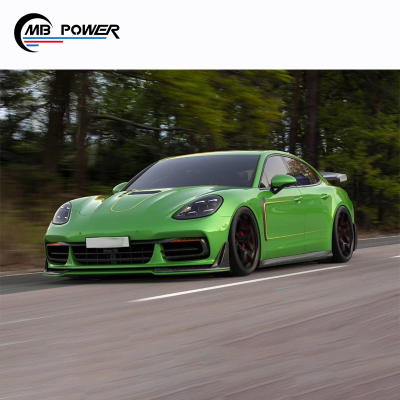


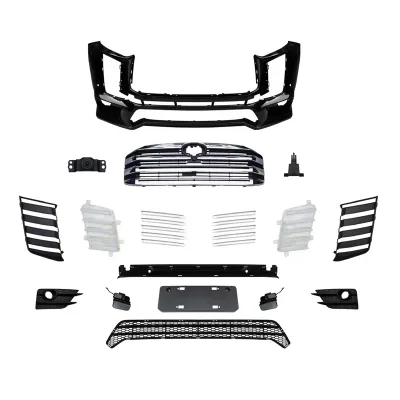


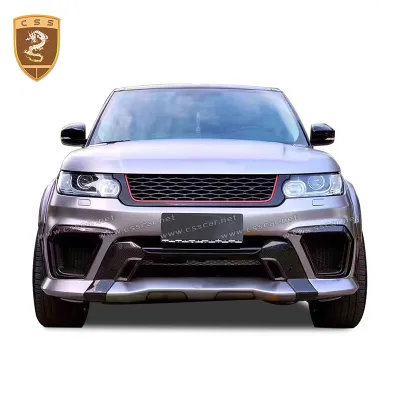


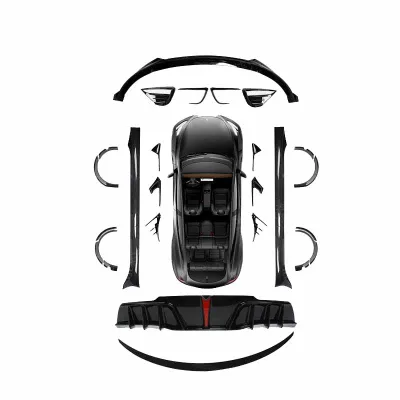


Comprehensive Sourcing Guide
New Car Body Kit Sourcing Guide
Sourcing new car body kits requires a disciplined approach to align aesthetic upgrades with structural integrity and regulatory compliance. Buyers must navigate a market where visual appeal often overshadows technical precision, making it essential to distinguish between cosmetic enhancements and functional aerodynamic components. The procurement process begins with a clear definition of the vehicle platform and the specific aesthetic goals, ensuring that the selected kit complements the original design language while meeting the buyer’s performance expectations. This guide provides a structured framework for evaluating suppliers, verifying technical specifications, and managing commercial risks associated with aftermarket automotive parts.
The following sections outline the critical steps for sourcing high-quality body kits, from initial product scope analysis to long-term supplier relationship management. By focusing on evidence-based verification and standardized commercial terms, buyers can mitigate the risks of fitment issues, material degradation, and supply chain disruptions. This approach ensures that the final product not only enhances the vehicle’s appearance but also maintains its structural integrity and resale value, providing a reliable return on investment for both individual enthusiasts and commercial distributors.
Product Scope and Observed Listing Signals
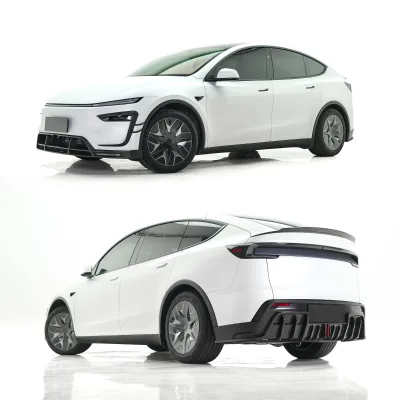
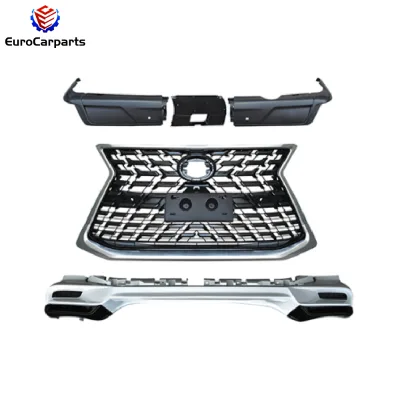
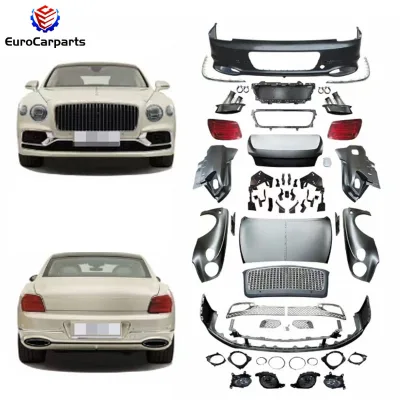
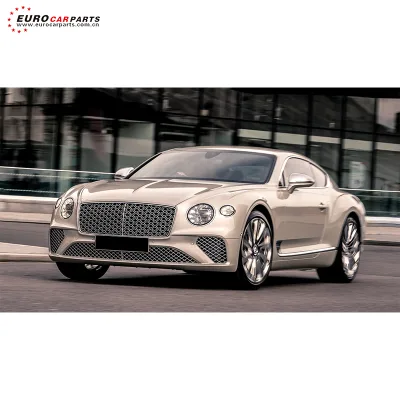
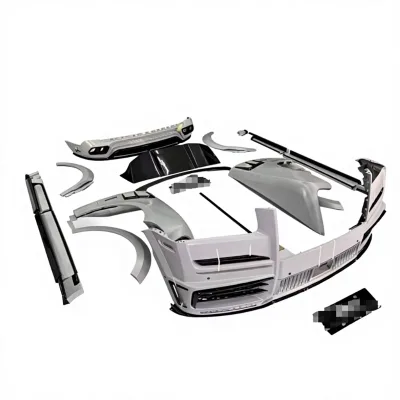
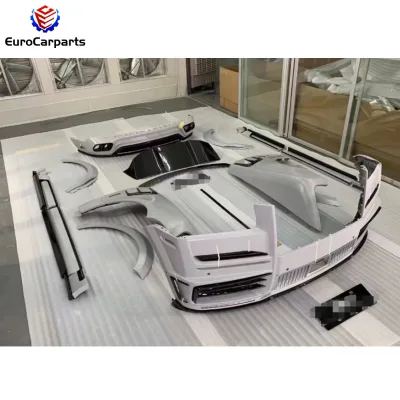
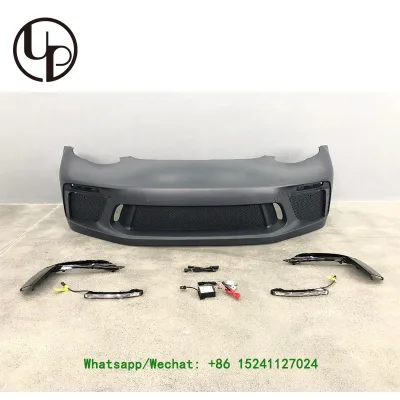
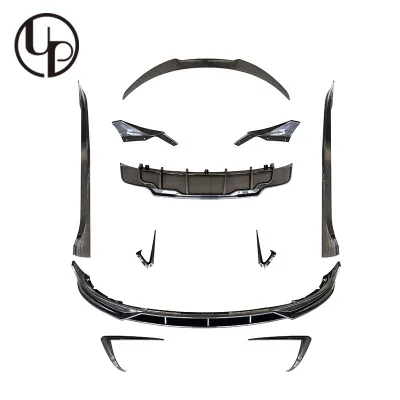
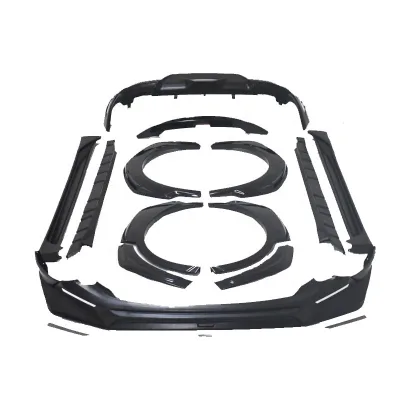
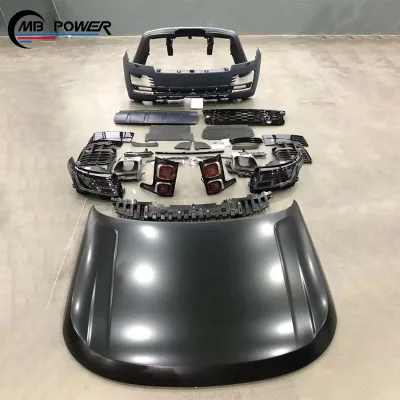
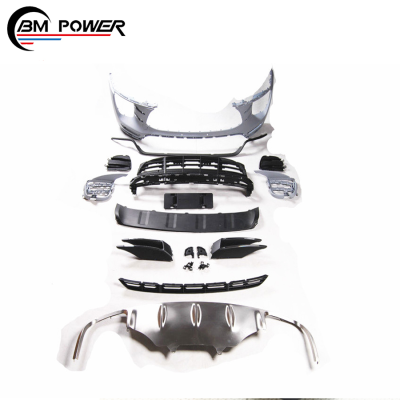
The market for new car body kits encompasses a wide range of components, including front lips, rear diffusers, front grills, and bumper reinforcements, designed for specific vehicle models such as the Lexus LX570, Rolls-Royce Flying Spur, and Rolls-Royce Cullinan. Observed listing signals indicate that these products are typically marketed as "replace/upgrade" solutions, emphasizing a "100% fitment" or "excellent fitment" to the original vehicle architecture. Buyers should note that while some listings claim universal fitment, the majority of high-quality kits are model-specific, requiring precise alignment with the vehicle’s existing mounting points and body lines. The primary purpose of these kits is often for retrofit or upgrade, allowing owners to modernize the appearance of their vehicles without compromising the original design elements.
Material composition is a critical differentiator in this product category, with polypropylene and plastic being common materials observed in current listings. These materials are selected for their durability, flexibility, and ability to withstand environmental stressors while maintaining a lightweight profile. The condition of the products is consistently listed as "new," with many suppliers offering a primer finish to facilitate custom painting and color matching. Buyers should verify the specific material grade and finish options, as these factors directly impact the ease of installation and the final aesthetic outcome. Additionally, the inclusion of hardware such as bolts and screws in the package is a key indicator of a complete kit, reducing the need for additional purchases and simplifying the installation process.
Technical Specifications to Verify
Technical verification begins with the precise identification of the vehicle make and model, as body kits are highly specific to the platform they are designed for. For instance, kits for the LX570 2021 Year must align with the unique dimensions and mounting configurations of that specific model, while those for the Flying Spur or Cullinan require different specifications due to the distinct body styles of these luxury vehicles. Buyers should cross-reference the model number and car make provided by the supplier with official vehicle data to ensure compatibility. The attachment type, whether bolt-on or screw-on, also plays a crucial role in the installation process, influencing the tools required and the time needed for fitting.
Dimensional accuracy is another vital aspect of technical verification, with single package sizes and gross weights serving as key indicators of the kit’s scale and complexity. Observed data shows package sizes ranging from compact dimensions for smaller components to larger boxes measuring up to 200x132x130 cm for full body kits. The single gross weight, which can vary from 20.0 kg to 80.0 kg depending on the kit’s comprehensiveness, provides insight into the material volume and structural robustness. Buyers should request detailed dimensional drawings and weight specifications to plan for storage, handling, and shipping logistics, ensuring that the components can be safely transported and installed without damage.
Compliance and Safety Documentation
While body kits are primarily aesthetic modifications, they must comply with local vehicle regulations regarding dimensions, aerodynamics, and material safety. Buyers should verify that the supplier provides documentation confirming that the kit does not obstruct lights, sensors, or other critical vehicle systems. In some jurisdictions, modifications to the front bumper or rear diffuser may require certification to ensure that they meet safety standards for pedestrian protection and crash compatibility. Although specific certification statuses are not universally listed, buyers should inquire about the supplier’s adherence to relevant automotive standards and request any available test reports or compliance certificates.
The warranty terms offered by suppliers also serve as an indicator of product reliability and compliance. Observed warranty periods range from standard coverage to one year, providing buyers with a safety net against manufacturing defects or premature material failure. Buyers should carefully review the warranty conditions, including coverage for paint finish, material integrity, and fitment issues, to ensure that they are protected in case of defects. Additionally, the supplier’s service commitment, such as 24-hour support, can be crucial for resolving technical questions or addressing issues that arise during installation, ensuring a smooth procurement experience.
Cost Drivers and Commercial Terms
The cost of new car body kits is influenced by several factors, including material quality, complexity of design, and the level of customization required. Observed price ranges in the market vary significantly, reflecting the diversity of products available from different suppliers. Buyers should consider the total cost of ownership, including shipping, installation, and potential painting costs, rather than focusing solely on the unit price. The payment terms offered by suppliers, such as Western Union, PayPal, TT, and Trade Assurance, provide varying levels of security for the buyer, with Trade Assurance offering additional protection against non-delivery or quality disputes.
Minimum order quantities (MOQ) and delivery times are also critical commercial considerations, particularly for bulk purchasers or distributors. Observed MOQs range from one set to fifty sets, allowing for flexibility in order sizes based on the buyer’s needs. Delivery times typically range from 7-15 days to 15-30 days, depending on the supplier’s production capacity and the complexity of the order. Buyers should negotiate clear delivery schedules and penalty clauses for delays to manage their inventory and customer expectations effectively. Additionally, the shipping method, whether sea, air, or express, should be selected based on the urgency of the order and the cost constraints of the project.
Supplier Qualification and Quality Control
Supplier qualification is a critical step in ensuring the quality and reliability of the procured body kits. Buyers should verify the supplier’s place of origin, with Guangdong, China, being a common hub for automotive parts manufacturing, known for its advanced production capabilities and supply chain efficiency. The brand name associated with the product, such as G WORKS or EUROCAR, can provide insights into the supplier’s market reputation and product lineage. Buyers should conduct due diligence on the supplier’s history, customer reviews, and production facilities to assess their ability to deliver consistent quality.
Quality control measures should be established through clear communication of specifications and expectations. Buyers should request samples or detailed product images to verify the finish, material quality, and fitment accuracy before placing large orders. The inclusion of items such as bolts and screws in the package is a positive indicator of attention to detail and customer satisfaction. Additionally, buyers should establish a feedback loop with the supplier to address any issues that arise during installation or use, fostering a collaborative relationship that prioritizes continuous improvement and customer satisfaction.
Long-Term Procurement Checks
Long-term procurement success depends on the ability to maintain consistent quality and supply from the chosen supplier. Buyers should implement regular quality audits and performance reviews to ensure that the supplier continues to meet the agreed-upon standards. This includes monitoring the consistency of fitment, material durability, and customer service responsiveness over time. By maintaining open communication and providing constructive feedback, buyers can help the supplier improve their products and processes, leading to a more reliable and efficient supply chain.
Additionally, buyers should stay informed about changes in vehicle models and market trends that may impact the demand for specific body kits. This proactive approach allows buyers to adjust their inventory and sourcing strategies in response to shifting market conditions, ensuring that they remain competitive and responsive to customer needs. By focusing on long-term relationships and continuous improvement, buyers can build a robust sourcing strategy that supports their business growth and customer satisfaction goals.
FAQs
What materials are used for new car body kits?
New car body kits are typically manufactured from Polypropylene or durable Plastic to ensure impact resistance and lightweight performance. These materials allow for precise molding that matches original equipment specifications. The choice of material ensures the body kit can withstand road debris while maintaining structural integrity during installation and daily driving conditions.
How is the fitment guaranteed for these body kits?
The fitment is designed to be 100% compatible or excellent for specific vehicle models such as the LX570 2021 Year or Flying Spur. Manufacturers ensure precise alignment through rigorous testing against original dimensions. This high-quality fitment minimizes the need for extensive modification during the retrofit or upgrade process, ensuring a seamless appearance on the vehicle.
Can I install a New Car Body Kit myself?
Yes, most new car body kits feature easy installation and bolt-on or screw-on attachment types. The packages often include necessary bolts and hardware to facilitate the process. While professional installation is recommended for optimal results, the design allows for straightforward mounting, making it accessible for users with basic automotive modification experience.
What is the typical delivery time for these kits?
The standard delivery time ranges from 7 to 15 days for many items, while others may take 15 to 30 days depending on the supplier. Shipping methods include sea, air, and express options to accommodate different urgency levels. Buyers should confirm the specific lead time with the supplier before placing orders to ensure timely arrival for their projects.
What payment terms are accepted for bulk orders?
Common payment terms include TT, PayPal, Western Union, and Trade Assurance to protect buyer interests. These flexible options cater to different transaction sizes and regional preferences. Using Trade Assurance provides an additional layer of security for international transactions, ensuring that funds are released only upon satisfactory delivery and product verification.
What warranty is provided with new car body kits?
Warranty periods typically range from standard coverage to 1 year, depending on the manufacturer. This warranty covers defects in material and workmanship under normal use conditions. Buyers should retain proof of purchase and follow installation guidelines to maintain warranty validity, ensuring support is available if any manufacturing issues arise post-delivery.