Source Rectangular E-mark LED Tail Lights for Trucks, Trailers, and Buses
Compare 30 Rectangular E-mark LED Tail Lights from verified Chinese suppliers. Options include round and side marker variants with IP67 waterproofing, E-mark certification, and multiple LED configurations for heavy-duty vehicle applications; compare the available evidence and request quotations based on your requirements.
Key considerations
Products List


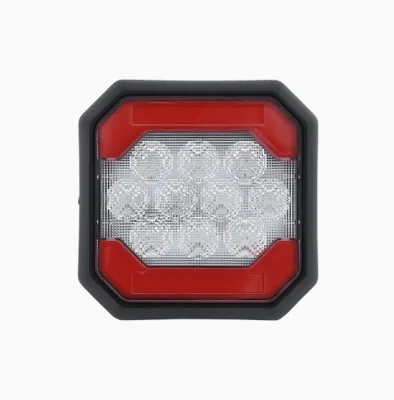


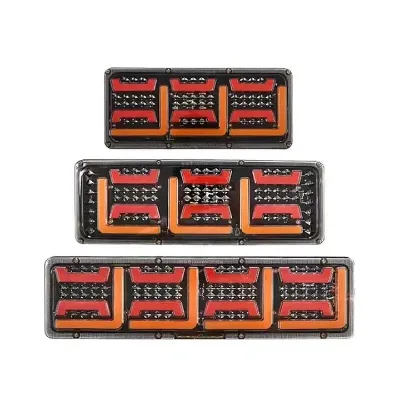


LED Side Marker Lights Multi Colors Warning Tail Light 12V 24V for Truck
$1.08 - $1.54
MOQ: 100 Pieces


Comprehensive Sourcing Guide
Rectangular E-mark LED Tail Lights Sourcing Guide
Sourcing rectangular E-mark LED tail lights requires a disciplined approach to balancing optical performance with regulatory compliance. Buyers must first distinguish between generic aftermarket replacements and certified components suitable for homologated vehicle platforms. The presence of an E-mark indicates adherence to specific United Nations Economic Commission for Europe regulations, which is critical for legal road use in many international markets. Without this certification, the lights may only serve as decorative or off-road accessories, limiting their marketability and legal utility.
Procurement teams should also evaluate the physical form factor against the vehicle’s mounting geometry. While the core keyword specifies rectangular designs, the observed market data includes round variants, indicating that suppliers often offer diverse shapes under similar product codes. It is essential to verify that the selected rectangular unit matches the required dimensions, such as the 95mm size or other specific measurements, to ensure proper fitment. Misalignment in shape or size can lead to costly installation errors and customer returns, making precise specification verification a non-negotiable first step in the sourcing process.
Product Scope and Observed Listing Signals
The current market landscape for LED tail lights reveals a wide variance in specifications, power outputs, and LED configurations. Observed listings show power outputs ranging from 2W to 10W, with LED counts varying significantly from 6 to 108 units per fixture. This disparity suggests that buyers cannot assume uniform brightness or efficiency across all suppliers. Some products are designed for basic parking and position functions, while others integrate complex multi-function capabilities including brake, turn signal, reverse, and fog light operations. Understanding these functional differences is crucial for matching the product to the intended vehicle system.
Material composition and environmental resistance are also key signals observed in supplier listings. Common materials include PC+ABS and ABS plastics, chosen for their durability and impact resistance. Many products boast an IP67 waterproof rating, ensuring protection against dust and temporary water immersion, which is vital for automotive applications exposed to harsh weather conditions. Additionally, features like shock resistance and long life spans of up to 100,000 hours are frequently highlighted. Buyers should treat these attributes as observations from specific listings rather than universal standards, verifying each claim against the actual product samples before committing to large orders.
Technical Specifications to Verify
When evaluating technical specifications, the electrical characteristics of the LED tail lights must be scrutinized closely. Current draw is a critical parameter, with observed values ranging from 0.2A to 1A, which impacts the vehicle’s electrical load and fuse requirements. Color temperature is another important factor, with cool white options around 6000K being common for modern aesthetics. However, buyers must ensure that the light output meets the required luminous intensity for safety regulations. The combination of red, amber, and white LEDs in a single unit allows for multifunctional use, but the optical separation of these colors must be clear to avoid confusion for other road users.
Physical dimensions and mounting configurations are equally important for successful integration. The thickness of the light housing, observed at around 36mm, must fit within the available space on the vehicle’s body. Mounting methods, such as the 2-bolt fix for left-hand or right-hand sides, need to be compatible with the vehicle’s chassis. Additionally, the packaging standards, which vary from neutral packing to specific carton quantities, affect logistics and storage efficiency. Buyers should request detailed engineering drawings to confirm that the rectangular design aligns with their assembly line requirements and that the internal wiring harnesses are compatible with their vehicle’s electrical system.
Compliance and Safety Documentation
Regulatory compliance is the cornerstone of sourcing automotive lighting components, particularly when an E-mark is required. The E-mark certification signifies that the product has passed rigorous testing for photometric performance, electromagnetic compatibility, and environmental durability. Buyers must request the actual certificate documents from suppliers to verify their authenticity and scope. It is important to note that some listings may also mention CCC or DOT certifications, which apply to different markets. Understanding the specific regulatory framework of the target market is essential to avoid legal liabilities and ensure that the products can be legally sold and installed.
Electromagnetic compatibility (EMC) is another critical compliance area that often overlaps with E-mark requirements. Modern vehicles are sensitive to electromagnetic interference, and poorly designed LED lights can disrupt onboard electronics. Suppliers should provide test reports demonstrating that their products meet relevant EMC standards. Additionally, safety features such as short-circuit protection and reverse polarity protection should be verified. These features not only enhance the longevity of the lighting system but also protect the vehicle’s electrical infrastructure. Buyers should insist on comprehensive documentation that covers all applicable safety and performance standards before finalizing any procurement contract.
Cost Drivers and Commercial Terms
Several factors influence the cost structure of rectangular E-mark LED tail lights, with LED quality and power output being primary drivers. Higher LED counts and greater power outputs generally result in higher unit costs due to increased material and manufacturing expenses. The complexity of the optical design, which must ensure proper light distribution and color separation, also adds to the production cost. Additionally, the use of premium materials like high-grade ABS or PC+ABS composites can impact pricing. Buyers should analyze the cost breakdown to understand where value is added and avoid overpaying for features that are not necessary for their specific application.
Commercial terms, including minimum order quantities (MOQ) and packaging details, play a significant role in the total cost of ownership. Observed MOQs range from 1 to 6000 units, offering flexibility for both small-scale testing and large-volume production. Packaging standards, such as 20 to 200 pieces per carton, affect shipping efficiency and storage requirements. Buyers should negotiate terms that align with their inventory management strategy and cash flow constraints. It is also important to clarify who bears the responsibility for shipping and insurance, as these costs can significantly impact the final landed cost of the products.
Supplier Qualification and Quality Control
Supplier qualification is a critical step in ensuring the reliability and consistency of LED tail light supplies. Buyers should conduct thorough due diligence on potential suppliers, verifying their manufacturing capabilities, quality management systems, and past performance. It is advisable to request samples for rigorous testing before placing bulk orders. These samples should be evaluated for optical performance, electrical stability, and physical durability. Additionally, suppliers should be able to provide detailed product specifications and technical support to assist with integration and troubleshooting.
Quality control processes must be clearly defined and enforced throughout the production cycle. Buyers should establish clear acceptance criteria for defects, such as light output variance, color inconsistency, or physical damage. Regular audits of the supplier’s production line can help identify potential issues early and ensure consistent quality. It is also important to have a clear protocol for handling non-conforming products, including return policies and replacement procedures. By maintaining strict quality control standards, buyers can minimize the risk of receiving defective goods and ensure that their customers receive high-quality, reliable products.
Long-Term Procurement Checks
Long-term procurement success depends on continuous monitoring of supplier performance and market trends. Buyers should regularly review supplier delivery times, product quality, and responsiveness to issues. Establishing key performance indicators (KPIs) can help track these metrics objectively and identify areas for improvement. Additionally, staying informed about changes in regulatory requirements and technological advancements is crucial. New standards or improved LED technologies may necessitate updates to the product specifications or sourcing strategy. Proactive engagement with suppliers can help ensure that the products remain compliant and competitive in the market.
Building a resilient supply chain involves diversifying suppliers and maintaining healthy relationships with key partners. Relying on a single supplier can pose significant risks, such as production delays or quality issues. By cultivating relationships with multiple qualified suppliers, buyers can mitigate these risks and ensure continuity of supply. Regular communication and collaboration with suppliers can also lead to better pricing, improved product designs, and faster response times. Ultimately, a strategic approach to long-term procurement helps buyers achieve cost efficiency, quality assurance, and supply chain stability in the competitive automotive lighting market.
FAQs
What certifications do these LED tail lights have?
These LED tail lights carry CCC, E-mark, and DOT certifications. The product data confirms Emark and EMC certificates are available. Buyers can rely on these standards for compliance in various regions when sourcing these specific rear lighting units.
How many LEDs are included in the main model?
The primary model features 108 LEDs for high visibility. Another variant listed contains 17 LEDs. These counts define the light output capacity for different applications, ensuring sufficient illumination for rear positioning and signaling functions on vehicles.
Can I request customization for these lights?
Yes, customization is available for these LED tail lights. Buyers can request specific modifications to meet unique requirements. This flexibility allows for tailored solutions while maintaining the core waterproof and shock-resistant properties of the product design.
What is the power output for the rear light?
The power output varies by model, with options at 2W, 2.5W, and 10W. The 10W unit draws 1A current, while the 2.5W side marker draws 0.2A. These specifications ensure efficient energy usage for different vehicle electrical systems.
Which materials are used to construct these lights?
The lights are constructed from PC+ABS and ABS materials. This combination provides durability and resistance to shock and water. The IP67 waterproof rating ensures reliable performance in wet conditions, making them suitable for various outdoor driving environments.
What is the expected lifespan of the LEDs?
The expected lifespan is 100,000 hours for these LED units. This long duration reduces replacement frequency and maintenance costs. It ensures consistent performance over time for both tail lights and side marker applications in commercial or private vehicles.
How are these lights packaged for shipping?
Packaging options include standard cartons and neutral packing. Carton quantities vary, with some models packed at 25 or 50 pieces per carton. This flexible packaging supports efficient logistics and inventory management for bulk buyers sourcing these lighting components.