Source Outdoor Work Light for Camping, Hiking, and Highway
Compare 30 verified Outdoor Work Light options featuring rechargeable batteries, IP65 ratings, and LED technology. Buyers can evaluate specifications like brightness, runtime, and customization for camping, hiking, and highway applications; compare the available evidence and request quotations based on your requirements.
Key considerations
Products List


USB Recharge Portable Multi Function Outdoor LED Work Light with Handle
$21.54 - $25.46
MOQ: 500 Pieces


Hot Selling Popular Fashion High Power Promotion Outdoor Working Lamp Light
$1.50 - $2.00
MOQ: 3000 Pieces


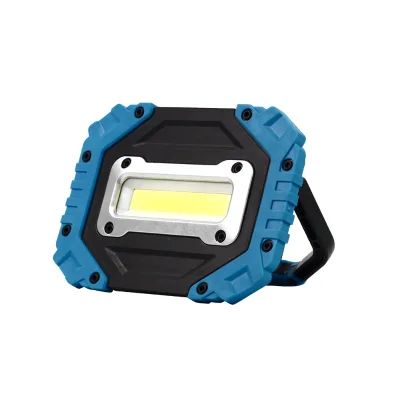
Work Light Portable LED Work Light, COB Flood Lights, Job Site Lighting
$2.40 - $2.75
MOQ: 1000 pieces


$5.00 - $10.00
MOQ: 100 Pieces

Compact 70W Rechargeable Work Light with Adjustable Brightness Settings
$26.30 - $26.80
MOQ: 5000 Pieces


LED Light Bar LED Light Bar Work Light (TK3318WSB) LED Work Light Outdoor Light
$2.00 - $8.00
MOQ: 2000 Pieces


Lighting LED Light Bar Work Light (TK7051LFB) LED Light Bar Outdoor Light
$2.00 - $8.00
MOQ: 2000 Pieces

Comprehensive Sourcing Guide
Outdoor Work Light Sourcing Guide
Sourcing reliable outdoor work lights requires a disciplined approach to balancing rugged durability with precise optical performance. Buyers must first define the operational environment, whether it involves high-vibration industrial sites, remote camping expeditions, or highway maintenance crews. The market offers diverse form factors, from foldable units with integrated handles to heavy-duty die-casting aluminum fixtures. Understanding these physical distinctions is critical because the housing material directly impacts heat dissipation, impact resistance, and overall lifespan. A procurement strategy that ignores the mechanical stresses of the intended application often results in premature failure, increased warranty claims, and operational downtime.
Beyond physical construction, the electrical architecture of the light dictates its suitability for specific tasks. Modern units frequently integrate rechargeable lithium batteries, such as LiFePO4 or standard 18650 cells, offering portability independent of grid power. However, this convenience introduces complexity regarding charging infrastructure and battery safety. Buyers need to evaluate whether the unit supports AC input, solar charging via polycrystalline panels, or DC vehicle power. The choice of power source influences the total cost of ownership, including replacement cycles for batteries and the availability of compatible chargers in remote locations.
Product Scope and Observed Listing Signals
Market listings reveal a wide spectrum of product attributes, indicating that "Outdoor Work Light" is a broad category encompassing everything from simple LED flashlights to complex multi-function stations. Observed data shows significant variation in product sizes, with some compact units measuring around 18cm by 12.5cm, while others are larger industrial fixtures. Pricing signals also vary dramatically, ranging from under one dollar for basic components to over six hundred dollars for advanced, certified systems. This disparity suggests that buyers must carefully filter listings based on specific technical requirements rather than assuming uniform quality across all search results.
The observed customization options provide a clear signal for B2B buyers seeking branded solutions. Many suppliers offer custom logo printing and tailored packaging, such as color boxes or bulk cartons, which are essential for retail distribution or corporate gifting. Additionally, the presence of specific model numbers like "T80" or "Stellar Eye" helps in tracking specific SKUs across different suppliers. Buyers should note that while some listings highlight RGB emitting colors, others focus on pure white light with high color rendering indices. This variation underscores the need to verify the exact light output and color temperature before placing bulk orders, as visual appeal does not always correlate with functional utility.
Technical Specifications to Verify
Verifying the ingress protection rating is the first critical step in ensuring outdoor durability. Listings frequently cite IP65 ratings, which indicate protection against dust ingress and low-pressure water jets from any direction. However, buyers must confirm whether this rating applies to the entire unit or just the lamp head, as connectors and battery compartments are often vulnerable points. For harsh environments, higher IP ratings may be necessary. Additionally, the operating temperature range should be verified, with some units specified for -20°C to +50°C, ensuring functionality in extreme cold or heat without thermal shutdown or battery degradation.
The optical and power specifications require meticulous cross-referencing to avoid performance mismatches. Buyers should check the LED type, such as SMD or Bridgelux chips, and the luminous efficiency, which can reach up to 170lm/W in high-end models. The battery capacity, often listed as 2400mAh for 18650 cells or larger for LiFePO4 systems, must be matched against the expected runtime. Some units advertise working hours exceeding 15 hours, while others specify a 50,000-hour lifespan for the LEDs. It is also vital to confirm the charging method, whether Micro USB or other interfaces, and the charging time, which can range from five to six hours, impacting operational readiness in remote settings.
Compliance and Safety Documentation
Certification verification is non-negotiable for international trade, particularly when dealing with electrical components and batteries. Listings often mention CE, EMC, and RoHS certifications, which are essential for market access in Europe and many other regions. Buyers must request valid test reports from accredited laboratories to confirm that these certifications are current and applicable to the specific model being purchased. The presence of ISO certification for the manufacturer further indicates a structured quality management system, reducing the risk of inconsistent production batches. Without these documents, customs clearance may be delayed, or products may be rejected by end-users concerned about safety.
Battery safety documentation is equally critical, especially for lithium-based power sources. LiFePO4 batteries are generally considered safer than standard lithium-ion variants, but they still require proper handling and transport classifications. Buyers should ensure that suppliers provide UN38.3 test reports for battery transport safety and MSDS sheets for chemical handling. Additionally, the warranty terms, often listed as three years for higher-end models, should be clearly defined in the contract. This warranty should cover both the LED components and the battery pack, as these are the most likely points of failure over time. Clear warranty terms protect the buyer from unexpected replacement costs and ensure long-term support.
Cost Drivers and Commercial Terms
The cost of outdoor work lights is influenced by several key factors, including material quality, electronic complexity, and certification requirements. Units made from die-casting aluminum or high-grade ABS plastic command higher prices due to superior durability and heat dissipation. Similarly, lights with advanced features like multi-function switches, RGB modes, or solar charging capabilities incur higher manufacturing costs. Buyers should analyze the bill of materials to understand where the cost is allocated, ensuring that they are not paying for unnecessary features that do not align with their operational needs. Volume discounts are common, with MOQs ranging from one unit for samples to thousands for full container loads.
Commercial terms such as payment methods, lead times, and shipping logistics significantly impact the total procurement cost. Buyers should negotiate clear terms for sample approval before mass production to avoid discrepancies in quality. Lead times can vary based on customization requirements, such as logo printing or custom packaging, so it is essential to align production schedules with project deadlines. Shipping costs for heavy items like work lights can be substantial, so optimizing packaging density and choosing the right freight method is crucial. Buyers should also consider the total cost of ownership, including battery replacement and maintenance, rather than focusing solely on the initial purchase price.
Supplier Qualification and Quality Control
Evaluating supplier qualifications involves more than just checking their online presence; it requires a deep dive into their manufacturing capabilities and quality control processes. Buyers should verify the supplier's origin, with many reputable manufacturers located in regions like Guangdong, China, known for their electronics expertise. Requesting factory audits or third-party inspection reports can provide insights into production line standards and workforce training. Suppliers who offer customization services should demonstrate their ability to maintain consistency across different product runs, ensuring that every unit meets the specified technical and aesthetic requirements.
Quality control measures should be explicitly defined in the purchase agreement, including pre-shipment inspections and random sampling protocols. Buyers should specify acceptable defect rates and require detailed inspection reports before payment release. For electronic products, functional testing of all units, including battery charge cycles and light output verification, is essential. Additionally, suppliers should provide a clear process for handling defective items, including replacement or refund policies. Establishing a strong relationship with the supplier through regular communication and feedback can help identify and resolve issues early, ensuring a smooth procurement experience and consistent product quality.
Long-Term Procurement Checks
Long-term success in sourcing outdoor work lights depends on establishing robust mechanisms for continuous performance monitoring and supplier evaluation. Buyers should implement a feedback loop from end-users to track real-world durability, battery longevity, and customer satisfaction. This data can inform future purchasing decisions, allowing buyers to adjust specifications or switch suppliers if performance standards are not met. Regularly reviewing warranty claims and return rates can also highlight systemic issues with specific models or batches, enabling proactive quality interventions before they escalate into larger problems.
Sustainability and regulatory changes also play a crucial role in long-term procurement strategies. As environmental regulations tighten, buyers must stay informed about updates to RoHS, REACH, and battery disposal laws. Suppliers who proactively adapt to these changes demonstrate reliability and reduce compliance risks for the buyer. Additionally, considering the environmental impact of materials, such as recyclable packaging or energy-efficient LED technologies, can enhance brand reputation and align with corporate social responsibility goals. By maintaining a forward-looking approach, buyers can ensure their supply chain remains resilient, compliant, and competitive in an evolving market.
FAQs
What certifications do outdoor work lights typically have?
Outdoor work lights commonly hold CE, EMC, and RoHS certifications to ensure safety and environmental compliance. Some models also feature ISO certification for quality management. These standards verify that the lighting equipment meets international regulatory requirements for electrical safety and material restrictions, providing assurance for global procurement and industrial use cases.
How long is the runtime for rechargeable outdoor work lights?
Rechargeable outdoor work lights generally offer a runtime exceeding 15 hours on a single charge. This duration depends on the specific lighting mode and battery capacity, such as 2400mAh cells. Extended working hours ensure reliable illumination for camping, hiking, or extended shift work without frequent recharging interruptions.
Can outdoor work lights be customized with a logo?
Yes, many Outdoor Work Light manufacturers accept custom logo requests for branding purposes. This customization is often available for bulk orders, allowing businesses to imprint their corporate identity on the product casing. Buyers should verify specific MOQ requirements and customization options directly with suppliers to ensure alignment with their marketing needs.
What is the IP rating for durable outdoor work lights?
Durable outdoor work lights typically feature an IP65 rating, ensuring protection against dust ingress and low-pressure water jets. This rating makes them suitable for harsh environments, including construction sites and outdoor camping. The IP65 standard guarantees reliable performance in wet or dusty conditions without compromising internal electrical components.
Which materials are used for heavy-duty outdoor work lights?
Heavy-duty outdoor work lights often use die-casting aluminum or ABS plastic for the housing. Die-casting aluminum provides superior heat dissipation and impact resistance, while ABS offers lightweight durability. Some models also incorporate alloy components for enhanced structural integrity, ensuring the light withstands physical stress during transport and field operations.
How is the charging method implemented for LED work lights?
LED work lights commonly utilize Micro USB charging for convenient power replenishment. This method allows users to charge the internal rechargeable batteries using standard power banks or wall adapters. The charging process typically takes 5-6 hours, ensuring the device is ready for immediate use in indoor or outdoor settings.