Source Nitrogen Layer Single Screw Cylinder for Pharma, Food, and Chemical
Find 30 verified suppliers offering Nitrogen Layer Single Screw Cylinder solutions for pharmaceutical, food, and chemical applications. Compare specifications, prices, and customization options to select the right high-pressure gas storage equipment for your industrial needs; compare the available evidence and request quotations based on your requirements.
Key considerations
Products List


Food Freezing Liquid Nitrogen Cylinder and Packaging Nitrogen Gas Supply
$50.00 - $100.00
MOQ: 100 Pieces


Industrial Gas Cylinder for Oxygen Argon Nitrogen in Metallurgical Plant
$50.00 - $100.00
MOQ: 100 Pieces
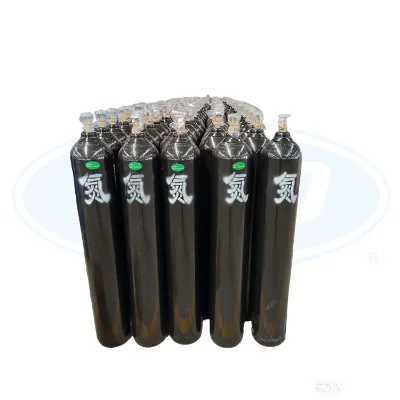


Liquid Nitrogen Container, Cryogenic Cylinder Liquefied Natural Gas Cylinder
$650.00 - $1000.00
MOQ: 1 Pieces


Comprehensive Sourcing Guide
Nitrogen Layer Single Screw Cylinder Sourcing Guide
Procurement of nitrogen layer single screw cylinders requires careful alignment with industrial gas standards, as these units are designed for high-pressure storage and controlled gas manufacturing applications. Buyers must verify that the core components, specifically the pressure vessel, meet the rigorous demands of pharmaceutical, petroleum, and new energy sectors where purity and safety are paramount. The observed market data indicates a wide price range from 3 to 5000 USD, reflecting variations in capacity, material quality, and customization levels.
When evaluating listings, buyers should note that while some products are described as industrial pure air, the specific chemical formula N2 and molecular weight of 28.01 G/Mol confirm the nitrogen content. It is critical to distinguish between general gas cylinders and those specifically engineered for nitrogen layer applications, ensuring the working pressure aligns with the 150 Bar to 35 MPa range observed in verified listings. This distinction prevents procurement errors in high-pressure environments where non-compliant vessels could pose significant operational risks.
Product Scope and Observed Listing Signals
The product scope for these cylinders typically includes high-pressure gas cylinders with a capacity of 40L and a gas volume of 6.0 M3, weighing approximately 48.0 Kg. Listings often highlight the material as steel, which is essential for durability under high-pressure conditions, and specify the working pressure as either 150 Bar or 35 MPa depending on the specific model configuration. Buyers should scrutinize the listed appearance as a colorless, odorless gas to ensure the product matches the physical properties of nitrogen, avoiding confusion with other industrial gases.
Observations of the market reveal that customization is available for both the valve and the packaging, with options ranging from standard packaging to pallet packages. The observed MOQ ranges from 1 to 480 units, offering flexibility for both pilot projects and large-scale industrial deployments. However, buyers must verify that the "Low MOQ" claim aligns with their specific volume needs, as some suppliers may impose higher thresholds for customized models or specific pressure ratings.
Technical Specifications to Verify
Technical verification must begin with the cylinder standard, which should explicitly reference ISO, Tped, DOT, or GB specifications to ensure international and domestic compliance. The maximum working pressure of 35 MPa and test pressure of 250 Bar are critical safety parameters that must be confirmed on the product data sheet. Buyers should also check the boiling point of -195.8 °C and density of 1.251 G/L to ensure the cylinder is suitable for the intended storage and transport conditions of nitrogen gas.
Further verification involves checking the chemical properties, specifically the non-flammable nature and combustion-supporting gas classification, which are vital for safety in chemical and electronic manufacturing environments. The purity level of ≥99.5% is a key specification that directly impacts the quality of the final product in pharmaceutical and food applications. Buyers must ensure that the machinery test report is provided and that the core components, such as the pressure vessel, are manufactured using controlled methods to maintain structural integrity.
Compliance and Safety Documentation
Compliance documentation is non-negotiable for high-pressure gas cylinders, requiring proof of ISO and CCC certifications to validate manufacturing quality and safety standards. The presence of a machinery test report is a mandatory indicator that the vessel has undergone rigorous pressure testing and quality assurance checks before release. Buyers should request these documents prior to finalizing any purchase to mitigate the risk of acquiring non-compliant equipment that could fail under operational stress.
Safety documentation must also include clear labeling of the chemical formula N2 and the flash point status, which is listed as non-flammable. This information is crucial for emergency response planning and storage facility compliance in sectors like medical and chemical processing. Additionally, the warranty period of 1 Year should be clearly defined in the contract, outlining the supplier's liability for defects in the pressure vessel or valve assembly.
Cost Drivers and Commercial Terms
Cost drivers for nitrogen layer single screw cylinders are heavily influenced by the material grade, specifically the use of steel, and the complexity of the manufacturing method. Customization options, such as specific valve types or customized packaging, will significantly increase the unit price compared to standard specifications. Buyers should anticipate that the observed price range of 3 to 5000 USD reflects these variables, with higher costs associated with specialized models like the WMA219-40-15.
Commercial terms regarding the selling units and packaging must be clearly defined to avoid logistical surprises. While some listings offer single item sales, others may require pallet packaging for bulk orders, affecting shipping costs and handling requirements. The origin of the product, noted as Hubei or Henan, China, can also influence lead times and import duties, making it essential for buyers to clarify the place of origin and associated logistics costs before committing to a purchase order.
Supplier Qualification and Quality Control
Supplier qualification should focus on the ability to provide OEM and ODM customization services, as this indicates a mature manufacturing capability capable of meeting specific client requirements. The presence of a warranty and a provided machinery test report are strong indicators of a supplier's confidence in their quality control processes. Buyers should verify that the supplier has a track record of serving diverse application fields, including pharmaceutical, petroleum, and new energy sectors, to ensure broad industry experience.
Quality control measures must extend beyond the final product to include the manufacturing method and material sourcing. The use of controlled gas cylinders and the adherence to standard specifications or customized standards are critical for maintaining product consistency. Buyers should request detailed information on the production process, including how the steel material is treated and how the pressure vessel is assembled, to ensure the final product meets the rigorous demands of high-pressure gas storage.
Long-Term Procurement Checks
Long-term procurement checks should include regular audits of the supplier's ability to maintain consistent quality and supply chain stability. Given the observed capacity of 40L and the specific model numbers like N2, buyers should establish a protocol for verifying that future batches match the initial specifications regarding weight, volume, and pressure ratings. This ensures that the nitrogen layer single screw cylinders remain reliable over the lifespan of the equipment.
Buyers must also monitor the supplier's adherence to evolving safety standards and certification requirements, such as updates to ISO or DOT regulations. The ability to provide updated machinery test reports and maintain the 1-year warranty over time is a key indicator of a reliable long-term partner. Regular communication regarding any changes in the manufacturing method or material composition is essential to prevent disruptions in the supply of critical industrial gases.
FAQs
What is the purity level of the nitrogen gas provided?
The nitrogen gas purity is at least 99.5 percent for industrial applications. This grade standard ensures suitability for pharmaceutical, medical, and electronic manufacturing processes where high purity is essential for product quality and safety compliance.
Can the cylinder specifications be customized for my needs?
Yes, customization is available for both product specifications and packaging requirements. Buyers can request standard or customized models, including specific valve types and dimensions, to align with unique operational needs and storage constraints.
What is the maximum working pressure for these cylinders?
The maximum working pressure reaches 35 MPa or 150 Bar depending on the specific model configuration. This high-pressure capacity ensures safe storage and transport of industrial pure air and other gases in various industrial environments.
Which certifications do the gas cylinders meet?
The cylinders meet ISO, CCC, and DOT GB cylinder standards. These certifications confirm compliance with international safety and quality requirements, ensuring reliable performance for applications in petroleum, chemical, and new energy sectors.
How is the nitrogen gas stored and transported?
Nitrogen is typically stored as a compressed gas in steel cylinders with a 40-liter volume. The packaging includes pallet packages or standard options, ensuring secure handling during transit to destinations in Hubei or Henan, China.
What is the minimum order quantity for these products?
Low minimum order quantities are available, ranging from one to 480 units based on specific requirements. This flexibility allows buyers to test products or fulfill small-scale industrial needs without committing to large bulk purchases immediately.
What is the warranty period for the gas cylinders?
A one-year warranty is provided for the pressure vessel and core components. This coverage ensures reliability and safety for industrial users, backed by machinery test reports and controlled manufacturing methods for consistent performance.