Source Kids Feeding Chair for Dining, Training, and Travel
Source Kids Feeding Chair options from 30 verified listings. Compare multifunctional designs, PP+PU materials, and adjustable sizes for dining, potty training, and general use. Evaluate MOQs, lead times, and customization features to find the right supplier.
Key considerations
Products List
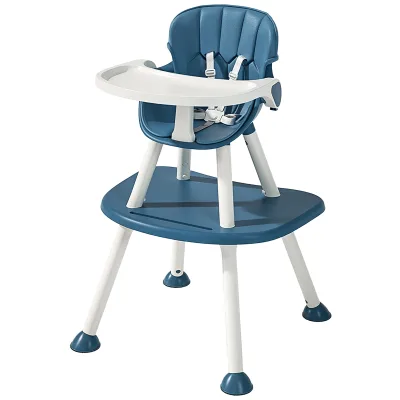
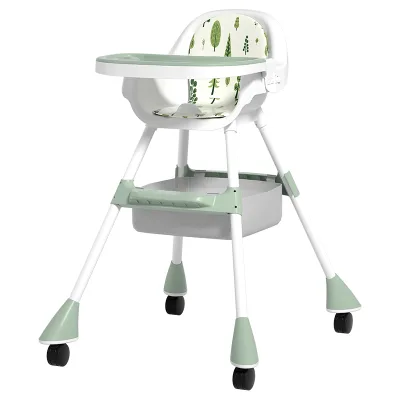
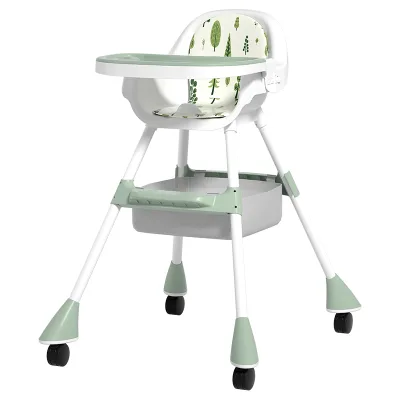
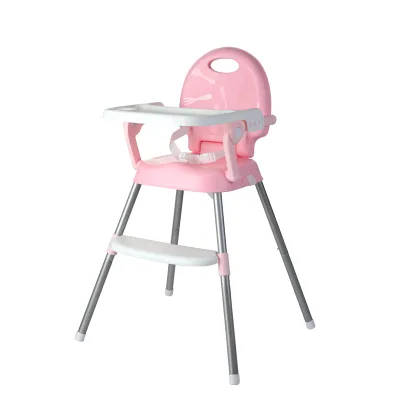
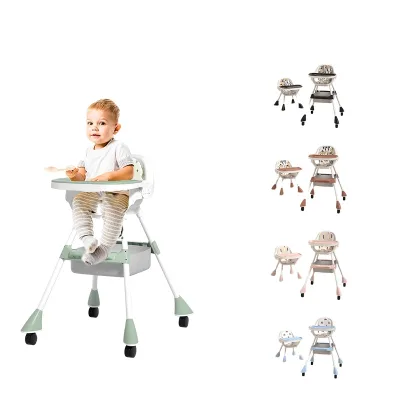
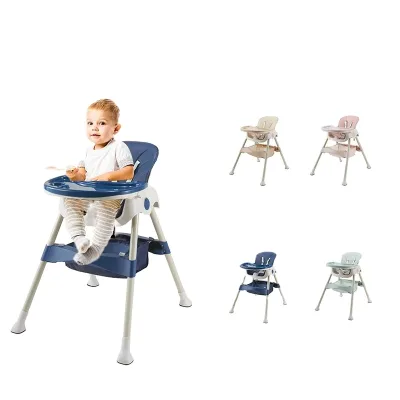
Multifunctional Infant Baby Large Plate Rocking Chair Feeding High Chairs
$13.76 - $14.45
MOQ: 300 pieces


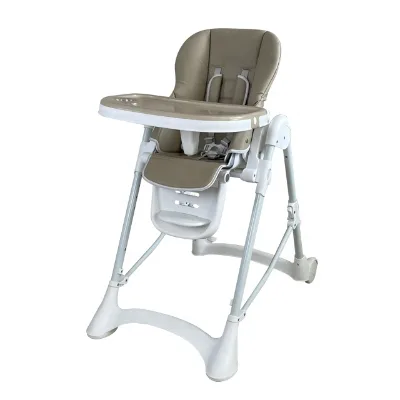


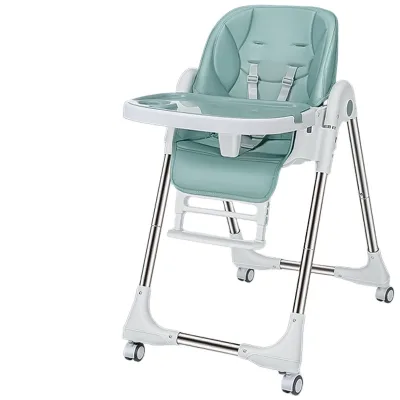
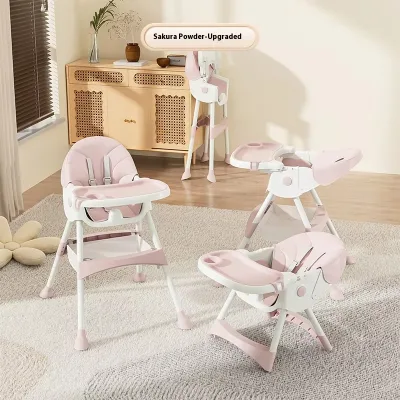
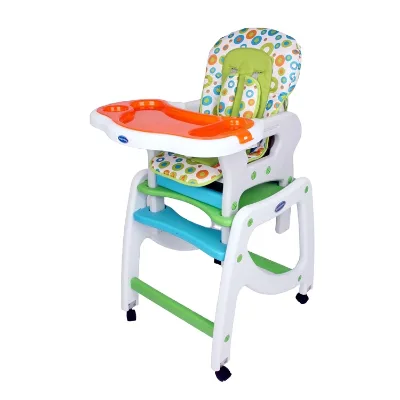
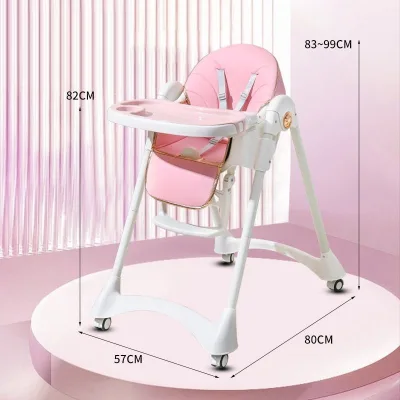


Children Eating Dining Baby High Chair for Kids Feeding Wholesale Kids Highchair
$40.00 - $50.00
MOQ: 200 Pieces


New Design Kids Eating Chair Simple Plastic Baby Feeding Seats High Chair
$10.00 - $20.00
MOQ: 200 Pieces

Comprehensive Sourcing Guide
Kids Feeding Chair Sourcing Guide
The global market for kids feeding chairs is characterized by a diverse range of designs catering to specific developmental stages, from early potty training to independent dining. Based on current listing data, these products are engineered to support children aged 1 to 2 years, with some models extending utility to toddlers up to 4 years or older. The functional design often emphasizes multifunctionality, allowing the chair to serve dual purposes such as feeding and potty training, which is a critical consideration for parents seeking space-saving solutions. Buyers must recognize that the term "Kids Feeding Chair" encompasses a spectrum of products, including step stools and specialized training seats, each with distinct structural requirements and safety profiles.
Procurement strategies for this category require a clear understanding of the material composition and structural integrity, as these factors directly influence durability and safety. The observed product pool includes chairs constructed from PP+PU combinations, which offer a balance of flexibility and rigidity, as well as models utilizing PP+Steel for enhanced stability in step stool applications. The physical dimensions vary significantly, with some units measuring approximately 60x62x92cm while others are more compact at 55x48.5x88.6cm. Sourcing decisions should be driven by the specific age range of the target demographic and the intended usage environment, ensuring the selected model aligns with the child's physical capabilities and the household's spatial constraints.
Product Scope and Observed Listing Signals
When evaluating product listings, buyers should look for specific signals regarding the product's intended lifecycle and adaptability. The data indicates a strong presence of models designed for the 1-2 year age bracket, with some listings explicitly noting suitability for children over 4 years old. This suggests a market segment that values longevity and growth-adjustability. The observed color palettes, ranging from Green, Blue, and Khaki to Pink, Brown, and Black, reflect a demand for aesthetic variety that matches modern nursery and dining room decor. Procurement teams should verify that the color options listed are consistent across the entire order quantity to maintain brand consistency for private label projects.
Another critical signal in the product scope is the packaging and shipping configuration, which directly impacts logistics costs and damage rates. Listings reveal a mix of packaging types, including Kraft Box and CTN Package, with specific single package sizes noted for certain models like the 46x36x34 cm unit. However, some entries list single volume or gross weight as zero, which is a data anomaly that requires immediate clarification with the supplier to avoid miscalculating freight charges. The presence of "Folded" and "Adjustable" attributes in the product descriptions indicates a trend toward space-efficient designs, which is a high-value feature for urban markets where storage space is limited.
Technical Specifications to Verify
Technical verification must begin with the structural dimensions and weight capacity, as these are the primary determinants of safety and usability. The observed specifications include a wide range of sizes, such as 63x78x86cm and 49x43x26cm, which correspond to different functional types like large straight body seats and step stools. Buyers must confirm that the listed dimensions match the physical product, particularly the height and width, to ensure the chair fits the intended child's size and the dining table height. The distinction between "Large Straight Body" and "Straight Body" shapes suggests different ergonomic profiles that must be validated against the target user's anthropometric data.
Material composition and mechanical features are equally critical for long-term performance and safety compliance. The product data highlights the use of PP+PU and PP+Steel materials, which offer different benefits regarding weight, durability, and resistance to wear. For models with moving parts, such as those with "Height Adjustable" features or "Rotary" mechanisms, the buyer must verify the stability of the locking mechanisms and the smoothness of the adjustment process. The "Non-Slip" feature is a key safety attribute that should be physically tested to ensure the chair remains stable on various floor surfaces, preventing tipping hazards during active use by toddlers.
Compliance and Safety Documentation
Safety compliance is the non-negotiable foundation of any procurement strategy for children's products, requiring rigorous verification of certification status. While the provided data mentions ISO9000, this is a quality management system standard rather than a product safety certification. Buyers must explicitly request and verify product-specific safety certifications relevant to the target market, such as EN71 for the European market or ASTM F963 for the United States. The absence of explicit safety test results in the listing data necessitates a proactive approach where the buyer mandates third-party laboratory testing before finalizing any order to ensure the product meets local regulatory requirements.
Documentation regarding material safety and chemical composition is essential to mitigate liability and ensure child health. The use of plastics and polyurethane in these chairs requires confirmation that the materials are free from harmful substances like BPA, phthalates, and heavy metals. Buyers should demand a Material Safety Data Sheet (MSDS) or a Declaration of Conformity that specifically addresses the chemical safety of the PP, PU, and steel components. Additionally, the "Customized Logo" and "OEM&ODM" capabilities should be reviewed to ensure that any inks or adhesives used for branding also comply with the same safety standards as the base product, preventing the introduction of new hazards during the customization process.
Cost Drivers and Commercial Terms
Understanding the cost drivers in the Kids Feeding Chair market requires an analysis of material costs, manufacturing complexity, and logistics. The observed price range of $4.2 to $50 USD reflects significant variation based on material quality, such as the inclusion of steel reinforcement versus standard plastic, and the complexity of the design, such as adjustable or foldable mechanisms. The Minimum Order Quantity (MOQ) ranges from 20 to 300 pieces, indicating that smaller buyers may face higher per-unit costs or limited supplier options. Buyers should negotiate based on volume tiers, recognizing that the 300-piece MOQ observed for certain models may be a threshold for accessing the lower end of the price spectrum.
Commercial terms, particularly regarding lead times and payment structures, play a vital role in supply chain planning. The observed delivery time of 25-30 days is a standard benchmark for manufacturing and shipping, but this can fluctuate based on order volume and material availability. Buyers must clarify whether this lead time includes the time required for custom logo application and packaging customization, as these value-added services can extend the production schedule. Furthermore, the "Acceptable" OEM and ODM status suggests flexibility in production, but buyers should establish clear timelines for design approval and sample validation to prevent delays in the overall procurement cycle.
Supplier Qualification and Quality Control
Supplier qualification for children's products demands a thorough vetting process that goes beyond basic business registration. Buyers should prioritize suppliers who demonstrate a clear understanding of safety standards and have a history of producing items for the specific age ranges identified, such as 1-2 years and 2-4 years. The presence of "Customized" and "OEM&ODM" capabilities indicates a supplier's ability to adapt to specific buyer requirements, but this flexibility must be balanced with strict quality control protocols. It is essential to verify the supplier's production capacity and their ability to maintain consistency across large batches, especially when dealing with complex color variations like Green, Blue, Pink, and Yellow.
Quality control measures must be embedded into the procurement process to ensure that every unit meets the specified technical and safety requirements. Given the observed variations in product attributes, such as the "Single gross weight" discrepancies, buyers should implement a pre-shipment inspection protocol that checks dimensions, material integrity, and the functionality of moving parts. The inspection should specifically target the "Non-Slip" features and the stability of the chair under load, as these are critical safety points. Establishing a clear acceptance criteria document based on the observed specifications, such as the 60x62x92cm dimensions or the PP+PU material composition, will help ensure that the delivered goods match the ordered samples.
Long-Term Procurement Checks
Sustaining a successful supply chain for kids feeding chairs requires ongoing monitoring of product performance and supplier reliability. Buyers should establish a feedback loop with end-users to track any issues related to durability, such as wear on the PU material or instability in the steel components. The "Condition: New" attribute implies that the product should remain in pristine condition upon delivery, but long-term checks should also assess how the product holds up after repeated use and cleaning. Regular audits of the supplier's quality management systems, including their adherence to ISO9000 or other relevant standards, will help maintain high product standards over time.
Strategic procurement also involves staying informed about market trends and regulatory changes that could impact the product line. As the market evolves, there may be new safety regulations or material restrictions that affect the production of plastic and polyurethane children's furniture. Buyers should maintain a proactive relationship with their suppliers to anticipate these changes and adapt their product specifications accordingly. Additionally, monitoring the lead times and MOQ flexibility of the supplier will ensure that the procurement strategy remains agile, allowing for adjustments in order volumes based on seasonal demand fluctuations or changes in market conditions.
FAQs
What materials are used for the Kids Feeding Chair?
The chairs are constructed from durable PP+PU or PP+Steel materials. These combinations ensure stability and safety for young children. The plastic components provide easy cleaning, while steel reinforcements add structural integrity. This material selection supports long-term use in daily feeding routines.
What is the MOQ for bulk orders?
The minimum order quantity is set at 300 pieces. This standard applies to most models listed. Buyers should confirm specific MOQs for custom designs or unique packaging requirements. Meeting this threshold ensures efficient production scheduling and cost-effective shipping arrangements for international buyers.
How long is the delivery time?
Standard delivery time ranges from 25 to 30 days. This period covers production and preparation for shipment. Buyers should account for this lead time when planning inventory. Expedited options may be available for urgent orders, subject to factory capacity and specific model availability.
Can I customize the logo and color?
Yes, OEM and ODM services are accepted. Buyers can request customized logos and choose from available colors like green, blue, pink, or black. Customization allows brands to align the product with their identity. Confirm design files and color codes early to ensure accurate production results.
What certifications do the chairs have?
Products are associated with ISO9000 certification standards. This indicates adherence to quality management systems. Buyers should verify specific test reports for target markets like EN71. Certification ensures the manufacturing process meets international quality benchmarks for safety and consistency.
What are the dimensions of the chairs?
Sizes vary by model, ranging from 55*48.5*88.6cm to 63*78*86cm. Specific models like BJ-903 measure 60*62*92cm. These dimensions accommodate different age groups from 1-2 years to older children. Buyers should select sizes based on intended user height and weight requirements.