Source Non Punching Wall Stick Hooks for Bathroom, Kitchen, and Travel
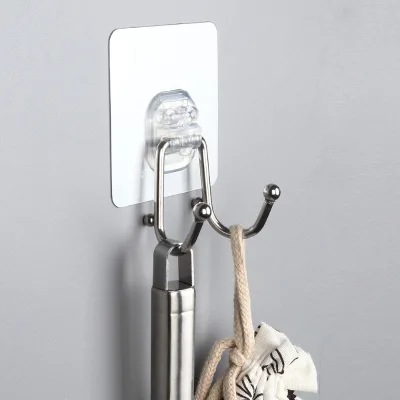
Compare 30 Non Punching Wall Stick Hooks from Chinese manufacturers. Options include acrylic, ABS, and gourd-shaped designs with adhesive or hook mounting for home and industrial use. These versatile tools offer easy installation without drilling, making them ideal for various household needs.
Key considerations
Products List

Hot Selling Non-Trace Strong Adhesive Non-Punching Transparent Wall Hooks
$0.01 - $0.04
MOQ: 100 pieces


High Quality Strong Self-Adhesive Traceless Plastic Hook for Wall and Door
$0.16 - $0.26
MOQ: 2000 Pieces
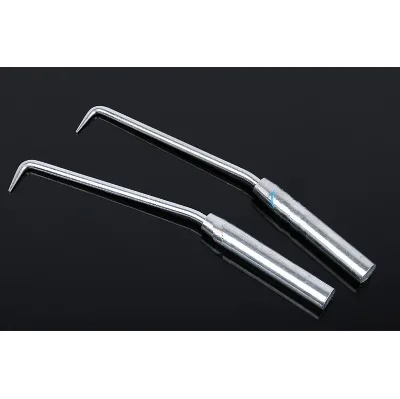


5 Pieces Oval Hookspunch Free Multifunctional Hooks
$0.41 - $0.52
MOQ: 200 Pieces
Jinhua Hengyang Cross-Border Trade Limited Liability Company

Curtain Rod Hook No Punching Curtain Rod Holder
$0.82 - $1.03
MOQ: 100 Pieces
Jinhua Hengyang Cross-Border Trade Limited Liability Company

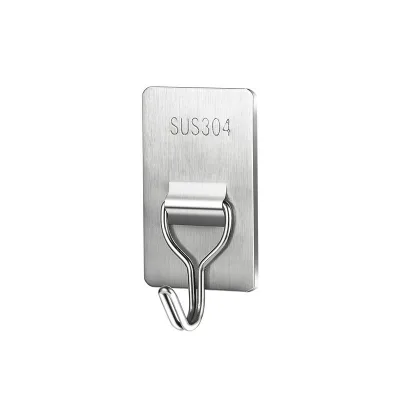
Stainless Steel Wall Hook Square Buckle
$0.77 - $0.97
MOQ: 110 Pieces
Jinhua Hengyang Cross-Border Trade Limited Liability Company




Comprehensive Sourcing Guide
Non Punching Wall Stick Hooks Sourcing Guide
Procurement teams evaluating non-punching wall stick hooks must first distinguish between adhesive-based solutions and mechanical mounting systems. The observed product data indicates a strong prevalence of acrylic adhesive types designed for traceless removal, which aligns with the "No Punching" feature noted in listings. Buyers should verify whether the specific adhesive formulation supports the intended surface texture, as the data highlights "Strong Sticker" and "Waterproof" capabilities essential for humid environments like bathrooms.
Commercial listings reveal a diverse range of customization options, including specific shapes like square or gourd-shaped designs and color variations such as white, green, and red. While some entries suggest a "Modern" or "Minimalist" style, the material composition varies between general plastic and specific types like ABS or acrylic. Sourcing strategies must account for these material differences, as they directly influence the hook's load-bearing capacity and resistance to environmental degradation over time.
Product Scope and Observed Listing Signals
The market for these adhesive hooks spans various functional applications, ranging from household organization to industrial utility. Observed usage contexts include bathrooms, kitchens, living rooms, and behind doors, confirming their versatility for hanging bags, coats, and caps. The data explicitly lists "Bagtoolsbathroomdish and Bowlcoat and Cap" as use cases, indicating that buyers should prioritize hooks with sufficient adhesive strength to support the weight of wet towels or heavy kitchen utensils without failure.
Listing signals also highlight significant variation in physical dimensions and packaging standards. While some products are compact at 6x6cm, others extend to 7x7.5x14.5cm or 6cm by 35cm, suggesting a need for precise specification matching based on the intended hanging load. Packaging ranges from individual PE bags to standard export cartons, which impacts logistics planning. Buyers must ensure the selected unit size and packaging type align with their storage and distribution requirements to avoid unnecessary shipping costs or product damage.
Technical Specifications to Verify
Technical due diligence requires a rigorous check of the adhesive composition and the structural integrity of the hook body. The supplied facts mention "Acrylic" adhesive and "ABS" or "Plastic" materials, which are critical for determining thermal stability and water resistance. Procurement teams should request specific test data regarding the adhesive's performance under high temperatures and humidity, as the listings claim "High Temperature" and "Waterproof" features that are vital for longevity in bathroom or kitchen settings.
Dimensional accuracy and shape consistency are equally critical for aesthetic and functional integration. The data shows models ranging from single hooks to multi-hook units with six hooks, alongside specific shapes like square or gourd-shaped designs. Buyers must verify that the listed dimensions, such as 6x6cm or 6cm by 35cm, match the physical samples received, as discrepancies can affect the visual appeal and the actual hanging capacity. Confirming the "Single Gross Weight" of 0.005kg or 20g helps validate the material density and ensures the product is not under-engineered for its claimed load.
Compliance and Safety Documentation
Safety compliance for adhesive hooks often centers on the chemical safety of the adhesive and the structural reliability of the plastic components. While the provided facts do not list specific certification numbers, the "Eco-Friendly Material" and "Sustainable" attributes suggest a focus on environmental standards. Buyers should request Material Safety Data Sheets (MSDS) to verify that the acrylic adhesive and plastic resins do not emit harmful volatile organic compounds, especially for products intended for indoor residential use.
Documentation regarding the installation method and removal process is also essential to mitigate liability risks. The "No Punching" and "Traceless" features imply that the adhesive should not damage the wall surface upon removal, a claim that requires validation through third-party testing. Procurement teams should ensure suppliers provide evidence of the adhesive's peel strength and residue-free removal capabilities. Without such documentation, buyers risk customer complaints regarding wall damage, which can severely impact brand reputation in the home goods sector.
Cost Drivers and Commercial Terms
Pricing for non-punching wall stick hooks is heavily influenced by material quality, customization levels, and order volume. The observed price range of 0-20 USD suggests a wide spectrum of product tiers, from basic single items to more complex, multi-functional units. Buyers must correlate the unit price with the specific material grade, such as ABS versus generic plastic, and the complexity of the mold used for shapes like the gourd or square designs. Higher customization, such as specific colors or branding, will naturally drive costs upward.
Commercial terms regarding Minimum Order Quantity (MOQ) and lead times are significant factors in supply chain planning. The data indicates an MOQ of 100 pieces for some models, while other listings show ranges up to 100,000 units, offering flexibility for different business scales. Lead times are observed between 10 to 20 days, which buyers must factor into their inventory management strategies. Understanding these thresholds helps in negotiating better terms and ensuring that production schedules align with market demand without causing stockouts or excessive inventory holding costs.
Supplier Qualification and Quality Control
Supplier qualification should focus on verifying the consistency of production processes and the reliability of the supply chain. The data points to origins in Zhejiang, Ningbo, and Yongzhou, China, regions known for manufacturing capabilities. Buyers should assess the supplier's capacity to maintain consistent quality across different batches, particularly regarding the adhesive strength and the structural integrity of the plastic hooks. A robust quality control system is necessary to prevent defects that could lead to product failure after installation.
Quality control protocols must include rigorous testing of the adhesive bond and the hook's load-bearing capacity. Given the "Strong Sticker" and "Waterproof" claims, suppliers should demonstrate their ability to pass standardized tests for shear strength and water resistance. Buyers should request samples for in-house testing to verify that the "Easy Installation" and "Flexible, Removal" features function as advertised. Establishing clear acceptance criteria based on these functional attributes ensures that the final product meets the expected performance standards before mass production begins.
Long-Term Procurement Checks
Long-term procurement success depends on monitoring the durability and performance of the hooks over extended periods. Buyers should implement a feedback loop to track customer complaints related to adhesive failure or wall damage, which would indicate a need to revisit supplier specifications. The "Sustainable" and "Eco-Friendly" claims require ongoing verification to ensure that the materials used remain compliant with evolving environmental regulations and consumer expectations for green products.
Continuous evaluation of supplier performance is also crucial for maintaining a stable supply chain. Buyers should regularly review the supplier's adherence to lead times, packaging standards, and order fulfillment accuracy. The variation in packaging from PE bags to export cartons suggests that packaging specifications may need adjustment based on shipping conditions. Establishing a long-term partnership with a supplier who can consistently deliver high-quality, compliant products will reduce procurement risks and ensure a steady supply of reliable wall stick hooks for the market.
FAQs
What materials are used for these Non Punching Wall Stick Hooks?
These hooks are primarily manufactured from durable plastic materials, including ABS and acrylic variants. The selection ensures a balance between strength and lightweight portability for various household applications. Some models feature eco-friendly material compositions to support sustainable sourcing preferences. Buyers can choose between different plastic types based on specific load-bearing requirements and aesthetic needs for their projects.
Can these hooks be customized for specific branding needs?
Yes, customization is available for these wall-mounted hooks to meet specific branding or design requirements. Buyers can request modifications to suit particular aesthetic or functional needs. This flexibility allows for tailored solutions in bulk procurement scenarios. The available customization options ensure that the final product aligns with the buyer's specific project specifications and market positioning strategies.
What is the typical MOQ for ordering these adhesive hooks?
The typical minimum order quantity for these hooks is 100 pieces. This MOQ facilitates accessible entry for small to medium-sized buyers while ensuring efficient production runs. The quantity is set to balance manufacturing efficiency with buyer flexibility. Orders can be placed starting from this baseline, allowing for scalable procurement strategies depending on the specific inventory needs of the buyer.
How are these hooks installed without damaging walls?
These hooks utilize a strong adhesive backing that eliminates the need for punching or drilling into walls. The installation process is designed to be traceless and easy, preserving wall integrity. The adhesive is often waterproof and high-temperature resistant, ensuring secure attachment in various environments. This method allows for quick mounting and potential removal without leaving significant marks or damage to the surface.
What are the common specifications for these square hooks?
Common specifications include a square shape with dimensions such as 6x6 cm or 6x35 cm for strip styles. The hooks are often wall-mounted and feature a modern, minimalist style. Available colors include white, green, and red to match diverse interior designs. The product model numbers vary, such as KI02 or HD-8521, indicating different structural designs and capacities for various hanging needs.
Where are these hooks typically manufactured and shipped from?
These hooks are typically manufactured in China, with origins in regions like Zhejiang, Ningbo, and Yongzhou. The production facilities are located in these industrial hubs, ensuring efficient supply chain management. Shipping is often handled via standard export packaging or PE bags to protect the items during transit. The geographic concentration of suppliers facilitates streamlined logistics and consistent quality control for international buyers.