Source Breathable Honeycomb Pad Compression Shirt for Gym Yoga Fitness
Compare 30 listings of Breathable Honeycomb Pad Compression Shirt from verified Chinese manufacturers. Options include OEM services, custom printing, and various sizes for adults and youths with quick-drying and moisture-wicking features.
Key considerations
Products List


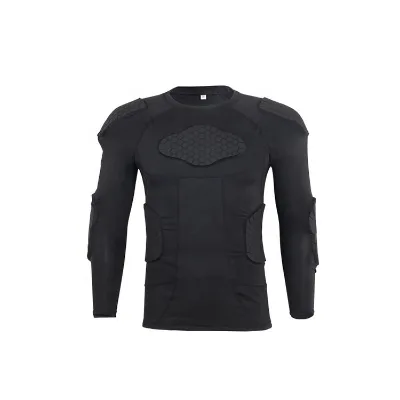


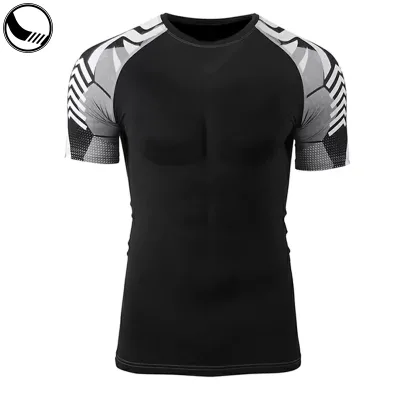
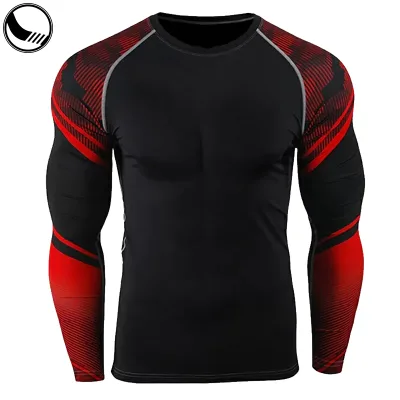
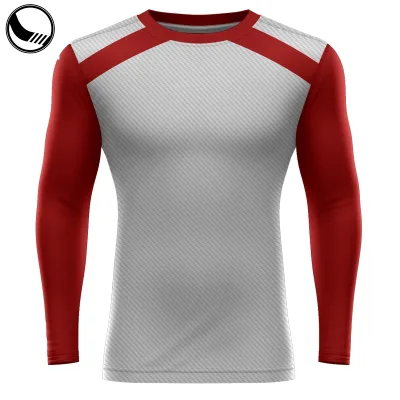


Comprehensive Sourcing Guide
Strategic Sourcing Guide for Breathable Honeycomb Pad Compression Shirts
Understanding Product Architecture and Material Composition
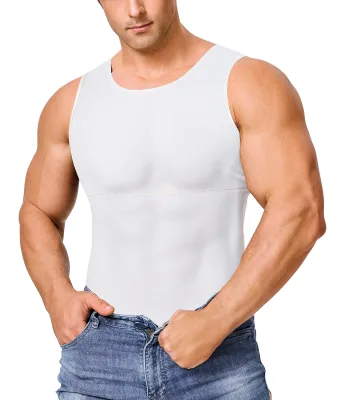
The core keyword "Breathable Honeycomb Pad Compression Shirt" describes a specialized category of athletic apparel designed to balance structural support with thermal regulation. In the context of B2B procurement, understanding the fundamental material composition is the first step in defining technical requirements. The supplied data indicates that the primary material composition for these garments typically involves a blend of polyester and spandex, often cited as 82% polyester and 18% spandex. This specific ratio is critical for achieving the desired mechanical properties: the polyester provides the structural integrity and moisture-wicking capabilities, while the spandex ensures the four-way stretch necessary for compression wear.
The term "honeycomb pad" suggests a specific textural or structural design intended to enhance airflow and provide targeted cushioning or protection. While the supplied facts confirm the presence of "Quick-Drying," "Moisture-Wicking," and "Breathable" features, the specific "honeycomb" architecture must be verified against the supplier's technical drawings or physical samples. The product attributes list features such as "SMART FABRIC" and "ACTIVE STRETCH," which imply advanced textile engineering. Buyers should verify if the honeycomb structure is achieved through knitting techniques or by applying a specific pad layer to the fabric. The "Automated cutting" technique mentioned in the data suggests that precision is a priority in the manufacturing process, which is essential for maintaining the integrity of compression zones and pad placement.
The product type is broadly categorized as "Sportswear" and specifically "Compression Wear," with usage spanning "Fitness, Gym, Yoga, Dancing," and general "Compression Wear." The gender specification varies in the data, listing both "Unisex" and "Men," indicating that while some models are gender-specific, others are designed for a broader demographic. The size range extends from "Kids-Youths-Adults," with specific size codes like "M, L, Xl, Xxl" also noted. This variability requires buyers to clearly define their target demographic before engaging with suppliers to ensure the sizing charts align with the intended market.
Technical Specifications and Functional Attributes
When evaluating the technical specifications of breathable compression shirts, buyers must look beyond generic marketing terms and focus on quantifiable performance metrics. The supplied facts highlight a robust set of functional attributes, including "Anti-UV," "Anti-Static," "Windproof," "Anti-Bacterial," and "Lightweight" properties. These features are not merely additive; they are often interdependent. For instance, the "Anti-Static" property is crucial for synthetic fabrics like polyester to prevent clinging and discomfort during high-movement activities. The "Windproof" attribute suggests a tighter weave or a specific coating, which must be balanced against the "Breathable" requirement to ensure the garment does not trap heat.
The "honeycomb" aspect of the product likely relates to the fabric's surface texture or the internal structure of the padding. This design is intended to create air channels that facilitate rapid evaporation of sweat, directly supporting the "Quick-Drying" and "Sweat-Wicking" claims. The data also mentions "Recyclable" materials, which is an increasingly important specification for modern procurement strategies focused on sustainability. Buyers should request specific documentation regarding the recyclability of the polyester-spandex blend, as this often depends on the dyeing and finishing processes used.
Printing and customization are significant technical variables. The data lists multiple printing methods: "Silk screen, Heat printing, Transfer printing, Digital printing, etc." The choice of printing method impacts the durability of the design and the breathability of the fabric. For compression wear, where the fabric is stretched tightly against the skin, the printing method must not compromise the elasticity or create rigid spots that could cause chafing. The "Customized Sample" availability and "Custom Logo" options indicate that these products are highly adaptable to brand requirements. However, the "Single package size" of 29x29x3 cm and a "Single gross weight" of 0.45 kg provide a baseline for logistics planning, which buyers must use to calculate shipping costs accurately.
Compliance, Certification, and Quality Verification
In the B2B apparel sector, compliance and certification are non-negotiable elements of the procurement process. The supplied facts state that the "prod_standard" is "Customized," which implies that there is no single universal standard applied to all units. Instead, the standard is likely defined by the buyer's specific requirements or the regulatory environment of the destination market. Buyers must verify that the supplier can meet specific international standards relevant to their market, such as REACH for Europe or CPSIA for the United States, particularly regarding chemical restrictions in dyes and finishes.
The "Anti-Bacterial" and "Eco-Friendly" claims require rigorous verification. While the data lists these as features, they are not accompanied by specific certification numbers or test report references. A responsible procurement strategy involves requesting third-party test reports from accredited laboratories to validate these claims. For example, the "Anti-Bacterial" property should be supported by test results demonstrating efficacy against specific bacteria strains over a defined number of wash cycles. Similarly, the "Eco-Friendly" designation should be backed by certifications such as Oeko-Tex Standard 100 or GRS (Global Recycled Standard) if the material is claimed to be recyclable.
The "Place of Origin" is listed as "Guangdong, China," a major hub for textile manufacturing. While this location offers access to advanced supply chains, it also necessitates strict quality control protocols. Buyers should ensure that the supplier adheres to social compliance standards, such as SA8000 or WRAP, to mitigate risks associated with labor practices. The "OEM or ODM Service" availability suggests that the supplier is capable of custom manufacturing, but this also means the buyer retains responsibility for defining the quality benchmarks. Without a specific "standard" listed in the data, the buyer must explicitly include their required quality standards in the purchase order and contract.
Cost Drivers and Pricing Dynamics
The pricing of breathable honeycomb pad compression shirts is influenced by several dynamic factors, including material costs, customization levels, and order volume. The observed listed price range in the market data is 1.23 to 17 USD. This wide range indicates that the final price is highly dependent on the specific configuration of the product. A basic version with minimal customization and standard packaging will likely fall at the lower end of this spectrum, while a premium version with advanced "SMART FABRIC" technology, complex "Digital printing," and specialized "honeycomb" padding will command a higher price.
The "MOQ" (Minimum Order Quantity) is a critical cost driver. The data shows an observed MOQ range of 1 to 5000 units. Some suppliers offer "One Sample Available" or an MOQ of "5pcs," which is ideal for prototyping or small-batch testing. However, for bulk production, the MOQ may increase significantly. The "Available Quantity" of 5000 units suggests that suppliers may have inventory limits for standard items, but for custom orders, the production capacity is likely scalable. Buyers should be aware that lower MOQs often come with a higher unit cost due to the setup costs for automated cutting and printing processes.
Packaging and logistics also contribute to the overall cost. The "Packing Details" specify "1pcs to 1 PE bag, 50pcs to 1 carton," and the "prod_packing" mentions "DHL, FedEx." These shipping methods are premium options that will increase the landed cost compared to sea freight. The "Single gross weight" of 0.45 kg per unit must be factored into freight calculations. Additionally, the "Lead Time" for samples is noted as "5-7 Days" or "7 days sample order lead time," which is relatively fast. However, bulk lead times are not explicitly provided in the data, and buyers must negotiate these timelines carefully to avoid production delays.
Supplier Evaluation and Operational Capabilities
Selecting the right supplier requires a thorough evaluation of their operational capabilities and service offerings. The data indicates that the supplier provides "OEM Service" and "ODM Service," allowing for both private labeling and full design customization. The "Brand Name" listed is "Shangrui," but buyers should not assume this is the only brand or that the supplier is exclusively tied to this name. The "Supply Type" is listed as both "OEM Service" and "In-Stock Items," suggesting a hybrid model where the supplier can fulfill both custom orders and immediate stock requirements.
When evaluating suppliers, buyers should assess their technical proficiency in "Automated cutting" and various "Printing Methods." The ability to switch between "Silk screen," "Heat printing," and "Digital printing" demonstrates versatility. However, the buyer must verify that the supplier has the necessary equipment to handle the specific "honeycomb pad" design without compromising the fabric's stretch properties. The "Customized designs" and "Custom Logo" options indicate a high level of flexibility, but this flexibility must be managed through clear communication and detailed technical packs.
The "Lead Time" for samples is a positive indicator of responsiveness, with a "Support" status for "7 days sample order lead time." This suggests that the supplier is agile and capable of rapid prototyping. However, buyers should also inquire about the lead time for bulk production, as this is not explicitly detailed in the provided facts. A reliable supplier should be able to provide a clear timeline from order confirmation to shipment, accounting for potential delays in material sourcing or production bottlenecks.
Quality Control and Long-Term Procurement Strategy
Quality control is paramount in the production of compression wear, where fit and durability are critical. The "Feature" list includes "Plus Size," "Four-Way Stretch," and "Lightweight," all of which require precise manufacturing to maintain consistency. Buyers should implement a robust quality control plan that includes pre-production sample approval, in-process inspections, and final random inspections. The "Single package size" and "Single gross weight" data points can be used to verify that the packaging process is consistent and that the product weight matches the specifications.
For long-term procurement, buyers should consider the scalability of the supplier. The "Available Quantity" of 5000 units and the "MOQ" range suggest that the supplier can handle varying order sizes, but buyers must ensure that the supplier can scale up production without compromising quality. The "Customized" nature of the "prod_standard" means that the buyer must maintain a close relationship with the supplier to ensure that any changes in design or material are properly documented and tested.
Sustainability is another long-term consideration. The "Recyclable" attribute and "Eco-Friendly" features indicate a potential for green procurement strategies. Buyers should work with suppliers to optimize the supply chain for minimal waste, utilizing the "Automated cutting" technology to reduce fabric offcuts. The "Digital printing" method may also offer a more environmentally friendly alternative to traditional screen printing, reducing water usage and chemical waste.
Application Scenarios and Market Fit
The versatility of breathable honeycomb pad compression shirts makes them suitable for a wide range of applications. The "Usage" data lists "Fitness, Gym, Yoga, Dancing," and "Compression Wear," indicating that these garments are designed for high-intensity activities where sweat management and muscle support are essential. The "Anti-UV" and "Windproof" features make them suitable for outdoor activities, while the "Breathable" and "Quick-Drying" properties ensure comfort during indoor workouts.
The "Gender" specification of "Unisex" and "Men" suggests that the product can be marketed to a broad audience. The "Size" range from "Kids-Youths-Adults" allows for expansion into youth markets, which is a growing segment in the sportswear industry. The "Style" of "Shirts & Tops" aligns with current fashion trends that favor functional yet stylish athletic wear.
Buyers should consider the specific needs of their target market when selecting the product configuration. For example, a supplier focusing on "Yoga" might prioritize "Four-Way Stretch" and "Lightweight" features, while a supplier targeting "Gym" users might emphasize "Anti-Bacterial" and "Moisture-Wicking" properties. The "Customized" nature of the product allows buyers to tailor the features to meet the specific demands of their niche market.
Final Procurement Considerations
In conclusion, sourcing breathable honeycomb pad compression shirts requires a balanced approach that considers technical specifications, compliance, cost, and supplier capabilities. The data provided offers a solid foundation for understanding the product's attributes, but buyers must verify specific details through direct communication with suppliers. The wide price range and MOQ flexibility suggest that there are options for both small and large buyers, but the "Customized" standard and "OEM/ODM" services require careful management to ensure quality and consistency.
Buyers should prioritize suppliers who demonstrate transparency in their material sourcing, manufacturing processes, and quality control measures. The "Guangdong, China" origin offers access to a robust textile ecosystem, but it also necessitates rigorous due diligence to ensure that the products meet international standards. By focusing on the key attributes of breathability, compression, and customization, buyers can secure a supply chain that delivers high-quality products tailored to their specific market needs. The integration of advanced features like "SMART FABRIC" and "Recyclable" materials positions these products well for the future of sustainable sportswear, provided that the claims are substantiated by credible testing and certification.
FAQs
What materials are used for breathable honeycomb pad compression shirts?
These shirts typically use a blend of 82% polyester and 18% spandex. This specific ratio ensures structural integrity while providing the four-way stretch required for effective compression wear during activities like yoga and gym workouts.
Can I get a customized sample with a specific logo?
Yes, customized samples with specific logos are available. The supplier supports OEM and ODM services, allowing for custom designs, silk screen printing, or digital printing methods to meet your brand requirements within a 5 to 7 day lead time.
What is the minimum order quantity for these compression shirts?
The minimum order quantity can range from 5 pieces to 5000 units depending on the supplier. Some vendors offer one sample available for testing, while bulk orders may require higher quantities to access standard pricing tiers.
How long does it take to receive a sample order?
Sample orders typically require a lead time of 5 to 7 days. This rapid turnaround supports quick prototyping for custom designs, though bulk production timelines must be negotiated separately based on order volume and customization complexity.
Which features are included in the breathable compression shirt design?
The shirts include features like quick-drying, moisture-wicking, breathable, anti-UV, and anti-static properties. Additional attributes may include windproof, anti-bacterial, lightweight construction, and eco-friendly or recyclable material options for modern athletic needs.
Where are these compression shirts manufactured and shipped from?
These products originate from Guangdong, China, and are shipped via carriers like DHL or FedEx. The place of origin is a major textile hub, ensuring access to automated cutting techniques and diverse printing methods for global distribution.
What packaging details are provided for single items?
Single items are packed in one PE bag, with 50 pieces consolidated into one carton. The single package size is 29x29x3 cm with a gross weight of 0.45 kg, facilitating efficient logistics planning for bulk shipments.