Source Non-Slip Anodic Oxidation Stair Nosing for Commercial, Residential, and Industrial Use
Find and compare 30 Non-Slip Anodic Oxidation Stair Nosing options from Chinese manufacturers. Evaluate models like STN and HG434, which feature aluminum alloy construction, customizable dimensions, and ASTM standards for safety and decoration.
Key considerations
Products List


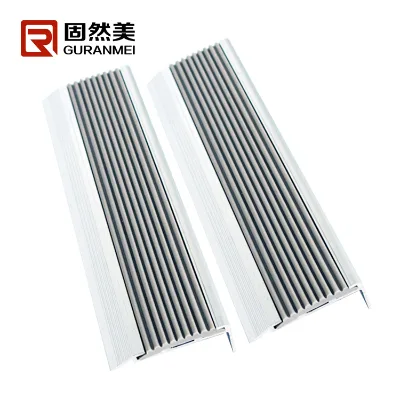


Comprehensive Sourcing Guide
Non-Slip Anodic Oxidation Stair Nosing Sourcing Guide
Procuring non-slip anodic oxidation stair nosing requires a precise understanding of how surface treatments interact with aluminum alloys to deliver both safety and aesthetic longevity. The anodizing process creates a durable, non-conductive oxide layer that significantly enhances the material's resistance to wear and corrosion, making it ideal for high-traffic commercial and residential staircases. Buyers must recognize that while the core material is consistently identified as aluminum or aluminum alloy, the specific thickness of the anodic layer and the quality of the anti-slip grit embedded in the surface are critical variables that determine the final product's performance in wet or dry conditions.
When initiating a sourcing strategy, it is essential to distinguish between generic metal stair treads and specialized nosing profiles designed specifically for edge protection and slip resistance. The observed market data indicates a wide range of customization options, including variable lengths from 2.44 meters to fully custom dimensions and thicknesses ranging from 0.3mm to 3mm. This flexibility allows procurement teams to match the nosing to specific architectural requirements, but it also necessitates rigorous verification of the supplier's ability to maintain consistent tolerances across different batch sizes and custom orders.
Product Scope and Observed Listing Signals
The product scope for non-slip stair nosing encompasses a variety of functional and stylistic configurations, ranging from modern minimalist designs to classic and pastoral styles. Listings frequently highlight the dual function of these components as both safety devices and decorative elements, with styles available in Chinese, European, and modern aesthetics. Buyers should note that the "non-slip" attribute is often paired with "decoration," indicating that the surface treatment is engineered to provide traction without compromising the visual appeal of the staircase, which is a key requirement for hospitality and high-end residential projects.
Observed listing signals reveal a diverse array of product models and specifications, including codes such as STN, STA, STB, STC, and various HG-series identifiers like HG434 and HG312. These model numbers often correspond to specific profile shapes, thicknesses, or surface finishes, and the availability of "as requested" or "customized" packing suggests that suppliers are prepared to handle bespoke logistical needs. However, the presence of multiple model codes and style variations implies that buyers must clearly define their technical requirements before engaging with a supplier to ensure the selected model matches the intended application and design language.
Technical Specifications to Verify
Verifying the technical specifications of anodic oxidation stair nosing begins with confirming the material composition and the specific surface treatment processes employed. The supplied facts confirm that the base material is aluminum alloy and that the surface treatment includes anodizing, power coating, and polishing. Buyers must explicitly request data on the anodizing thickness and the type of abrasive grit used for the anti-slip function, as these factors directly influence the product's lifespan and slip resistance rating. Without these specific details, there is a risk of receiving a product that meets the general description but fails to perform under the expected load and traffic conditions.
Dimensional accuracy and profile geometry are equally critical, with observed specifications indicating lengths of 2.44m or 2.5m, though custom lengths are frequently available. The thickness of the nosing is a vital parameter, with observed ranges spanning from 0.3mm to 3mm, and heights typically available in 8mm, 10mm, or 12mm increments. Procurement teams should verify that the supplier can consistently produce the exact thickness and height required for their specific stair profile, as deviations can lead to installation issues or compromised safety standards. Additionally, the "Shape & Color" being "All Depend on You" suggests a high degree of customization, which requires clear visual and dimensional approvals before mass production begins.
Compliance and Safety Documentation
Ensuring compliance with safety standards is paramount when sourcing stair nosing, particularly for commercial applications where slip resistance is a legal and safety requirement. The observed data references ASTM standards, which are widely recognized for testing the mechanical and physical properties of metal products. Buyers should request specific test reports that validate the anti-slip performance of the anodic oxidation finish, ensuring that the product meets the relevant ASTM or local building code requirements for stair safety. Relying solely on general claims of "anti-slip" without documented test results can expose a project to liability and safety risks.
In addition to performance standards, documentation regarding material certifications and manufacturing quality systems is essential for risk mitigation. While one observed listing mentions ISOCE certification, buyers must verify the validity and scope of any certification provided by the supplier, as this indicates adherence to international quality management practices. It is also important to confirm that the anodizing process and the resulting finish comply with environmental regulations, particularly if the project is located in a region with strict VOC or heavy metal emission standards. Proper documentation serves as the primary evidence that the product has been manufactured and tested to meet the necessary safety and quality benchmarks.
Cost Drivers and Commercial Terms
The cost of non-slip anodic oxidation stair nosing is driven by several key factors, including the complexity of the anodizing process, the thickness of the aluminum alloy, and the degree of customization required. Thicker profiles and more intricate surface treatments, such as specific color matching or custom shapes, will naturally increase the unit price. Buyers should anticipate that the observed price range of $0.4 to $10 per unit reflects these variables, with lower prices likely corresponding to standard, off-the-shelf models and higher prices associated with bespoke designs or specialized finishes.
Commercial terms, including Minimum Order Quantity (MOQ) and lead times, vary significantly across the market and must be negotiated based on the project scale. Observed data shows an MOQ range from 1 to 500 units, with some specific listings indicating an MOQ of 3000 units, highlighting the disparity between suppliers catering to small projects and those focused on large-scale industrial supply. Lead times are typically cited as 21 to 30 days after confirmation, but this can extend for custom orders requiring new tooling or specialized surface treatments. Understanding these commercial constraints is crucial for accurate budgeting and scheduling, as delays in production can impact the overall project timeline.
Supplier Qualification and Quality Control
Selecting a qualified supplier involves more than just reviewing product listings; it requires a deep dive into their manufacturing capabilities and quality control protocols. The observed data indicates that many suppliers offer design services and free samples, which are valuable tools for evaluating product quality before committing to a large order. Buyers should utilize these services to physically test the anti-slip performance and finish durability of the sample, ensuring it meets the project's specific requirements. Additionally, the availability of OEM services suggests that suppliers are capable of producing branded or custom-labeled products, which is often a requirement for large contractors or developers.
Quality control measures should be explicitly defined in the purchase agreement, covering everything from raw material inspection to final packaging. The observed packing methods, which include plastic protective film, cartons, and wooden pallets, indicate a focus on protecting the product during transit, but buyers must verify that these methods are sufficient for their specific shipping conditions. It is also important to confirm that the supplier has a robust process for handling defects and that they provide clear documentation of the production batch. A supplier that offers "Best OEM Offered" services should also be able to demonstrate a consistent track record of maintaining quality across different production runs.
Long-Term Procurement Checks
Establishing a long-term procurement relationship requires ongoing verification of the supplier's ability to maintain consistent quality and delivery performance. Buyers should implement a system for periodic audits or sample testing to ensure that the anodic oxidation finish and anti-slip properties remain consistent over time. This is particularly important given the variability in observed specifications, such as the range of thicknesses and lengths, which can fluctuate between production batches if not strictly controlled. Regular communication with the supplier regarding any changes in raw material sources or manufacturing processes is essential to prevent unexpected quality issues.
Finally, long-term success depends on the supplier's flexibility and responsiveness to changing project needs. The observed availability of customization in style, length, and thickness suggests that suppliers are equipped to handle evolving design requirements, but this flexibility must be balanced with reliable lead times and cost stability. Buyers should maintain a clear record of all specifications, test results, and commercial terms agreed upon during the initial sourcing phase to serve as a reference for future orders. By treating the procurement process as a continuous cycle of verification and improvement, organizations can ensure a steady supply of high-quality, non-slip stair nosing that meets their safety and aesthetic standards.
FAQs
What materials are used for Non-Slip Anodic Oxidation Stair Nosing?
These stair nosings are typically manufactured from aluminum alloy. The material provides durability and resistance to corrosion. The surface undergoes anodizing or power coating to enhance wear resistance. This ensures the product remains stable in high-traffic areas while maintaining aesthetic appeal over time.
Can I customize the dimensions of aluminum stair nosing?
Yes, customization is available for length, thickness, and height. Standard lengths include 2.44m or 2.5m, but custom sizes can be requested. Thickness ranges from 0.3mm to 3mm depending on structural needs. Height options include 8mm, 10mm, or 12mm. Buyers can specify exact requirements to fit unique architectural designs.
What certifications do these stair nosing products hold?
Products often comply with ASTM standards for quality and safety. Some listings indicate ISO certification for manufacturing processes. These standards ensure the anti-slip properties and structural integrity meet international requirements. Buyers should verify specific certification documents with suppliers before placing large orders to ensure compliance with local building codes.
What is the typical lead time for manufacturing stair nosing?
The standard lead time is 21 to 30 days after order confirmation. This period covers material preparation, surface treatment, and quality control. Custom designs or specific packaging requests may affect this timeline. Buyers should plan their procurement schedule accordingly to avoid delays in construction or renovation projects.
How is the product packed for international shipping?
Products are usually packed with plastic protective film to prevent surface scratches. They are then placed in cartons or wooden boxes for stability. Some suppliers offer wooden pallets for larger quantities. This packaging ensures the aluminum nosings arrive without damage during transit, maintaining their aesthetic and functional quality.
What styles are available for aluminum stair nosing?
Available styles include modern, classic, European, Chinese, and simplicity designs. Some options also feature pastoral aesthetics. The shape and color can be customized to match interior decor. Buyers can choose from various surface treatments like anodizing or polishing to achieve the desired visual effect for their specific project requirements.