Source Non-Slip Eco Friendly Yoga Ball for Home, Gym, and Pilates
Explore 30 listings for a non-slip eco friendly yoga ball suitable for home workouts, gym training, and Pilates sessions. Buyers can compare sizes, materials, and customization options to find the right supplier for their needs.
Key considerations
Products List
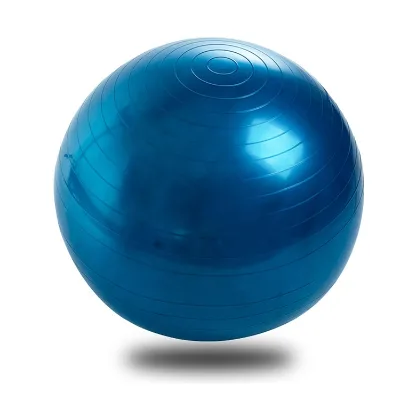

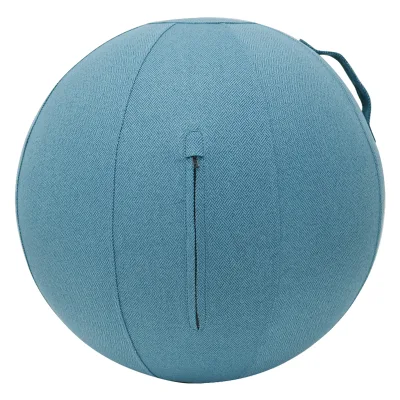
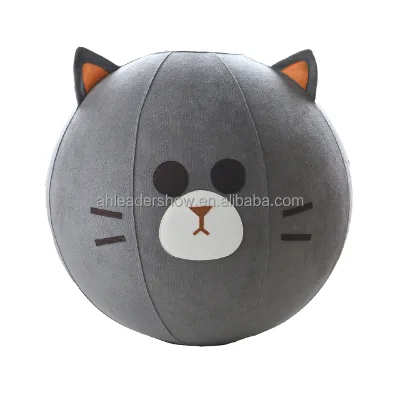


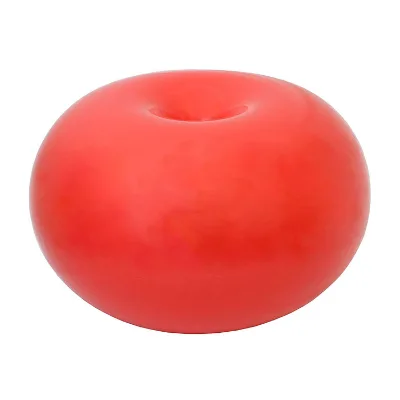
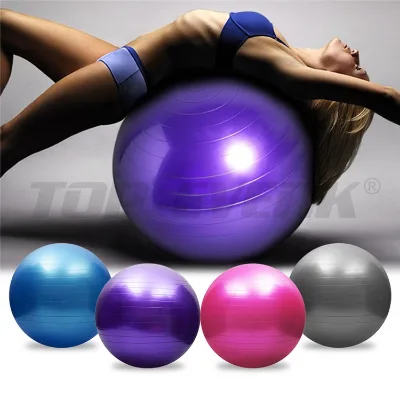


Comprehensive Sourcing Guide
Strategic Sourcing Guide for Non-Slip Eco-Friendly Yoga Balls
The global demand for home fitness equipment has surged, placing significant emphasis on products that combine safety, durability, and environmental responsibility. For procurement professionals seeking a non-slip eco-friendly yoga ball, the sourcing landscape requires a nuanced understanding of material composition, manufacturing standards, and supplier capabilities. This guide synthesizes available product data and industry best practices to provide a structured approach to evaluating potential suppliers and ensuring the acquisition of high-quality fitness equipment that meets specific operational and ethical requirements.
Understanding Material Composition and Eco-Criteria
The foundation of any yoga ball procurement strategy lies in the verification of material composition. While the term "eco-friendly" is often used in marketing, the actual environmental impact depends on the specific polymer used and the manufacturing process. In the observed market data, the primary material identified for these products is PVC (Polyvinyl Chloride). While PVC is a common choice for its durability and cost-effectiveness, it is not inherently eco-friendly unless produced under specific environmental management systems or using recycled content.
Buyers must distinguish between standard PVC and formulations that meet stricter environmental criteria. The supplied product attributes indicate that the material is PVC, which suggests that the "eco-friendly" claim requires further validation from the supplier. Procurement teams should request documentation confirming the absence of harmful phthalates, heavy metals, or other toxic additives often associated with standard PVC production. Additionally, the presence of a "Non-Slip" feature, as noted in the product specifications, often relies on surface treatments or textured molding. These treatments must be evaluated to ensure they do not introduce volatile organic compounds (VOCs) or other pollutants that would contradict the eco-friendly designation.
When evaluating suppliers, it is critical to ask for Material Safety Data Sheets (MSDS) and third-party test reports specifically addressing the environmental safety of the PVC used. The absence of a specific "eco-certification" in the provided data means that the buyer cannot assume compliance based on product listings alone. Instead, the procurement process must include a mandatory verification step where the supplier provides evidence of their material sourcing and chemical composition.
Technical Specifications and Performance Standards
Technical specifications are the backbone of product selection, ensuring that the yoga ball meets the physical requirements of the intended application. The observed product data reveals a diverse range of sizes, with specific dimensions listed as 55cm, 65cm, and 75cm, alongside diameter ranges of 10-14.9in, 15-19.9in, 20-29.9in, and 30-49.9in. This variability indicates that the market offers options for different user heights and exercise intensities.
The "Non-Slip" attribute is a critical performance metric. In the context of the provided data, this feature is listed alongside other functional attributes such as "Durable," "Balance," and "Anti-explosion." The anti-explosion feature is particularly significant for safety, as it implies that the ball is designed to deflate slowly rather than burst catastrophically under pressure. However, the specific pressure ratings and burst strength data are not provided in the source material. Buyers must therefore request detailed pressure test results to verify that the ball can withstand the intended load without failure.
Furthermore, the "Single gross weight" varies between 1.000 kg and 1.230 kg across different product listings. This variation can indicate differences in wall thickness, material density, or the inclusion of accessories. A heavier ball may suggest a more robust construction, which is beneficial for durability, but it also impacts shipping costs. The "Single package size" also varies significantly, from 20x20x5 cm to 55x55x55 cm, reflecting different packaging strategies such as OPP bags versus color boxes. These packaging dimensions directly influence logistics planning and storage requirements.
Compliance, Certification, and Safety Verification
In the B2B procurement of fitness equipment, compliance with safety and environmental standards is non-negotiable. The supplied product information does not explicitly list specific certifications such as ISO, CE, or RoHS. This absence necessitates a proactive approach to compliance verification. Buyers should not assume that a product labeled as "eco-friendly" automatically meets international environmental standards.
The "Customized Standard" attribute found in the data suggests that suppliers may offer products tailored to specific client requirements. This flexibility is advantageous but requires rigorous oversight. Procurement teams must define the exact standards required for their market, such as the European EN 13918 standard for gymnastic equipment or the American ASTM F963 standard for toy safety, depending on the target demographic.
For the "Non-Slip" claim, verification should include friction coefficient testing. The supplier should be able to provide data demonstrating that the surface texture maintains grip under various conditions, including sweat or moisture. Similarly, the "Anti-explosion" feature requires proof of structural integrity under stress. Buyers should request a certificate of analysis or a test report from an accredited laboratory that validates these safety claims. Without such documentation, the risk of product liability and customer dissatisfaction increases significantly.
Cost Drivers and Pricing Dynamics
The pricing of yoga balls is influenced by several factors, including material costs, manufacturing complexity, and order volume. The observed price range in the market spans from $0.58 to $19.95 USD. This wide disparity highlights the importance of understanding the cost drivers behind the final price. The lower end of the spectrum likely corresponds to basic PVC balls with minimal packaging and lower quality control standards. In contrast, the higher price points may reflect the inclusion of eco-friendly materials, enhanced safety features, custom branding, and more robust packaging solutions.
The Minimum Order Quantity (MOQ) is another critical cost driver. The data indicates an MOQ range of 1 to 5000 pieces, with specific instances of 30pcs and 50pcs observed. Lower MOQs offer flexibility for small businesses or test runs but often come with a higher unit cost. Higher MOQs typically reduce the per-unit price but require a larger upfront capital investment. Buyers must balance their budget constraints with their inventory turnover expectations.
Additionally, the "Customized Logo" and "Customized Color" options add value but also increase costs. These customization services require additional setup time and potentially higher material waste. The "Sample Time" of 5-7 days suggests that the production cycle for customized orders is relatively short, but this does not account for the lead time required for mass production. Buyers should factor in the time needed for sample approval, tooling setup, and production scheduling when calculating the total cost of ownership.
Supplier Evaluation and Operational Capabilities
Selecting the right supplier is as important as selecting the right product. The observed data indicates that suppliers are located in Hebei and Anhui, China, regions known for their manufacturing capabilities in the fitness equipment sector. However, location alone does not guarantee quality or reliability. Buyers should evaluate suppliers based on their production capacity, quality control processes, and responsiveness.
The "Sample: Available Anytime" attribute is a positive indicator of supplier flexibility, allowing buyers to test product quality before committing to a large order. However, the "Sample Time" of 5-7 days suggests that while samples are available, they are not necessarily immediate. Buyers should clarify the timeline for sample delivery and the cost structure for samples, as some suppliers may charge for the sample itself or for shipping.
The "Packaging Details" mention professional, environmentally friendly, and efficient packaging services. This aligns with the eco-friendly theme but requires verification. Buyers should inspect the packaging materials to ensure they are indeed recyclable or biodegradable, as claimed. The "OPP Bag" and "Shrink + Carton" options provide different levels of protection. For international shipping, a robust carton box is essential to prevent damage during transit.
Quality Control and Long-Term Procurement Considerations
Ensuring consistent quality is paramount for long-term procurement success. The "Feature" list includes "Durable" and "Non-Slip," but these attributes must be maintained across all units in a production run. Implementing a robust quality control (QC) protocol is essential. This should include pre-production sample approval, in-process inspections, and final random sampling before shipment.
The "Accessories" such as pumps and plugs are often overlooked but are critical for the user experience. Buyers should verify that these accessories are of high quality and compatible with the ball. A low-quality pump can render a high-quality ball unusable, leading to returns and reputational damage.
For long-term procurement, building a strategic partnership with the supplier is beneficial. This involves regular communication, joint planning for demand forecasting, and continuous improvement initiatives. The "OEM: Accept" attribute indicates that suppliers are open to original equipment manufacturing, which allows buyers to build a unique brand identity. However, this requires clear agreements on intellectual property rights and quality standards.
Comparative Analysis of Product Attributes
To facilitate decision-making, the following table summarizes key attributes observed in the market data, highlighting the variations that buyers must consider.
| Attribute | Observation 1 | Observation 2 | Procurement Consideration |
|---|---|---|---|
| Material | PVC | PVC | Verify absence of harmful additives for eco-compliance. |
| Size | 55cm, 65cm, 75cm | 45/55/65CM | Match size to target user demographics (Adult). |
| MOQ | 30pcs | 50pcs | Balance order volume with cash flow and storage. |
| Packaging | OPP Bag | Color Box / Shrink + Carton | Assess protection needs vs. environmental impact. |
| Origin | Hebei, China | Anhui, China | Verify logistics capabilities and regional expertise. |
| Features | Non-Slip, Durable | Anti-explosion, Balance | Request test data for specific safety claims. |
| Customization | Logo, Color | Logo, Color | Confirm lead times and costs for branding. |
Conclusion
Sourcing a non-slip eco-friendly yoga ball requires a meticulous approach that goes beyond surface-level product descriptions. Buyers must navigate the complexities of material verification, technical performance, and supplier reliability to ensure they acquire products that meet both functional and ethical standards. By rigorously checking material safety data, demanding proof of safety certifications, and understanding the cost drivers associated with customization and volume, procurement professionals can mitigate risks and secure high-quality fitness equipment. The observed market data provides a starting point, but the ultimate success of the procurement strategy depends on the depth of due diligence and the strength of the supplier relationship. As the market continues to evolve, maintaining a focus on quality and sustainability will be essential for long-term success in the fitness equipment sector.
FAQs
What material is used for the non-slip eco friendly yoga ball?
The primary material identified is PVC, which offers durability but requires verification for eco-compliance. Buyers must request Material Safety Data Sheets to confirm the absence of harmful phthalates or heavy metals before assuming the product meets strict environmental criteria.
Which sizes are available for the non-slip eco friendly yoga ball?
Available sizes include 55cm, 65cm, and 75cm, with diameter ranges spanning from 10 to 49.9 inches. These dimensions cater to different user heights and exercise intensities, ensuring a proper fit for adult users in home or gym settings.
Can I get a customized logo on the non-slip eco friendly yoga ball?
Yes, customized logos are available for this product. This service allows buyers to build a unique brand identity, though it may increase costs and require additional lead time for setup and production scheduling compared to standard items.
How is the non-slip eco friendly yoga ball packaged for shipping?
Packaging options include OPP bags, color boxes, or shrink wrap combined with cartons. These methods are designed to ensure safety during transit, with professional services provided to balance protection needs and environmental efficiency for the buyer.
What is the minimum order quantity for the non-slip eco friendly yoga ball?
The observed minimum order quantities range from 30 to 50 pieces, with a broader market range of 1 to 5000. Lower MOQs offer flexibility for testing but often carry higher unit costs, while larger orders typically reduce the price per unit.
Where are the non-slip eco friendly yoga ball manufacturers located?
Manufacturers are located in Hebei and Anhui, China, regions known for fitness equipment production. Buyers should evaluate these specific locations for logistics capabilities and regional expertise when selecting a supplier for their procurement needs.