Source non-slip crew cycling socks for running, training, and racing
Find 30 options for non-slip crew cycling socks designed for athletes. Compare features like material, elasticity, and customization to find the right fit for your needs.
Key considerations
Products List
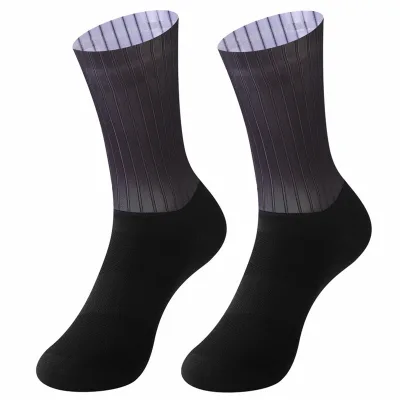


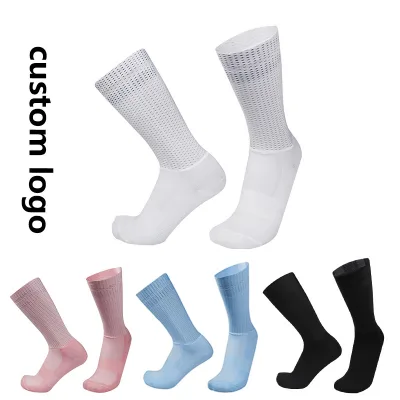
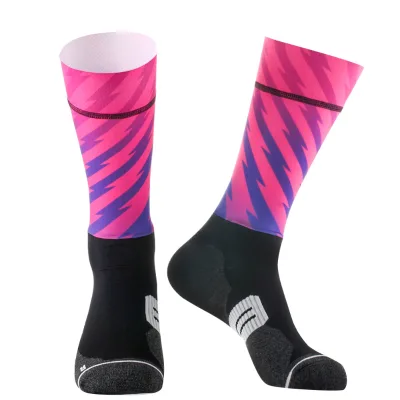
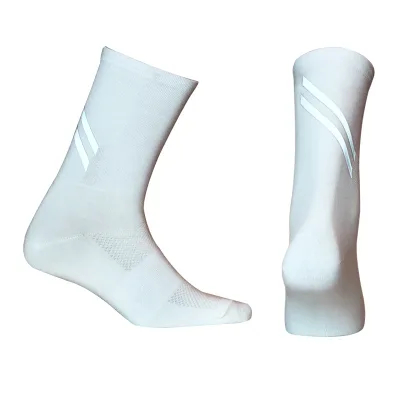
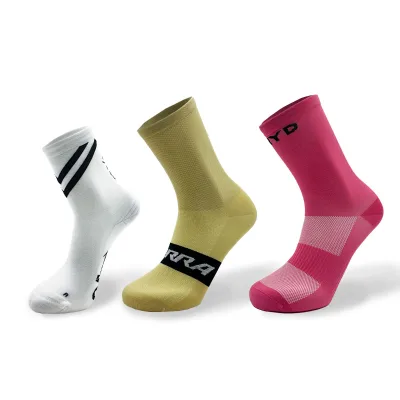
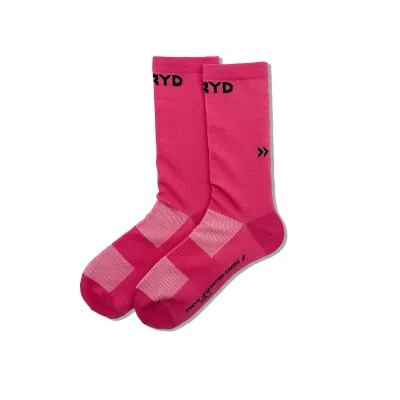


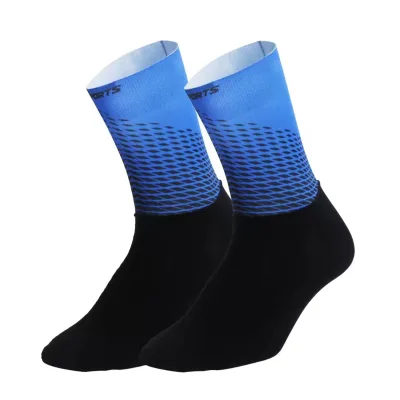
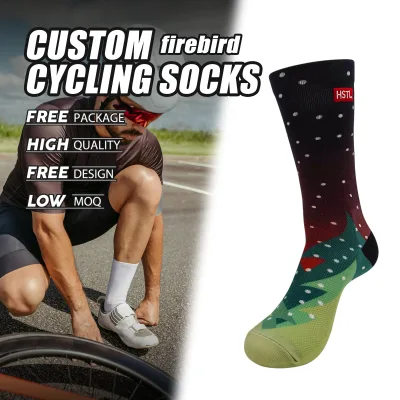


Comprehensive Sourcing Guide
Strategic Sourcing Guide for Non-Slip Crew Cycling Socks
The global market for athletic hosiery has seen a significant shift toward specialized performance wear, with non-slip crew cycling socks emerging as a critical component for both professional teams and recreational enthusiasts. For B2B procurement officers, sourcing these items requires a nuanced understanding of material science, supply chain logistics, and the specific operational demands of the cycling industry. This guide synthesizes available market data and technical observations to provide a disciplined framework for evaluating potential suppliers and securing high-quality inventory. The focus remains on evidence-based criteria, ensuring that procurement decisions are grounded in verifiable product attributes rather than marketing assertions.
Technical Specifications and Material Composition
The foundation of a successful sourcing strategy lies in a rigorous analysis of technical specifications. In the context of non-slip crew cycling socks, the material composition is the primary determinant of performance. Market observations indicate a prevalent use of blended fabrics, specifically combinations of Spandex and Cotton, which offer a balance between durability and comfort. Spandex provides the necessary elasticity to maintain a secure fit around the calf, preventing the sock from sliding down during intense pedaling, while Cotton contributes to breathability and moisture management. However, some listings also highlight Organic Cotton as a material option, suggesting a growing segment focused on sustainability and skin sensitivity.
The construction technique is equally vital. The "Knitted" technics observed in current product listings is the standard for creating the complex structures required for performance socks. This method allows for the integration of varying densities within a single garment, creating zones of compression and ventilation. The "High Elasticity" attribute is a non-negotiable requirement for the crew style, ensuring the sock stays in place without constricting blood flow. Furthermore, the "Standard" or "Normal" thickness levels observed in the market suggest a design philosophy that prioritizes aerodynamics and weight reduction over heavy insulation, making these socks suitable for the "Spring" and "Spring / Autumn" seasons. Buyers must verify that the specific knit density aligns with the intended climate of the target market, as a sock designed for mild spring weather may not suffice for colder conditions.
Functional Attributes and Performance Features
Beyond raw materials, the functional attributes of the socks define their utility in a cycling environment. The core requirement for this category is the "Non-slip Bottom" feature, often achieved through silicone printing or specialized knitting patterns on the sole. This feature is critical for preventing foot slippage inside the cycling shoe, which can lead to blisters and reduced power transfer. The "Anti-Slip" attribute listed in product data reinforces this necessity. Additionally, the "Sweat-Absorbent" and "Quick Dry" features are essential for maintaining foot hygiene and comfort during long rides. Moisture-wicking capabilities prevent the accumulation of sweat, which can degrade the fabric and cause discomfort.
The "Breathable" nature of the product is another key performance indicator. Effective ventilation systems, often integrated into the knit structure, help regulate temperature and reduce the risk of fungal infections. The "Anti-Bacterial" and "Anti-Foul" properties observed in the market data address hygiene concerns, particularly for athletes who may wear the same socks for extended periods or in humid environments. The "Snagging Resistance" feature ensures longevity, protecting the sock from tears caused by shoe cleats or rough handling during transport. These features collectively create a product that is not merely a piece of clothing but a piece of athletic equipment. Procurement teams should request specific test data or detailed descriptions of how these features are engineered into the product, rather than accepting them as generic claims.
Compliance, Safety, and Quality Control Standards
In the B2B sector, compliance and safety are paramount. The "Needle detection: Yes" attribute found in the supply data is a critical quality control measure. This process ensures that no metal fragments from the knitting machinery remain in the final product, which is a significant safety hazard for consumers. For buyers, this is a non-negotiable standard that must be verified through the supplier's quality assurance protocols. The absence of such detection could lead to product recalls and liability issues.
While specific certification names are not universally standardized in the provided data, the "High Quality" and "Safety: Non-slip Bottom" attributes imply adherence to rigorous internal standards. Buyers should verify if the supplier adheres to international textile safety standards, such as those regarding chemical restrictions (e.g., REACH or Oeko-Tex), although these specific names should only be cited if confirmed by the supplier. The "Needle detection" requirement serves as a proxy for a robust quality management system. Furthermore, the "Eco-Friendly" attribute suggests an alignment with environmental regulations, which is increasingly important for B2B contracts in Europe and North America. Procurement officers must ensure that the "Organic Cotton" claims, if made, are backed by valid certification documentation to avoid greenwashing.
Cost Drivers and Procurement Economics
Understanding the cost drivers is essential for negotiating favorable terms. The observed price range of 0.4 to 6.96 USD indicates a wide spectrum of product tiers, likely driven by material quality, design complexity, and order volume. The "MOQ" (Minimum Order Quantity) varies significantly, with observed ranges from 1 to 500 pairs, and specific instances of 50, 100, and 300 units. This variability allows buyers to tailor their orders to their inventory needs, but it also introduces complexity in cost modeling.
The "Custom Desgin" and "Customized Logo Accept" attributes are significant cost drivers. While customization adds value, it often requires setup fees and higher MOQs. The "Oem Service" and "Supply Type: Oem Service" confirm that the supplier is equipped for private labeling, which is a common requirement for brands. The "Single gross weight" of 0.080 kg and "Single package size" of 15x7x3 cm are critical for calculating shipping costs. Buyers must factor in the "Packing: 1pair/opp Bag" and "Bag, Carton" options when estimating logistics expenses. The "7 days sample order lead time" suggests a responsive supply chain, but buyers should clarify if this applies to standard or customized samples, as customization often extends lead times.
Supplier Evaluation and Verification
Evaluating suppliers requires a multi-faceted approach that goes beyond price comparisons. The "Place of Origin: Zhejiang, China" and "Zhuji Shaoxing Zhejiang China" indicate a specific manufacturing hub known for its textile industry. This concentration of suppliers can be advantageous for finding specialized vendors but requires careful vetting to ensure quality consistency. The "Brand Name: DONGHONG" and "Product name: Bike Team Aero Socks" provide specific examples of product lines, but buyers should not limit their search to these specific names. Instead, they should look for suppliers with a proven track record in "Sport" and "Running" activities, as these categories often share similar technical requirements.
The "Design: Custom design Accept" and "Logo: Customer Logo Sock" attributes highlight the importance of a supplier's design capabilities. Buyers should assess the supplier's ability to translate custom patterns, such as "Animal Patterns" or "Customized Patterns," into high-quality knitted products. The "Needle detection" capability is a key differentiator; suppliers who can provide evidence of this process are more likely to have robust quality control systems. Additionally, the "Indoor/Outdoor" versatility of the product suggests a need for suppliers who can produce socks suitable for various environments, requiring a versatile production line.
Long-Term Procurement and Scalability
For long-term success, buyers must consider the scalability of their supply chain. The "Season: Spring / Autumn" and "Spring" attributes indicate that these products are seasonal, which requires careful inventory planning to avoid stockouts during peak demand. The "Gender: Unisex" and "Size: Free Size" attributes simplify inventory management, as they reduce the need for multiple SKUs based on gender or specific sizing. However, the "Age: 1-12" attribute suggests that some products may be targeted at younger demographics, requiring separate marketing and sizing strategies.
The "Feature: Sporty" and "Style: Regular" attributes indicate a broad appeal, but buyers should ensure that the product line can adapt to changing trends. The "Customization: Available" feature is a strategic advantage, allowing buyers to differentiate their offerings in a crowded market. However, the "MOQ" variations mean that buyers must negotiate flexible terms that allow for scaling up or down based on market response. The "Lead time" and "Sample order" capabilities are crucial for maintaining agility in the supply chain. Buyers should establish clear communication channels with suppliers to ensure that lead times are met consistently, especially when dealing with custom designs.
Conclusion
Sourcing non-slip crew cycling socks requires a disciplined approach that balances technical specifications, compliance, and economic factors. By focusing on verified attributes such as "Needle detection," "High Elasticity," and "Non-slip Bottom," buyers can ensure they are procuring high-quality products that meet the demands of the cycling community. The wide range of MOQs and price points offers flexibility, but it also necessitates careful supplier evaluation to ensure consistency and reliability. As the market continues to evolve, maintaining a focus on evidence-based criteria will be essential for building a resilient and successful supply chain.
FAQs
What materials are used for non-slip crew cycling socks?
The socks are typically made from Spandex and Cotton blends or Organic Cotton. This combination ensures high elasticity for a secure fit while providing breathability and moisture absorption for comfort during spring and autumn riding seasons.
How can I customize the logo on these cycling socks?
Customized logos are accepted and can be placed on the cuff area. Suppliers offer OEM services with custom design options, allowing buyers to add their own branding while maintaining the standard knitted construction and safety features like needle detection.
What is the minimum order quantity for these socks?
Minimum order quantities vary between 50 and 500 pairs depending on the specific supplier and customization needs. Some vendors accept orders as low as 50 pairs for standard items, while custom designs may require higher volumes like 100 or 300 pairs.
Can I get a sample order quickly for these socks?
Yes, sample order lead times can be as short as 7 days for standard requests. Buyers should verify if the sample includes custom features, as design modifications might extend the production timeline beyond the standard sample delivery window.
Which safety standards apply to these knitted socks?
Products undergo needle detection to ensure no metal fragments remain in the final garment. This quality control measure is standard for safety, ensuring the socks are free from hazardous materials while meeting general high-quality textile production requirements.
What features make these socks suitable for cycling activities?
These socks feature non-slip bottoms, anti-slip properties, and sweat-absorbent materials for performance. Additional attributes include quick-dry capabilities, breathability, and snagging resistance, making them ideal for both indoor and outdoor cycling in spring and autumn conditions.