Source Non-Slip Plaid Polyester Area Rug for Home, Hotel, and Office
Find and compare 30 Non-Slip Plaid Polyester Area Rug options from verified Chinese manufacturers. Evaluate features like anti-slip backing, modern designs, and various thicknesses to select the best fit for your residential or commercial decoration needs.
Key considerations
Products List


Polyester Rug Indoor Area Rugs Bedroom Floor Mat Baby Nursery Rug Children Carpet
$1.75 - $3.50
MOQ: 500 Square Meters

Simple Style Non-Slip Carpet Fluffy Carpet Soft Shaggy Rug Customized
$1.75 - $3.50
MOQ: 300 Square Meters


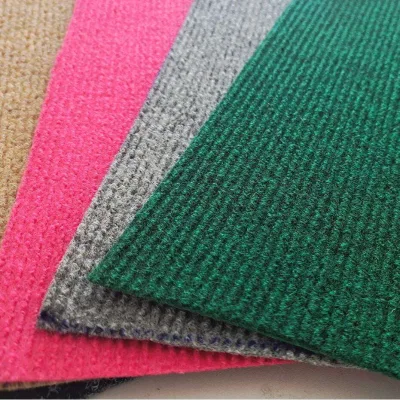


High Quality Custom Rug Polyester Standing Washable Non-Slip Welcome Door Mat
$1.32 - $1.55
MOQ: 650 Pieces


Comprehensive Sourcing Guide
Non-Slip Plaid Polyester Area Rug Sourcing Guide
Sourcing non-slip plaid polyester area rugs requires a careful balance between aesthetic consistency and functional safety, particularly for high-traffic commercial and residential environments. The term "plaid" often implies a specific geometric pattern, but in the broader rug market, this style frequently overlaps with modern, oriental, or multicolor designs that utilize similar grid-like or checkered motifs. Buyers must distinguish between true plaid patterns and other geometric designs when evaluating supplier catalogs, as the visual expectation may not always align with the technical description of the product. The core material, polyester, offers a cost-effective alternative to natural fibers like wool, providing durability and stain resistance, though the specific blend and pile construction significantly influence the final performance and feel of the rug.
The "non-slip" attribute is a critical functional requirement that dictates the backing material and overall safety profile of the rug. While many listings highlight anti-slip features, the effectiveness of this feature depends on the underlying backing technology, such as latex coating, rubber dots, or woven non-slip bases. Buyers should verify that the non-slip property is integrated into the product structure rather than being a temporary surface treatment. Additionally, the use of polyester as the primary material suggests a focus on easy maintenance and colorfastness, making these rugs suitable for hotels, commercial spaces, and homes where frequent cleaning is necessary. Understanding the interplay between the polyester face fiber and the anti-slip backing is essential for selecting a product that meets both aesthetic and safety standards.
Product Scope and Observed Listing Signals
The observed product landscape for polyester area rugs reveals a diverse range of specifications, with thicknesses varying from 5mm to 15mm and models such as H3, GLX9, and Daniel2-5 indicating different production lines or design series. These variations suggest that suppliers offer multiple tiers of quality and density, allowing buyers to select products based on their specific traffic load requirements. The presence of both hand-made and printed techniques in the market data indicates a split between premium, artisanal options and mass-produced, cost-efficient alternatives. Buyers should pay close attention to the "Technics" attribute, as hand-made or tufted rugs generally offer better durability and texture compared to printed variants, which may be more prone to pattern wear over time.
Packing and origin data provide further insight into the supply chain dynamics, with products originating from China, specifically Guangzhou and Guangdong regions, which are known hubs for textile manufacturing. The packing methods, ranging from woven bags to plastic and PP bags, suggest that suppliers are equipped to handle various shipping requirements, including bulk roll packing for large orders. The observed price range of 0.1-25 USD and MOQs between 50-5000 pieces highlight the flexibility in order sizes, catering to both small boutique purchases and large commercial contracts. Buyers should consider the implications of these MOQs on inventory management and cash flow, especially when testing new designs or entering new markets with limited initial demand.
Technical Specifications to Verify
Thickness is a primary technical specification that directly impacts the comfort, insulation, and durability of the area rug. Observed thicknesses range from 5mm to 15mm, with thicker rugs generally offering better sound absorption and a plush feel, suitable for residential and hotel settings. However, thicker rugs may require more robust non-slip backings to prevent shifting, especially on smooth flooring surfaces. Buyers should verify the exact pile height and density, as these factors influence the rug's ability to withstand foot traffic without matting. The standard sizes listed, such as 120160cm, 140200cm, and 200*300cm, provide a baseline for selection, but the availability of custom sizes allows for tailored solutions for specific room dimensions or unique architectural features.
The material composition, primarily chemical fiber or polyester, offers specific performance characteristics that buyers must evaluate against their usage requirements. Polyester is known for its resistance to moisture and stains, making it a practical choice for high-traffic areas and homes with children or pets. However, the specific type of polyester and the manufacturing process, such as jacquard or woven techniques, affect the rug's texture and longevity. Buyers should request samples to assess the hand-feel and colorfastness, as these attributes are difficult to judge from product descriptions alone. Additionally, the cleaning and maintenance requirements, such as hand wash or machine wash capabilities, should be clearly defined to ensure long-term usability and hygiene.
Compliance and Safety Documentation
Safety compliance is paramount when sourcing rugs with non-slip features, particularly for commercial and hospitality applications where liability risks are higher. Buyers should verify that the non-slip backing meets relevant safety standards for slip resistance, such as those defined by local building codes or industry benchmarks. While specific test results are not provided in the observed data, buyers should request documentation from suppliers that confirms the rug's performance in slip resistance tests. This documentation should include details on the testing methodology, such as the coefficient of friction measurements, to ensure that the product meets the required safety thresholds for the intended environment.
Environmental and health compliance is another critical aspect, especially for products used in indoor spaces where air quality and chemical exposure are concerns. Buyers should inquire about the presence of harmful substances in the polyester fibers and backing materials, such as formaldehyde or heavy metals. Although OEKO-TEX is mentioned as a background standard, buyers should not assume that all products are certified without explicit verification. Requesting third-party test reports for chemical safety can provide assurance that the rugs are safe for use in homes, hotels, and commercial spaces. Additionally, eco-friendly claims, such as washability and recyclability, should be substantiated with credible evidence to avoid greenwashing.
Cost Drivers and Commercial Terms
The cost of non-slip plaid polyester area rugs is influenced by several factors, including material quality, production techniques, and customization options. Hand-made or tufted rugs typically command higher prices due to the labor-intensive manufacturing process, while printed or woven rugs are more cost-effective for large-volume orders. Buyers should consider the trade-off between price and quality, as cheaper options may compromise on durability or safety features. The observed MOQ range of 50-5000 pieces allows for flexibility in order sizing, but larger orders may benefit from volume discounts, which should be negotiated with suppliers.
Commercial terms, such as payment methods, shipping arrangements, and lead times, play a significant role in the overall procurement cost. Buyers should clarify the incoterms and shipping responsibilities with suppliers to avoid unexpected costs related to freight and customs. The packing methods, such as roll packing in bags, can affect shipping efficiency and product protection during transit. Buyers should also consider the potential for customization, such as custom designs, sizes, and shapes, which may incur additional costs and longer lead times. Understanding these commercial terms is essential for accurate budgeting and project planning.
Supplier Qualification and Quality Control
Supplier qualification is a critical step in ensuring the reliability and consistency of the sourced rugs. Buyers should conduct thorough due diligence on potential suppliers, including verifying their business licenses, production capabilities, and quality management systems. Suppliers located in Guangzhou and Guangdong, China, are known for their textile expertise, but buyers should still assess their specific track record in producing polyester area rugs with non-slip features. Requesting references from previous clients and visiting the production facility, if possible, can provide valuable insights into the supplier's operational standards and capacity.
Quality control measures should be established to ensure that the delivered products meet the specified requirements. Buyers should define clear quality criteria, including dimensions, weight, color accuracy, and non-slip performance, and communicate these to the supplier. Implementing pre-shipment inspections can help identify and rectify any defects before the products are dispatched. Buyers should also consider establishing a sample approval process, where initial samples are reviewed and approved before mass production begins. This approach minimizes the risk of receiving non-conforming products and ensures that the final output aligns with the buyer's expectations.
Long-Term Procurement Checks
Long-term procurement success depends on continuous monitoring of supplier performance and product quality. Buyers should establish key performance indicators (KPIs) to track metrics such as on-time delivery, defect rates, and customer satisfaction. Regular feedback loops with suppliers can help identify areas for improvement and foster a collaborative relationship. Additionally, buyers should stay informed about industry trends and technological advancements in rug manufacturing, such as new materials or production techniques, to remain competitive and meet evolving customer demands.
Sustainability and ethical sourcing are increasingly important considerations for long-term procurement strategies. Buyers should evaluate suppliers' commitment to environmental responsibility and ethical labor practices, as these factors can impact brand reputation and regulatory compliance. Engaging with suppliers who prioritize sustainable practices can enhance the overall value proposition of the sourced products. By maintaining a proactive approach to supplier management and quality assurance, buyers can ensure a steady supply of high-quality non-slip plaid polyester area rugs that meet their business objectives and customer expectations.
FAQs
How are these rugs installed on floor carpets?
These rugs are designed for direct installation on floor carpets. They feature an anti-slip property to ensure stability. This makes them suitable for various settings including homes, hotels, and commercial spaces without requiring additional adhesives.
What customization options are available for these rugs?
Customization is available for design, size, and shape. Buyers can request any design or custom size to fit specific needs. The product also offers cut pile and loop pile textures to meet diverse aesthetic requirements.
Which materials are used to make these area rugs?
These rugs are primarily made from chemical fiber or wool. The material choice depends on the specific model and desired texture. Both materials support the modern or oriental designs observed in the product line.
Can these rugs be used for prayer and exercise?
Yes, these rugs are suitable for prayer, exercise, and general decoration. Their usage spans home, commercial, and hotel environments. The anti-slip feature adds safety for active use like exercise or prayer rituals.
How are these rugs packed for shipping?
Packing methods vary by model but include woven bags, plastic, or PP bags. Some items are packed in 15 to 20 rolls per bag. This ensures protection during transit from the origin in China.
What are the standard thickness options for these rugs?
Standard thickness options range from 5mm to 15mm depending on the model. Specific models like H3 or GLX9 have defined thicknesses. Buyers should check the specific model number for exact dimensional details.
Which cleaning methods are recommended for these rugs?
Hand wash is the recommended cleaning method for these rugs. They are also described as washable and eco-friendly. This ensures longevity while maintaining the integrity of the chemical fiber or wool materials.