Source Retro Style Dining Plates for Home, Hotel & Restaurant
Browse 30 Retro Style Dining Plate listings covering ceramic round plates in multiple sizes. Buyers can compare materials, MOQ ranges, customization options, sample lead times, and packaging details side by side, then contact suppliers directly to request quotes for home, hotel, or restaurant use.
Key considerations
Products List
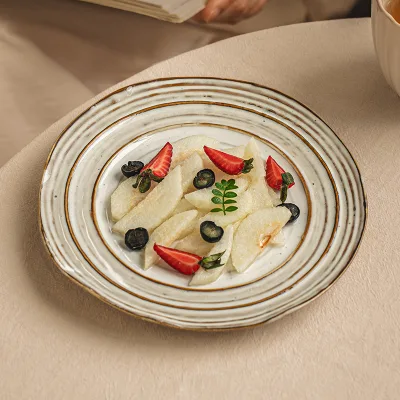
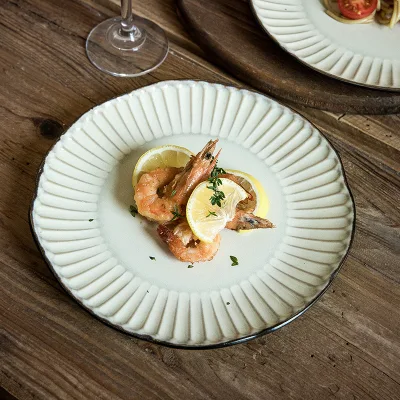


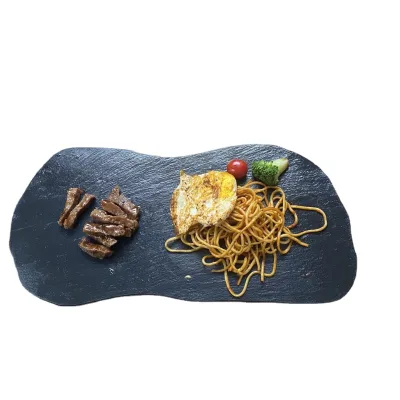


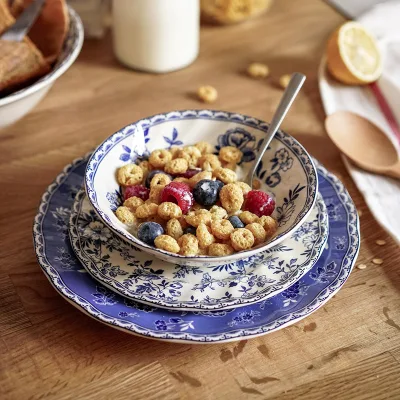


$3.80 - $5.10
MOQ: 10 Pieces


Comprehensive Sourcing Guide
Retro Style Dining Plate Sourcing Guide
Sourcing ceramic dinner plates with a retro aesthetic requires balancing visual authenticity with functional durability. The term "retro style" in the current B2B market often overlaps with minimalist, country, or Nordic design languages, where clean lines and subtle textures replace ornate detailing. Buyers must distinguish between true vintage reproductions and modern interpretations that use earthy tones or matte finishes to evoke nostalgia. This guide focuses on the practical aspects of procuring these items, ensuring that the aesthetic appeal does not compromise the structural integrity or safety standards required for commercial hospitality use.
The procurement process involves navigating a wide range of supplier capabilities, from small artisanal workshops to large-scale manufacturing hubs in China. While the visual appeal of retro plates is subjective, the underlying manufacturing processes are highly standardized. Buyers should prioritize suppliers who can demonstrate consistency in glaze application and firing techniques, as these factors directly influence the longevity of the plate’s finish. Understanding the distinction between on-glazed and under-glazed techniques is crucial, as it affects both the tactile experience and the resistance to chipping and staining over time.
Product Scope and Observed Listing Signals
The observed market signals indicate a strong presence of ceramic round dinner plates originating primarily from Fujian and Zhejiang provinces in China. These regions are known for their mature ceramic supply chains, offering a variety of styles that range from minimalist to country-inspired designs. Listings frequently highlight features such as "Eco-Friendly," "Handmade," and "Stocked" items, suggesting a market segment that values both sustainability and immediate availability. The presence of specific model numbers like X018, CE-P022, and DW23041 indicates that many suppliers maintain distinct product lines rather than offering generic unbranded goods, which can aid in tracking specific design iterations.
Price points and minimum order quantities (MOQs) vary significantly based on customization levels and material composition. Observed data shows a price range from $0.25 to $10,000, reflecting the disparity between basic stock items and high-volume or custom-branded orders. MOQs typically start at 20 pieces for certain customized designs but can extend up to 5,000 pieces for standard bulk orders. Buyers should note that while some listings claim "Non-Customized" status, others explicitly accept custom logos and patterns, allowing for brand integration. The single package size of approximately 23x23x6 cm and a gross weight of 0.370 kg provide a baseline for logistics planning, though these metrics will increase with larger diameters or multi-piece sets.
Technical Specifications to Verify
Material composition is the primary technical differentiator, with most listings specifying either pure ceramic or a blend of ceramic and porcelain. Porcelain generally offers higher density and translucency, which can enhance the premium feel of a retro design, while standard ceramic provides robustness for everyday use. Buyers must verify the specific clay body and firing temperature, as these determine the plate’s thermal shock resistance and suitability for microwave and dishwasher use. The diameter specifications observed, such as 7.5 inches or standard sizes like 8, 10, and 12 inches, must be cross-referenced with the intended table setting requirements to ensure consistency across a restaurant’s menu.
The finishing technique, particularly "on-glazed" methods, plays a critical role in the plate’s aesthetic and functional performance. On-glazed designs allow for vibrant colors and intricate patterns but require careful inspection to ensure the glaze is fully fused and free from micro-cracks that could harbor bacteria. The shape is consistently round, aligning with traditional dining norms, but the rim profile and thickness can vary. Buyers should request physical samples to assess the weight distribution and edge smoothness, as these tactile qualities significantly impact the user experience. Additionally, the "Country" or "Nordic" style descriptors should be validated against actual product photos to ensure the design aligns with the brand’s visual identity.
Compliance and Safety Documentation
Food safety certifications are non-negotiable for any dinnerware intended for commercial or residential use. Listings frequently cite compliance with CE/EU, FDA, and CIQ standards, which are essential for importing into major markets. The CE mark indicates conformity with health, safety, and environmental protection standards for products sold within the European Economic Area, while FDA approval is critical for the United States market. Buyers must verify that these certifications are current and specific to the ceramic material used, as generic certificates may not cover all product variations or glaze compositions.
Beyond basic food safety, social compliance certifications such as BSCI, Sedex, and WMT are increasingly important for brands focused on ethical sourcing. These audits verify that the manufacturing facilities adhere to labor laws, provide safe working conditions, and maintain fair employment practices. Target certificate compliance is also mentioned, indicating that some suppliers meet the rigorous supply chain standards of major global retailers. Buyers should request copies of these certificates and verify their validity through the respective issuing bodies to mitigate reputational and legal risks associated with non-compliant suppliers.
Cost Drivers and Commercial Terms
The cost of retro-style dining plates is influenced by several key factors, including material quality, glaze complexity, and order volume. Handmade items typically command a higher price due to the labor-intensive nature of the production process, whereas machine-pressed plates offer cost efficiency at the expense of slight variations in shape. Customization options, such as adding a custom logo or specific pattern, introduce additional setup costs and potentially higher MOQs. Buyers should negotiate clearly on whether these costs are included in the unit price or billed separately to avoid unexpected expenses.
Packaging and logistics represent a significant portion of the total landed cost. Standard exporting packages, often described as "safety exporting" or using brown cartons, are designed to minimize breakage during transit. However, the fragility of ceramic goods means that insurance and careful handling are essential. Sample leading times, ranging from 5 to 15 days, should be factored into the procurement timeline, especially for custom orders. Buyers should establish clear agreements on lead times for bulk production, as delays can disrupt inventory planning and sales cycles.
Supplier Qualification and Quality Control
Quality control is paramount when sourcing ceramic dinnerware, as defects such as warping, glaze pinholes, or color inconsistencies can lead to high return rates. Suppliers often adhere to an AQL 2.5/4.0 inspection standard, which defines the acceptable number of defects in a random sample. Buyers should insist on pre-shipment inspections conducted by third-party agencies or their own quality teams to verify that the products meet these standards. The inspection should cover both visual aesthetics and functional tests, such as thermal shock resistance and lead/cadmium leaching tests.
Supplier qualification extends beyond product quality to include reliability and communication. Buyers should assess the supplier’s ability to handle custom orders and their responsiveness to technical queries. The presence of multiple model numbers and specifications suggests that some suppliers have a broad catalog, which can be advantageous for sourcing complementary items. However, buyers should verify the supplier’s capacity to maintain consistency across large orders, as variations in batch quality can be common in ceramic manufacturing. Establishing a clear communication channel for addressing defects and returns is essential for a smooth procurement process.
Long-Term Procurement Checks
Building a long-term relationship with a ceramic supplier requires ongoing monitoring of product consistency and market trends. As design preferences evolve, suppliers must be able to adapt their retro styles to meet changing consumer demands without compromising quality. Buyers should regularly review supplier performance metrics, including on-time delivery rates, defect rates, and responsiveness to issues. This data-driven approach helps in identifying potential risks and making informed decisions about future orders.
Sustainability is becoming an increasingly important factor in long-term procurement strategies. Buyers should inquire about the supplier’s environmental practices, such as water recycling in the manufacturing process and the use of eco-friendly glazes. The "Eco-Friendly" label observed in listings should be substantiated with specific details about the supplier’s green initiatives. By prioritizing suppliers who demonstrate a commitment to sustainability, buyers can align their procurement practices with broader corporate social responsibility goals and appeal to environmentally conscious consumers.
FAQs
What materials are used for these retro style dining plates?
The plates are made of ceramic and porcelain, which suits retro and Nordic style tableware. Ceramic offers durability for daily use in homes, hotels, and restaurants. Some listings describe the material as ceramic only, so buyers should confirm the exact composition per model, such as X018 or CE-P022, before ordering. All variants are non-disposable and eco-friendly stocked items.
Can I customize the pattern or add a custom logo to the plates?
Yes, customized patterns are supported and custom logos are accepted on listed models. The pattern type is listed as customized and customization is available, typically using an on-glazed technique. Provide your artwork early, since sample leading time runs about 5 to 15 days depending on the listing. Confirm artwork format and logo placement with the supplier before bulk production.
What sizes are available for the Retro Style Dining Plate?
Listed options include a 7.5 inch round ceramic plate and standard size sets of 8.5, 10.5, and 11.5 inches or 8, 10, and 12 inches. Choose based on your catering or retail needs. Single-piece packaging for the 7.5 inch model is about 23 by 23 by 6 cm with a gross weight of 0.370 kg, which helps estimate shipping volume.
How is the product packed for shipping?
Plates are packed in standard safe exporting packages, with brown carton also listed for some models. Safety exporting packaging protects ceramic items during long-distance transport. Confirm carton quantity per box and inner packing details with the supplier, since packing descriptions vary slightly between product pages and affect freight costs.
What is the minimum order quantity for these plates?
The listed MOQ is 20 pieces for the DOME handmade ceramic round plate, which is low for sampling and small retail runs. Other models may carry different MOQ requirements, so confirm per model number. Low MOQ makes it practical to test designs like the minimalist round style before committing to larger catering or hotel orders.
Which certifications do the plates and factories hold?
Listed certifications include CE/EU, FDA, and CIQ for product compliance, and BSCI, Sedex, WMT, and Target certificates for factory audits. Quality inspection is based on AQL 2.5/4.0. These credentials support sales in regulated markets and hotel procurement. Always request current certificate copies for the specific model before placing orders.
How long does sampling take before bulk production?
Sample leading time is 5 to 15 days on one listing and 7 to 15 days on another, depending on the model and customization level. Customized patterns may need extra time for on-glazed decoration. Plan your project schedule around this window and confirm the exact timeline with the supplier when you submit artwork.
Where are these retro style dining plates produced?
The plates originate from Fujian, China, with another listed model originating from Zhejiang, China. Both provinces are established ceramic production regions for dishes and plates. When comparing options, factor origin into freight planning, since export packing from these regions typically ships through major Chinese ports for global distribution.